Can Dogs Eat Cheerios? Plain Pieces, Flavors, and Risks
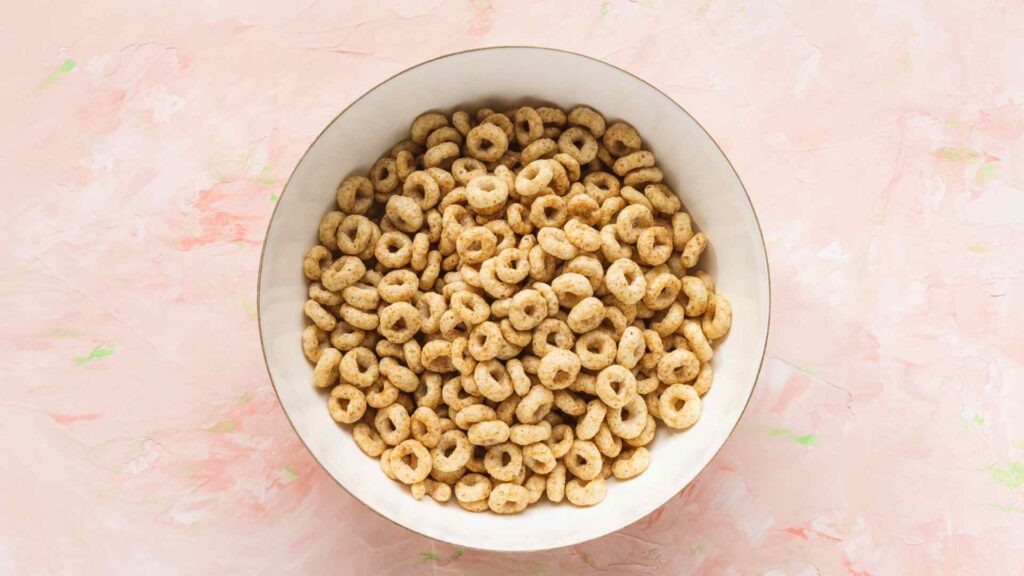
A few plain original Cheerios are usually safe for a healthy dog, but cereal is not a useful nutrition upgrade. The important questions are which variety, how many, whether milk or dangerous mix-ins were involved, and whether the dog swallowed the bag, liner, box insert, or another object.
A quick answer for the cereal spill
If your dog picked up several plain rings and acts normal, clean up the spill and continue the usual diet. Call after a large amount, an unknown flavored variety, xylitol, raisins, chocolate, significant symptoms, a known allergy, or possible packaging ingestion.
Do not assume every box with the Cheerios name has the same recipe. Formulas differ by flavor, country, and reformulation, so use the ingredient list in your hand.
Plain pieces are low drama, not health food
A few dry pieces are unlikely to poison most dogs, and their small size makes them convenient for occasional training. They mostly contribute starch and calories, however, while complete dog food supplies the nutrients a dog actually needs.
The distinction matters because “not toxic” is not the same as “beneficial.” There is no reason to add a daily cereal bowl to support a dog’s heart, cholesterol, digestion, or weight.
Calories and diet displacement
Cereal is easy to scatter and hard to count after a dog raids a box. Repeated handfuls can displace balanced food or quietly undermine a weight-management plan even though each ring looks tiny.
The UC Davis veterinary nutrition service advises that treats and extras stay at or below 10 percent of daily calories. The remaining 90 percent or more should come from a complete and balanced diet.
Flavor names are not enough
Honey Nut, Multi Grain, Apple Cinnamon, Frosted, Chocolate, and seasonal products have different sugar, flavor, nut, spice, or cocoa profiles. Read the current label rather than carrying an answer from one variety to another.
A small taste of a conventionally sweetened flavor is usually a calorie or stomach concern, but sugar-free and specialty products require a repeated xylitol check. Restaurant cereal desserts and homemade mixes deserve a full recipe review.
Xylitol is the emergency label item
Look for xylitol, birch sugar, wood sugar, or birch bark extract in sugar-free foods, coatings, yogurt drops, and homemade cereal treats. The FDA warns that xylitol can cause rapid, profound low blood sugar in dogs and may injure the liver.
Call an emergency veterinarian immediately when it is listed or the sweetener cannot be identified. Waiting for vomiting, weakness, stumbling, collapse, or seizures gives a time-sensitive toxin an unnecessary head start.
Chocolate varieties and cocoa mix-ins
Chocolate-flavored cereal, cocoa powder, chocolate chips, candy, and chocolate milk add theobromine and caffeine. The FDA explains that chocolate risk depends on type, amount, dog size, and sensitivity, with darker products generally containing more theobromine.
Call with the cereal or dessert label and missing quantity instead of judging by color alone. Our chocolate guide helps organize the information a clinic will request.
Raisins make it urgent
Some cereal mixes, granola blends, snack bars, and breakfast bowls include raisins or other dried grapes. Grape toxicity is unpredictable in dogs and can cause acute kidney injury, so there is no dependable safe number.
The FDA lists grapes and raisins among potentially dangerous pet items. Call immediately for any possible raisin ingestion and see our raisin guide for focused next steps.
Milk changes tolerance, not usually toxicity
Many adult dogs digest lactose poorly, so cereal milk can cause gas, diarrhea, or vomiting. The ASPCA notes that milk and dairy can cause digestive upset because pets do not have substantial amounts of lactase.
Chocolate milk, sweetened condensed milk, flavored creamers, protein shakes, and sugar-free milks bring extra ingredients. Our milk guide separates a small lap from a larger dairy or flavored-product exposure.
Allergy and gluten context
A dog can be allergic to a food ingredient, including a grain, but itching or gastrointestinal signs do not diagnose which ingredient is responsible. Veterinary-supervised elimination and challenge testing is more reliable than switching cereals at random.
Human celiac disease and marketing around gluten-free food should not be automatically transferred to dogs. Some dogs have specific diet-responsive conditions, but a dog with chronic signs needs veterinary evaluation rather than cereal-based self-treatment.
If a person in the home has celiac disease or a severe food allergy, pet feeding can also create crumbs and cross-contact on hands, floors, bowls, or furniture. Follow the human patient’s medical plan and household food-safety practices.
Choking and inhalation
The rings are small, but a dog can cough or inhale food while gulping a large mouthful, especially during excited training. Offer individual pieces rather than letting a small dog bury its muzzle in a bowl.
Coughing that resolves promptly is different from ongoing distress, blue or gray gums, collapse, or labored breathing. Those are emergencies, and food or water should not be forced into a dog who cannot breathe normally.
Boxes, bags, and freshness
Plastic cereal liners can wrap around the muzzle and cause suffocation, while swallowed plastic, clips, or cardboard can obstruct the digestive tract. The FDA warns that food bags can seal around a dog’s face when the animal reaches inside.
Stale cereal is mainly unappealing, but damp, moldy food belongs in a secured trash can rather than a dog bowl. Call if a dog eats visibly moldy food and develops vomiting, weakness, tremors, fever, or unusual behavior.
What to do after a cereal raid
- Remove the box, bowl, toppings, milk, and packaging.
- Identify the exact variety and scan for xylitol, chocolate, raisins, macadamias, caffeine, and other mix-ins.
- Estimate the amount and time, then note the dog’s weight, conditions, medicines, and signs.
- Call for a dangerous ingredient, a large unknown amount, repeated vomiting, weakness, tremors, breathing trouble, or missing packaging.
- Do not induce vomiting or give a home remedy unless a veterinary professional directs it.
Better training rewards
Part of the dog’s regular kibble is easier to budget and nutritionally consistent. If a veterinary team approves cereal for a specific training situation, use a few dry plain pieces and subtract those calories from the entire treat allowance.
For dogs needing more aroma, a veterinarian-approved treat broken into tiny fragments may work better than repeatedly increasing cereal. Reward frequency can stay high while each reward remains small.
Frequently asked questions
Can dogs eat Honey Nut Cheerios?
A few accidental pieces are unlikely to cause serious harm in most healthy dogs, but the added sweetness and flavor do not offer a benefit. Check the label, keep the amount small, and avoid them for dogs whose medical diet excludes the ingredients.
Can puppies eat Cheerios?
A plain piece is unlikely to be toxic, but puppies need almost all calories from a complete growth diet. Use their kibble for training whenever practical.
Can dogs eat Cheerios with milk?
Do not offer a bowl. Milk can cause digestive upset, and flavored or sweetened milk may introduce more serious ingredients.
Are Cheerios good for a dog’s heart?
Human cereal marketing does not establish a canine heart-health benefit. A dog with heart disease needs a veterinarian-guided diet, medications when prescribed, and condition-specific monitoring.
What about sodium and sugar?
Plain cereal is not usually concentrated enough to cause salt poisoning from a few rings, but flavored cereals and snack mixes can add more sodium and sugar. A large theft matters more in a dog with heart disease, kidney disease, diabetes, obesity, or a prescribed diet.
Compare the amount missing with the label’s serving size and remember that a dog may have eaten several human servings. Do not force extra water or change medication after a salty or sweet food raid without veterinary direction.
Cereal bars are a different recipe
A bar made with Cheerios may contain raisins, chocolate, peanut butter, macadamia nuts, marshmallow, honey, frosting, protein powder, caffeine, cannabis, or sugar-free syrup. Sticky binders and wrappers also add choking and foreign-body concerns.
If the dog stole a bar, locate the recipe or wrapper and report the entire product. Our honey guide can clarify one conventional binder, but xylitol, raisins, chocolate, and packaging take priority.
Do not use cereal as a weight-loss filler
Adding handfuls of cereal to make a dog feel full can dilute a complete diet without creating a controlled weight-loss plan. Weight management requires measured calories, an appropriate complete food, realistic activity, and attention to medical conditions that affect hunger or mobility.
A veterinarian can calculate a target intake and decide whether lower-calorie vegetables or a therapeutic diet are appropriate. Human cereal advertising does not substitute for canine nutrition evidence.
Monitoring over the next day
After a known small plain-cereal exposure, watch appetite, energy, stool, vomiting, abdominal comfort, thirst, and breathing. Most dogs who remain bright and comfortable need nothing more than their usual food and water.
Call if vomiting repeats, diarrhea is severe, the belly becomes painful or swollen, the dog refuses water, or weakness, tremors, poor coordination, pale gums, breathing changes, or collapse appears. Those signs can reveal a larger exposure or an ingredient you did not notice.
Keep cereal training deliberate
Place a few approved pieces in a separate container before training rather than carrying the whole box. This prevents accidental handfuls, makes the calorie contribution visible, and keeps the crinkly liner away from an excited dog.
Dogs with swallowing problems may do better with a soft veterinary-approved reward, while dogs with food allergies need treats that match their diet trial. The best reward is one that is safe for the individual dog, not simply the smallest human snack in the pantry.
Bottom line
Several plain pieces are usually low risk, but Cheerios are optional calories rather than a health tool. Variety, xylitol, chocolate, raisins, milk, allergy context, amount, symptoms, and packaging determine whether the cereal spill needs more than a broom.