Can Cats Eat Bacon? Salt, Fat, Raw Pork, and Real Portions
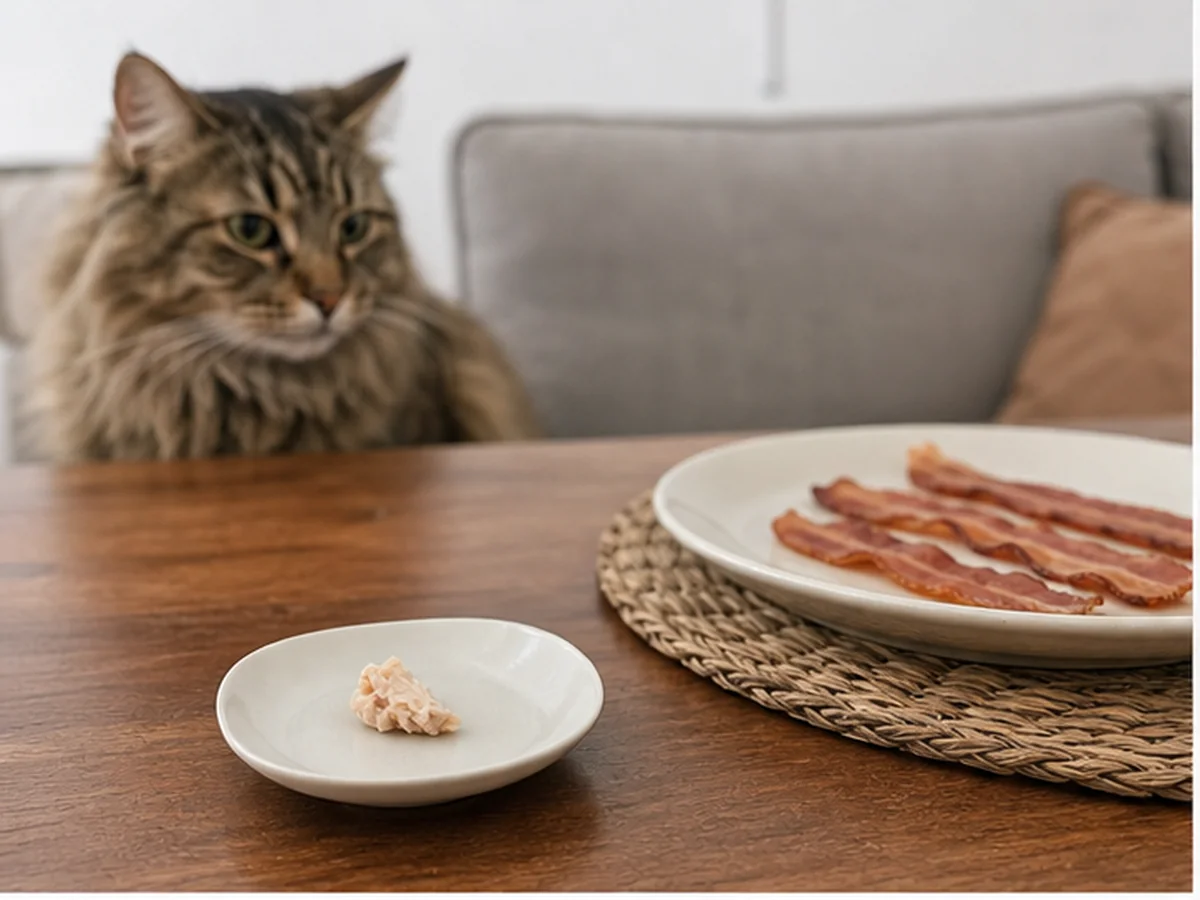
A healthy adult cat can usually handle a tiny crumb of plain, fully cooked bacon, but bacon should not become a routine treat. It is salty, fatty, calorie-dense, and often seasoned, and raw bacon adds foodborne-pathogen concerns without giving a cat anything a complete feline diet lacks.
The kitchen-counter verdict
If your cat stole one small cooked bacon crumb and is acting normal, remove the rest, make fresh water available, and observe. Call sooner when the amount was substantial, the bacon was raw or heavily seasoned, packaging was swallowed, or your cat has kidney, heart, gastrointestinal, or pancreatic disease.
Bacon smells like it was designed by a feline marketing department, so interest is unsurprising. The useful answer is still no routine servings, because ordinary cat treats are easier to portion and fit a feline diet better.
Why bacon is not simply cooked meat
Bacon is cured pork, usually made with salt and often sugar, nitrite, smoke flavor, or other ingredients. The USDA Food Safety and Inspection Service bacon overview explains that bacon may contain curing ingredients and still must be handled and cooked safely.
Those features make bacon different from a plain bite of lean cooked pork. A strip delivers more fat and sodium than a similarly sized piece of unseasoned meat, and crispness does not remove the salt.
Our published bacon guide for dogs uses the same product-first logic, but cat portions and medical risks need feline judgment. Do not scale down a dog serving by eye and call it precision.
Salt is a quantity and hydration problem
A crumb of bacon does not equal salt poisoning, and saying it does would create needless panic. Repeated servings, a pantry raid, concentrated drippings, salt-cured products, or limited access to water are more concerning scenarios.
The Merck Veterinary Manual review of salt toxicosis describes possible gastrointestinal and neurologic signs such as vomiting, weakness, poor coordination, tremors, and seizure-like activity. It also emphasizes that water access and the amount of sodium consumed shape risk.
Do not force a symptomatic cat to gulp water and do not try to correct suspected sodium imbalance at home. Treatment may require measured fluid correction and monitoring because changing sodium too quickly can also be dangerous.
Signs that deserve prompt help
- Repeated vomiting or diarrhea, especially when water will not stay down.
- Marked thirst, unusual urination, weakness, wobbliness, tremors, or seizures.
- A painful or tense abdomen, hunched posture, profound lethargy, or food refusal.
- Gagging, repeated swallowing, heavy drooling, or breathing difficulty after packaging or a hard piece.
- Pale gums, rapid breathing, weakness, or collapse in the days after onion- or garlic-seasoned food.
Seizures, collapse, open-mouth breathing, blue or very pale gums, and severe distress are emergencies. A cat that merely asks for a second breakfast is behaving normally, but a cat that suddenly hides and refuses dinner is telling you something useful.
Fat and calories add up quickly
Bacon fat packs many calories into a small bite, so a strip that looks modest to a person can be a serious dietary extra for a cat. Regular sharing can quietly undermine weight management even when every individual serving looks tiny.
A greasy meal can cause nausea, vomiting, diarrhea, abdominal discomfort, or appetite loss. Cats with obesity, diabetes, inflammatory bowel disease, previous pancreatitis, or a therapeutic diet have even less reason to participate in bacon brunch.
Pancreatitis in cats is complicated, and no honest source can promise that one fatty bite will cause it. The Merck Veterinary Manual pancreatitis review notes that cats may be nauseated and eat poorly even without active vomiting, which makes appetite change worth taking seriously.
Seasonings may matter more than the pork
Peppered, maple, brown-sugar, jalapeño, barbecue, garlic, and onion bacon all require a full ingredient check. Onion and garlic can damage feline red blood cells, while heavy salt, alcohol flavorings, chocolate coatings, and unknown sweeteners add different risks.
The FDA lists fatty foods, garlic, onions, and salt among edible pet hazards. That list does not mean one speck has the same risk as a large exposure, so save the label and report the best amount estimate you can.
Watch seasoning blends because onion or garlic may appear as powder rather than an obvious piece. A bacon-flavored snack can also contain little bacon and a long list of ingredients, so the front of the package is not the safety panel.
Our salt and pepper guide helps separate ordinary seasoning questions from concentrated salt exposures. Use its label checklist, then ask for cat-specific advice when the amount is meaningful or symptoms appear.
Raw bacon is not a raw diet shortcut
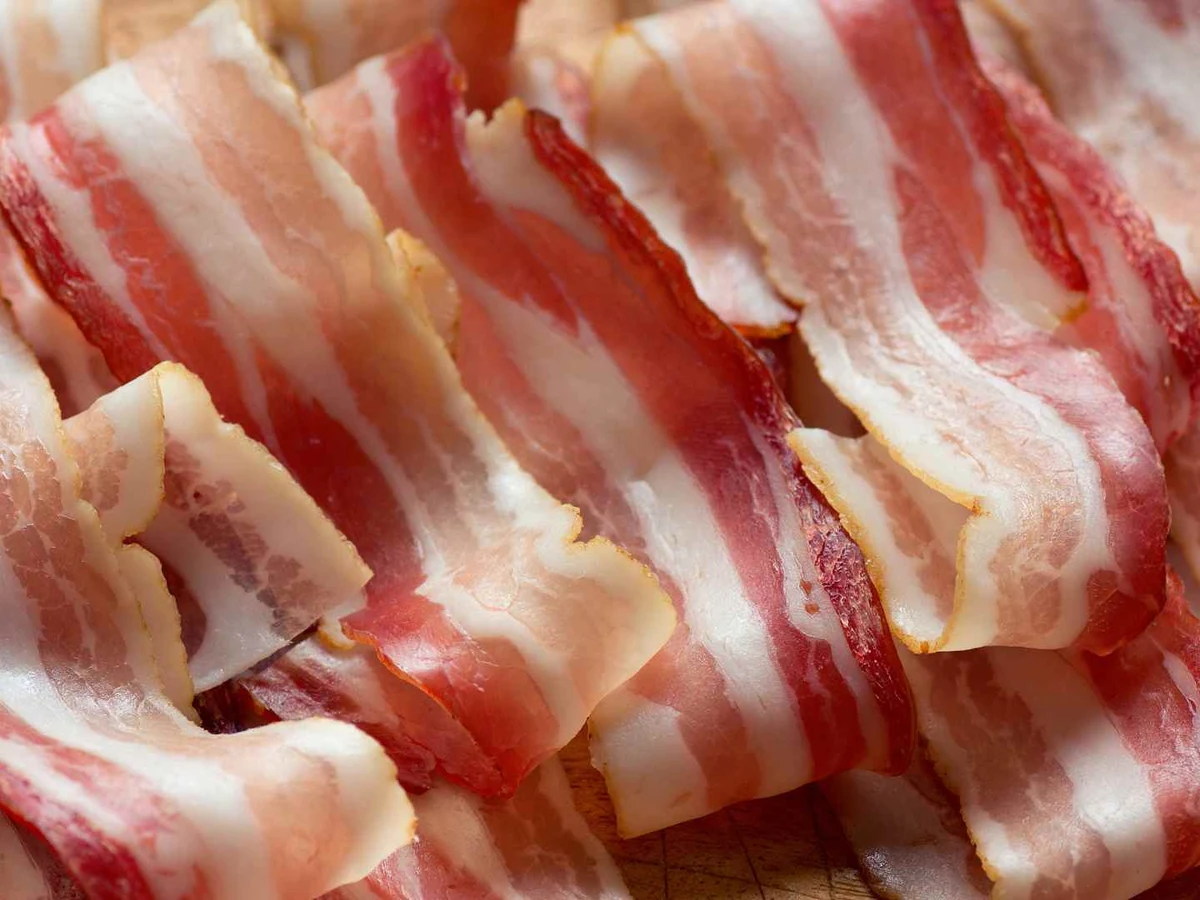
Raw bacon combines uncooked pork with salt, fat, and curing ingredients. Curing and smoking do not guarantee that a product is ready to eat, so follow the package cooking directions intended for people and do not serve it to cats.
Raw or undercooked pork can carry disease-causing organisms, and cross-contamination can spread them to hands, bowls, counters, and other food. The USDA recommends preventing raw juices from contacting ready-to-eat foods and cooking bacon before consumption.
A cat that ate raw bacon needs an amount and label assessment, particularly if the product was spoiled, left warm, or imported from a source with uncertain handling. Our raw bacon guide offers a practical food-safety inventory, but its dog conclusions are not a substitute for feline care.
What about bacon grease?
Bacon grease is concentrated fat carrying salt and seasoning from the pan. A lick from a cooled plate is usually less concerning than drinking drippings, but neither should become a coat-shine remedy, appetite stimulant, or calorie booster.
Hot grease can burn the mouth, skin, paws, and esophagus, while a spilled pan encourages a cat to ingest more during grooming. Keep the cat away, cool the area safely, and call a veterinarian for burns, coughing, breathing changes, or a sizable ingestion.
Do not pour grease over kibble to tempt a cat that has stopped eating. Appetite loss in cats can become medically important, and masking it with rich food can delay diagnosis while adding gastrointestinal trouble.
Turkey bacon, Canadian bacon, and bacon bits
Turkey bacon may be leaner than some pork bacon, but it can still be highly processed, salty, seasoned, and calorie-dense. Compare actual labels rather than assuming the bird on the package makes the product cat food.
Canadian bacon is generally leaner, yet it remains cured meat that may contain substantial sodium. Shelf-stable bacon bits can contain soy, smoke flavor, coloring, sugar, preservatives, onion, or garlic, so a sprinkle is not automatically simpler.
Our turkey bacon guide shows which parts of the nutrition and ingredient panels deserve attention. For cats with heart disease, kidney disease, hypertension, or a prescription diet, ask the treating veterinarian before offering any cured meat.
Bacon in breakfast and party foods
A bacon crumb from a plate is one ingredient, while a breakfast sandwich may include cheese, butter, onion, garlic sauce, avocado, raw egg residue, and a paper wrapper. Bacon-wrapped appetizers can hide toothpicks or skewers, which are urgent foreign-body hazards.
Quiche, soup, dip, pizza, loaded potatoes, and salad dressing may add dairy, alliums, alcohol, salty broth, or mold. Write down everything on the plate and check the floor for nonfood pieces before deciding what happened.
A cat that swallowed string, foil, plastic, a toothpick, or an absorbent meat pad should be discussed with a veterinarian promptly. Do not pull string from the mouth or anus because it may be anchored internally.
Cats that should skip bacon entirely
- Kittens, because they need their calorie budget for complete growth nutrition.
- Cats with kidney disease, heart disease, hypertension, or a sodium-restricted plan.
- Cats with pancreatitis, chronic gastrointestinal disease, obesity, or diabetes.
- Cats with food allergies or undergoing a veterinary elimination-diet trial.
- Any cat that is vomiting, not eating, dehydrated, or recovering from illness or surgery.
The Cornell Feline Health Center recommends a complete life-stage diet as the nutritional foundation. Bacon cannot supply that balance, and a cat with medical restrictions needs fewer surprises, not more creative brunch.
What to do if your cat ate bacon
- Remove the bacon, grease, raw package, scraps, and wrappers.
- Check breathing, swallowing, alertness, and gum color.
- Identify cooked or raw bacon, the amount, seasonings, and time.
- Save the label and check for onion, garlic, alcohol, sweeteners, and excessive salt.
- Confirm whether a pad, string, foil, plastic, toothpick, or skewer is missing.
- Call for a sizable amount, raw or spoiled product, unsafe seasoning, vulnerable cat, missing object, or any symptom.
Do not induce vomiting or give salt, hydrogen peroxide, milk, oil, or charcoal unless a veterinary professional directs you. Fresh water should remain available to an otherwise normal cat, but suspected salt toxicosis or neurologic signs need professional fluid guidance.
Better ways to share the moment
If your cat enjoys meaty treats, choose a small commercial cat treat with clear calories and feeding directions, or reserve a few pieces of regular kibble. For an occasional homemade taste, ask your veterinarian whether a tiny shred of plain, fully cooked, boneless lean meat fits your cat’s diet.
Feed treats away from the table so begging does not become the dinner soundtrack. Bacon can stay on the human plate, and your cat can receive something designed for a cat instead of a salty consolation prize.
Frequently asked questions
Can cats eat crispy bacon?
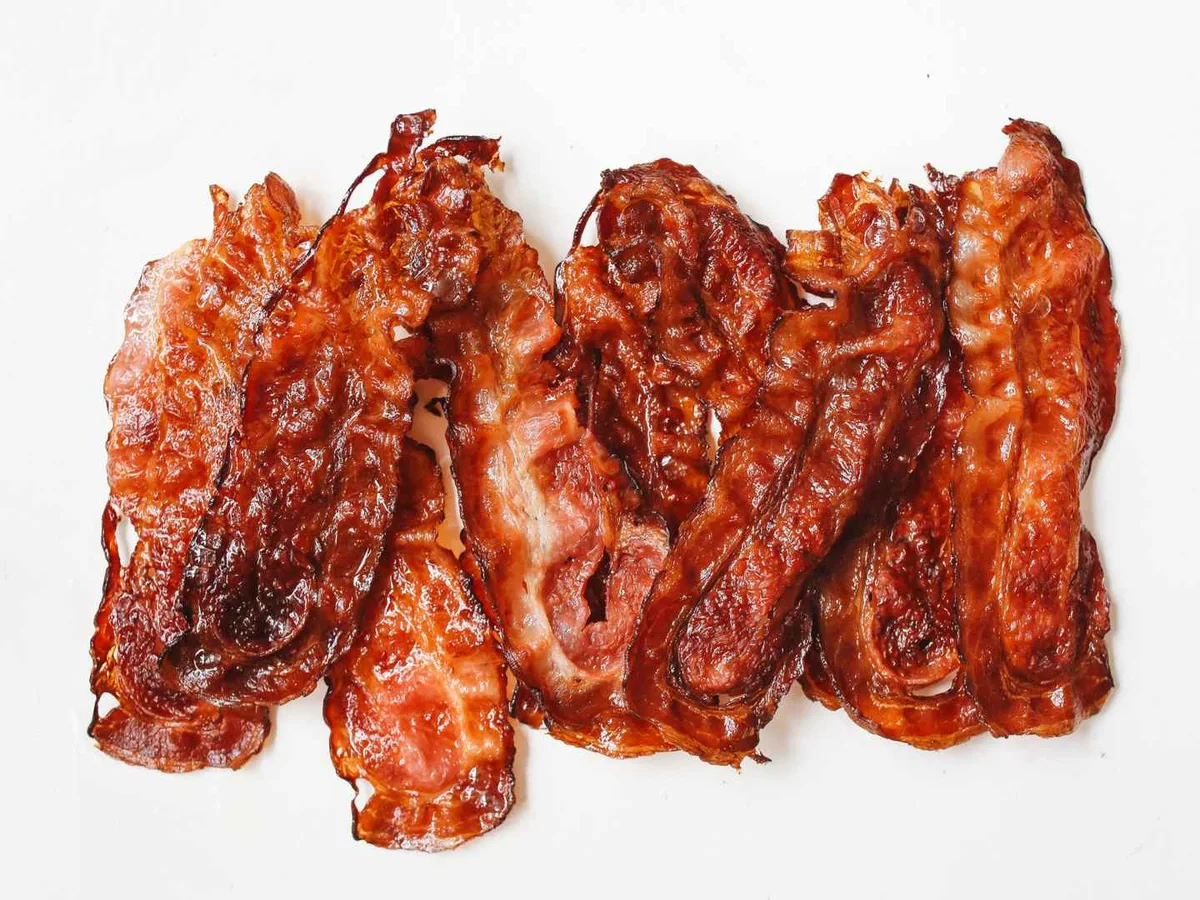
Crisping reduces moisture but does not remove the salt and fat that make bacon a poor routine treat. A tiny plain crumb is different from a strip, while burned or heavily seasoned pieces should be avoided.
Can cats eat uncured bacon?
Uncured on the label does not mean plain, low-sodium, low-fat, or safe to eat raw. Read the ingredients and cooking directions because the product may use celery-based curing ingredients and still need full cooking.
My cat ate one bacon bit. What now?
One small bit is unlikely to create a crisis in a healthy adult cat, but check what the bit contains and monitor. Call if it included onion or garlic, the amount is uncertain, your cat has a relevant medical condition, or symptoms appear.
Can I hide a pill in bacon?
Ask the prescribing clinic first because some medications should not be split or taken with fatty food, and repeated bacon adds sodium and calories. A veterinary pill treat or the food recommended by the clinic is easier to dose consistently.
The bottom line
One tiny crumb of plain cooked bacon is unlikely to harm most healthy adult cats, but routine bacon creates more dietary baggage than benefit. Keep portions microscopic and rare if your veterinarian approves, and call promptly for raw bacon, large amounts, heavy seasoning, grease, packaging, vulnerable cats, or symptoms.