Can Dogs Eat Bologna? Sodium, Fat, Spices, Storage, and Packaging
One tiny piece of ordinary refrigerated bologna is unlikely to poison a healthy dog, but it is salty, fatty processed meat rather than a useful protein treat. A stack of slices, garlic or onion seasoning, spoilage, medical restrictions, whole-slice choking, casing, clips, and packaging can change the response.
The quick decision guide
- One small piece of plain bologna: check the label, offer water, and watch for stomach upset if your dog is otherwise healthy.
- Several slices or an unknown amount: call your veterinarian, especially for a small dog or a dog with pancreatitis, heart disease, kidney disease, or a prescribed low-sodium diet.
- Garlic or onion in the ingredients: call promptly for a risk assessment rather than waiting for symptoms.
- A whole log, package, casing, clip, or absorbent pad is missing: contact a clinic now because the food and packaging create separate risks.
- Weakness, repeated vomiting, belly pain, tremors, collapse, pale gums, or trouble breathing: seek urgent veterinary care.
Save the wrapper and note the product name, ingredients, package weight, amount left, time of the theft, and your dog’s weight. A photo of the label is much more useful than describing the meat as spicy or Italian.

Why bologna is a poor dog treat
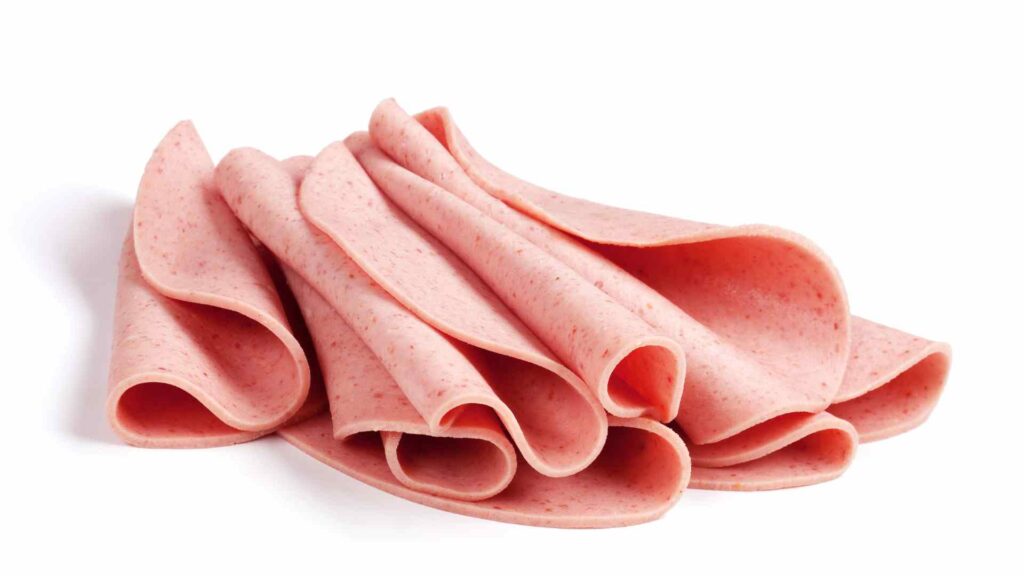
Bologna is a cured, calorie-dense meat designed for flavor and shelf life, not canine nutrition. Recipes vary wildly, so the risk depends on the actual label rather than the word bologna alone.
Even when the meat contains no immediately dangerous seasoning, it can deliver a lot of sodium and fat in a small portion. That makes it a bad routine reward and an especially poor choice for dogs whose veterinarian has prescribed a restricted diet.
A dog does not need deli meat to make a training session exciting. The World Small Animal Veterinary Association treat guide recommends keeping treats to no more than 10 percent of daily calories, with the remaining calories coming from a complete and balanced diet.
Bologna spends that small treat allowance quickly without supplying a meaningful advantage over simpler options. Pieces of the dog’s regular kibble, a veterinary diet used as treats, or tiny portions of an approved lean food are easier to budget.
Salt is about dose and the whole dog
Salt helps cure bologna, and sodium content varies by brand and style. One paper-thin piece is unlikely to cause salt poisoning in a typical healthy medium or large dog, but a package raid can be a much bigger sodium exposure.
The FDA’s household pet hazard guide includes salt, onions, garlic, and fatty foods among items that can harm pets. It also explains why food packaging can become an obstruction or suffocation hazard, so count the missing wrapper as part of the incident.
Do not try to flush salt out by forcing water into your dog’s mouth. Keep fresh water available unless a veterinarian gives different instructions, and seek help for marked thirst, repeated vomiting, wobbliness, tremors, seizures, or unusual dullness.
Dogs with heart, kidney, or blood-pressure problems may have individual sodium limits that are much stricter than a general article can provide. If your dog eats a prescription diet, call the prescribing clinic before deciding the amount was trivial.
Fat can turn a snack into a painful problem
Many bolognas are visibly marbled with fat, and a greasy theft can cause vomiting or diarrhea even without poisoning. A large fatty meal may also contribute to pancreatitis in susceptible dogs.
The Merck Veterinary Manual overview of pancreatitis notes that dietary indiscretion can be associated with the disease and describes vomiting, weakness, abdominal pain, dehydration, and diarrhea among possible signs. Those signs deserve veterinary attention, particularly after a large theft or in a dog with a previous episode.
A dog with belly pain may hunch, pace, refuse food, guard the abdomen, or stretch with the front end down and rear end raised. Do not press hard on the belly to test for pain or give human pain medicine.
Comparing bologna with ham or hot dogs does not create a safe winner. All three are processed meats whose fat, sodium, serving size, and seasonings need label-specific scrutiny.

Garlic and onion change the call
Bologna recipes may include garlic, garlic powder, onion powder, or seasoning blends that do not reveal every component on the front label. These Allium ingredients can damage canine red blood cells, and concentrated powders deserve particular respect.
The Merck Veterinary Manual Allium toxicosis review explains that raw, cooked, and concentrated forms can be hazardous and that anemia can take several days to appear. A dog looking normal tonight does not rule out a meaningful garlic or onion exposure.
Possible signs include vomiting, weakness, pale gums, faster breathing, faster heart rate, dark or reddish urine, and collapse. Call before signs appear when a package containing garlic or onion is substantially missing, because the useful next step depends on dose and timing.
Our guides to garlic powder and onions explain why household guesses based on flavor intensity are unreliable. Never use how strongly the bologna smells as a substitute for the ingredient list and package weight.
Pepper and spices are not all equivalent
Whole peppercorns, chile, paprika, fennel, mustard, smoke flavor, wine, and mixed spices may appear in specialty bologna. Many cause only irritation or stomach upset in small food amounts, but the phrase spices does not tell you whether garlic or onion is present.
Very spicy meat can trigger drooling, lip licking, vomiting, or diarrhea, while rich additions such as cheese raise the fat load. Products flavored with alcohol should be assessed by a veterinarian if the amount was more than a tiny taste or the alcohol content is uncertain.
Do not assume a natural, uncured, nitrate-free, turkey, or artisan label makes a product dog-friendly. Those descriptions do not guarantee low sodium, low fat, or freedom from Allium seasonings.
Nitrite and nitrate deserve accuracy, not panic
Cured bologna may contain sodium nitrite, and some products use nitrate sources under uncured-style labeling. These additives help create cured color and flavor and control dangerous bacterial growth under regulated food-production conditions.
The USDA meat-additives guide explains that sodium nitrite is used in cured products including bologna and helps control Clostridium botulinum. Its presence is not a reason to claim that one bite acutely poisons a dog.
The practical case after a bologna raid is usually driven by total portion, sodium, fat, seasonings, packaging, and the patient’s health. Do not ignore those immediate factors while making broad long-term claims about cured meat.
Bologna still should not be a routine reward because it is processed, calorie dense, and often salty. That recommendation does not require exaggerated statements about a single nitrite-containing slice.
Casing, string, clips, and plastic matter
Some bologna casings are edible, while others are fibrous or synthetic and intended to be peeled away. A swallowed casing can wad together, and metal clips, netting, string, plastic film, absorbent pads, or oxygen packets add injury and obstruction concerns.
Look at an identical package or the remaining end to identify what is missing, but do not pull string from the mouth or rectum. Linear material can be anchored internally, and pulling it may damage the digestive tract.
Warning signs of obstruction include repeated vomiting, inability to keep water down, a painful or swollen belly, refusal to eat, repeated unproductive retching, lethargy, or straining with little stool. A clinic may recommend examination or imaging even before those signs appear if a substantial nonfood item disappeared.
Deli storage and contamination matter
Ready-to-eat luncheon meat stays perishable after purchase and can be contaminated during slicing or handling. Keep it refrigerated, use clean utensils, and follow the product’s opened-package instructions.
The USDA luncheon-meat safety guide notes that Listeria monocytogenes can occur in ready-to-eat luncheon meats and cold cuts. Spoilage or pathogen exposure is a household concern even when the dog has no immediate sign.
Discard bologna that is slimy, sour-smelling, moldy, leaking, swollen, or stored unsafely. Do not rinse old slices and feed them to avoid waste.
Wash hands after handling spoiled meat and clean contaminated shelves, boards, knives, and bowls. Call for repeated vomiting, severe diarrhea, fever, weakness, blood, or inability to keep water down.
What to do after a bologna theft
- Move the remaining food and packaging out of reach, then separate pets so you can estimate which dog ate what.
- Find the exact product, ingredient panel, nutrition facts, net weight, and any missing casing or hardware.
- Record your dog’s weight, health conditions, current medications, approximate amount, and earliest possible time of exposure.
- Call your veterinarian or an animal poison-control service when the amount is large or unknown, the label lists garlic or onion, packaging is missing, or the dog has relevant medical history.
- Follow the professional monitoring or treatment plan, including any delayed bloodwork recommended for an Allium exposure.
Do not induce vomiting with hydrogen peroxide, salt, oil, mustard, or fingers unless a veterinarian specifically directs you for this dog and this incident. The right choice changes with timing, symptoms, aspiration risk, and whether sharp or obstructive packaging was swallowed.
How long should you watch?
Simple stomach upset from rich food may appear within hours, while pancreatitis can evolve after the snack and Allium-related anemia may be delayed for days. Ask the clinician for a monitoring window tied to the actual ingredients rather than choosing one generic deadline.
Write down appetite, water intake, vomiting, stool, energy, gum color, breathing, and urination if home monitoring is advised. A short video can help a clinic assess trembling, abnormal walking, or breathing changes, but do not delay care to make one.
Better rewards than bologna
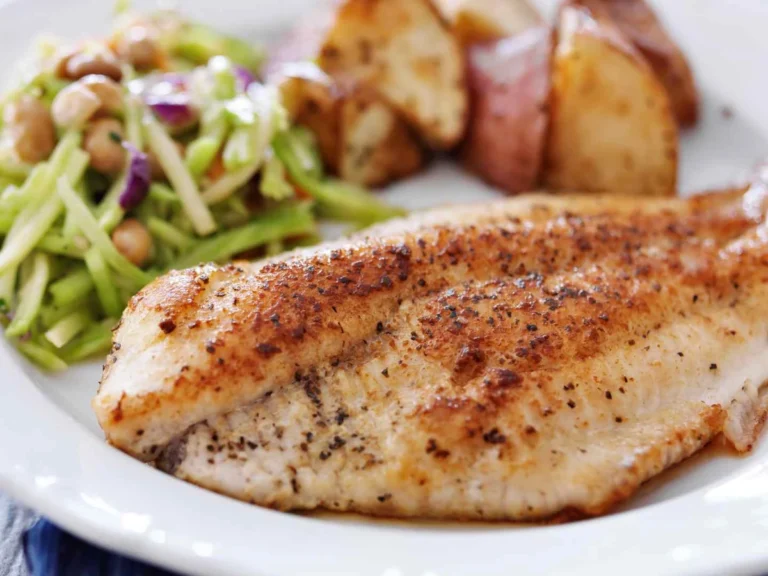
For most dogs, the easiest reward is a few pieces taken from the measured daily kibble. If you want a higher-value option, ask your veterinarian about tiny pieces of plain, fully cooked lean meat with no skin, bones, salt, sauce, garlic, or onion.
Dogs with food allergies, pancreatitis, kidney disease, heart disease, urinary disease, or weight-management plans need options that fit their prescribed diet. A delicious reward can be play, sniffing time, praise, or access to a favorite toy, so food does not have to do every job.
Frequently asked questions
Can a dog eat one slice of bologna?
A single thin slice is often unlikely to cause serious illness in a healthy medium or large dog, but size, ingredients, and medical history matter. Check for garlic and onion, avoid offering more, and call if the dog is tiny, medically restricted, or showing signs.
Is turkey bologna safer?
Turkey changes the meat source, not the basic questions about sodium, fat, seasonings, calories, and packaging. Read the actual label and treat it as processed meat rather than a lean turkey treat.
Can I hide medicine in bologna?
Ask the prescribing veterinarian for a compatible food or pill product, especially if the medicine must be given without food or the dog has dietary restrictions. Bologna’s salt, fat, and seasonings make it an unnecessarily complicated default.
Bottom line
Bologna is not a useful routine treat, but one tiny plain piece is not automatically an emergency. A large or uncertain amount, garlic or onion, relevant disease, serious symptoms, or missing packaging deserves prompt professional guidance.