Can Dogs Eat Zucchini? Raw, Cooked, and Portion Basics
Yes, dogs can eat plain zucchini in small amounts. Raw or cooked is acceptable for many healthy adult dogs, but the pieces must be easy to chew, and butter, oil, salt, garlic, onion, breading, and sweeteners change the answer.
Zucchini is an optional low-calorie treat, not a required supplement. Start with one tiny piece, especially for a small dog or a stomach that dislikes surprises.
Why plain zucchini is generally dog-safe
Zucchini is a summer squash in the Cucurbitaceae family, and the common cultivated vegetable is not classed as poisonous to dogs. The ASPCA lists zucchini squash as non-toxic to dogs, as well as to cats and horses.
“Non-toxic” does not mean a dog can swallow an entire squash without consequences. Any unfamiliar food can cause gas, vomiting, or diarrhea in a large enough amount, and oversized pieces create physical hazards unrelated to plant toxicity.
- Plain flesh and skin: Generally acceptable after washing and cutting into manageable pieces.
- Cooked zucchini: Often easier to chew, provided it is cooled and free of seasoning or added fat.
- Large raw chunks: A choking concern, especially for small dogs, gulpers, and dogs with dental trouble.
- Prepared dishes: Require a full ingredient check because the recipe may be more dangerous than the squash.
What zucchini can and cannot do for a dog
Zucchini contains water, fiber, vitamins, and minerals, but a complete and balanced dog food already supplies the nutrients a healthy dog needs. A vegetable can be a pleasant low-calorie reward without being promoted as a cure, cleanse, immune booster, or shortcut to weight loss.
If your dog needs to lose weight, ask the veterinary team for a calorie target and feeding plan. Replacing random portions of balanced food with zucchini can dilute essential nutrients, while handing out unlimited “healthy” snacks can still disrupt the plan.
Fiber also behaves differently across foods and dogs. Zucchini may add bulk, but it is not a treatment for constipation, diarrhea, anal-gland disease, or chronic gastrointestinal symptoms.
Raw versus cooked zucchini
Raw zucchini
Raw zucchini is safe for many dogs when washed and diced finely. Its crisp texture may suit a careful chewer, but a long coin, thick chunk, or entire small zucchini can slide into the mouth faster than the dog intends.
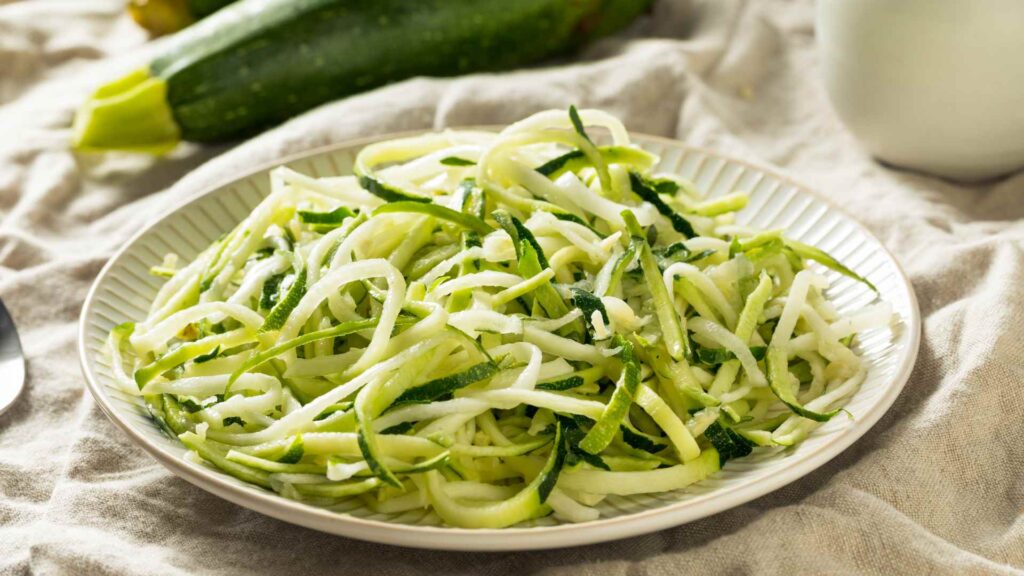
Cut pieces smaller than the dog’s normal treats and supervise the first serving. Grating can work for a topper, although a topper still counts as extra food rather than nutritional confetti.
Cooked zucchini
Steaming, boiling, microwaving, or baking plain zucchini softens it for dogs with modest chewing difficulty. The PetMD guide reviewed by a veterinarian permits plain raw or cooked zucchini and recommends washing, removing the stem, and cutting bite-sized pieces.
Cool cooked pieces before serving, since dogs can burn their mouths on food that feels merely warm through a bowl. Do not cook in broth unless every ingredient is dog-safe and the sodium fits the dog’s medical plan.
Skin, seeds, flowers, and stem
The thin skin and soft seeds of a normal young zucchini can be served after washing, but the tough stem should be removed. Flowers are not classed as toxic, yet fried or stuffed blossoms come with batter, oil, cheese, garlic, and other ingredients that deserve their own assessment.
An unusually old, woody, bitter, moldy, or spoiled squash belongs in secure waste, not a dog bowl. If zucchini tastes intensely bitter, discard it and do not encourage anyone or any pet to keep eating.
Secure the compost and garden trimmings too, since spoiled food, skewers, corn cobs, and mixed scraps can turn an innocent zucchini raid into a very different emergency.
A practical preparation method
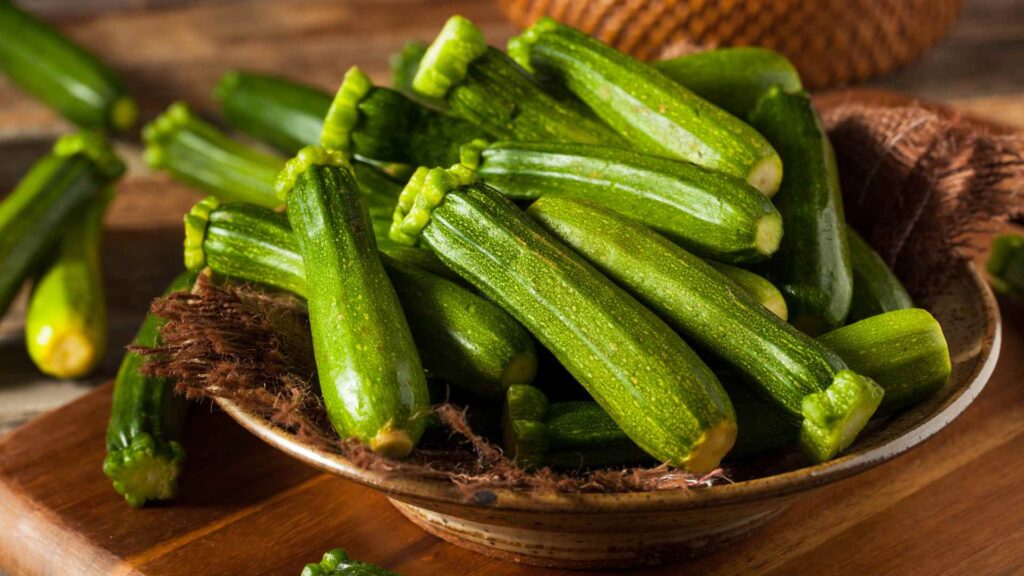
- Inspect it. Use firm fresh zucchini without mold, slime, or extreme bitterness.
- Wash thoroughly. Rinse the surface under running water and remove visible soil.
- Trim the stem. Keep the tender skin unless your veterinarian has a reason to remove it.
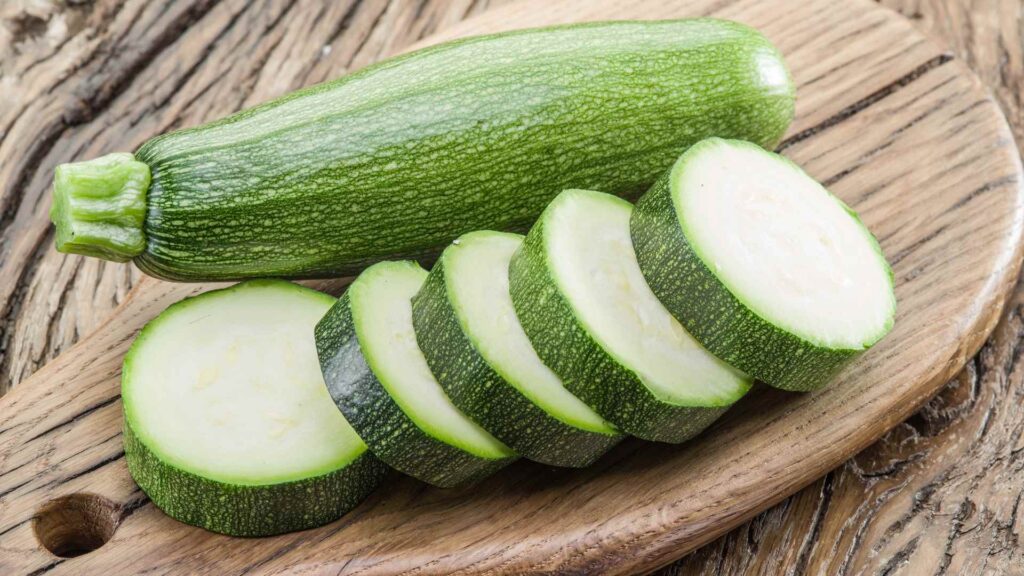
- Cut for the dog. Use tiny cubes, thin shreds, or a soft mash rather than rounds that invite gulping.
- Serve plain and cool. Offer one small test piece without sauce, dip, or seasoning.
Supervision matters even with a soft vegetable. Dogs with missing teeth, swallowing disorders, laryngeal problems, or a history of inhaling food need texture advice from their veterinary team.
How much zucchini can a dog have?
There is no universal serving size that fits every zucchini and every dog. Start with one tiny piece for a healthy adult, then wait until the next day before offering more so gas, loose stool, itching, or vomiting is easy to connect.
If the first taste goes well, a few small pieces can be an occasional reward. There is no need to increase the serving until zucchini becomes a visible share of the meal.
The World Small Animal Veterinary Association recommends limiting all treats to no more than 10% of daily calories. Dogs on prescription diets, elimination trials, or tightly controlled weight plans may need approved treats only.
Dogs that need a more cautious answer
- Puppies whose complete growth diet should remain the priority
- Dogs with current vomiting, diarrhea, or unexplained abdominal pain
- Dogs with chronic digestive disease or a history of food reactions
- Dogs with a swallowing disorder or previous gastrointestinal obstruction
- Dogs following a therapeutic diet or veterinary food trial
Zucchini dishes dogs should skip
Fried zucchini and fritters
Breading, salt, cheese, and frying oil turn a light vegetable into a rich snack that can cause stomach upset. Fatty food is especially inappropriate for a dog with pancreatitis or a prescribed low-fat diet.
Zucchini bread and muffins
The squash in a baked good does not neutralize sugar, butter, oil, chocolate chips, raisins, nuts, spices, or sweeteners. Sugar-free baking raises a specific xylitol concern, while foil liners and plastic packaging can create a second emergency.
Casseroles, ratatouille, pasta, and grilled sides
These dishes commonly contain onion, garlic, salt, oil, cheese, sausage, or sauces. The FDA identifies garlic, onion, salt, fatty foods, and xylitol among household food hazards for pets.
Read our specific guides to garlic and onions, but call about a mixed dish rather than trying to calculate safety one ingredient at a time. Powders, stocks, seasoning packets, and sauces count even when no chopped onion is visible.
What if your dog ate a lot of zucchini?
One stolen plain cube is usually a monitoring event, while a whole raw zucchini, a pan of bread, or a seasoned casserole deserves more investigation. Gather facts before the details disappear into the trash.
- Identify the form and amount. Note raw versus cooked, piece size, recipe, package size, and time.
- Check every ingredient. Look for onion, garlic, xylitol, chocolate, raisins, macadamia nuts, alcohol, salt, and large amounts of fat.
- Account for nonfood items. Missing foil, skewers, wrappers, silicone mats, or utensils matter.
- Call when risk is unclear. A veterinarian or animal poison control service can assess the dog’s weight, health, product, and exposure.
- Monitor as instructed. Watch appetite, energy, vomiting, stool, belly comfort, and normal drinking.
Do not induce vomiting or give human antidiarrheal drugs, oil, laxatives, or hydrogen peroxide unless a veterinary professional directs you. Home remedies can delay the right treatment or create a new problem.
Choking and obstruction warning signs
Gagging, frantic pawing at the mouth, blue or gray gums, collapse, or difficulty breathing is an immediate emergency. Repeated vomiting, appetite loss, lethargy, and abdominal pain can occur with gastrointestinal obstruction, as described by the Merck Veterinary Manual.
Do not wait for a swallowed oversized piece to pass if the dog is becoming ill. A physical blockage is not solved by adding fiber or feeding another meal.
Other simple vegetable treats
If zucchini earns a polite sniff and nothing more, try a tiny piece of cucumber or carrot. Plain green beans and bell peppers can also be appropriate after their specific preparation rules are followed.
Introduce one food at a time and keep the portion tiny. The point is to find a safe reward your dog enjoys, not to build a salad bar next to a nutritionally complete dinner.
Frequently asked questions
Can puppies eat zucchini?
A weaned puppy may tolerate a tiny soft piece, but ask the veterinarian before adding people food. Puppy diets are formulated for growth, and treats should not displace them.
Can dogs eat zucchini noodles?
Plain zucchini spirals are still zucchini, but cut long strands into short pieces to reduce gulping risk. Skip noodles tossed with pesto, garlic, onion, butter, salt, or rich sauce.
Can dogs eat frozen zucchini?
Thaw or cook it, then cut it small rather than offering a hard frozen chunk. Check frozen blends for onion, sauce, seasoning, and other vegetables.
Can zucchini help a dog lose weight?
It can replace a more calorie-dense treat within a veterinary weight plan, but it does not cause weight loss by itself. Accurate calories, measured meals, health screening, and a realistic activity plan matter more.
The bottom line
Plain washed zucchini can be a crisp or tender occasional treat for a healthy dog when it is cut small and served without extras. Keep portions modest, reject rich recipes and oversized pieces, and call promptly for toxic ingredients, swallowed packaging, breathing trouble, repeated vomiting, or abdominal pain.