Can Cats Eat Guacamole? Onion, Garlic, Avocado, and Hidden Risks
Guacamole is not a cat-safe dip. Learn how onion, garlic, avocado fat, pits, peel, lime, chiles, salt, recipe variability, and packaging affect urgency.
Dog and cat safety guides for fruits, vegetables, peels, pits, seeds, rinds, juices, plant parts, and prepared produce products.

Guacamole is not a cat-safe dip. Learn how onion, garlic, avocado fat, pits, peel, lime, chiles, salt, recipe variability, and packaging affect urgency.

Cats should not eat jalapeños. A trace is not usually poison, but capsaicin can irritate the mouth, eyes, airways, and gut. Learn about pickles and sauces.

A small fresh dill nibble is usually low risk, but cats do not need the herb. Learn about dried dill, pickles, brine, oils, garden products, and symptoms.

Can cats eat kiwi? Learn about a tiny peeled flesh taste, plus fuzzy skin, hard ends, choking, acidity, dried slices, smoothies, plants, and medical diets.

Can cats eat dried cranberries? Learn what a stolen piece means, which label ingredients change the risk, and why they are not a home remedy for urinary signs.

Can cats drink orange juice? Learn why a lick is usually low risk, how acidity and citrus peel oils differ, and when mixed drinks or symptoms need a vet.

Can cats eat eggplant? Learn why a tiny ripe cooked taste differs from leaves, stems, unripe fruit, fried dishes, and allium-heavy recipes.
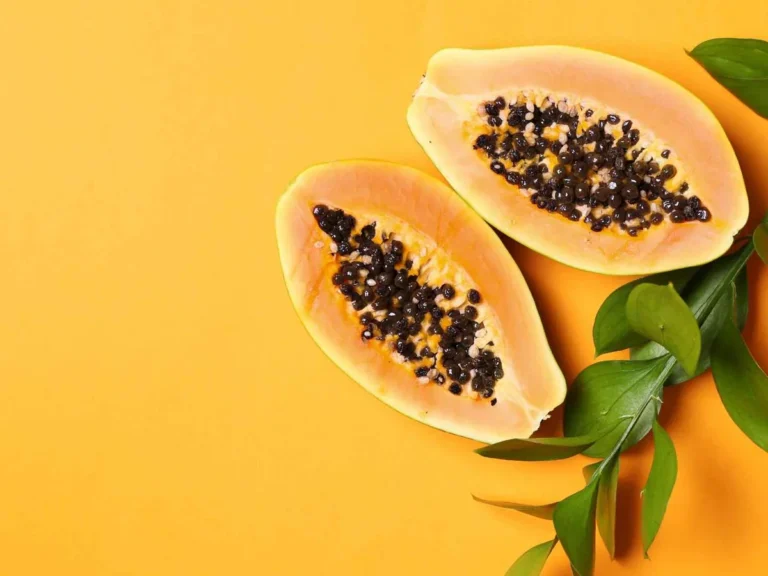
Can cats eat papaya? Learn about a tiny ripe flesh taste, plus seeds, skin, latex sap, choking, dried fruit, smoothies, supplements, spoilage, and diets.

Cats can tolerate a tiny piece of plain cooked okra, but they do not need it. Learn about raw pods, seeds, slime, frying, pickles, gumbo, gardens, and portions.

Can cats eat pears? Learn when ripe flesh is low risk, why cores and seeds matter, how choking and pear products change the response.