Can Cats Eat Okra? Plain Pods, Seeds, Slime, and Recipe Risks
A healthy adult cat can usually tolerate one tiny piece of plain, fully cooked okra, but it is not needed. Raw fibrous pods, round slices, seeds, sticky mucilage, frying, pickling brine, gumbo, onion, garlic, spice, hot pans, garden chemicals, stems, mold, packaging, and oversized portions require separate attention.
The plain preparation is short and specific
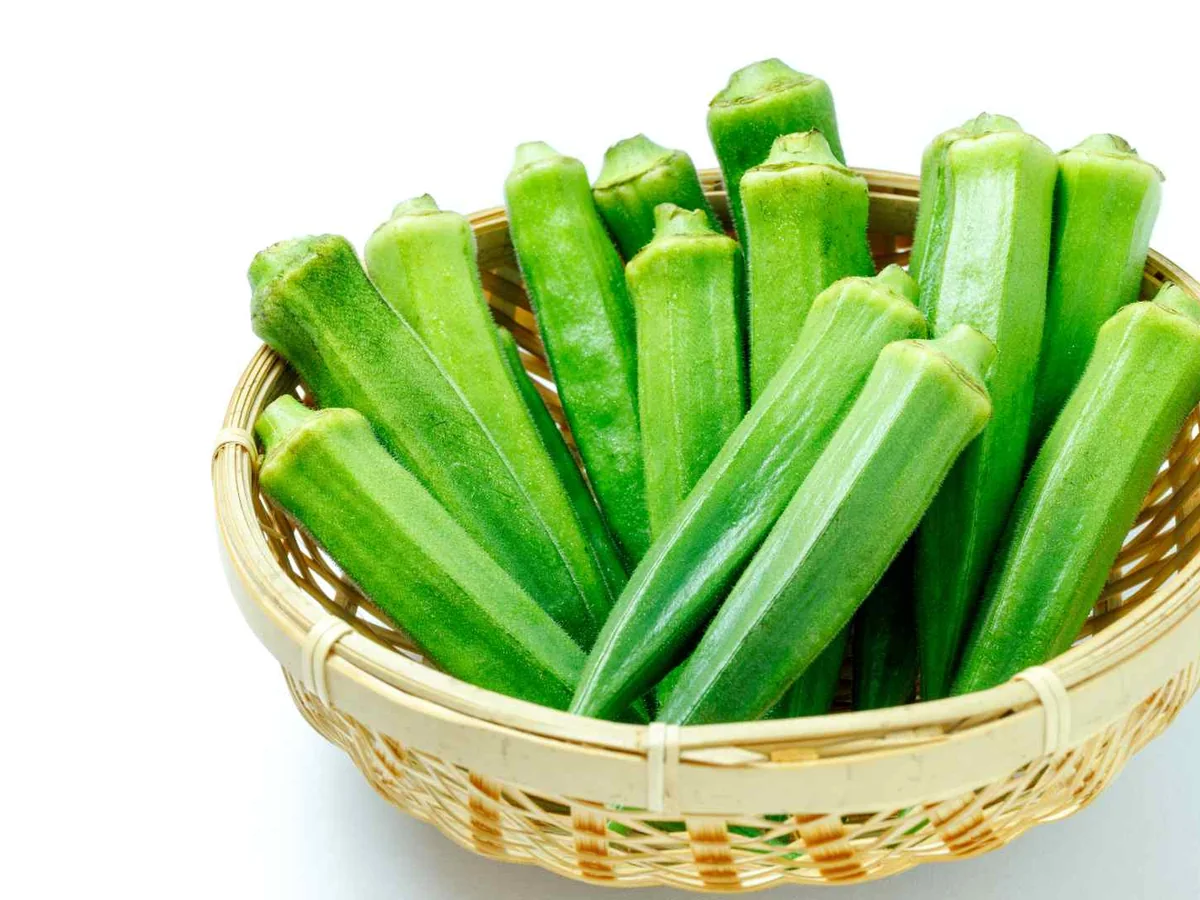
Wash a fresh pod, trim the cap and pointed tip, cook it in plain water or steam until soft, cool it, and cut a piece smaller than a pea. Serve without salt, oil, butter, broth, onion, garlic, pepper, sauce, breading, or dip.
Inspect the piece for a tough stem section or woody fibers. A cat that rejects the slippery texture has made a perfectly reasonable nutritional decision.
The cat bean guide provides a related vegetable-pod comparison, though okra is botanically and texturally distinct from common beans.
Why cats do not need okra’s human health halo
Okra supplies fiber, vitamins, minerals, and plant compounds in human diets. Those facts do not prove feline benefits for glucose, cholesterol, digestion, immunity, or weight.
The FDA explains nutritional adequacy claims on pet food. A vegetable pod cannot replace a balanced feline meal or correct a homemade diet.
Cats are obligate carnivores even though some can tolerate small cooked plant foods. Nutritional tolerance is not a reason to build the bowl around vegetables.
Raw pods are fibrous and awkward
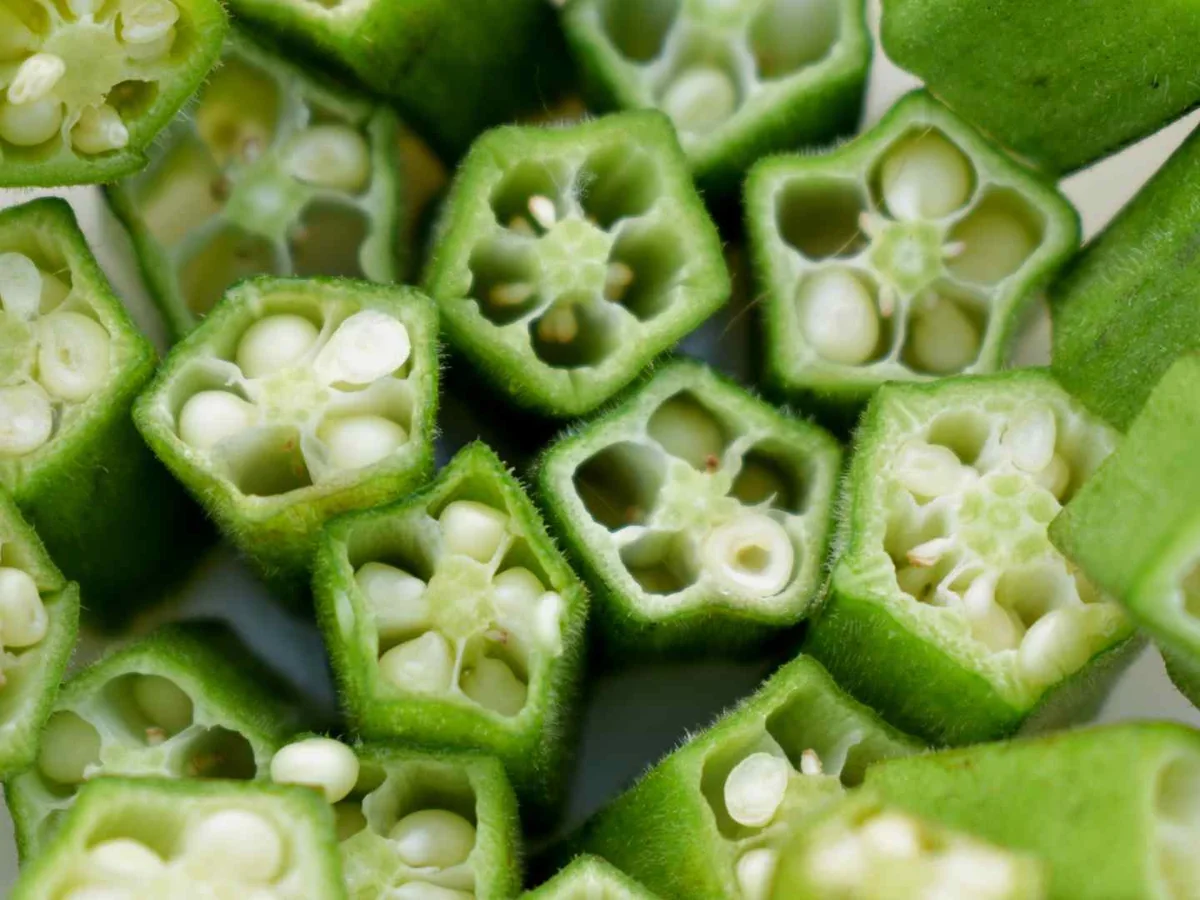
Raw okra can be crisp, stringy, and difficult for a cat to chew. Thick stem ends and whole pods can choke, scratch, or contribute to obstruction.
Gagging, repeated swallowing, drooling, regurgitation, vomiting, appetite loss, abdominal pain, or reduced stool after a large piece disappears warrants veterinary advice. Do not induce vomiting or force food.
Raw produce can also carry surface contamination from growing, transport, and handling. Cooking softens texture and reduces microbial risk without rescuing spoiled pods.
Seeds are small but not a supplement
Okra seeds are soft inside a fully cooked pod and do not require microscopic removal from one tiny piece. A pile of raw or dried seed is a different exposure and can be inhaled during play.
Do not grind okra seed into cat food for antioxidants, protein, or metabolic claims. Human supplements and laboratory findings do not establish a feline dose.
Save any seed powder label after access, especially when it contains herbs, caffeine, vitamins, or sweeteners. Coughing, eye pain, tremors, or repeated vomiting needs professional advice.
Mucilage changes texture, not toxicity
Cooked okra releases mucilage, the slippery soluble material people often call slime. It is not a toxin, but it can make a larger bite sticky and easy to gulp.
A dense stew spoonful can adhere around teeth or be swallowed as a mass. Offer no planned portion larger than a pea-sized soft fragment.
Do not use okra water or slime to treat hairballs, ulcers, constipation, or diabetes. A cat with recurring gastrointestinal signs needs diagnosis.
Fried okra is a different food
| Fried-okra feature | What it adds | Feline consequence |
|---|---|---|
| Breading | Flour, cornmeal, egg, seasoning | More ingredients and a dry crisp shape. |
| Frying oil | Fat and calories | Vomiting or diarrhea after excess. |
| Salt | Sodium on every surface | Medical diets and large raids need review. |
| Spice | Pepper, chili, onion, garlic | Irritation or Allium risk. |
| Dip | Dairy, mayonnaise, ranch, hot sauce | Complete recipe assessment. |
| Basket liner | Paper, foil, toothpicks | Foreign-object concern. |
A tiny dropped crumb may cause no illness, but fried okra is not a cat treat. Removing breading does not remove absorbed fat and seasoning.
Persistent vomiting, abdominal pain, food refusal, or marked lethargy after a greasy raid needs a veterinary call. Do not claim every oily bite guarantees pancreatitis.
Pickled okra adds brine and Alliums
Pickled pods can contain salt, vinegar, garlic, onion, dill, chili, sugar, preservatives, and a firm whole shape. The jar liquid should never be offered as broth.
The cat pickle guide covers sodium, Alliums, fermentation, sweeteners, jars, and lids. Okra’s fibrous pod adds its own swallowing concern.
One brine lick may cause only thirst or stomach upset, while a meaningful amount or neurologic signs need advice. Offer normal water access without forcing it.
Gumbo is not an okra serving
Gumbo can contain onion, garlic, celery, pepper, roux, stock, sausage, chicken, seafood, salt, hot spice, bones, and shells. The okra may be the least concerning ingredient.
Onion and garlic can damage feline red blood cells after cooking. The Merck Veterinary Manual identifies cats as especially susceptible and notes delayed anemia.
Weakness, pale or yellow gums, rapid breathing, dark urine, or collapse can appear after a cat initially seems normal. Call about known Alliums and save the recipe.
Soups, curries, and tomato dishes
Okra stew and curry may add coconut milk, tomato, chili, oil, onion, garlic, stock, and spice blends. Canned recipes can be high in sodium.
Rinsing a finished pod does not make it plain, because sauce penetrates cut surfaces and mucilage. Set aside any approved piece before seasoning begins.
The cat rice guide helps when okra curry arrives with seasoned grain, but every sauce ingredient still needs review.
Gardens, stems, and compost
Okra plants include woody stems, leaves, flowers, roots, and mature pods, plus fertilizer, pesticide, ties, stakes, and netting. Plant trimmings are not feline enrichment.
Stop grooming after contact with a wet garden treatment and preserve its package. Adding vinegar, detergent, solvent, or another home chemical can worsen the exposure.
Compost adds mold, coffee grounds, Alliums, bones, string, and fermented food. Report everything accessible rather than only the visible pod.
Produce washing and storage
The FDA recommends washing produce under running water without soap, using clean tools, and refrigerating cut produce promptly.
Discard slimy, moldy, fermented, leaking, or badly damaged pods. Do not trim around spoilage to create a pet serving.
Store fresh okra in the refrigerator according to supplier directions and frozen okra at a stable freezing temperature. Seasoned frozen mixes need a full ingredient check.
Caps, bags, cans, and kitchen tools
Produce bags, rubber bands, twist ties, can lids, frozen-bag strips, knives, and fryer baskets create hazards unrelated to the vegetable. Count them after a kitchen raid.
Repeated vomiting, abdominal pain, appetite loss, reduced stool, or lethargy after packaging disappears needs assessment. Leave visible string or bag material untouched if it may be anchored.
Cats who should skip okra
Kittens need complete growth food, while cats with diabetes, obesity, chronic digestive disease, constipation, swallowing trouble, or prescription diets have little reason for a vegetable experiment.
A formal elimination diet requires strict ingredients. Gumbo, curry, breading, and flavored frozen mixes can introduce several proteins and seasonings.
Frozen, canned, and dried okra are not interchangeable
Plain frozen okra can be cooked until soft, but many bags contain seasoning, sauce, corn, pepper, or mixed vegetables. Ice-coated round slices remain hard enough to gulp and should not be offered frozen.
Canned okra may sit in saltwater, tomato sauce, vinegar, or a seasoned vegetable mix. Rinsing can lower surface residue but cannot prove a product free of Alliums or make a high-sodium recipe suitable for a medical diet.
Dried okra chips are concentrated, crisp, and sometimes fried or seasoned. Their sharp edges and low moisture make them less sensible than one cooled, soft fragment.
The pod’s size matters more than its calorie count
A whole baby okra may look dainty to a person yet still be long enough to lodge or trigger gagging in a cat. Rings can also be swallowed without chewing when they are slick with stew.
Cutting a soft pod lengthwise exposes woody fibers and makes inspection easier, then cut the final sample crosswise into a pea-sized piece. Remove the cap even when it softened during cooking.
Cats with dental disease, prior obstruction, pica, rapid gulping, or swallowing difficulty should skip the experiment. A vegetable is never worth testing a known mechanical vulnerability.
Diabetes and weight claims need restraint
Human okra discussions often focus on blood sugar, cholesterol, or fullness, but a food’s fiber content does not make it a feline treatment. Cats with diabetes need consistent meals, insulin coordination, and monitoring directed by their veterinarian.
For weight loss, replacing measured complete food with vegetables can dilute required nutrients and make intake records unreliable. A veterinary calorie target and appropriate complete diet are safer tools.
When one bite can simply be watched
A healthy adult cat that swallowed one soft, unseasoned pea-sized piece and remains comfortable will often need no intervention beyond ordinary observation. Confirm that no cap, sauce, hot liquid, packaging, or garden chemical was involved.
Watch normal eating, drinking, movement, litter-box use, and comfort according to veterinary advice. New gagging, repeated vomiting, pain, weakness, breathing change, or appetite loss ends the low-concern scenario.
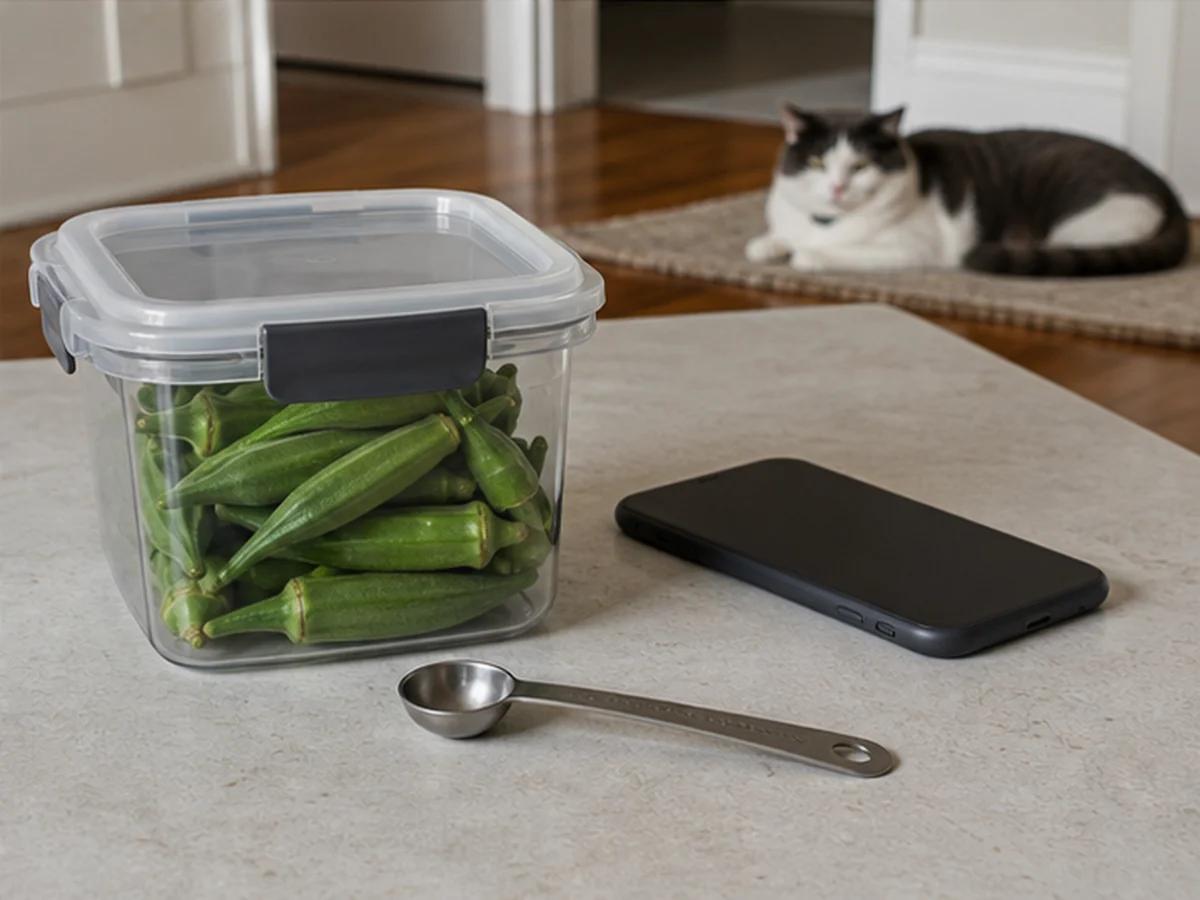
After an okra incident
- Identify the form: raw pod, plain cooked slice, fried piece, pickle, gumbo, curry, frozen mix, garden plant, or spoiled food.
- List companions: onion, garlic, salt, chili, fat, dairy, meat, seafood, bones, shells, and sauce.
- Measure and time: record the largest amount, heat, storage, cat weight, health conditions, and symptoms.
- Count objects: locate caps, bags, ties, lids, picks, foil, netting, and garden products.
- Call promptly: seek advice for Alliums, hard pieces, brine, chemical contact, spoilage, packaging, burns, or symptoms.
Frequently asked questions
Can kittens eat okra?
A growing kitten needs every small meal to support development, so complete growth food takes priority. Whole pods, hard stems, seeds, hot dishes, and packaging add avoidable risks.
Can cats eat okra seeds?
Seeds within one tiny fully cooked piece are generally soft, but they are not a supplement. Keep raw seed piles and powders away.
Can cats eat fried okra?
Do not offer it because oil, breading, salt, seasoning, dry texture, and dips make it unnecessarily rich and complicated.
Does okra help cat constipation?
Do not use it without veterinary diagnosis and a measured fiber plan. Straining, vomiting, pain, little urine, lethargy, or persistent constipation needs care.
Bottom line
A pea-sized plain cooked okra piece is generally low risk, but the pod’s starring roles in frying, pickling, gumbo, and curry are not feline-friendly. Keep texture soft, recipes empty, and the cat’s real nutrition in a complete food rather than vegetable folklore.