Can Cats Eat Turkey? Plain Meat, Skin, Bones, Gravy, and Deli Slices
Plain, fully cooked turkey can be a small cat treat. Learn which cuts are safest and why skin, bones, gravy, deli meat, and raw turkey need caution.
Evidence-led dog and cat food-safety guides for meat, poultry, seafood, eggs, nuts, beans, deli products, and raw or cooked preparation.

Plain, fully cooked turkey can be a small cat treat. Learn which cuts are safest and why skin, bones, gravy, deli meat, and raw turkey need caution.

Pistachios are not a useful cat treat. Learn what one nut means, why shells, salt, mold, seasonings, desserts, calories, and packaging change the risk.

One tiny plain ham shred is usually not an emergency, but sodium, fat, glazes, onion, garlic, bones, deli additives, storage, and packaging matter.

Cats can eat a tiny flake of plain cooked boneless salmon. Compare raw, canned, smoked, cured, seasoned, and spoiled forms plus safe portions.

Can cats eat beans? Plain fully cooked beans can be an occasional tiny taste, but raw kidney beans, canned sodium, sauces, and seasonings matter.

Raw eggs can expose cats and people to Salmonella, while batter adds other hazards. Learn what to do after a lick and how to serve cooked egg safely.

A tiny lick of plain almond butter is usually low risk, but fat, salt, sweeteners, chocolate, sticky texture, allergies, and jar parts all matter.

Can cats eat chicken? Learn how to cook and portion it safely, why bones and seasoning are risky, and when chicken belongs in a balanced feline diet.

Can cats eat bologna? Learn why sodium, fat, garlic, onion, smoke flavor, raw handling, sandwiches, casings, and packaging make this deli meat a poor treat.
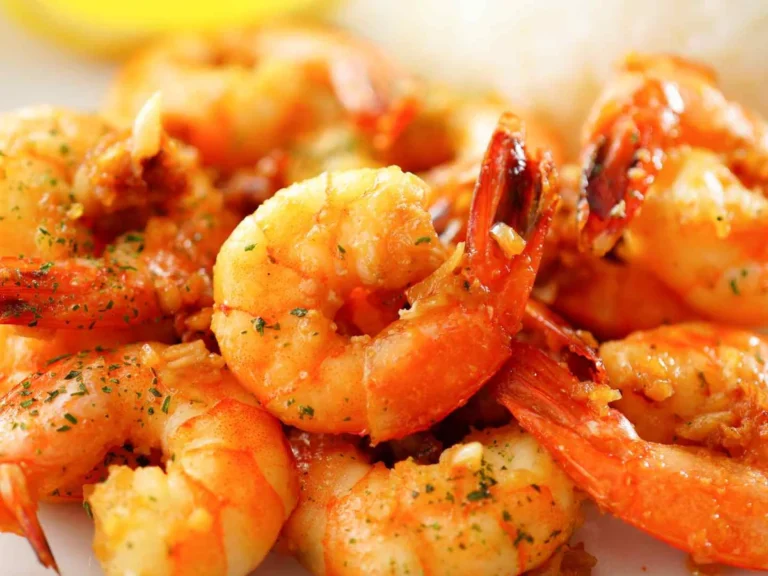
Cats can sample a tiny piece of plain fully cooked shrimp. Learn how to handle shells, tails, seasonings, skewers, allergies, storage, and raw seafood.