Halloween Candy and Dogs: Chocolate, Xylitol, Raisins, Wrappers, and More
Halloween is one long dog-proof-storage test. Chocolate and xylitol are the headline hazards, but raisins, caffeine, macadamias, wrappers, lollipop sticks, cannabis edibles, and entire candy bags can matter just as much after a raid.
My first Halloween rule is to save every wrapper
After a dog gets into Halloween candy, I do not start by counting generic “pieces.” I identify brands, chocolate type, package weights, sugar-free ingredients, fillings, wrappers, and the largest amount that could be missing.
One tiny milk-chocolate candy is a completely different exposure from several dark-chocolate bars or a bag of xylitol gum. The packaging usually contains the information the veterinary team needs most.

Chocolate risk depends heavily on the type
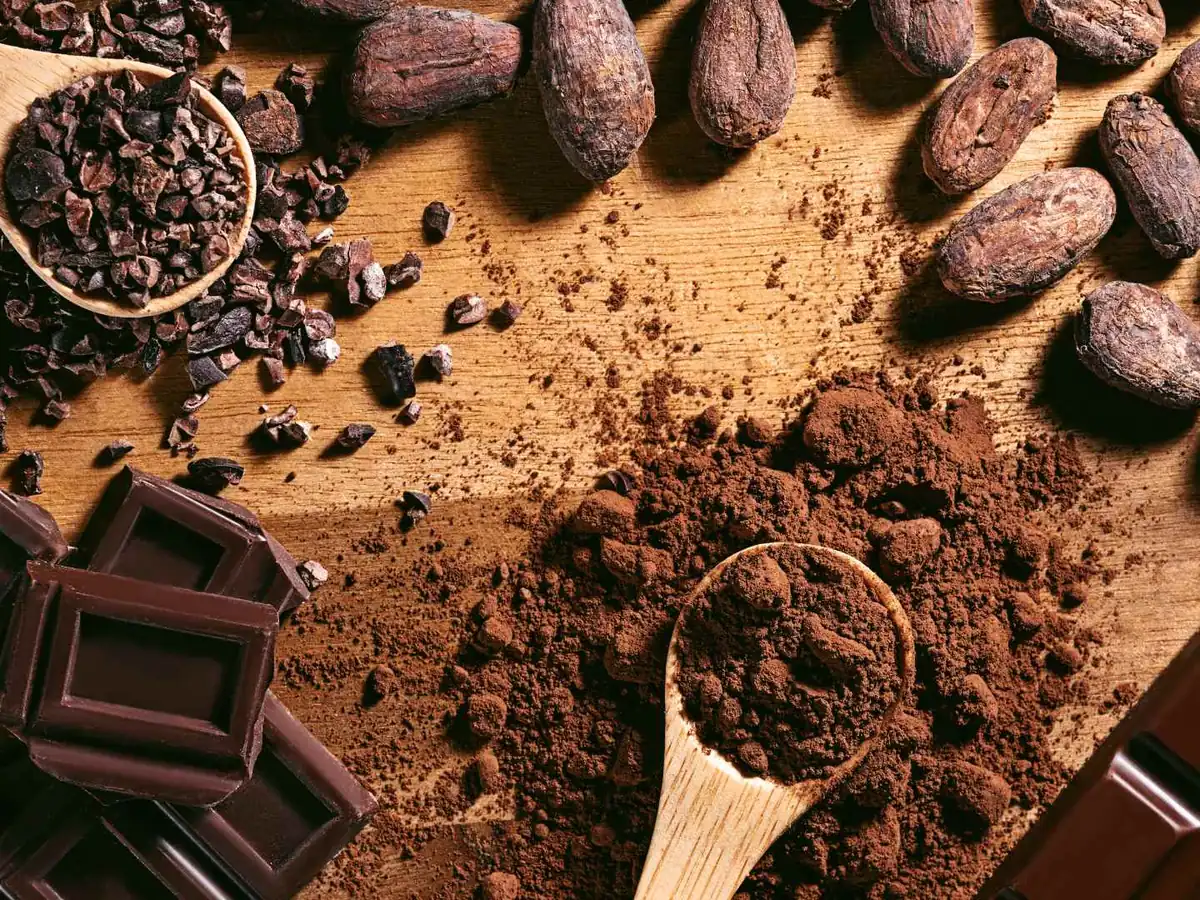
Chocolate contains the methylxanthines theobromine and caffeine. Cocoa powder, baking chocolate, and dark chocolate are far more concentrated than milk chocolate, which means fewer ounces can become clinically important.
Save the wrapper, estimate the ounces eaten, record the dog’s weight, and note the time. Vomiting, diarrhea, restlessness, increased thirst, rapid heart rate, panting, tremors, seizures, weakness, or collapse can occur after meaningful exposure.
A dog acting normal shortly after a chocolate raid has not proven the dose safe. Signs can take hours to develop, and early veterinary guidance may allow more useful treatment options.
Milk chocolate is less concentrated, not harmless
Milk chocolate contains substantially less methylxanthine per ounce than dark or baking chocolate. That gives it a wider margin, but an entire Halloween bag can still matter to a small dog.
Fun-size candy also varies in weight between brands and fillings. I would calculate from ounces and product type rather than assume ten mini bars are equivalent across the candy bowl.
Dark chocolate deserves a lower threshold for calling
Higher cocoa percentages usually mean more cocoa solids and more methylxanthines. A small dark-chocolate bar can therefore create a more significant dose than a much larger-looking milk-chocolate candy.
If the label lists a cocoa percentage, keep it. That detail is much more useful than describing the candy as “really dark.”
Sugar-free gum and candy can contain xylitol
Xylitol can cause rapid hypoglycemia in dogs and, at larger doses, serious liver injury. It can appear in sugar-free gum, mints, candy, baked goods, peanut butter, and specialty low-sugar products.
If xylitol appears in the ingredient list, call immediately even if the dog looks normal. Weakness, wobbliness, vomiting, tremors, seizures, or collapse can develop as blood sugar falls.
Other sugar alcohols such as sorbitol, maltitol, and erythritol are different ingredients and do not share the same well-established canine xylitol syndrome. Report the exact sweetener.
Chocolate-covered raisins combine two serious hazards
Raisins and other dried grape products can cause acute kidney injury in dogs, and individual susceptibility is unpredictable. Chocolate-covered raisins create a dried-grape exposure and a methylxanthine exposure at the same time.
I would call promptly after raisin ingestion rather than wait for vomiting, thirst changes, or decreased urination. There is no dependable number of raisins I would use at home to clear a meaningful exposure.
Macadamia candy creates another dog-specific problem
Macadamia nuts can cause weakness, vomiting, depression, tremors, and increased body temperature in dogs. White-chocolate macadamia candy may therefore be more concerning for the nut than for the white chocolate.
Other nuts are generally more about fat, salt, choking, or mold, but the exact nut matters. Inventory nut-filled candy rather than saying only “he ate chocolate with nuts.”
Coffee and energy candy can add concentrated caffeine
Chocolate-covered espresso beans, coffee candy, caffeinated gum, and energy chews can expose dogs to caffeine. Concentrated stimulant products can create a meaningful milligram-per-pound dose from a small-looking package.
Save the caffeine amount per serving and multiply by the maximum number missing. Rapid heart rate, agitation, tremors, seizures, or overheating deserves urgent care.

Peanut butter cups are mostly chocolate, fat, and label reading
Traditional peanut butter cups contain milk chocolate and fatty filling. A small amount may create a lower methylxanthine dose than a solid dark bar, but a whole bag can still deliver substantial calories and chocolate.
Sugar-free or specialty nut butter products require a xylitol check. The peanut butter is not automatically safe simply because the familiar brand usually is.
Caramel and nougat candy can still cause stomach trouble
Caramel, nougat, cookie filling, coconut, and cream centers add sugar and fat. Large candy binges can cause vomiting, diarrhea, abdominal pain, and pancreatitis even when the methylxanthine dose is below a poisoning threshold.
Dogs with previous pancreatitis or prescribed low-fat diets deserve a lower threshold for veterinary advice. Clearing the chocolate dose does not make a pound of candy a gentle meal.
Lollipops add sticks and hard-candy choking risk
Hard candy can be swallowed whole, while lollipop sticks can injure the mouth, esophagus, stomach, or intestines. Plastic wrappers and stick fragments can also become foreign bodies.
If a stick disappeared, call with the size and material. Repeated gagging, vomiting, abdominal pain, refusal to eat, blood, or breathing trouble deserves prompt evaluation.
Candy wrappers can become the only problem left
Foil, plastic, wax paper, candy bags, and wrappers often disappear with the candy. One thin wrapper may pass, while many wrappers or a large plastic bag can cause choking or obstruction.
Count wrappers during the first assessment. Persistent vomiting, abdominal pain, bloating, refusal to eat, or inability to keep water down deserves veterinary care.
Cannabis edibles require honest information
THC-containing brownies, chocolates, gummies, and baked goods can cause marked sleepiness, wobbliness, urinary dribbling, altered heart rate, temperature changes, agitation, tremors, and other neurologic signs in dogs. Chocolate may add a simultaneous methylxanthine exposure.
Tell the veterinary team exactly what the edible contained and the estimated THC amount if known. Accurate information helps the dog much more than protecting the edible’s backstory.
Glow sticks are a different Halloween exposure
Glow-stick liquid is intensely bitter and can cause dramatic drooling and mouth irritation when a dog bites the tube. The plastic tube itself can also be chewed or swallowed.
Rinse exposed fur or skin and call if the dog swallowed plastic, has persistent vomiting, or develops concerning signs. The fluorescent appearance looks dramatic, but the bitter taste is often what causes the immediate reaction.
Do not automatically make the dog vomit
Whether vomiting is appropriate depends on the candy, timing, symptoms, dog, and swallowed objects. A dog with tremors, seizures, weakness, poor coordination, breathing problems, or sharp foreign bodies may be at higher aspiration or injury risk.
Do not use salt, mustard, oil, or fingers. If a veterinarian specifically directs hydrogen peroxide for an appropriate dog, follow the exact dose and instructions provided.
What to do after a Halloween candy raid
- Collect all candy wrappers and packages.
- Identify chocolate type, sugar-free ingredients, raisins, nuts, caffeine, THC, and alcohol.
- Estimate the largest amount missing.
- Record the dog’s current weight and time of ingestion.
- Count missing wrappers, sticks, bags, and other nonfood items.
- Call promptly for xylitol, raisins, concentrated chocolate, caffeine, macadamias, THC, or swallowed foreign bodies.
How I prevent the problem
I keep candy in a closed cabinet or hard-sided container and put trick-or-treat bags behind a closed door. A bowl on a high coffee table is not secure if the dog can jump, climb, or recruit a child.
After trick-or-treating, I clear wrappers, sticks, and candy immediately rather than leaving the bag on the floor. Halloween is easier when the dog never gets a vote on candy distribution.
Frequently asked questions
What Halloween candy is most dangerous to dogs?
Xylitol-containing candy or gum, concentrated chocolate, chocolate-covered raisins, caffeinated products, macadamia candy, cannabis edibles, and candy with dangerous swallowed objects deserve the most attention.
My dog ate one fun-size candy. Is that an emergency?
It depends on the dog’s size and the exact candy. Check the chocolate type, sweeteners, fillings, and wrapper before deciding.
Should I give milk after chocolate?
No. Milk does not neutralize theobromine or caffeine and may add gastrointestinal upset in a lactose-sensitive dog.
Bottom line
Halloween candy risk depends on much more than sugar. Save every wrapper, check first for xylitol, concentrated chocolate, raisins, caffeine, macadamias, THC, and swallowed packaging, and call promptly when a high-risk ingredient or significant unknown amount is involved.