Thanksgiving Foods Cats Can and Can’t Eat: A Complete Table Guide
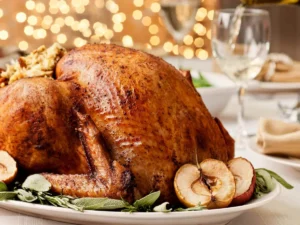
Thanksgiving is cat-friendly when the cat’s share stays very plain. I set aside a tiny piece of boneless cooked turkey before seasoning starts, then keep skin, bones, stuffing, gravy, alliums, chocolate, alcohol, and holiday trash away.
My Thanksgiving rule for cats
Cats do not need a miniature human dinner. A tiny amount of plain fully cooked boneless meat can be a reasonable treat, while the finished casseroles, sauces, desserts, and leftovers usually add more fat, sodium, sugar, and seasoning than a cat needs.
I would rather give the cat one safe bite than spend the evening reconstructing whether the stuffing had onion and the gravy had garlic powder. Cats are very good at turning one abandoned plate into a complicated ingredient list.
Thanksgiving food safety at a glance
| Food | Cat verdict | Main issue |
|---|---|---|
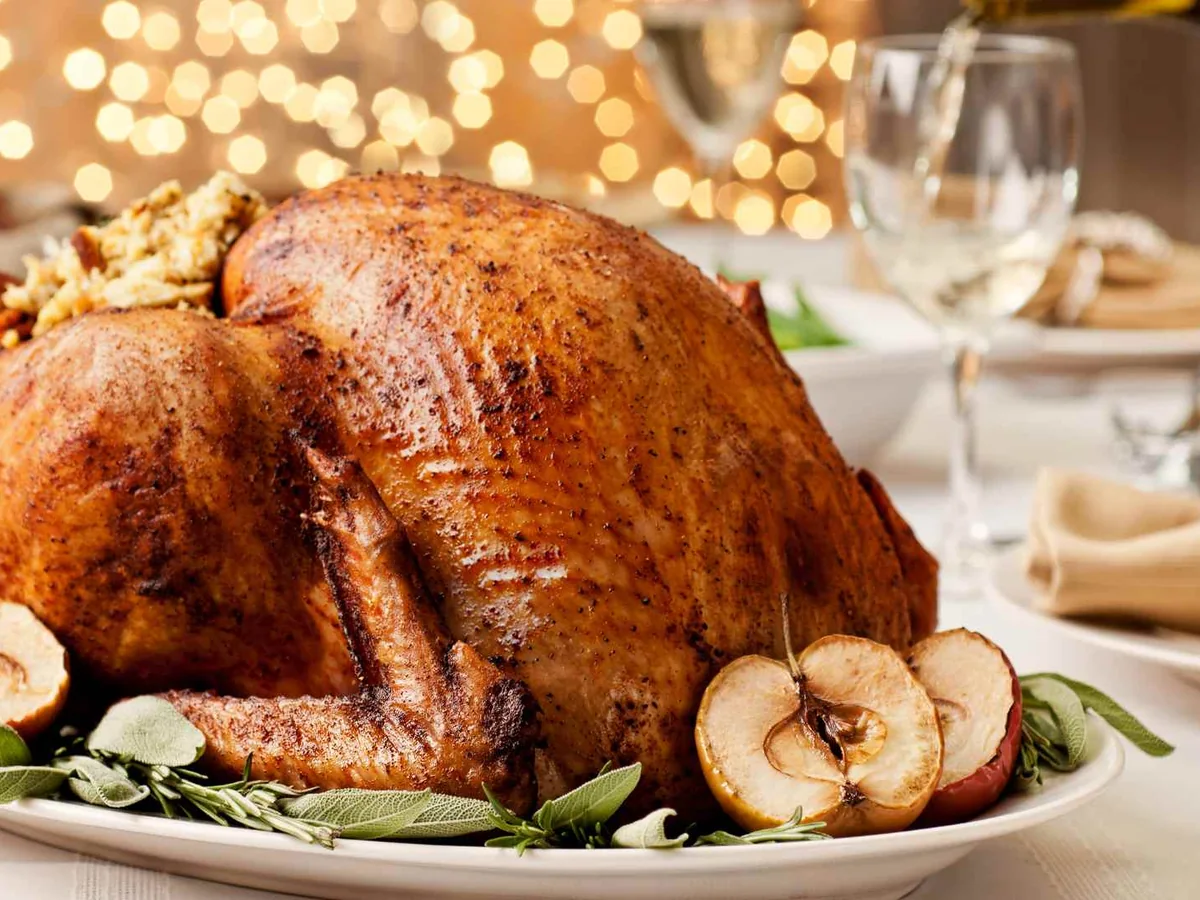
| Plain boneless turkey | Tiny amount okay | Portion and seasoning |
| Turkey skin | Best avoided | Fat, salt, seasoning |
| Cooked turkey bones | Avoid | Choking, splinters, obstruction |
| Stuffing | Avoid | Onion, garlic, rich ingredients |
| Gravy | Avoid | Alliums, sodium, fat |
| Plain pumpkin | Tiny amount may be okay | Fiber and calories |
| Mashed potatoes | Only if truly plain | Dairy, alliums, salt |
| Cranberry sauce | Not useful | Sugar and mixed ingredients |
| Chocolate dessert | Avoid | Methylxanthines |
| Alcohol | Avoid | Ethanol |
Plain boneless turkey is the easiest Thanksgiving treat
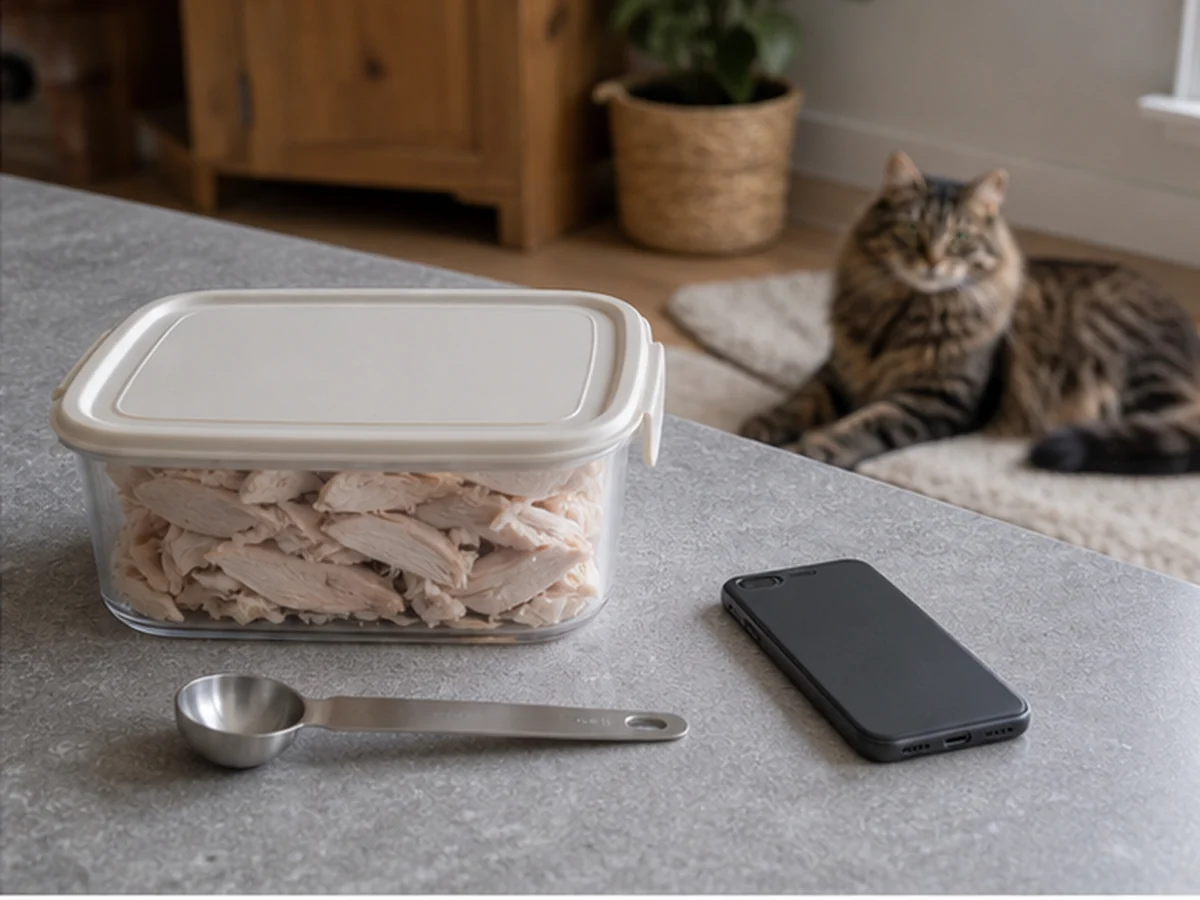
Fully cooked boneless turkey meat can be an occasional topper for many healthy cats. I choose a tiny piece of interior meat, remove skin and every bone, and avoid the heavily seasoned outer surface.
Cats are small, so a human forkful can already be a large treat. A few pea-size pieces are enough to create the entire holiday experience from the cat’s point of view.
If the turkey was brined, smoked, injected, or heavily salted, the meat may contain more sodium than plain turkey. Cats with kidney disease, heart disease, high blood pressure, or sodium restrictions deserve extra caution.
Turkey skin is much richer than the meat
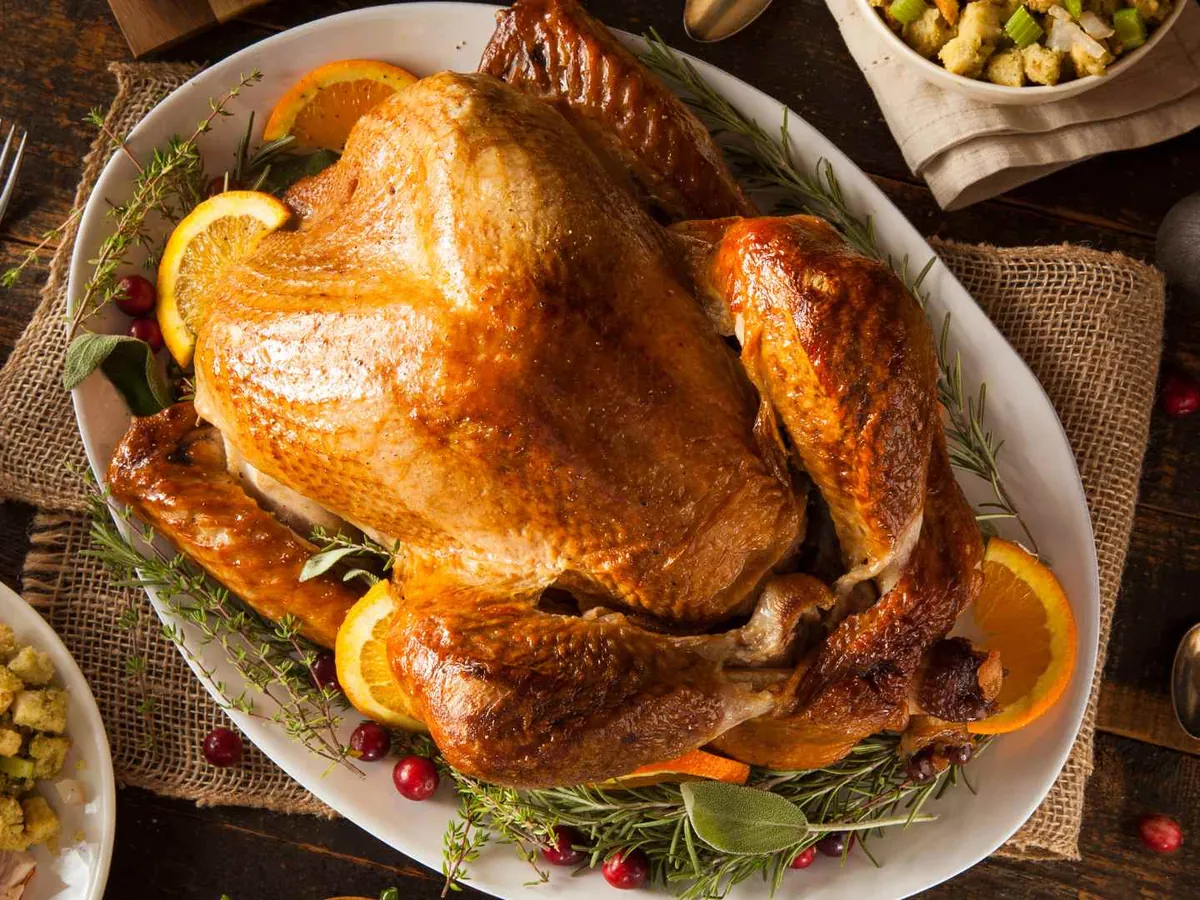
Turkey skin contains concentrated fat and may be coated with butter, oil, salt, garlic, onion, or pan drippings. A tiny stolen scrap may only cause mild stomach upset, but I would not offer skin intentionally.
Cats with pancreatitis, obesity, or chronic gastrointestinal disease have even less room for fatty table scraps. Plain skinless turkey meat is the easier choice.
Cooked turkey bones can injure a cat
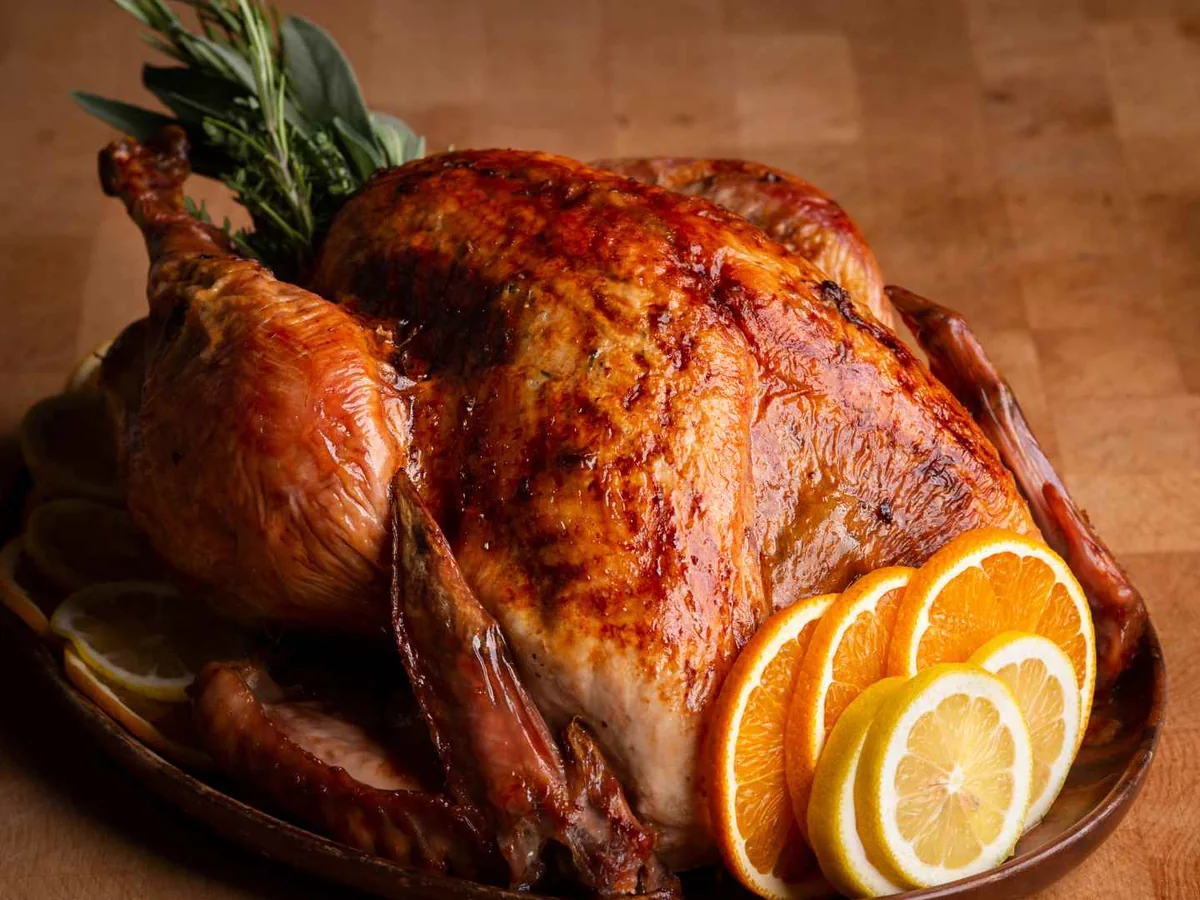
Cooked poultry bones can become brittle and fracture into sharp pieces. They can lodge in the mouth or esophagus, cause choking, injure the stomach or intestines, or create an obstruction.
If a cat swallowed cooked turkey bones, call the veterinarian with the bone size, number, timing, and symptoms. Do not try to induce vomiting at home, and do not use hydrogen peroxide in cats.
Gagging, drooling, repeated swallowing, regurgitation, vomiting, abdominal pain, blood, open-mouth breathing, or marked lethargy deserves prompt evaluation. A cat acting normal immediately afterward has not proven the bone will pass.
Stuffing is especially poor cat food
Stuffing commonly contains onion, garlic, shallots, chives, sausage, butter, broth, salt, raisins, currants, and herbs. Cats are particularly sensitive to alliums, which makes onion and garlic the ingredients I take most seriously.
Alliums can damage feline red blood cells and cause delayed anemia. Weakness, pale gums, rapid breathing, dark or reddish urine, reduced appetite, or collapse can develop after a meaningful exposure.
Raisins and dried grape currants are a well-established kidney hazard in dogs and are not an appropriate cat food either. There is no reason to expose a cat to dried grapes when the plain turkey is sitting right there.
Gravy hides exactly the ingredients cats do not need
Turkey gravy can contain onion, garlic, salty broth, bouillon, butter, pan drippings, flour, and cream. A tiny lick may only cause gastrointestinal upset, but a larger amount can deliver substantial sodium and fat.
Broth powders and gravy packets may contain allium powder even when no onion pieces are visible. Save the package if a cat raids prepared gravy.
Mashed potatoes are unnecessary and often heavily seasoned
A tiny amount of plain fully cooked potato is unlikely to be a major problem for most healthy cats. Thanksgiving mash commonly adds butter, milk, cream, cheese, garlic, onion, salt, or gravy.
Many adult cats tolerate lactose poorly, while butter and cream add unnecessary fat. Onion and garlic create a more serious red-blood-cell toxicity concern.
Cats do not need starchy side dishes nutritionally, so there is little reason to negotiate around the recipe. A tiny turkey piece is both simpler and more species-appropriate.
Sweet potatoes are not a feline holiday requirement
A tiny amount of plain cooked sweet potato may be tolerated, but cats do not need root vegetables for nutritional balance. Sweet potato casserole adds sugar, butter, marshmallows, nuts, dairy, and sometimes spices.
Large rich servings can cause vomiting or diarrhea. I would skip casserole entirely rather than trying to identify which topping the cat managed to avoid.
Green bean casserole is not plain green beans
A tiny piece of plain cooked green bean may be low risk, but green bean casserole adds creamy soup, fried onions, butter, salt, and often onion or garlic powder. The fried onion topping is an allium exposure.
I would not offer the casserole to a cat. If the cat genuinely likes a plain green bean, one tiny piece before seasoning is enough.
Cranberry sauce is mostly sugar and recipe questions
Fresh cranberries are not a common feline toxin, while sauce concentrates sugar and may include alcohol, citrus peel, nuts, raisins, or currants. Cats have no nutritional need for sweet fruit sauces.
A tiny lick of ordinary sauce may only cause stomach upset. A mixed relish containing dried grapes or alcohol deserves a different assessment.
Dinner rolls and raw yeast dough are different risks
A tiny piece of fully baked plain bread may be low risk, though nutritionally unnecessary. Raw yeast dough is more concerning because it can expand in the warm stomach and produce ethanol during fermentation.
Abdominal distension, retching, unusual sleepiness, weakness, poor coordination, or collapse after raw dough deserves urgent veterinary care. Do not wait for a cat to look dramatically intoxicated.
Pumpkin pie is not plain pumpkin
Plain pumpkin puree may be used in small amounts for some cats under veterinary guidance. Pumpkin pie contains sugar, dairy, fat, crust, eggs, and spices and is not a useful feline treat.
A tiny stolen crumb may only cause mild stomach upset, but an entire slice can deliver a large calorie and fat load to a small animal. The cat will not gain anything nutritionally that complete food does not already supply.
Pecan pie is rich, sticky, and unnecessary
Pecan pie is dense in sugar, syrup, butter, nuts, and crust. A large amount can cause vomiting or diarrhea and can be particularly inappropriate for cats with pancreatitis, obesity, or diabetes.
Chocolate pecan pie adds methylxanthines, while alcohol-flavored pie adds ethanol. Moldy nuts can create an additional neurologic toxin concern.
Chocolate stays completely away from cats
Chocolate contains theobromine and caffeine. Dark chocolate, baking chocolate, and cocoa powder are more concentrated sources than milk chocolate.
Save the wrapper or recipe after a meaningful exposure and call for advice. Vomiting, restlessness, rapid heart rate, tremors, seizures, weakness, or collapse deserves urgent care.
Alcoholic drinks and desserts are genuine feline hazards
Wine, beer, cocktails, rum cake, bourbon sauce, and other alcoholic foods can expose cats to ethanol. A small cat needs much less alcohol than an adult person for the dose to become important.
Vomiting, weakness, poor coordination, unusual sleepiness, low body temperature, breathing depression, or collapse deserves urgent care. Save the drink recipe and report the alcohol concentration if possible.
The Thanksgiving trash bag can be worse than the table
Holiday trash can contain bones, fish bones, string, roasting twine, foil, plastic wrap, greasy paper towels, coffee grounds, chocolate wrappers, spoiled food, and food packaging. Cats may be more interested in the string and bones than the leftovers themselves.
Linear material such as string or twine can cause severe intestinal injury. Do not pull visible string from the mouth or rectum if it seems stuck.
Use a secure lidded trash can and remove the carcass promptly. A loose trash bag beside the door is an invitation to exactly the animal that has spent the afternoon pretending not to care about dinner.
What to do after a Thanksgiving food raid
Save packages and recipes and identify cooked bones, string, onion, garlic, chocolate, alcohol, coffee, dried grapes, sharp objects, and packaging. Estimate the maximum amount and record the time and symptoms.
Call promptly for cooked bones, chocolate, alcohol, significant allium exposure, string, sharp foreign bodies, or a large unknown amount. Open-mouth breathing, repeated vomiting, tremors, seizures, severe weakness, pale gums, abdominal pain, or collapse deserves urgent care.
Do not use hydrogen peroxide to make a cat vomit. The veterinary team can decide whether imaging, decontamination, laboratory testing, or monitoring is appropriate.
How I build a cat-safe Thanksgiving treat
I use a few tiny pieces of plain fully cooked boneless skinless turkey and stop there. If the cat has a prescription diet or food allergy, I use an approved treat instead.
The plate is not visually exciting, but the cat will not file a complaint. More importantly, I know exactly what was eaten.
Frequently asked questions
Can cats eat Thanksgiving turkey?
Yes, a tiny amount of plain fully cooked boneless turkey can be an occasional treat. Remove skin, bones, garlic, onion, gravy, and rich drippings.
Can cats eat stuffing?
I would avoid it because stuffing commonly contains onion, garlic, sausage, butter, salty broth, raisins, or currants. Cats are especially sensitive to alliums.
Can cats eat mashed potatoes?
A tiny amount of plain cooked potato may be low risk, but holiday mash often contains dairy, butter, onion, garlic, salt, and gravy. Cats do not need the starch nutritionally.
Can cats eat cranberry sauce?
A tiny lick may be low risk if the sauce is ordinary, but it is sugary and nutritionally unnecessary. Check mixed relishes for alcohol, raisins, currants, and other ingredients.
What Thanksgiving foods are emergencies for cats?
Chocolate, alcohol, cooked bones, string, sharp objects, significant onion or garlic exposure, raw yeast dough, and large unknown trash raids deserve prompt professional advice.
Bottom line
Thanksgiving can include the cat without turning the human meal into feline food. Offer only tiny portions of plain boneless cooked turkey, then keep skin, bones, stuffing, gravy, alliums, chocolate, alcohol, raw dough, rich desserts, string, and holiday trash securely away.