Can Dogs Eat Beef Liver? Cooking, Portions, Raw Risks, and Vitamin A
Dogs can eat plain cooked beef liver in small amounts, and it can be a useful occasional treat. I think of liver as concentrated nutrition, not free-pour meat, because a little brings a lot of vitamin A, copper, iron, protein, and calories.
My rule is cooked, plain, and portioned
- Plain cooked beef liver: the easiest version to share intentionally.
- Raw beef liver: adds foodborne pathogen and cross-contamination concerns.
- Fried liver: adds fat, salt, breading, and often onion or garlic.
- Large daily servings: can push vitamin A and copper intake too high over time.
- Small occasional pieces: are the most practical option for a healthy dog already eating a complete diet.
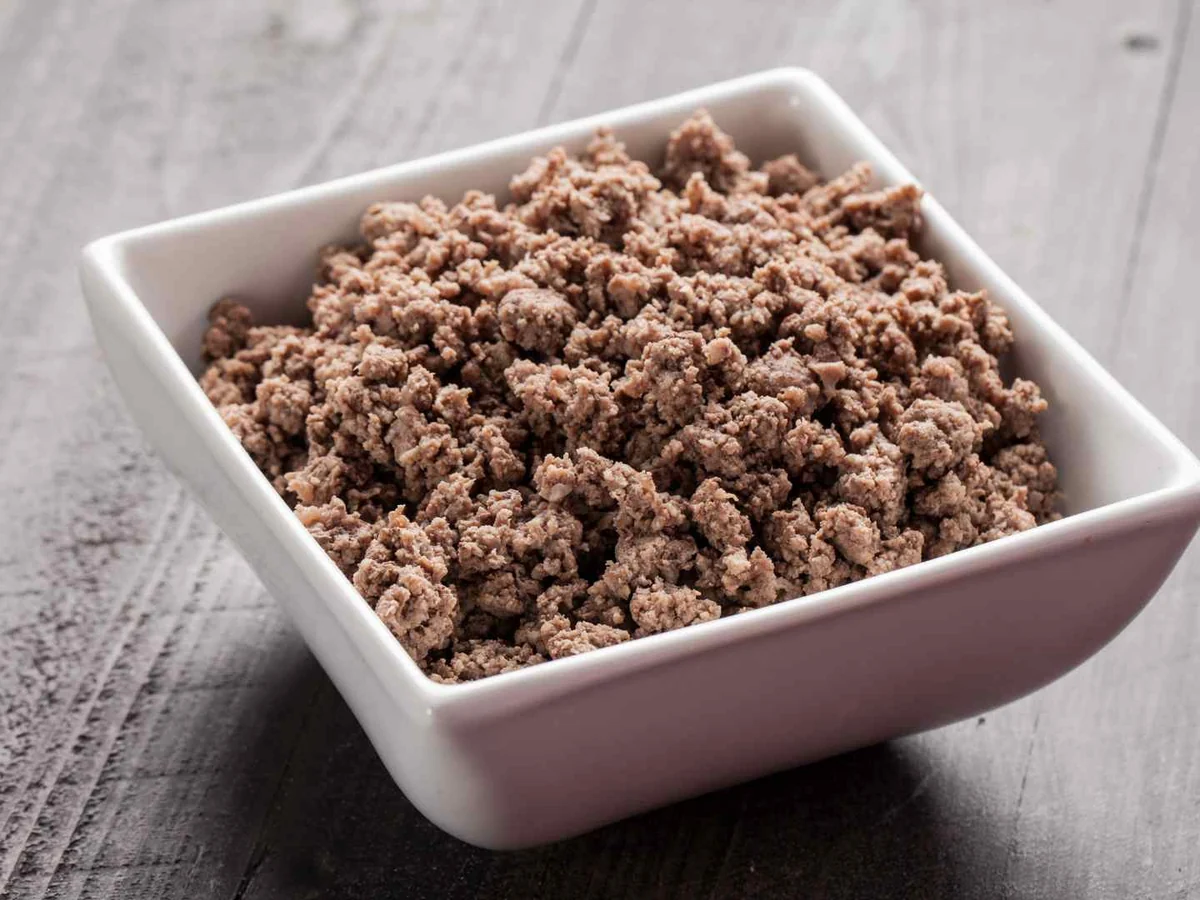
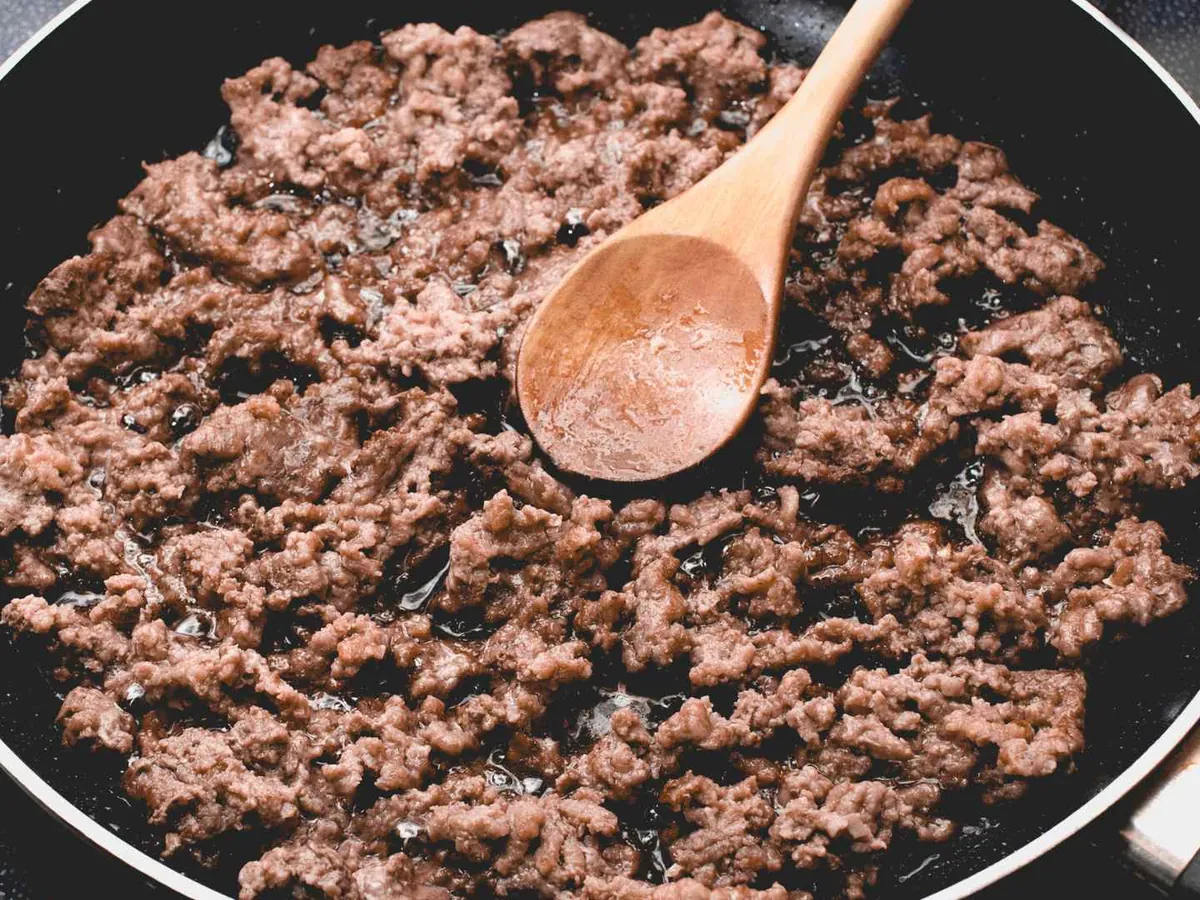
If I am serving beef liver on purpose, I cook it thoroughly without butter, oil, onion, garlic, salt, or seasoning and cut it into small pieces. Liver does not need help being interesting to a dog.
Why beef liver is nutritionally dense
Beef liver provides high-quality protein plus vitamin A, several B vitamins, iron, copper, and other micronutrients. That nutrient density is one reason liver appears in many complete commercial dog foods and properly formulated homemade diets.
The same density is why I would not treat liver like plain lean beef. A little can contribute a lot, and adding generous daily portions to an already complete diet can unbalance nutrients instead of improving them.
If your dog eats a complete and balanced food, beef liver generally belongs in the treat or topper category unless a veterinarian or veterinary nutrition professional has designed a specific recipe. “Nutrient-rich” and “unlimited” are not synonyms.
Cooked liver reduces foodborne pathogen risk
Cooking beef thoroughly reduces the risk from bacteria that can contaminate raw meat and organ tissue. That protects the dog and also lowers the chance of spreading contamination around bowls, counters, floors, hands, saliva, and stool.
I would cook liver fully rather than deliberately serving it rare or raw. There is no practical advantage to turning a small training treat into a food-safety exercise.
Raw beef liver adds risk without improving portion control
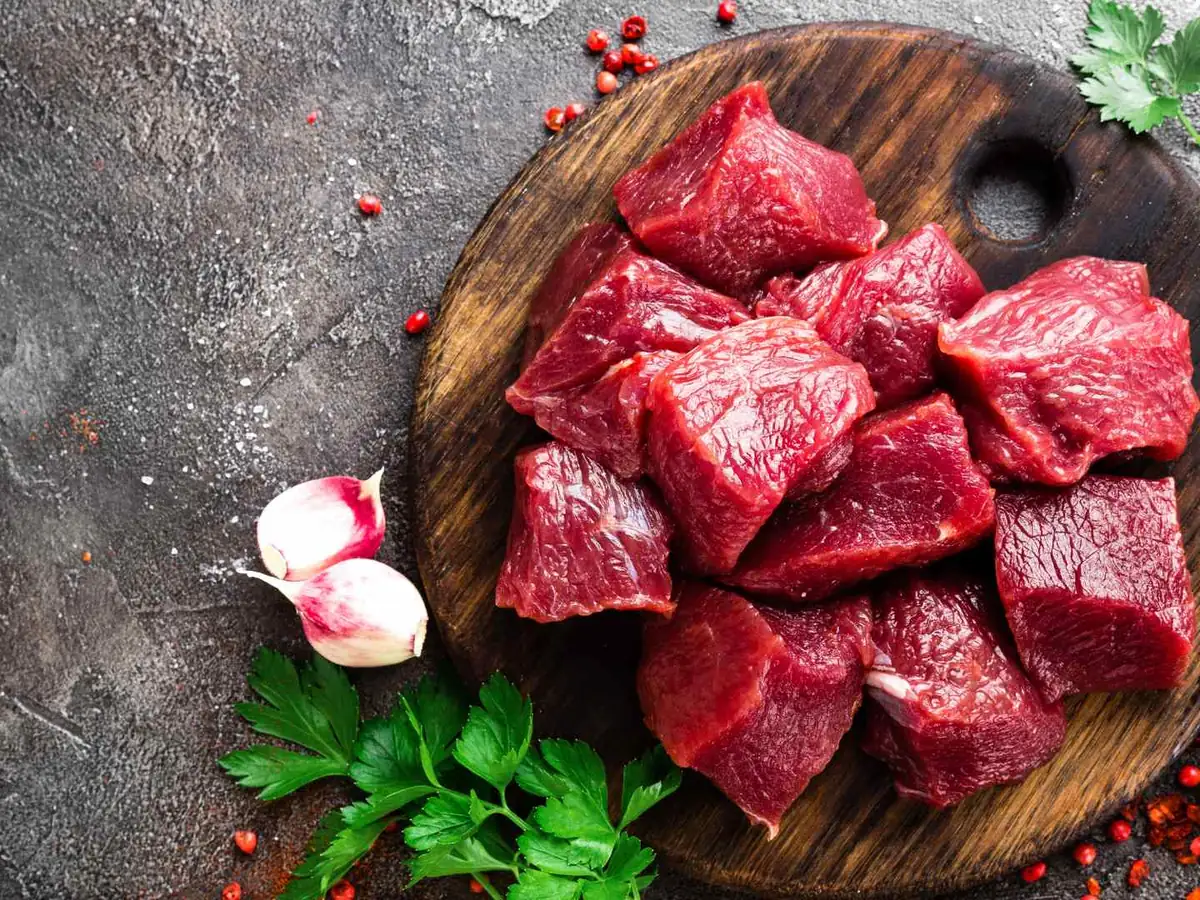
Raw beef can carry bacteria and other pathogens, and raw organ meat can contaminate surfaces, utensils, hands, bowls, and floors. Dogs may become ill, and even dogs without obvious symptoms can potentially spread organisms into the household environment.
That matters especially in homes with young children, older adults, pregnant people, or anyone with a weakened immune system. I would rather reduce that risk with cooking than rely on the dog’s stomach to run quality control.
Repeated vomiting, bloody diarrhea, fever, marked lethargy, weakness, dehydration, or severe abdominal symptoms after raw meat deserves veterinary attention. Puppies, seniors, pregnant dogs, and medically fragile dogs deserve a lower threshold for advice.
Vitamin A is essential, but chronic excess can cause problems
Vitamin A supports vision, immune function, growth, reproduction, and healthy tissues. Liver is one of the richest natural sources, which is useful when the overall diet is balanced appropriately.
Chronic excessive vitamin A intake can affect bones, joints, and other body systems. The concern is repeated overfeeding over time, not one accidental extra cube of cooked liver in an otherwise healthy dog.
I worry much more about a daily habit of feeding large liver portions than about a one-time small treat. Consistency is what turns a rich food into a nutritional imbalance.
Copper is another reason daily liver portions deserve thought
Beef liver is rich in copper, an essential mineral that dogs need in appropriate amounts. Dogs with certain copper-storage disorders or liver diseases may need carefully controlled copper intake, which can make routine liver feeding inappropriate.
If your dog has a known liver condition or copper-related diagnosis, ask whether liver fits the prescribed diet before offering it. Natural foods still contain nutrients that can conflict with a medical plan.
How much beef liver can a dog have?
There is no single tablespoon or ounce amount that fits every dog because body size, total diet, medical conditions, and overall nutrient intake matter. For a dog already eating a complete diet, I keep liver portions modest and count them within the dog’s total treat allowance.
A practical general rule is to keep all treats and extras together under roughly 10 percent of daily calories unless your veterinarian gives a different plan. Liver does not need to occupy that entire allowance.
For small dogs, a few bite-size pieces can already be generous. For large dogs, I still would not convert body size into permission to feed a bowlful every day.
A large one-time liver binge usually causes stomach trouble first
Liver is rich and can cause vomiting, loose stool, gas, or abdominal discomfort when a dog suddenly eats a large amount. A dog used to a consistent diet may react even if the liver was plain and fully cooked.
If your dog raided a container of cooked liver, estimate the amount and monitor for repeated vomiting, diarrhea, poor appetite, lethargy, or abdominal pain. Call if symptoms are persistent, severe, or the dog has an underlying medical condition.
Fried liver adds the exact things I would rather avoid
Fried liver can absorb oil and arrive with flour, salt, black pepper, garlic powder, onion powder, gravy, or hot sauce. That adds fat and sodium while making the ingredient list harder to control.
A small crumb may be low risk for many healthy dogs, but a large serving can cause gastrointestinal upset and may increase pancreatitis risk in susceptible dogs. Dogs with previous pancreatitis or prescribed low-fat diets should skip fried liver entirely.
Liver and onions is not a dog-friendly classic
Onion, garlic, chives, leeks, and related alliums can damage red blood cells in dogs after a sufficient dose. That makes liver and onions a poor sharing choice even if the liver itself would otherwise be fine.
If your dog ate beef liver cooked with a meaningful amount of onion or garlic, call for dose-specific advice. Anemia-related signs can be delayed and may include weakness, pale gums, rapid breathing, increased heart rate, reduced appetite, dark or reddish urine, or collapse.

Freeze-dried liver treats can be useful, but they are still liver
Commercial freeze-dried or dehydrated liver treats are convenient because portions are easy to count and many contain a single ingredient. They are still nutrient-dense, and some products are raw or minimally processed, so the label matters.
Break large treats into smaller pieces for training rather than handing out whole chunks every repetition. Dogs usually care much more about the number of rewards than the geometric integrity of each liver cube.
Beef liver is not a complete diet by itself
Dogs need the correct balance of protein, fat, amino acids, vitamins, minerals, fatty acids, and other nutrients. Beef liver supplies many nutrients but does not provide a complete nutritional profile in the right proportions for long-term feeding by itself.
A dog living mostly on liver can become nutritionally unbalanced even though liver sounds impressively wholesome. Diet quality comes from balance, not from finding one nutrient-rich food and giving it a promotion to full-time entrée.
Dogs with chronic disease need individualized advice
Dogs with liver disease, kidney disease, copper-storage disorders, pancreatitis, food allergies, or therapeutic diets may need limits that differ from a healthy adult dog. The exact nutrient profile of liver can be helpful in one diet and counterproductive in another.
If your dog has a chronic condition, ask whether liver fits the prescribed diet rather than assuming a whole-food ingredient is automatically compatible. Medical diets are balanced for a reason.
Frequently asked questions
Can dogs eat cooked beef liver every day?
I would not add large daily servings to an already complete diet because beef liver is concentrated in vitamin A, copper, and other nutrients. If liver is meant to be a regular diet ingredient, use a properly formulated feeding plan.
Can puppies eat beef liver?
A tiny amount of plain cooked liver can fit as an occasional treat for many puppies, but growing dogs are especially dependent on correct nutrient balance. Keep portions small and do not let liver displace a complete puppy diet.
Can dogs eat raw beef liver?
I would choose cooked liver because raw beef can carry foodborne pathogens and create cross-contamination risk for pets and people. Cooking thoroughly is a simple risk-reduction step.
Is beef liver better than chicken liver for dogs?
Neither is universally better. Both are nutrient-dense organ meats with somewhat different nutrient profiles, and both should be portioned carefully within the total diet.
Bottom line
Plain cooked beef liver can be a nutritious occasional dog treat when portions stay modest. I would cook it thoroughly, skip onion and garlic, avoid turning raw or fried liver into a routine, and remember that concentrated nutrition works best as one small part of a balanced diet.