Dog Ate Turkey Bones? Cooked vs. Raw Risks and What to Do
If your dog ate cooked turkey bones, call your veterinarian for case-specific advice and do not make the dog vomit at home unless specifically directed. Cooked poultry bones can become brittle and sharp, and bringing fragments back up can injure the esophagus a second time.
Start with which turkey bones are missing
- Count missing drumsticks, wings, ribs, wishbone pieces, neck pieces, or carcass fragments.
- Confirm whether they were roasted, fried, smoked, grilled, or raw.
- Estimate the largest number swallowed.
- Record your dog’s weight and the time.
- Check for attached skin, stuffing, gravy, seasoning, foil, twine, or packaging.
- Call promptly if cooked bones, several bones, a small dog, sharp fragments, or symptoms are involved.
I would not assume Thanksgiving leftovers are harmless because the dog has eaten poultry bones before. Previous luck is not a protective coating.
Cooked turkey bones can fracture into sharp pieces
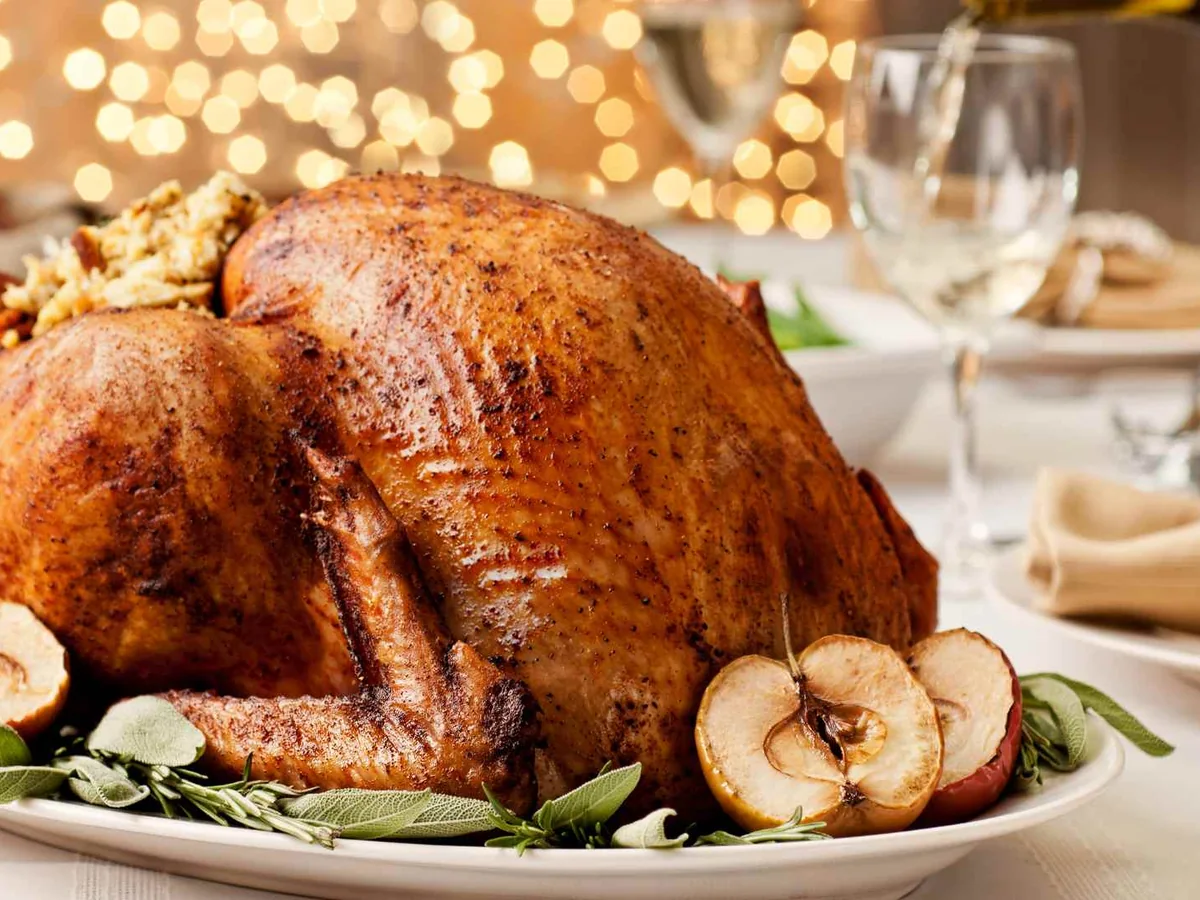
Cooking can make poultry bones brittle enough to break into pointed fragments. Those pieces can lodge in the mouth or throat, cause choking, scrape or perforate the esophagus, stomach, or intestines, or create a gastrointestinal obstruction.
That does not mean every swallowed cooked bone causes a perforation. It means the possible downside is serious enough that I would rather get veterinary guidance than trust a hopeful “he chewed it up pretty well.”
Dog size matters. A turkey leg fragment can represent a very different mechanical problem for a 12-pound dog than for a 90-pound dog.
Raw turkey bones are not risk-free
Raw bones may be less brittle than cooked bones, but they can still cause choking, broken teeth, mouth injuries, esophageal obstruction, intestinal blockage, constipation, or internal trauma. Raw poultry also adds foodborne pathogen exposure.
I would not turn “less likely to splinter” into “safe.” A large turkey neck or wing is still a hard object with edges, joints, and a very enthusiastic dog attached to the other end.
Watch for choking before anything else
Immediate choking signs include frantic gagging, repeated swallowing attempts, pawing at the mouth, excessive drooling, panic, blue or pale gums, collapse, or inability to move air. That is an emergency.
If you can clearly see a loose object at the very front of the mouth and can remove it safely without pushing it deeper or getting bitten, that is different from blindly sweeping the throat. A painful panicked dog can bite even if the dog is normally gentle.
Visible breathing distress, collapse, or blue gums means go to an emergency veterinary hospital immediately. Do not spend precious minutes trying multiple home fixes.
Esophageal bones may cause regurgitation and drooling
A bone lodged in the esophagus can cause drooling, gagging, repeated swallowing, retching, regurgitation, refusing food or water, neck stretching, distress, or pain. An esophageal foreign body can injure tissue the longer it remains in place.
Those signs deserve prompt veterinary evaluation rather than a meal of bread or rice intended to push the bone through. Adding more material does not reliably dislodge a stuck object.
Stomach and intestinal problems can show up later
A dog can look normal right after swallowing a bone and develop complications later. Repeated vomiting, abdominal pain, bloating, marked lethargy, refusing food, straining, bloody stool, black stool, or inability to keep water down deserves veterinary evaluation.
Sharp fragments can injure tissue, while larger pieces can obstruct passage. Dense bone material can also contribute to constipation and painful defecation.
Do not induce vomiting after a cooked turkey-bone exposure
I would not give hydrogen peroxide or another home emetic after a cooked turkey-bone ingestion unless a veterinarian specifically directs it. Sharp fragments can injure the esophagus on the way back up, and vomiting also creates aspiration risk.
Do not use salt, mustard, oil, fingers, or improvised gagging methods. The goal is the safest next step for the exact bone and dog, not simply the fastest visible action.
Stuffing attached to the bone can add onions, garlic, and raisins
Holiday turkey scraps often come with stuffing. Stuffing can contain onion, garlic, sausage, butter, broth, raisins, currants, nuts, and other ingredients that create separate risks.
If your dog raided a carcass after dinner, inventory the entire plate or trash bag instead of focusing only on the bones. A turkey bone plus raisin stuffing is a different call than one bare bone.
Attached skin and drippings add a fat problem
Turkey bones often carry fatty skin, butter, or pan drippings. A large rich-food binge can cause vomiting, diarrhea, abdominal pain, and in susceptible dogs may contribute to pancreatitis.
Dogs with previous pancreatitis deserve extra caution. Our turkey skin guide explains why the fatty skin deserves separate attention from the bone itself.
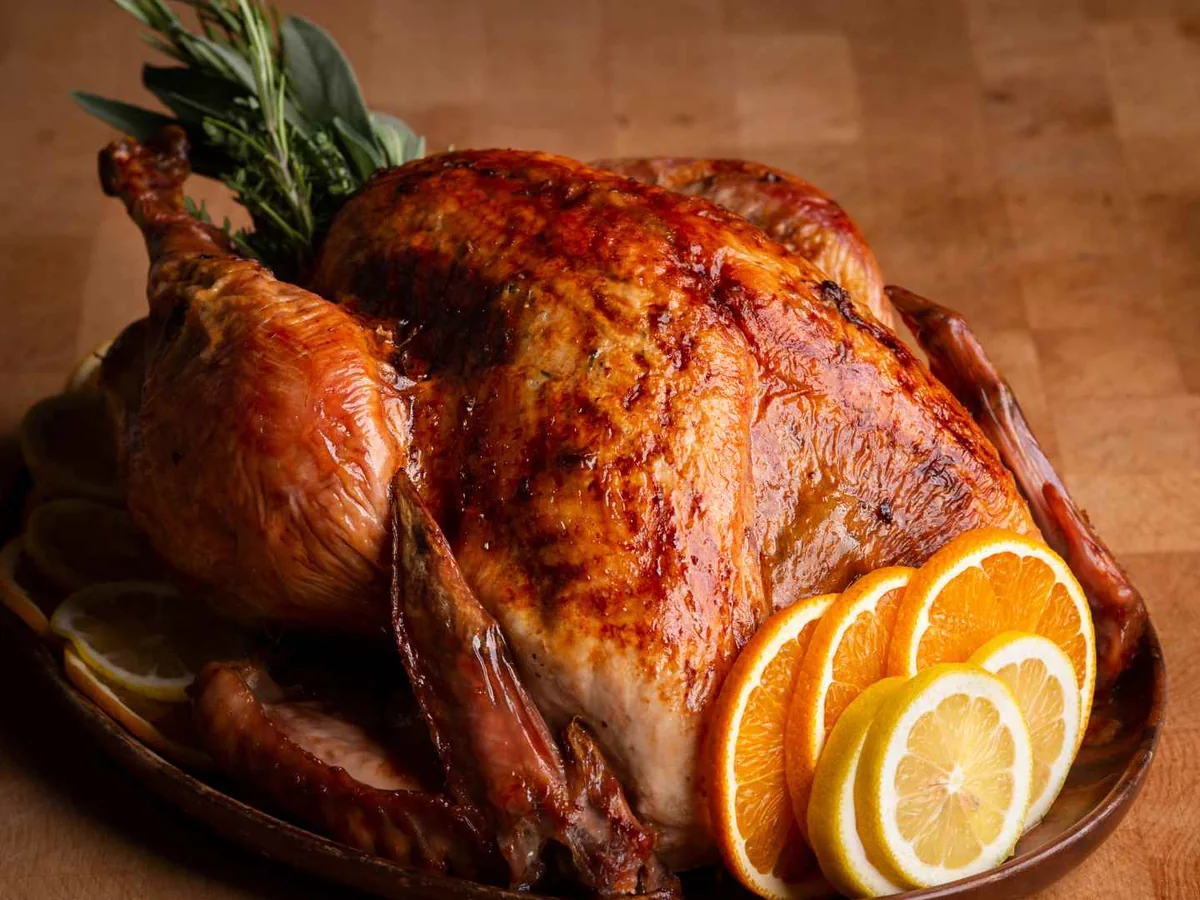
Seasoning can add allium and sodium concerns
Turkey bones and skin may carry onion powder, garlic powder, salty rubs, barbecue sauce, or injected seasoning. Onion and garlic can damage red blood cells in dogs at sufficient doses, and large salty-food exposures can create additional problems.
A trace of seasoning on one small fragment is different from eating the remains of an entire heavily seasoned bird. Save the recipe or label after a large trash-can raid.
Raw turkey bones add food-safety concerns
Raw poultry can carry pathogens such as Salmonella and Campylobacter, which can affect pets and contaminate household surfaces. A dog may also shed organisms through saliva or stool even without dramatic gastrointestinal signs.
Wash hands and clean contaminated surfaces, bowls, and floors after a raw-poultry incident. Be especially careful in homes with young children, older adults, pregnant people, or anyone with a weakened immune system.
Turkey necks can be especially awkward objects
Turkey necks contain multiple vertebrae and joints and can be swallowed in chunks by large or determined dogs. Raw necks still carry choking, obstruction, dental, and pathogen risks, while cooked necks add brittleness.
If a whole or large portion of a turkey neck disappeared, call with the approximate length, whether it was cooked, and your dog’s size. Do not assume the flexible shape makes it harmless.
Dental fractures are another raw-bone risk
Hard bones can fracture teeth, particularly the large premolars dogs use for crushing. A cracked tooth can expose the pulp, cause pain, and require dental treatment even if the swallowed bone never causes gastrointestinal trouble.
Watch for dropping food, chewing on one side, pawing at the mouth, refusing hard treats, facial swelling, bleeding, or sudden sensitivity around the jaw. Dogs can continue eating despite painful dental disease.
What I would do while waiting for veterinary instructions
Keep the dog calm and block access to more leftovers. Save a matching bone or photo from the same turkey so the clinic can see approximate size and shape.
Do not force food, water, oil, or fiber into a dog that is gagging, vomiting, painful, or having trouble swallowing. If the dog is comfortable and your veterinarian recommends normal feeding or monitoring, follow that plan.
Holiday trash needs a real lid
Turkey carcasses often reach dogs from trash bags left beside the can, roasting pans on low counters, plates near the couch, or compost containers. Use a lidded trash can the dog cannot open and move the carcass out of reach immediately after carving.
I trust a latched lid more than a dog’s promise to ignore a turkey carcass at midnight. The carcass has better marketing.
Frequently asked questions
My dog ate one cooked turkey bone and seems fine. What should I do?
Contact your veterinarian for case-specific advice. Bone size, dog size, how it fractured, timing, and symptoms all matter, and normal behavior immediately afterward does not rule out later complications.
Are raw turkey necks safe for dogs?
They are not risk-free. Raw turkey necks can cause choking, dental fractures, obstruction, constipation, gastrointestinal injury, and foodborne pathogen exposure.
Should I give bread after my dog eats a turkey bone?
Only if your veterinarian specifically recommends feeding for this exposure. Bread does not reliably neutralize a sharp bone and may be inappropriate if an obstruction or esophageal foreign body is present.
How long should I monitor my dog?
The appropriate monitoring period depends on the bone and dog, so follow your veterinarian’s plan. Gastrointestinal complications can appear after a delay.
Bottom line
Cooked turkey bones deserve prompt veterinary guidance because they can splinter, while raw bones still carry choking, dental, obstruction, and pathogen risks. Do not induce vomiting or rely on bread as a universal fix, and inventory attached skin, stuffing, gravy, seasoning, and packaging as part of the exposure.