Can Dogs Eat Calamari? Squid, Frying, Breading, Tentacles, and Seasoning
Dogs can eat a small amount of plain fully cooked squid, but fried calamari is not the version I would share. The squid itself can be fine. The breading, oil, salt, garlic, dipping sauce, and rubbery oversized rings are what make restaurant calamari a poor dog treat.
The quick calamari verdict for dogs
Plain fully cooked squid can be an occasional treat for many healthy dogs. It provides protein along with vitamin B12, selenium, phosphorus, copper, and other nutrients.
I cook squid thoroughly, cut it into small pieces, skip salt and seasoning, and let it cool. The chewy texture means bite size matters more than it does with flaky fish.
The safest version is plain cooked squid only. Fried calamari, stuffed squid, spicy squid, squid salad, pasta, and restaurant dishes need their own ingredient checks.
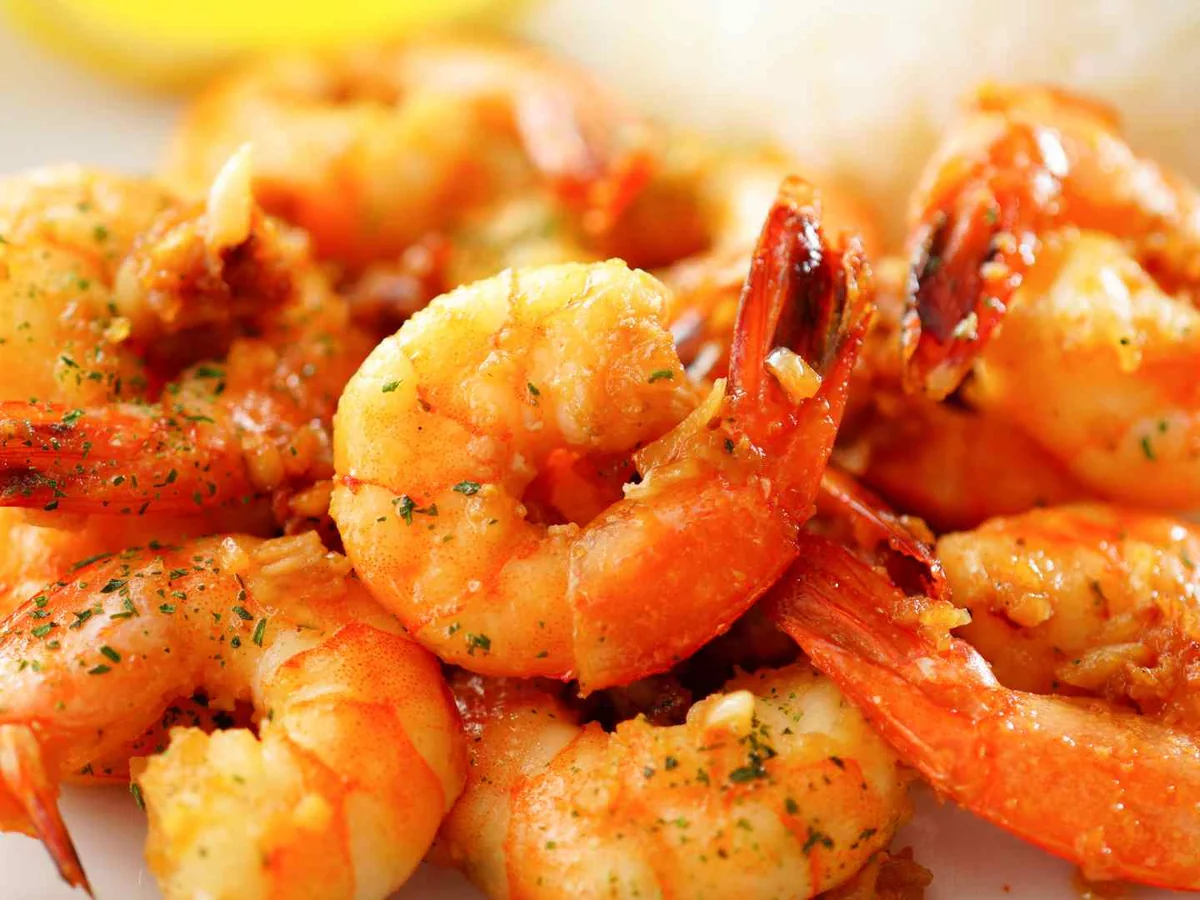
Plain cooked squid is the simple option
Plain squid is relatively lean compared with deep-fried restaurant calamari. A few small pieces can add variety without adding a large fat load.
Lean does not mean unlimited. A large serving can still cause gastrointestinal upset and can displace the complete food that supplies balanced vitamins and minerals.
If a dog is on a prescription kidney, heart, gastrointestinal, allergy, or weight-management diet, I would check before adding seafood regularly.
Fried calamari is mostly an oil-and-breading problem
Restaurant calamari is usually breaded and deep-fried, then salted and served with sauce. A tiny bite may cause no problem in a healthy dog, but several rings can cause vomiting, diarrhea, abdominal discomfort, or pancreatitis in susceptible dogs.
The breading may also contain garlic powder, onion powder, cheese, pepper, or seasoning salt. I would not assume the crust is just flour.
If I want to share squid, I set aside a plain piece before breading. Peeling the crust off afterward does not turn a grease-soaked ring into steamed seafood.
Chewy rings can be a choking hazard
Calamari rings can be rubbery and difficult to chew, especially for small dogs or dogs that gulp food. Large rings can be swallowed with minimal chewing and may lodge in the throat.
Cut plain cooked squid into small pieces and supervise. Gagging, frantic swallowing, pawing at the mouth, blue or pale gums, collapse, or inability to move air is an emergency.
A dog that is known for inhaling food gets even smaller pieces from me. Texture and eating style matter as much as the ingredient itself.
Tentacles need the same size control
Plain cooked tentacle meat is not inherently more dangerous than the body meat, but long chewy pieces can be awkward to swallow. Cut tentacles into short dog-sized pieces.
I would not hand over a long restaurant tentacle and assume the dog will chew thoughtfully. Seafood enthusiasm is not known for improving table manners.
Raw squid adds food-safety risk
Raw squid can carry bacteria and parasites and can contaminate bowls, counters, utensils, hands, and floors. Cooking is a straightforward way to reduce those risks.
A small accidental raw bite does not guarantee illness, but repeated vomiting, severe diarrhea, bloody stool, fever, lethargy, dehydration, or abdominal pain deserves veterinary attention.
Puppies, seniors, pregnant dogs, immunocompromised dogs, and medically fragile dogs deserve extra caution around raw seafood.
Freeze-dried raw squid still deserves a raw-food check
Freeze-drying and dehydration remove moisture but should not automatically be treated as equivalent to cooking. If a product is marketed as raw, pathogen control is still a relevant question.
I would read the label rather than assume a dry texture means the squid was fully cooked.
Garlic and dipping sauces can matter more than the squid
Calamari may be served with garlic aioli, marinara, spicy sauce, lemon butter, pesto, or remoulade. Garlic and onion can damage red blood cells in dogs after sufficient exposure.
A lick of sauce is different from an entire ramekin, but the complete exposure matters. The dog did not politely eat only the squid and leave the dip untouched unless you watched that miracle happen.
Creamy sauces also add fat and calories, while salty tomato sauces can add sodium and hidden allium powders.
Marinara can hide onion and garlic
Tomato sauce is often made with onion, garlic, salt, oil, sugar, and herbs. I would not treat red dipping sauce as plain tomato.
Save the ingredient list after a large sauce exposure. Powdered alliums can be concentrated even when no visible onion pieces remain.
Aioli and remoulade add fat
Aioli, mayonnaise-based dips, and remoulade can add substantial fat and may contain garlic, onion, mustard, chile, pickles, or seasoning. Those sauces are not useful dog foods.
Dogs with pancreatitis or fat-sensitive gastrointestinal disease have especially little room for creamy fried-seafood dips.
Salt and spicy seasoning are unnecessary
Plain squid does not need salt, blackening spice, Cajun seasoning, chile flakes, or seasoned breading to be interesting to a dog. Restaurant versions can be much saltier than home-cooked seafood.
Dogs with heart disease, kidney disease, high blood pressure, or sodium restrictions deserve extra caution around salty seafood dishes.
Strong spice can also cause drooling, stomach upset, or diarrhea even when it is not a classic toxin.
Stuffed squid is a completely different food
Stuffed calamari can contain breadcrumbs, cheese, sausage, garlic, onion, herbs, butter, wine, tomato sauce, or seafood filling. The squid body is only the container.
I would assess the entire stuffing recipe rather than pull out one ingredient and call the dish dog-safe.
Squid salad can add onion, dressing, and pickled ingredients
Cold squid salads may include onion, garlic, oil, vinegar, herbs, chile, olives, pickled vegetables, or salty dressing. A plain cooked squid piece and a restaurant salad are not the same thing.
If I want to share squid, I set aside the dog’s portion before the salad is assembled.
Shellfish allergy or protein sensitivity is possible
Dogs can react adversely to many proteins, including squid and shellfish. Most first small exposures are more likely to cause gastrointestinal upset than a dramatic allergic emergency.
Facial swelling, hives, repeated vomiting, collapse, or breathing difficulty deserves urgent veterinary care.
Squid should stay a small extra
Squid is protein-rich, but it is still an extra. A few small pieces can be plenty for a dog, especially when the main diet is already complete and balanced.
Treats and extras should generally remain a small share of daily calories unless your veterinarian gives a different plan.
What to do if your dog ate calamari
- Identify whether the squid was plain, fried, raw, stuffed, sauced, or heavily seasoned.
- Estimate the amount and time.
- Save the restaurant recipe or package if available.
- Check for onion, garlic, heavy fat, high salt, spicy seasoning, alcohol, and raw seafood.
- Consider the size of rings or tentacles swallowed if the dog is gagging or swallowing repeatedly.
- Call promptly for significant symptoms, a large raw exposure, choking concerns, or a substantial allium exposure.
How I would serve squid on purpose
I would use plain fully cooked squid, cut it into small pieces, and skip breading, oil, salt, garlic, onion, sauce, and spice.
I would not use fried calamari, stuffed squid, spicy squid, or restaurant appetizers as dog treats.
Frequently asked questions
Can dogs eat fried calamari?
I would avoid routine sharing because fried calamari is high in fat, salt, and breading. A tiny accidental bite may only cause mild stomach upset in many healthy dogs.
Can dogs eat squid tentacles?
Plain fully cooked tentacle meat can be low risk in small cut pieces, but long chewy pieces can be a choking hazard for gulpers.
Can dogs eat raw squid?
I would avoid it because raw squid can carry pathogens and parasites. Cooking thoroughly is safer.
Can dogs eat calamari with marinara?
I would usually avoid it because marinara often contains onion, garlic, salt, oil, and sugar. Plain cooked squid is easier to share.
Bottom line
Plain fully cooked squid can be an occasional dog treat when cut into small pieces. I would skip fried calamari, raw squid, garlic-heavy sauces, salty or spicy seasoning, rich dips, and oversized chewy rings.