Can Cats Eat Walnuts? Kernels, Shells, Mold, Mixed Nuts, and Recipes
Cats should not be given walnuts, although one tiny piece of fresh, plain, shelled kernel is unlikely to poison most healthy adults. Shell fragments can choke or obstruct, moldy nuts may contain neurologic mycotoxins, and mixed nuts introduce salt, seasonings, chocolate, raisins, other nut species, and packaging.
First, identify what vanished from the bowl
Walnut incidents are easiest to solve by reconstructing the scene: a clean kernel from a baking bag, an in-shell nut under a holiday centerpiece, a damp yard walnut, a piece of banana bread, or a handful from a seasoned mix. Those are not interchangeable exposures.
| What the cat reached | What deserves attention |
| Fresh shelled kernel | Amount, chewing, digestive tolerance |
| Whole or cracked shell | Sharp pieces, choking, obstruction, mouth injury |
| Moldy or rancid nut | Possible mycotoxins, spoilage, urgent neurologic signs |
| Salted mixed nuts | Sodium, seasonings, other nuts, raisins or chocolate |
| Walnut butter or oil | Concentrated fat, additives, jar or foil |
| Cake, bread, pesto, salad | The entire recipe and its packaging |
| Green hull or yard fruit | Mold, chemicals, soil, identification, hard shell |
Photograph the remaining food before cleaning, save every label, and estimate the maximum missing amount. Account for shell, bag film, clips, desiccant packets, serving picks, and any neighboring snack that could have disappeared too.
A clean kernel is rich food, not a feline poison dose
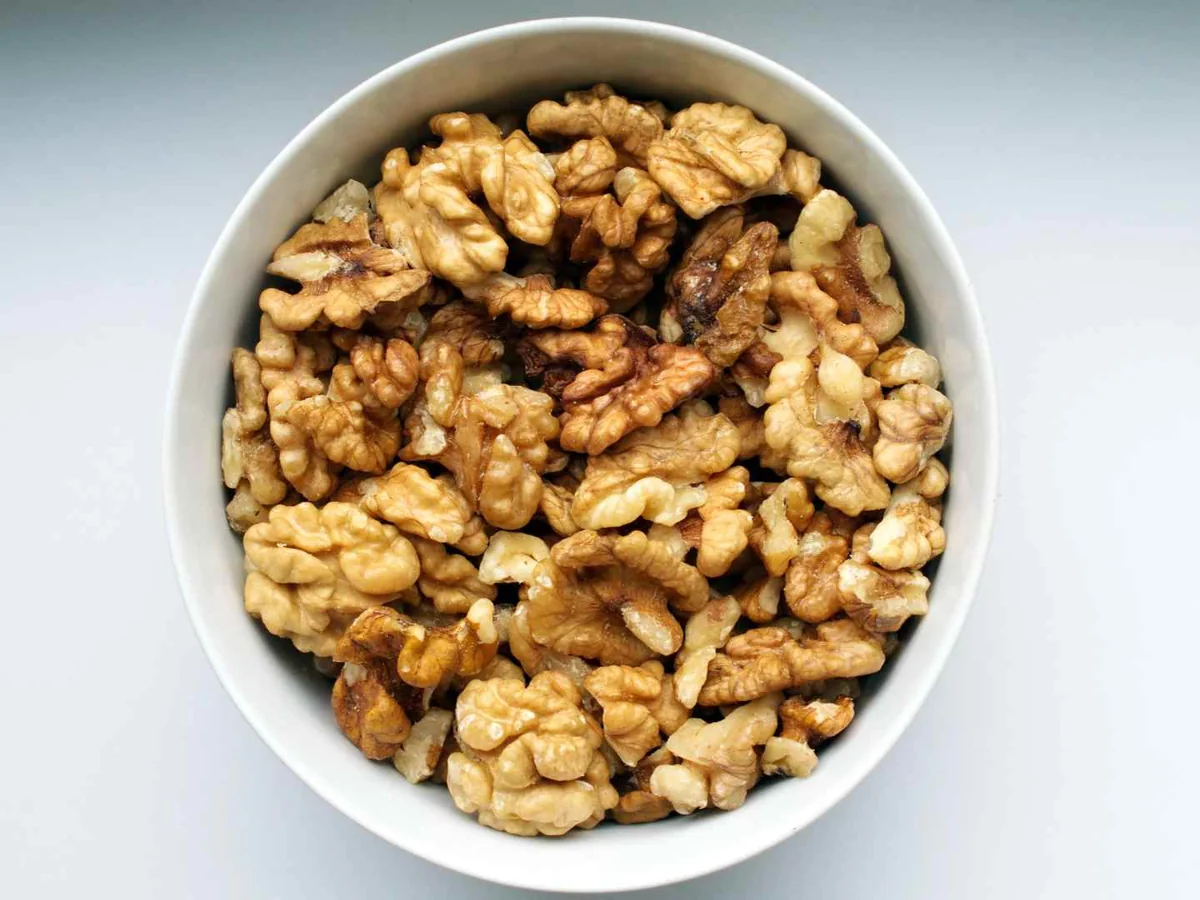
English walnut kernels are high in fat and calories, with fiber and plant protein that do not fill a special feline need. A crumb may pass uneventfully, while a larger portion can cause vomiting, diarrhea, abdominal discomfort, or appetite disruption.
Do not promise pancreatitis after one bite, because an individual event cannot support that diagnosis. Persistent vomiting, a painful or tense abdomen, marked lethargy, or refusal to eat warrants veterinary assessment, especially in a cat with prior pancreatic or gastrointestinal disease.
The site’s cat nut overview compares common kernels without treating every plant in the snack aisle as one substance. For walnuts specifically, freshness and physical form matter more than a dramatic blanket label.
Shell is the part that changes the geometry
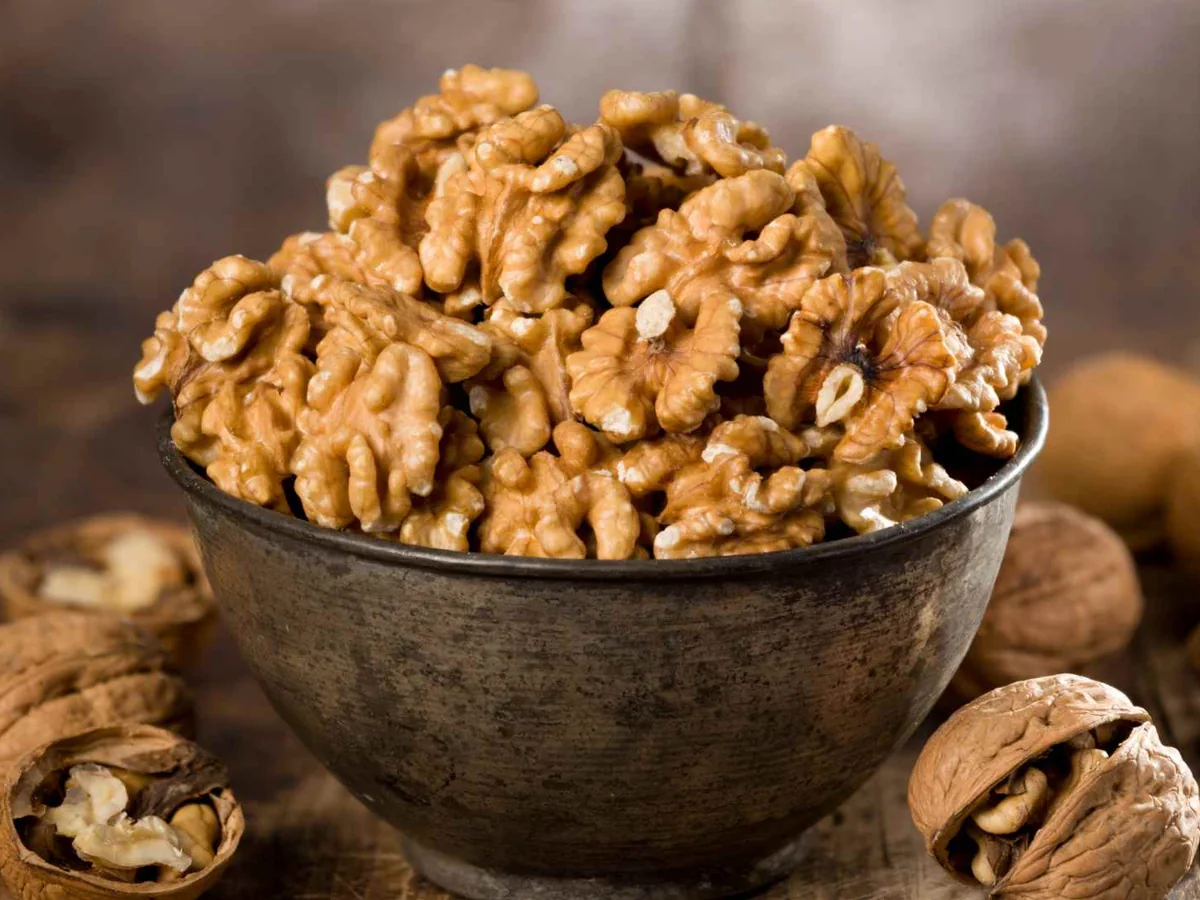
Walnut shell is hard, irregular, and capable of breaking into pointed fragments. A piece can cut the mouth, lodge in the throat, fracture a tooth, or become a stomach or intestinal foreign body.
Coughing, gagging, repeated swallowing, mouth pawing, drooling, blood, breathing difficulty, or collapse calls for immediate help. Later vomiting, abdominal pain, reduced stool, hiding, or appetite loss can signal a swallowed fragment and should not be managed with bread, oil, pumpkin, or laxatives.
Do not induce vomiting after suspected shell ingestion, and do not reach blindly into an alert cat’s throat. If a fragment is visibly loose near the front of the mouth, call a clinic for handling instructions rather than risking a bite or pushing it deeper.
Nutcrackers create a small hardware inventory
Shelling walnuts can scatter slivers beside spring-loaded crackers, picks, knives, bowls, mesh bags, ribbons, and decorative wire. A cat arriving for crumbs may find the sharp tool before finding the kernel.
Sweep and damp-wipe the area after moving pets away, then inspect under appliances where shell pieces bounce. If a metal pick, blade tip, wire, or elastic tie is missing, tell the veterinarian even when the cat looks comfortable.
Moldy walnuts deserve urgent respect
Mold is not merely an unpleasant flavor because some fungi can produce mycotoxins. The Merck Veterinary Manual overview of animal mycotoxicoses names walnuts among high-protein foods associated with tremorgen exposure and lists all species as susceptible, while noting that dogs are particularly sensitive.
That source does not provide a safe feline walnut dose, and visible fuzz does not measure toxin concentration. A cat that reached moldy nuts, compost, or spoiled bakery waste should be discussed promptly with a veterinarian or animal poison service.
Vomiting, agitation, unusually strong responses to touch or sound, wobbliness, tremors, rapid heart rate, collapse, or seizures after a moldy-food incident is an emergency. Reduce noise and handling, keep the cat from stairs, and transport as directed without giving charcoal or trying home vomiting.
Rancid and moldy are not the same problem
Walnut oils can oxidize, creating stale, paint-like, bitter, or otherwise abnormal odor and flavor without visible fungal growth. Rancid food belongs in a sealed bin, but neurologic mycotoxin concern depends on fungal contamination rather than every old-tasting kernel.
FDA’s tree-nut inspection method separately classifies moldy, rancid, insect-damaged, and otherwise decomposed nuts, including walnuts. That distinction is useful at home because the correct response starts with what was actually abnormal.
Discard a leaking, damp, webbed, insect-infested, discolored, gummy, or suspicious bag instead of sorting a cat portion from it. Keep the package and lot code when a product seems defective or is included in a recall.
Human-food contamination still applies to the baking bag
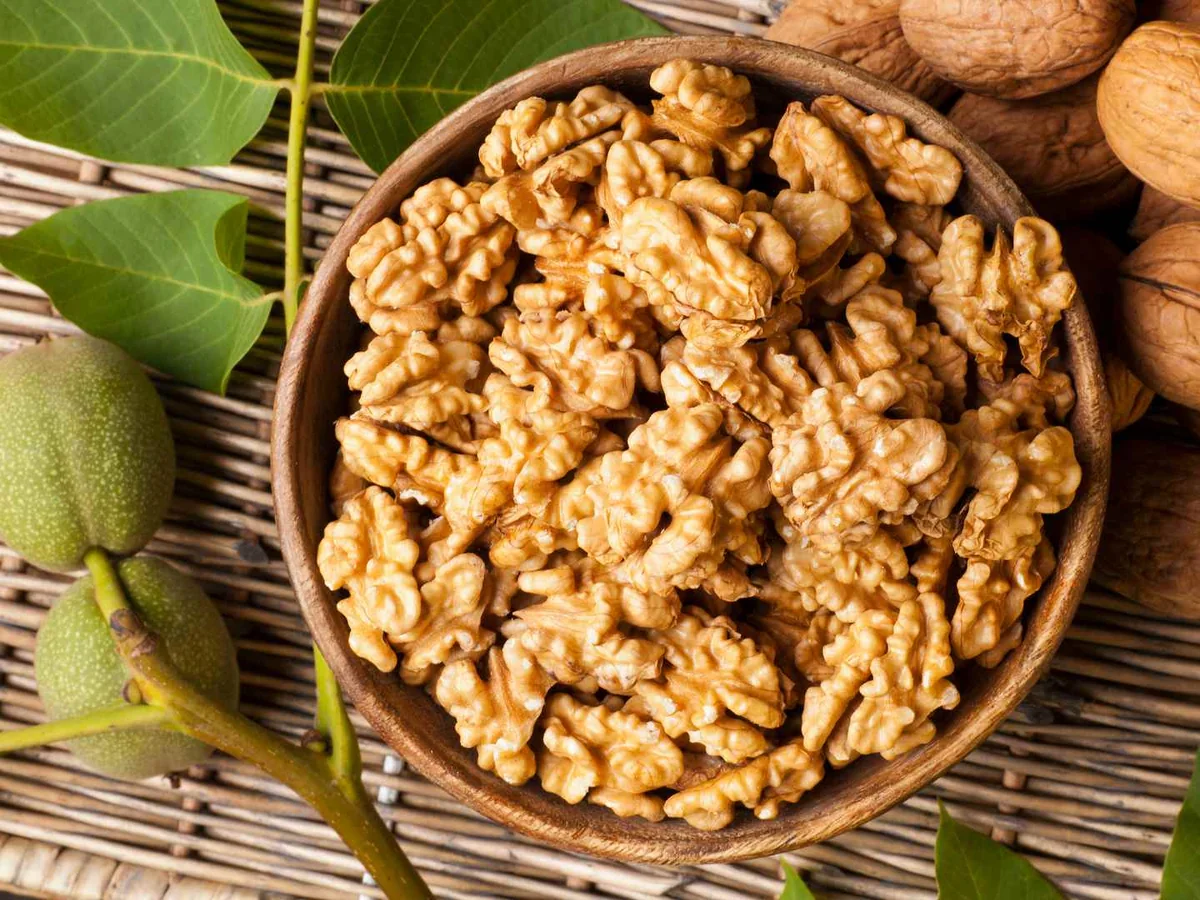
Clean-looking tree nuts can be subject to microbial contamination before they reach a kitchen. FDA is conducting Salmonella risk assessments for tree nuts, explicitly including walnuts, as part of food-safety prevention work.
That does not mean every raw walnut is contaminated or that one clean kernel predicts illness. It does support washing hands, following recall instructions, preventing cross-contamination, and avoiding raw nut experiments for kittens, seniors, immunocompromised cats, or vulnerable people in the household.
Mixed nuts require a roll call
A party mix can contain walnuts, almonds, pecans, cashews, peanuts, pistachios, Brazil nuts, hazelnuts, and macadamias, plus dried fruit, candy, cereal, pretzels, or chocolate. Identify the mix from its actual bag rather than naming the most visible walnut.
Macadamia-associated weakness and neurologic signs are well documented in dogs, but a canine syndrome and dog dose should not be copied into a feline claim. An unknown mix still warrants a call because species, amounts, coatings, and non-nut ingredients remain uncertain.
The hazelnut guide and almond guide help separate hard-nut and seasoning questions. They do not clear a mixed bowl whose chocolate pieces, raisins, or wrappers are unaccounted for.
Salted, candied, and spiced coatings write a new case
Roasted walnuts may carry salt, garlic, onion, chile, barbecue powder, honey, maple glaze, cinnamon sugar, cocoa, coffee, or artificial sweeteners. Powder can settle invisibly in walnut creases even when someone brushes the surface.
Save the ingredient panel and call promptly for confirmed garlic, onion, chocolate, caffeine, cannabis, alcohol, or an unknown sweetener. Marked thirst, repeated vomiting, poor coordination, tremors, or seizures after a substantial salty-food raid also needs urgent advice.
A cinnamon-dusted crumb and a cocoa-coated handful do not belong under the same reassurance. Product identity, amount, cat weight, medical conditions, and current signs are the useful facts.
Walnut bread and desserts hide familiar hazards
Banana-walnut bread, brownies, cookies, fruitcake, baklava, carrot cake, muffins, and granola can add chocolate, raisins, alcohol, coffee, sweeteners, butter, raw batter, or mold. Count foil, cupcake liners, toothpicks, string, and plastic wrap with the food.
For a loaf incident, the banana bread guide separates baked crumbs from chocolate, raw batter, sweeteners, nuts, and packaging. A recipe card or bakery label is far more useful than the phrase homemade.
Do not feed a stale walnut pastry to avoid waste. Rich leftovers can upset the digestive tract, and age adds spoilage questions without making the calories more suitable for a cat.
Pesto and salad are full recipes
Some pesto substitutes walnuts for pine nuts and may contain garlic, cheese, salt, and generous oil. Salads can combine walnuts with onion, grapes, raisins, blue cheese, dressing, skewers, or elastic produce bands.
Use the cat pesto guide when a green sauce is missing, but preserve its label because formulations vary. Scraping visible nuts away cannot remove dissolved garlic, seasoning, or dressing.
Walnut butter and oil concentrate the portion
Smooth walnut butter removes the shell hazard but makes it easy to swallow a large, calorie-dense amount. Blends can contain other nuts, salt, sugar, cocoa, protein powder, sweetener, or added oils.
Walnut oil can coat paws and become a second exposure during grooming, while a glass bottle introduces cuts. Prevent licking, contain broken glass without bare hands, and ask the clinic how to clean heavily contaminated fur.
Human omega-3 marketing does not establish a feline treatment dose or prove that pantry oil will help skin, joints, kidneys, cognition, or inflammation. Supplements and therapeutic fatty acids should come from a veterinarian who knows the cat’s diet and medications.
Black walnuts and yard walnuts need identification
Black walnut and English walnut are different Juglans species, and yard fruit may include a green hull around a hard shell. Do not copy equine warnings about black-walnut bedding into a claim that every black-walnut kernel acutely poisons cats.
Outdoor walnuts can be moldy, insect-damaged, treated with lawn chemicals, contaminated by animal waste, or attached to hull material that stains and irritates. Photograph the tree, fruit, ground conditions, and any pesticide, fertilizer, slug bait, or rodent-bait labels.
A lawn mower can turn shells into projectiles and scatter shards across a patio. Gather fallen nuts frequently and block compost access rather than waiting for a cat to demonstrate excellent orchard judgment.
Walnuts do not complete a carnivore’s diet
Walnuts contain human-valued nutrients, yet they do not supply a complete feline nutrient pattern and are too calorie-dense for casual repetition. Plant omega-3 in walnuts is not a reason to replace an animal-appropriate formulated diet.
FDA explains what a complete-and-balanced pet-food claim means for intended species and life stage. Cats needing calorie, fiber, or fatty-acid changes should receive a plan built for their diagnosis rather than a walnut topper.
The walnut incident checklist
- Remove the nut bowl, shells, tools, recipe, compost, yard debris, packages, and every neighboring snack.
- Identify fresh kernel, shell, mold, rancidity, coating, mixed nuts, baked food, butter, oil, or outdoor fruit.
- Record the maximum amount, time, cat’s weight, medical conditions, product lot, and current signs.
- Call promptly for shell, mold, unknown mix, toxic recipe ingredient, large amount, vulnerable cat, or any symptoms.
- Follow veterinary feeding and monitoring directions without inducing vomiting or giving household antidotes.
Frequently asked questions
Are plain walnuts poisonous to cats?
A tiny fresh, plain, shelled kernel is unlikely to cause acute poisoning in most healthy adults, but walnuts are fatty, calorie-dense, and unnecessary. Do not make them a routine treat.
What if my cat swallowed walnut shell?
Call promptly with the fragment size, amount, time, and signs because shell can cut, choke, or obstruct. Do not induce vomiting or pull material that seems stuck.
Why are moldy walnuts more urgent?
Some molds can produce tremorgenic mycotoxins associated with vomiting, wobbliness, tremors, exaggerated responses, and seizures. Visible mold cannot reveal the toxin amount, so professional triage is appropriate.
Are black walnuts toxic to cats?
Feline dose evidence is insufficient for a simple toxic threshold, and horse bedding warnings should not be transferred to cats. Avoid the kernel, hull, and shell, especially when outdoor fruit is moldy or chemically contaminated.
Bottom line
A speck of fresh shelled walnut is generally a digestive-monitoring event, while shell and mold can create urgent physical or neurologic problems. Mixed nuts, recipes, coatings, oils, yard fruit, and packaging need their own inventory, and walnuts offer cats no nutritional prize worth the trouble.