Cat Ate Fish Bones? Mouth Injuries, Choking, and What to Do
If your cat swallowed a sharp fish bone, call your veterinarian for case-specific advice, especially if the cat is gagging, drooling, pawing at the mouth, or struggling to swallow. I would not force food down or induce vomiting just because somebody online promised bread would “wrap around” the bone.
First identify the bone and the fish
- Identify the fish and whether it was cooked, smoked, fried, canned, or raw.
- Estimate the number and size of bones missing.
- Record the time of ingestion.
- Check for skewers, foil, hooks, fishing line, sauce, or packaging.
- Watch breathing and swallowing closely.
- Call promptly for sharp bones, multiple bones, or any symptoms.
Cats are small, and a bone that looks insignificant beside a human dinner plate can be proportionally large in a feline mouth or esophagus. “One fish bone” is not enough detail if you can identify the type and size.
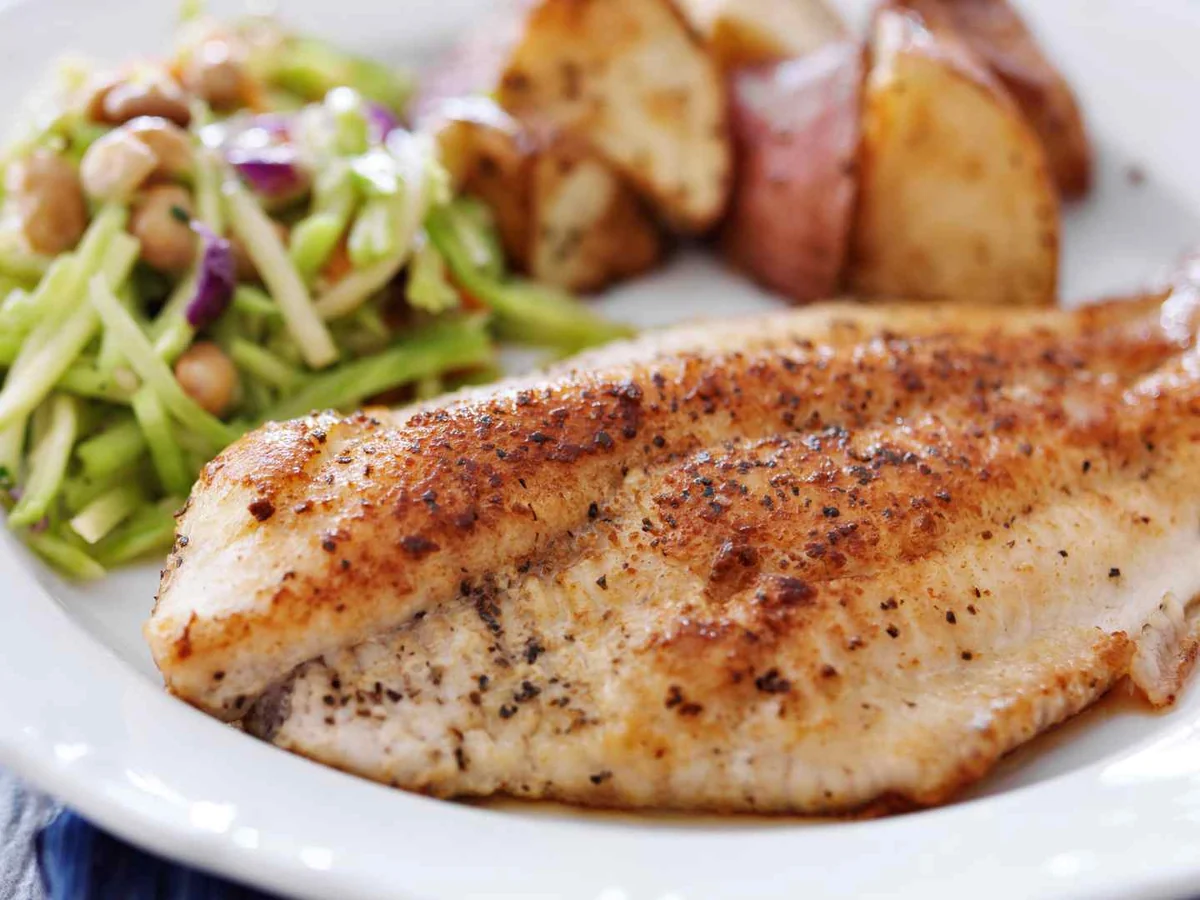
Fish bones can stick in the mouth before they reach the stomach
Fine bones can wedge between teeth, pierce the gums or tongue, lodge under the palate, or stick near the throat. That can cause sudden drooling, gagging, repeated swallowing, pawing at the mouth, reluctance to eat, or obvious pain.
A painful cat may bite or scratch when you inspect the mouth. I would not reach blindly into the back of the throat or wrestle a panicked cat for a bone I cannot clearly see.
Breathing trouble is an emergency
Open-mouth breathing, blue or pale gums, collapse, severe distress, or inability to move air means emergency veterinary care immediately. Do not delay transport to try food, oil, or repeated mouth sweeps.
A partially obstructing object can still worsen. Noisy breathing or marked respiratory effort after eating fish also deserves urgent evaluation.
An esophageal bone can cause regurgitation and repeated swallowing
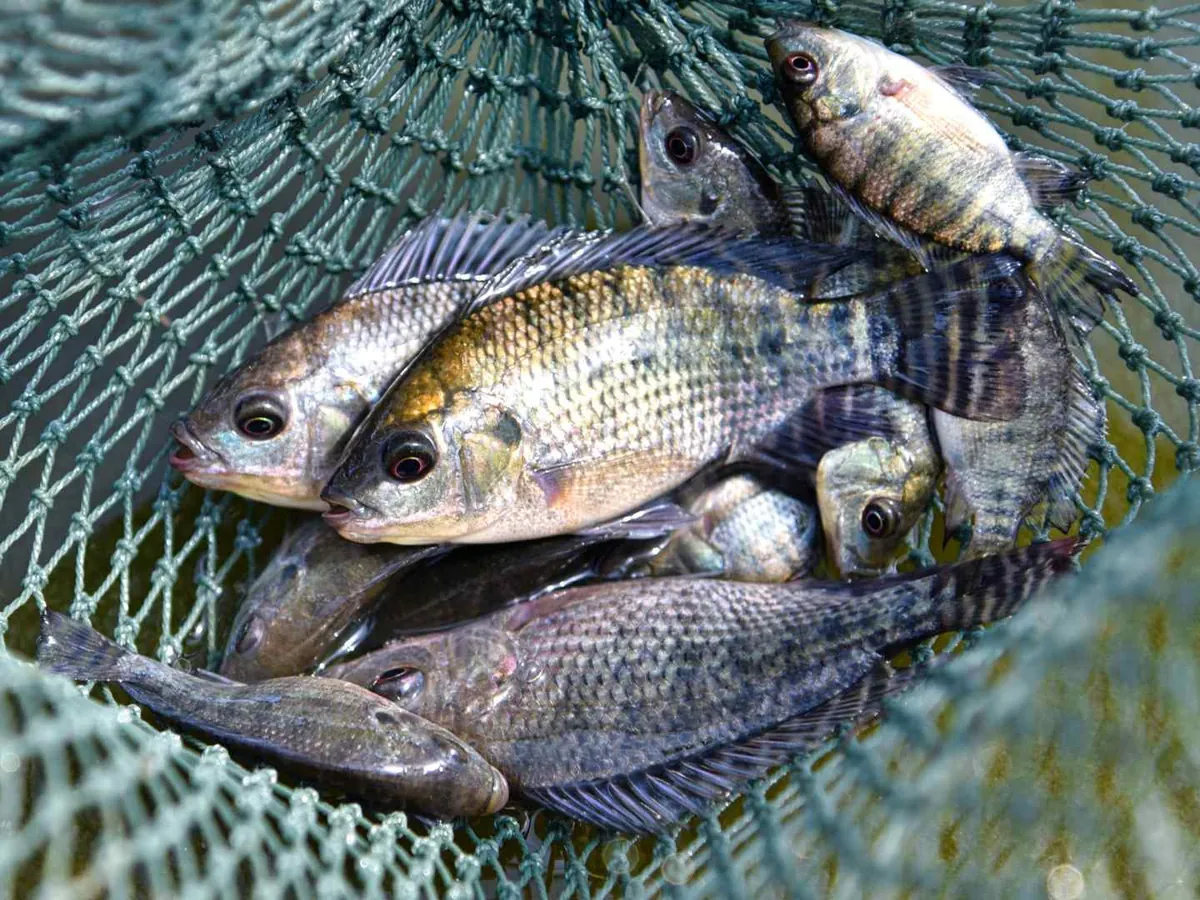
A bone lodged in the esophagus may cause drooling, gagging, neck stretching, repeated swallowing, regurgitation, refusal of food or water, or marked discomfort. Tissue damage can worsen the longer a sharp foreign body remains stuck.
Those signs deserve prompt veterinary evaluation. I would not feed more food to “push it down” when the problem may be that the esophagus is already obstructed.
Cooked fish bones can be brittle
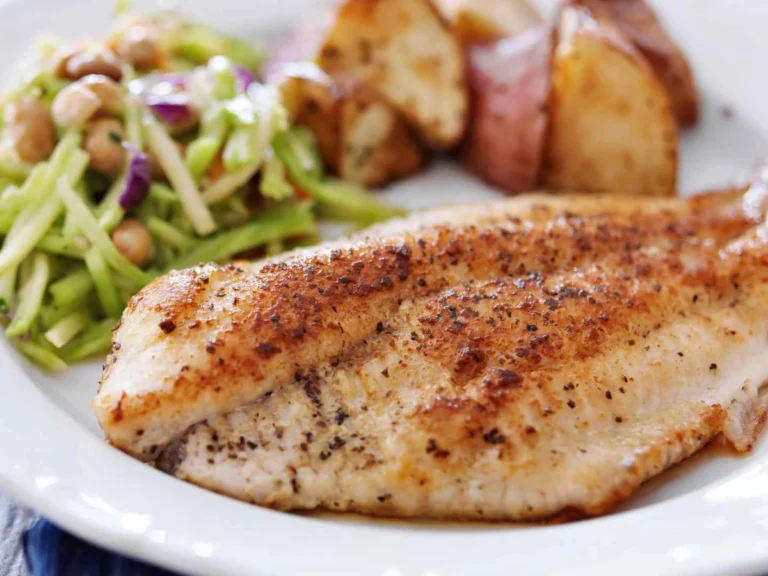
Cooking can dry and harden small bones, making some easier to fracture into sharp pieces. Baked, grilled, fried, and smoked fish can therefore still contain mechanically dangerous bones.
I would not assume a bone is harmless because the fish itself was fully cooked. Cooking reduces some foodborne risks in the meat but does not remove the foreign-body problem.
Raw fish bones are not automatically safe
Raw bones may be more flexible, but they can still puncture, lodge, choke, or obstruct. Raw fish can also introduce pathogen and parasite concerns depending on the species and source.
If the cat swallowed raw fish with bones, tell the veterinary team that the fish was raw. The bone exposure and food-safety exposure should be assessed separately.
Gastrointestinal problems can appear later
A cat can look normal shortly after swallowing a bone and develop trouble later. Repeated vomiting, abdominal pain, marked lethargy, refusal to eat, straining, bloody stool, black stool, or inability to keep water down deserves veterinary evaluation.
Sharp fragments can injure tissue, while a collection of hard material can contribute to obstruction or constipation. A symptom-free first hour is not a complete safety test.
Size and number matter in a small animal
One very fine pin bone is different from several ribs or a spine fragment. Cats have little room for the same foreign object that might be proportionally smaller in a large dog.
If another piece of the same fish is available, compare the missing bone with it. A photo beside a ruler can give the veterinary team useful scale.
Do not induce vomiting after a sharp-bone exposure
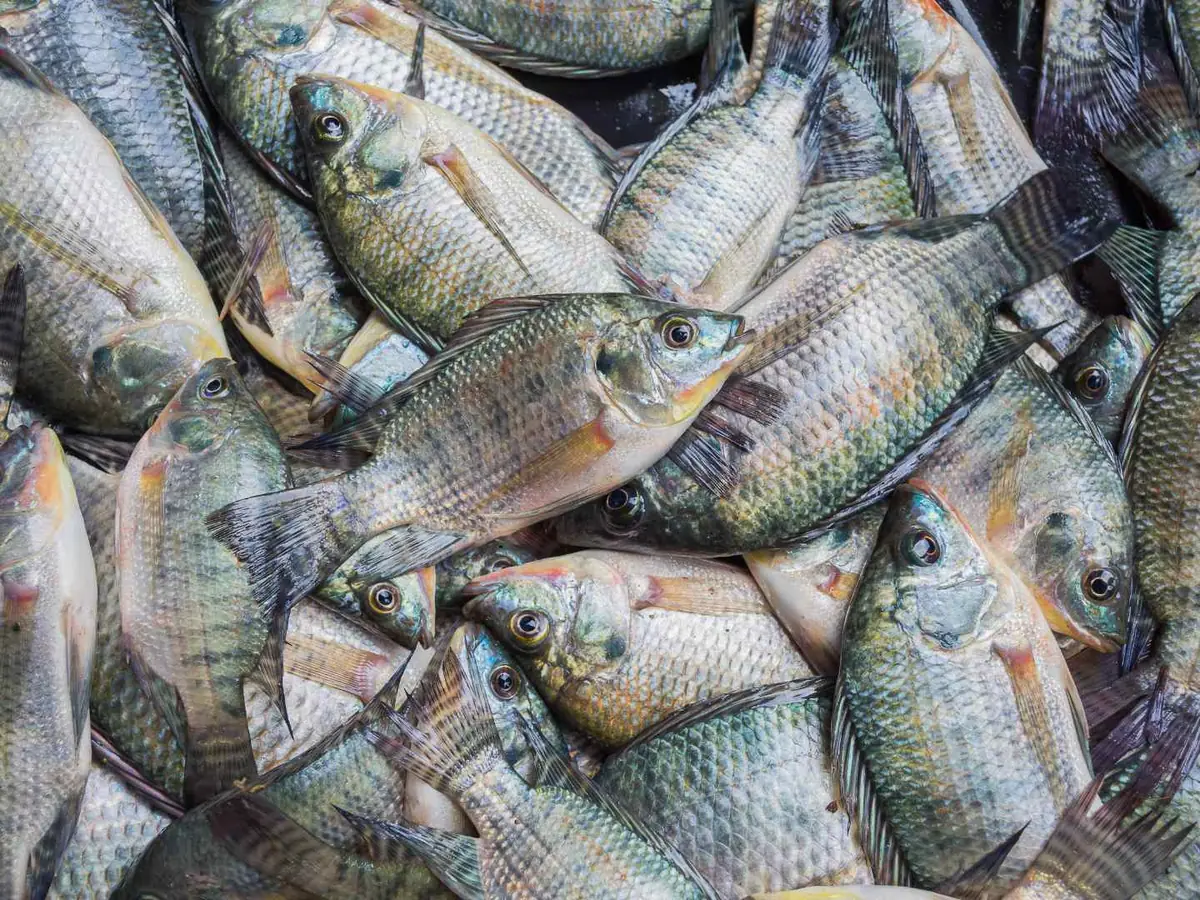
Bringing a sharp bone back through the esophagus can create additional injury. Home emesis is particularly inappropriate in cats, and hydrogen peroxide should not be used to make a cat vomit.
Do not use salt, mustard, oil, or another improvised method. Call and let the veterinary team decide whether imaging, sedation, endoscopy, or monitoring is appropriate.
Bread is not a feline fish-bone treatment
Bread, rice, pumpkin, or bulky food cannot reliably dislodge a lodged bone or protect tissue from a sharp fragment. Feeding may also complicate sedation or endoscopy if removal is needed.
Follow the feeding instructions the veterinary team gives for the specific case. I would not turn a slice of bread into a medical device because a search result sounded reassuring.
Do not blindly reach into the throat
A loose visible bone near the front of the mouth may sometimes be removable, but blindly reaching backward can push a bone deeper, injure tissue, or lead to a serious bite.
If the cat is panicked, painful, gagging, or the bone is not clearly visible and easy to grasp, stop and seek veterinary help.
Hooks, line, and skewers make the exposure more urgent
If fish was attached to a hook, lure, fishing line, skewer, or toothpick, seek prompt veterinary care. Do not pull visible fishing line from the mouth or rectum if it seems attached or stuck.
Hooks can embed in tissue, while linear material can bunch and injure the intestines. Bring matching tackle or packaging if available.
Seasoning and cooking method are separate problems
The cat may also have eaten garlic butter, onion seasoning, salty smoked fish, fried batter, spicy sauce, or rich oil. Cats are particularly sensitive to allium ingredients.
Inventory the entire plate rather than stopping at the bone. A fish-bone exposure plus garlic sauce and a swallowed skewer is a different case from one plain pin bone.
Canned fish can still contain bones
Some canned fish contains very soft bones that are designed to be eaten, while other products are boneless. Soft canned sardine or salmon bones are mechanically different from sharp cooked fillet bones.
If the cat raids a can, check sodium, oil, sauces, onion, garlic, and the can itself. A sharp metal lid creates a separate injury risk.
Appetite loss deserves extra attention in cats
A cat that stops eating after a suspected bone exposure deserves veterinary attention, especially when vomiting, hiding, drooling, or abdominal pain is present. Cats should not go prolonged periods without food when ill.
I would not keep offering different foods in hopes of proving the cat can swallow. If an esophageal or gastrointestinal foreign body is possible, follow veterinary feeding instructions.
What veterinary evaluation may involve
Depending on symptoms and suspected location, veterinary care may involve oral examination, sedation, imaging, endoscopy, monitoring, or surgery. Not every swallowed bone requires the same treatment.
A visible oral bone is a different problem from a cat developing abdominal pain days later. Give the veterinary team the best timeline and bone description you can.
What to monitor when your veterinarian recommends observation
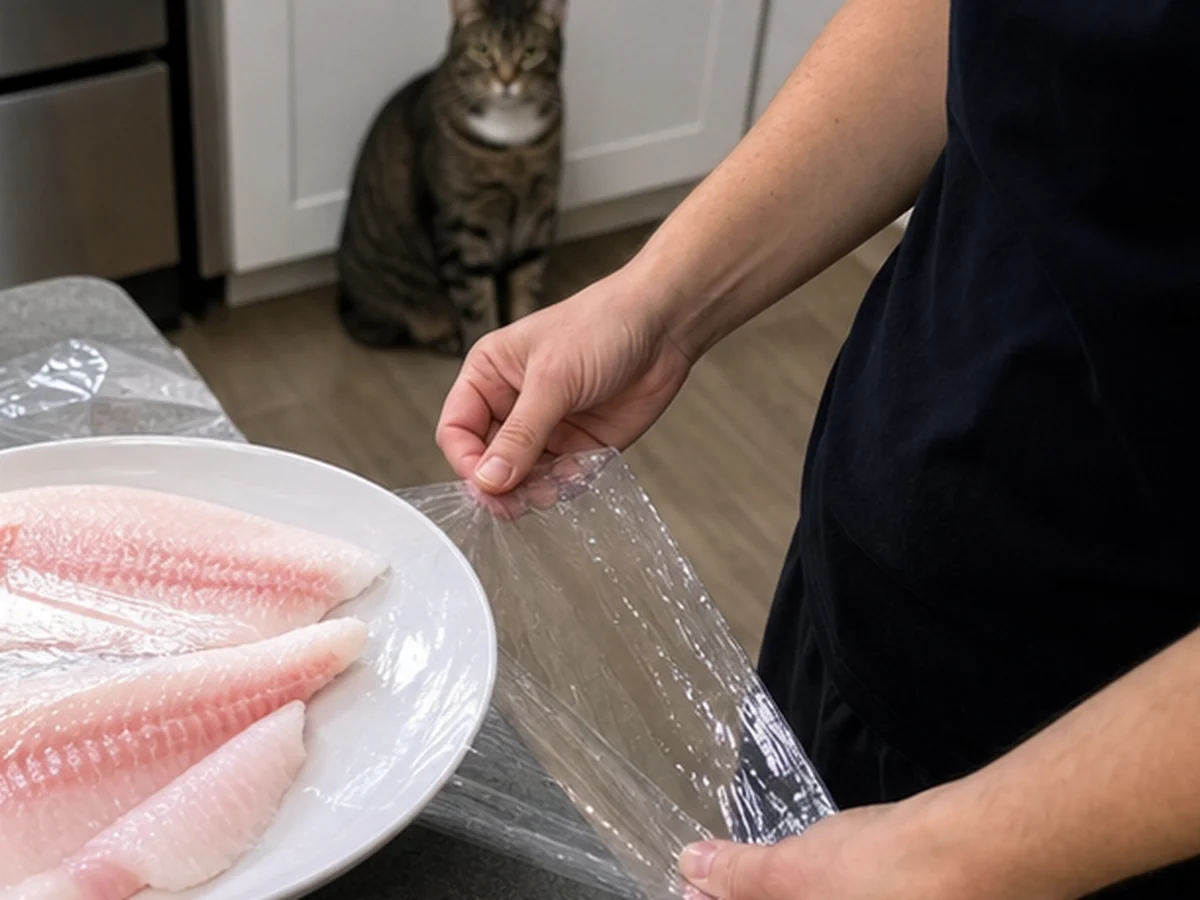
Watch swallowing, appetite, vomiting, stool, energy, abdominal comfort, hiding behavior, and ability to keep water down. Follow the monitoring window and feeding instructions the veterinary team provides.
Do not assume one normal stool proves every bone has passed. Call if new symptoms appear during the observation period.
Prevention is careful deboning plus trash control
Flake fish apart and run fingers through the serving before giving it to a cat. Put carcasses, bones, skewers, foil, and fishing tackle in secure trash or storage immediately.
Cats are very capable of retrieving the one thing you thought was safely abandoned on a plate. I would rather remove the opportunity than test whether tonight is the night somebody discovers fish-skeleton parkour.
Frequently asked questions
My cat ate one small fish bone and seems fine. What should I do?
Call your veterinarian for case-specific advice if the bone was sharp or the size is uncertain. Normal behavior immediately afterward does not completely rule out a later problem.
Should I give my cat bread?
No unless a veterinarian specifically recommends feeding. Bread does not reliably remove or neutralize a sharp bone.
Can I make my cat vomit?
Do not try to induce vomiting at home. Sharp bones can cause additional injury, and common dog emesis methods are unsafe or inappropriate for cats.
How long can complications take?
Timing varies with bone size and location. Follow your veterinarian’s monitoring plan because gastrointestinal symptoms can develop after a delay.
Bottom line
Fish bones can lodge in a cat’s mouth or esophagus, choke, or injure the gastrointestinal tract. I would call after a meaningful sharp-bone exposure, avoid home vomiting and “cushioning” remedies, and seek urgent care for breathing trouble, gagging, repeated vomiting, pain, bleeding, appetite loss, or marked lethargy.