Can Dogs Eat Lima Beans? Cooking, Raw-Bean Risks, and Portions
Many healthy adult dogs can eat a small spoonful of fully cooked, plain lima beans, but raw or undercooked beans are not a safe shortcut. Cook them until soft, serve without salt, butter, oil, broth, onion, or garlic, and keep the portion modest; canned beans need label and sodium checks, while dry beans require complete preparation.
The answer changes with preparation
- Fully cooked plain beans: a small occasional portion may suit many healthy adult dogs.
- Raw fresh, raw frozen, dry, soaked-only, sprouted, or undercooked beans: do not feed.
- Canned beans: choose plain, check sodium and additives, drain, rinse, and portion small.
- Seasoned beans: assess onion, garlic, butter, bacon, salt, sauces, and sweeteners.
- Unknown variety or home-grown seed stock: keep the package and call if eaten raw.
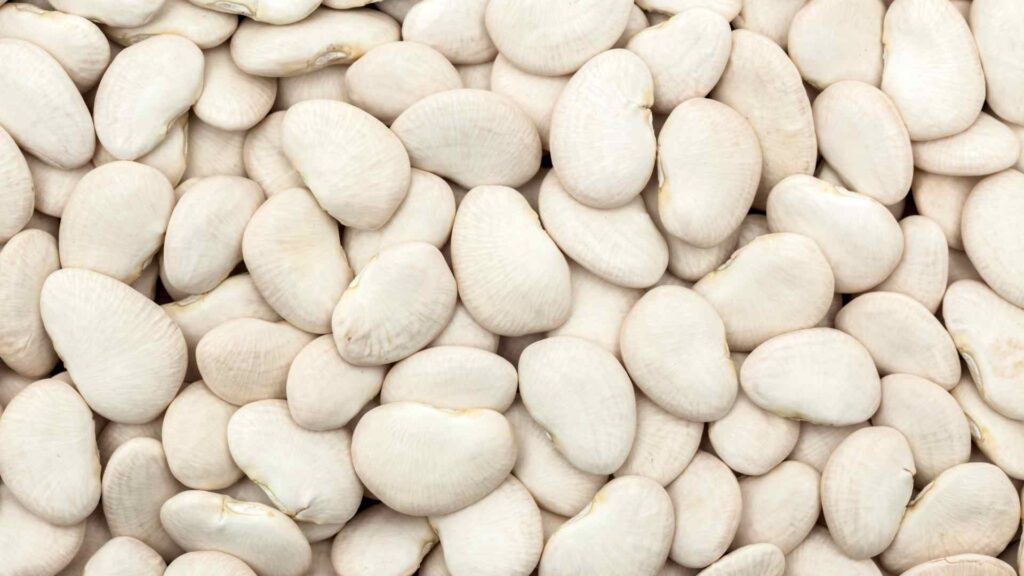
Lima beans are also called butter beans, but butter bean does not mean they contain dairy. A recipe called butter beans may still add actual butter, cream, pork, salt, and spices, so read beyond the name.
Edamame is another bean with a different pod and preparation profile, covered in our edamame guide. Do not assume every legume follows the same raw-food rule.
Why raw lima beans deserve a firm no
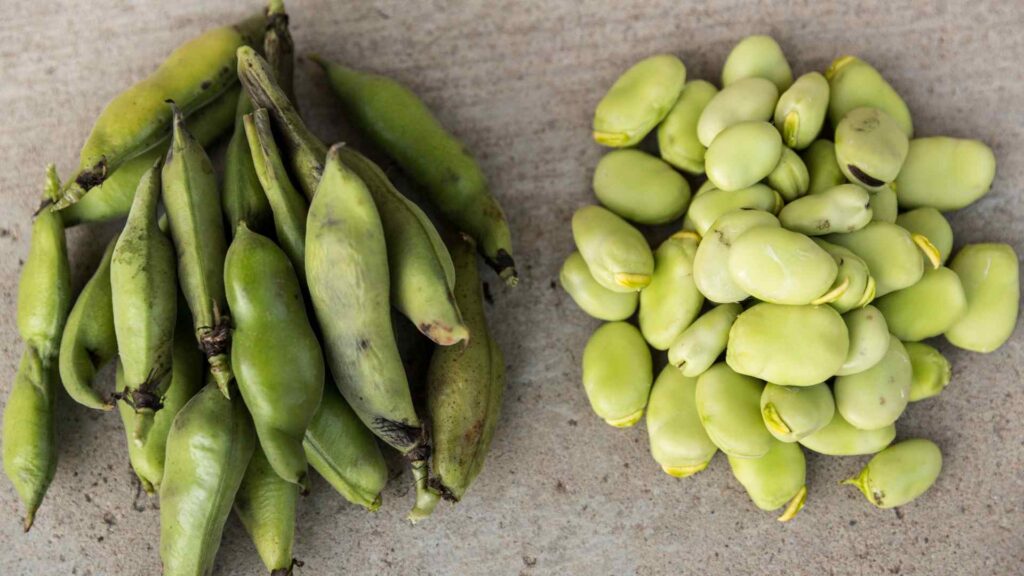
The Merck Veterinary Manual table of cyanogenic plants includes Phaseolus lunatus, the lima bean. Cyanogenic glycosides can release cyanide when plant tissue is damaged and metabolized.
Cultivar and preparation affect the amount, which is why a universal raw-bean dose would be misleading. Commercial edible varieties and properly cooked beans are not equivalent to raw dry beans or unidentified garden stock.
An FDA policy statement on plant-food toxicants notes that legumes can contain lectins and cyanogenic glycosides and that improper preparation can cause serious illness. It says cooking or soaking can inactivate or remove some hazards, depending on the compound and food.
For a dog treat, the clean rule is simpler than home toxicology: do not feed raw, soaked-only, sprouted, or undercooked lima beans. Use a food intended for human consumption and cook it completely according to package directions until soft.
Lectins are another raw-bean reason
The European Food Safety Authority lectin guidance advises cooking pulses until soft and notes that steaming, microwaving, and roasting may be less effective than proper boiling for lectin reduction. Preparation time depends on the pulse.
Most public lectin warnings focus especially on kidney beans, but lima beans should not be used to test which raw legume a dog tolerates. Vomiting and diarrhea after undercooked beans still need a call even when cyanide signs are absent.
What fully cooked means at home
- Use packaged lima beans sold for human food and discard damaged, moldy, insect-infested, or unidentified beans.
- Follow the package soaking and cooking directions rather than improvising a low-temperature method.
- Cook in fresh water until every bean is soft throughout, not chalky or firm in the center.
- Discard the cooking liquid and set aside the dog’s portion before adding any other ingredient.
- Cool completely, mash larger beans for small dogs, and offer only a small spoonful.
A slow cooker may spend too long at temperatures that do not quickly neutralize bean lectins, so it is not the method to improvise for raw dry beans. Boiling and complete cooking according to reliable package guidance are safer.
Frozen lima beans are convenient but generally require cooking; freezing is not the same as fully cooking. Do not toss a hard frozen bean to a small dog as a crunchy snack.
Cyanide warning signs are rapid and serious
A meaningful cyanide exposure can cause rapid breathing, drooling, vomiting, weakness, tremors, seizures, collapse, abnormal heart rhythm, or unusually bright red followed by blue-tinged mucous membranes. These signs demand emergency veterinary care.
Do not wait for all signs to appear after a substantial raw-bean exposure. Save the package or plant sample, estimate the amount and time, and contact a veterinarian or animal poison-control service promptly.
Do not induce vomiting or give charcoal, peroxide, salt, milk, oil, or another remedy unless a veterinary professional gives case-specific instructions. Severe toxic exposures can progress too quickly for kitchen experiments.
Canned lima beans trade cooking uncertainty for label work
Commercial canned lima beans are heat-processed, so the raw-bean toxicology problem is not the main issue. Sodium, broth, sugar, preservatives, and seasonings become the practical questions.
Choose a plain no-salt-added or lower-sodium product when available, drain it, rinse the beans under water, and serve very little. Rinsing can remove surface liquid but cannot prove a medical diet’s sodium limit has been met.
Dogs with heart disease, kidney disease, high blood pressure, fluid-balance problems, or a sodium-restricted diet need veterinary approval. A can labeled organic can still contain salt or broth.
Salt, butter, meat, onion, and garlic change the dish
Southern-style butter beans, succotash, casseroles, soups, and holiday sides often include bacon, ham, sausage, butter, cream, stock, salt, onion, or garlic. The beans do not cancel the rich or toxic ingredients around them.
Our onion guide and garlic guide explain Allium-related red blood cell damage and delayed signs. Powdered seasonings can be concentrated, so keep the recipe and quantity.
Bacon and ham add salt and fat, while meat drippings make the dish richer. A small lick and a missing casserole require different responses.
Choking and gas are the everyday portion problems
A whole large lima bean can be gulped by a tiny dog, while a mound of beans can be eaten faster than expected. Mash or flatten the dog’s small portion and supervise.
Beans contain fermentable carbohydrates and fiber, so too much can produce gas, bloating, soft stool, diarrhea, abdominal discomfort, or vomiting. Increase neither the portion nor frequency to force the digestive tract to adapt.
A suddenly distended painful abdomen, repeated unproductive retching, collapse, or severe restlessness is an emergency and should not be dismissed as ordinary bean gas. Repeated vomiting or inability to keep water down also needs care.
Lima beans are not protein or fiber therapy
Lima beans contain plant protein and fiber, but a treat-sized spoonful does not correct muscle loss, replace animal protein, balance a homemade diet, or treat constipation. A complete dog food already supplies amino acids and fiber in a planned formula.
Plant protein is not automatically interchangeable with the complete protein profile and nutrient balance of the dog’s main diet. Replacing food with beans can dilute essential amino acids, minerals, vitamins, fatty acids, and calories.
Chronic constipation, diarrhea, weight loss, muscle loss, poor appetite, or bloating needs diagnosis. Adding fiber without knowing the cause can worsen obstruction, dehydration, or discomfort.
Calories and medical diets
The UC Davis veterinary treat guideline recommends that treats and extras remain below 10 percent of daily calories. Lima beans share that allowance with chews, training rewards, scraps, and pill foods.
Dogs with diabetes, kidney disease, heart disease, pancreatitis, gastrointestinal disease, food allergy trials, or prescription diets need an individualized answer. Beans can contribute potassium, phosphorus, carbohydrate, fiber, and protein that matter to a therapeutic plan.
Peanuts are legumes too, but their fat and shell risks differ substantially, as explained in our peanut guide. Botanical family does not create one serving rule.
What to do after a lima-bean raid
- Secure the food and identify raw, dry, soaked, sprouted, frozen, cooked, canned, or seasoned beans.
- Save the package, recipe, cooking method, plant sample, and any missing packaging.
- Estimate the amount, time, dog’s weight, symptoms, and medical conditions.
- Check for onion, garlic, salt, butter, bacon, ham, xylitol, and other unsafe ingredients.
- Call promptly for raw or undercooked beans, unknown varieties, large amounts, symptoms, or a vulnerable dog.
A healthy adult dog that ate a small spoonful of fully cooked plain beans and remains comfortable can usually be monitored. Keep water available and return to the normal diet without adding more beans.
One cooked bean and one handful of raw dry beans are not comparable exposures. The form, cooking history, quantity, dog’s size, and symptoms guide triage.
Frequently asked questions
Can puppies eat lima beans?
A tiny amount of fully cooked plain mashed bean may be tolerated, but puppies need nearly all calories from complete growth food. Raw beans are not appropriate.
Can dogs eat frozen lima beans?
Cook them fully according to the package, cool them, and serve only a small plain portion. Freezing does not make raw or blanched beans ready for a dog.
Can dogs eat canned lima beans?
A small amount of plain drained and rinsed canned beans may suit some healthy dogs, but check sodium, broth, sugar, and seasonings. Therapeutic diets require veterinary approval.
Are lima beans toxic to dogs?
Raw and improperly prepared lima beans contain cyanogenic compounds and other antinutritional factors, while fully cooked plain beans are a different exposure. Preparation is the key distinction.
Can lima beans help constipation?
Do not use them as treatment. Constipation can reflect dehydration, pain, obstruction, medication, diet, neurologic disease, or other problems that need diagnosis.
The bottom line
A small amount of fully cooked, soft, plain lima beans can be an occasional treat for many healthy adult dogs. Raw, sprouted, soaked-only, or undercooked beans belong off the menu.
Canned beans need sodium and ingredient checks, and seasoned dishes need a full recipe review. Treat beans as optional food, not protein replacement, fiber medicine, or a homemade nutrition fix.