Can Dogs Eat Currants? Fresh Currants vs. Raisin-Type Currants Explained
The word currant can mean two very different foods, and that distinction matters a lot for dogs. Fresh red, black, and white currants are Ribes berries, while Zante or Corinth currants are tiny dried grapes that belong in the same urgent conversation as raisins.
The quick currant verdict for dogs
Fresh Ribes currants are not grapes and are not known to carry the same established canine acute-kidney-injury risk as grapes and raisins. A few ripe fresh berries are more likely to cause ordinary gastrointestinal upset than grape-associated kidney injury.
Zante currants, Corinth currants, and many baking currants are dried grapes. If a dog eats those, I would treat the exposure like raisins and call promptly because individual susceptibility is unpredictable.
The most important first step is therefore identification. Before deciding how worried to be, figure out whether the food was a fresh Ribes berry or a dried grape product.
Fresh red, black, and white currants are Ribes berries
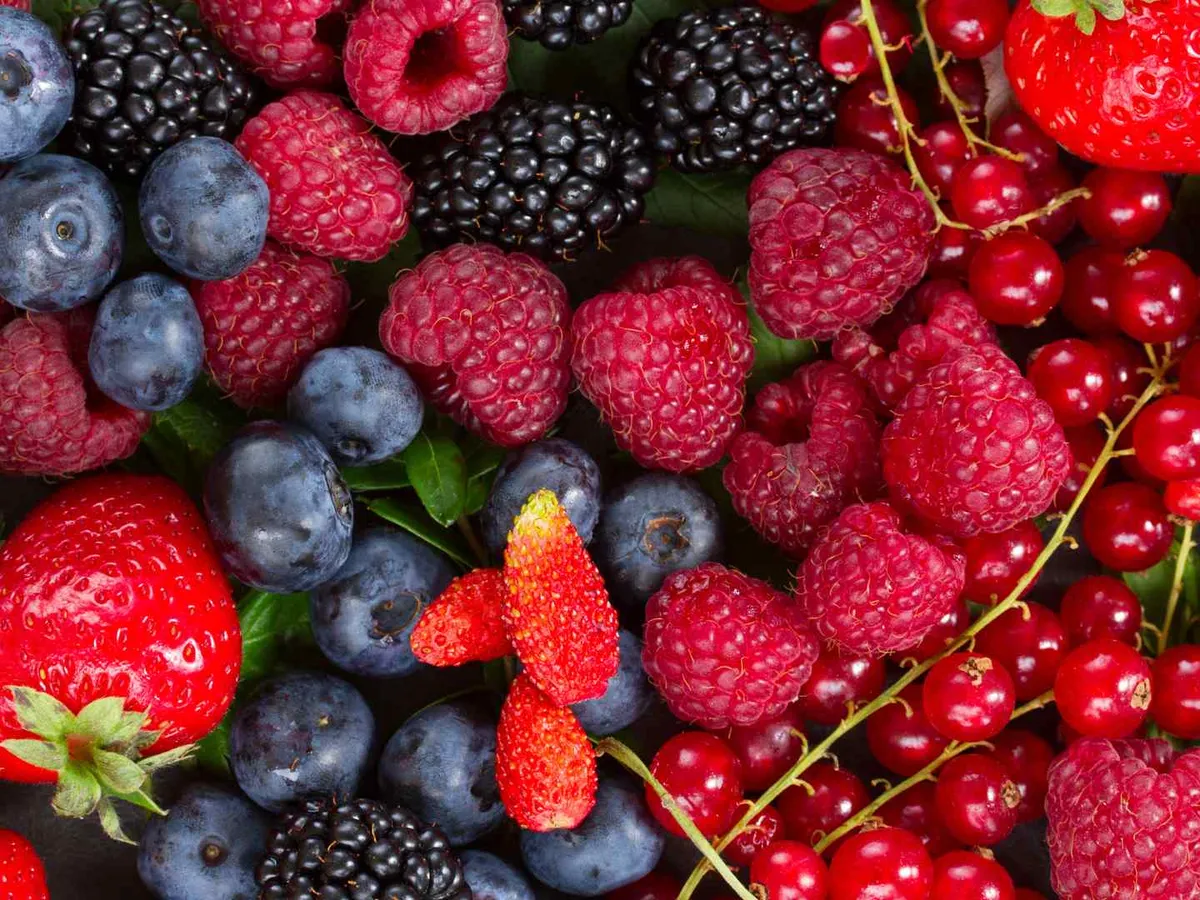
True fresh currants come from plants in the Ribes genus. Red currants, black currants, and white currants are small tart berries and are botanically different from grapes.
A tiny fresh berry may be tolerated by many healthy dogs, although the acidity, sugar, and fiber can cause vomiting, loose stool, or stomach discomfort in larger amounts.
I would still keep portions small. Dogs do not need currants nutritionally, and a tart berry can become a very effective gastrointestinal complaint when a dog eats a bowlful.
Zante and Corinth currants are dried grapes
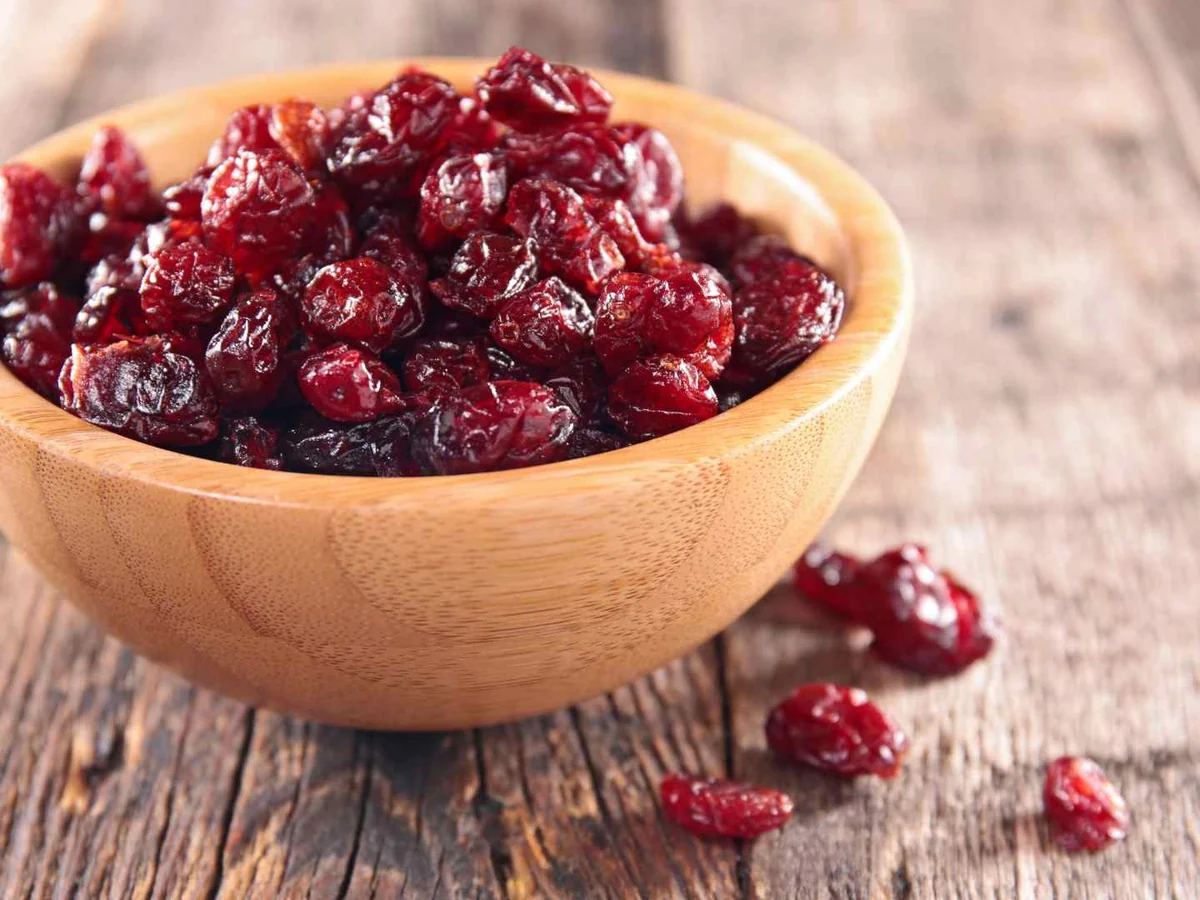
Zante currants and Corinth currants are made from small grape varieties and are essentially raisin-type products. They are not the same food as fresh red or black currants.
Dried grapes can cause acute kidney injury in dogs, and there is no dependable number of raisins or Zante currants I would use at home to declare a dog safe. Susceptibility varies between dogs.
If a dog eats a meaningful amount of Zante or Corinth currants, save the package, estimate the amount missing, record the dog’s weight and timing, and call a veterinarian or animal poison service promptly.
The dried-grape risk is why the name causes trouble
A package labeled currants can sound like it contains a tiny berry when the actual ingredient is dried grape. That naming issue matters because the canine risk profiles are completely different.
I would never rely on the front of a package alone. Read the ingredient list and look for Zante, Corinth, Black Corinth, dried grape, or raisin-type wording.
If the origin is uncertain and the product looks like small dark dried fruit, I would treat the uncertainty seriously rather than assume it is a harmless fresh-currant product.
Baking currants are often grape currants
Fruitcake, hot cross buns, scones, Irish soda bread, stuffing, granola, trail mix, cookies, and holiday breads may use dried currants. In many of those recipes, currant means a dried grape product.
If a dog eats a baked good containing currants, save the recipe or package and identify the exact fruit before deciding what to do.
The rest of the recipe matters too. Chocolate, xylitol, macadamia nuts, alcohol, onion, garlic, and raw yeast dough can create separate hazards in the same food.
Fresh currants still need reasonable portions
A few fresh Ribes berries may be low risk for many healthy dogs, but large amounts can cause gastrointestinal upset. Tart berries can be surprisingly irritating when eaten in quantity.
I would wash fresh berries, remove stems and spoiled fruit, and offer only a tiny amount if I chose to share them at all.
Dogs with diabetes, obesity, chronic gastrointestinal disease, or a prescription diet have even less reason to receive fruit extras. A familiar lower-risk treat is usually easier.
Currant jam is not the same as fresh fruit
Jam made from true Ribes currants may not carry raisin toxicity, but it is concentrated in sugar and can contain pectin, syrups, preservatives, or other additives.
A tiny lick may cause no problem in a healthy dog, while a large serving can cause vomiting, diarrhea, or a substantial sugar load.
Sugar-free preserves require a sweetener check. If xylitol appears on the label, call immediately because dogs can develop dangerous hypoglycemia and possible liver injury.
Currant syrup and cordial can hide alcohol or sweeteners
Currant syrups, cordials, liqueurs, and flavored drinks may use true black currant flavor while adding a large amount of sugar, alcohol, caffeine, or artificial sweeteners.
If a dog drinks a mixed product, save the label and assess the whole recipe. The fruit source may be much less important than the alcohol or sweetener.
Black-currant supplements are product exposures
Black-currant capsules, gummies, oils, powders, and herbal blends can contain concentrated extracts, vitamins, minerals, flavorings, or sweeteners. These should not be treated like fresh berries.
If a dog eats a supplement bottle, save the complete label and count missing doses. Human supplement formulations can be much more important than the currant ingredient.
Trail mix deserves a complete ingredient inventory
Trail mix may contain dried currants, raisins, chocolate, macadamias, coffee beans, yogurt coating, and nuts. A dog raid can therefore involve several hazards at once.
I would not stop at identifying the currants. Count every high-risk ingredient that could be missing and save the package.
Fruitcake can combine dried grapes, alcohol, and chocolate
Traditional fruitcake often uses currants that are dried grapes, plus raisins, alcohol, nuts, candied fruit, and sometimes chocolate. That makes one slice a multi-hazard exposure.
If a dog eats fruitcake, identify the dried fruit, alcohol, chocolate, nuts, sweeteners, and amount. Do not assume the currants are harmless fresh berries simply because of the name.
What signs matter after dried-grape exposure
Vomiting, lethargy, poor appetite, abdominal discomfort, increased or decreased thirst, and changes in urination can occur with grape-associated kidney injury. A dog may initially look normal.
That is why I would call promptly after a known dried-grape currant exposure rather than wait for kidney signs to appear.
What to do if your dog ate currants
- Identify whether the fruit was a fresh Ribes currant or a dried grape currant.
- Save the package, recipe, or product label.
- Estimate the maximum amount eaten and the time.
- Record the dog’s current weight.
- Check baked goods and trail mix for raisins, chocolate, xylitol, macadamias, alcohol, onion, garlic, and other hazards.
- Call promptly if Zante, Corinth, dried-grape, raisin-type, or unknown dried currants were eaten.
Do not rely on home dose rules for dried grapes
Because canine susceptibility to grape and raisin toxicity is unpredictable, I would not use a fixed number of currants per pound as a home clearance rule.
Call with the product, amount, timing, and dog weight. The veterinary team can decide whether decontamination, bloodwork, fluids, or monitoring is appropriate.
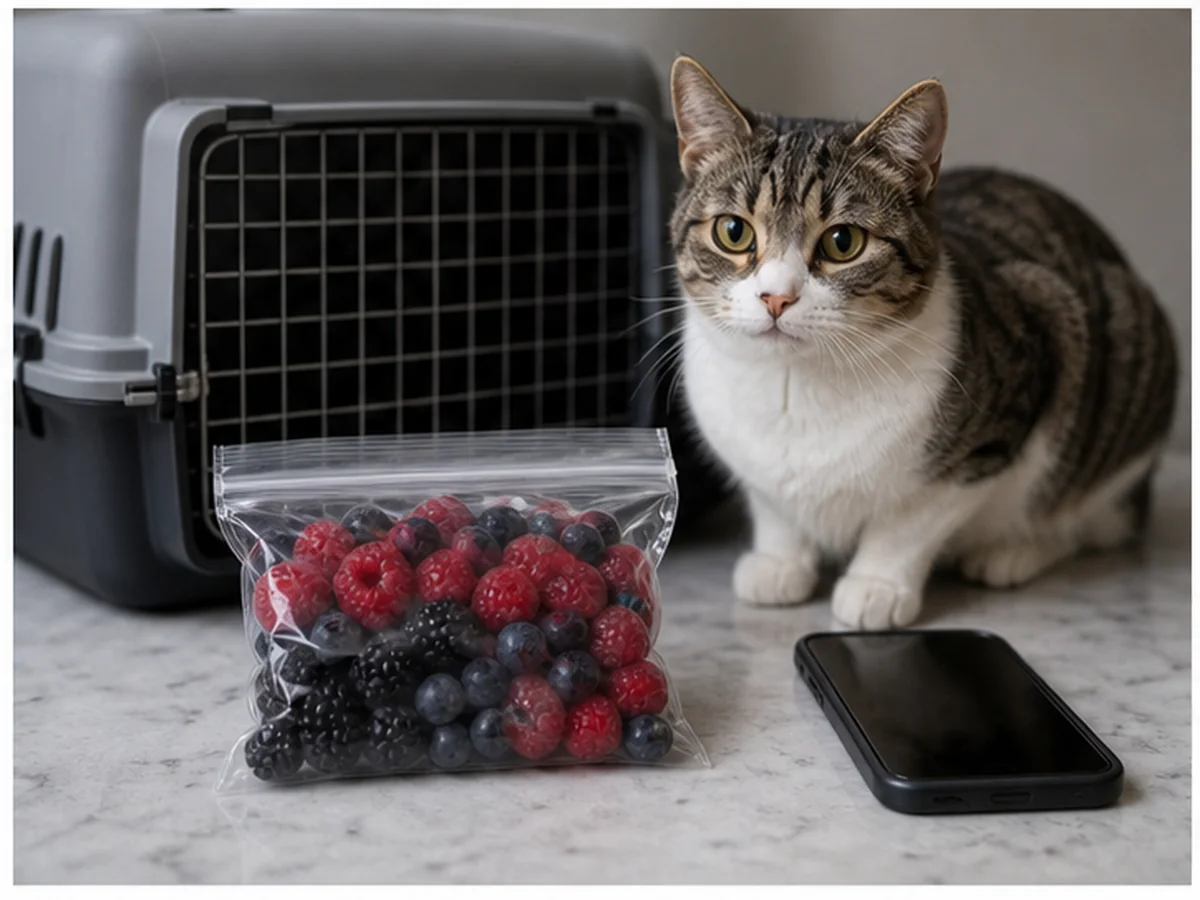
How I would serve fresh currants if I chose to
I would use only clearly identified fresh red, black, or white Ribes berries, wash them, remove stems, and offer one or two berries to a healthy dog.
I would not use dried baking currants, trail mix, fruitcake, jam, syrup, or supplements as a dog treat. The naming confusion alone makes the fresh version easier to keep separate.
Frequently asked questions
Are black currants toxic to dogs?
Fresh black currants are Ribes berries and are not the same as raisins. Keep portions small because sugar, acidity, and fiber can cause stomach upset.
Are Zante currants raisins?
Yes. Zante or Corinth currants are dried grapes and should be treated like raisins for dogs.
Can dogs eat currant scones?
I would avoid them unless you have confirmed the currants are not dried grapes. Many baking currants are grape-derived.
Can dogs eat currant jam?
A tiny amount of jam made from true Ribes currants may be low risk, but it is sugary and sugar-free versions require a xylitol check.
Bottom line
Fresh red, black, and white Ribes currants are not the same food as Zante or Corinth currants. A few fresh Ribes berries may be a low-risk occasional taste, while dried grape currants should be treated like raisins and deserve prompt veterinary advice after ingestion because canine kidney-injury risk is unpredictable.