Can Dogs Have Dairy? Milk, Cheese, Yogurt, and Real Risks
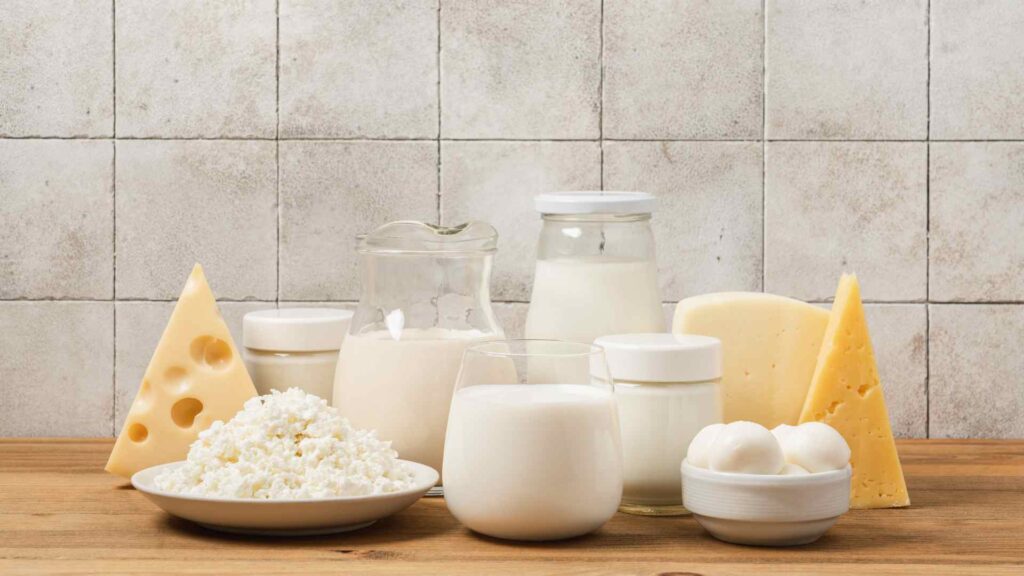
Some dogs can tolerate a small amount of plain dairy, but dairy is not one food and it is not automatically safe or toxic. Lactose, milk proteins, fat, sodium, sugar, sweeteners, flavorings, portion size, and the dog’s health all change the answer.

Start by separating intolerance from allergy
Lactose intolerance is a digestion problem caused by inadequate lactase, the enzyme that breaks down milk sugar. It commonly shows up as gas, abdominal noise, bloating, loose stool, or vomiting after a lactose-containing product.
Merck’s malabsorption guidance notes that lactase activity declines after weaning and that intestinal damage can cause secondary lactose intolerance. Dairy is therefore a poor experiment for a dog already having diarrhea.
Milk-protein allergy involves the immune system and may cause ongoing itching, skin disease, ear trouble, or gastrointestinal signs. Lactose-free milk still contains milk proteins, so it does not solve a true dairy allergy.
The Merck food-allergy guide lists dairy among common canine allergens and explains that elimination followed by rechallenge is the reliable diagnostic method. Blood, saliva, and casual ingredient swapping do not prove an allergy.
A dog can also react to fat, salt, sugar, gums, flavorings, or a second ingredient without being lactose intolerant or allergic to milk. Keep the label because the product name alone rarely tells the full story.
Milk: simple-looking, not universally simple
Cow’s milk contains lactose, fat, protein, and calories. One lap from a spill may cause no problem, while a bowl can produce substantial digestive upset in a dog that handles lactose poorly.
Lactose-free milk removes much of the lactose concern but still adds calories and milk proteins. It is not necessary for hydration, calcium, recovery, or routine nutrition when the dog eats a complete diet.
Goat’s milk is not automatically lactose-free, hypoallergenic, or probiotic. Raw goat’s milk also introduces pathogen risk and should not be used as a wellness shortcut.
Plant beverages are not dairy replacements for dogs. Almond, oat, coconut, and soy drinks vary in sweeteners, oils, gums, sodium, chocolate, and xylitol, and they are not puppy formula.
Cheese: less lactose can still mean more fat and salt
Some aged cheeses contain less lactose than milk, but tolerance is individual and lower lactose does not mean low calorie. Cheese can be dense in fat and sodium, so tiny training pieces add up quickly.
Cottage cheese varies widely in sodium and fat, and curds still contain milk protein. The cottage cheese guide separates one plain taste from salted tubs, rich portions, and flavored products.
Blue cheese, cheese spreads, queso, cheese sauce, and flavored blocks bring extra concerns such as mold metabolites, onion, garlic, chives, jalapeño, alcohol, or rich fat. Read the exact label and recipe.
A cheese wrapper, wax rind, plastic film, foil triangle, skewer, or toothpick can become a foreign body. Account for packaging after a raid instead of calculating dairy alone.

Yogurt and kefir are product-specific
Plain unsweetened yogurt may be tolerated in a very small amount by some dogs. Sweetened, vanilla, fruit, dessert, and sugar-free tubs require an ingredient check before any serving decision.
The plain yogurt guide covers lactose, fat, allergy, and xylitol checks. The vanilla yogurt guide adds sugar, flavoring, and sweetener questions.
Live cultures on a grocery label do not establish that a product has a canine-relevant strain, viable amount, clinical effect, or appropriate dose. Ordinary yogurt should not be promoted as treatment for diarrhea, antibiotic effects, anxiety, immunity, or chronic intestinal disease.
The WSAVA probiotic checklist emphasizes strain identification, evidence for the claimed effect, viable counts through shelf life, and quality control. Those details matter more than the word probiotic on the front.
Kefir can contain live cultures but still contains dairy proteins and variable lactose, sugar, and flavorings. Home fermentation also introduces storage and contamination variables, so it is not a standardized veterinary probiotic.
Cream, butter, and sour cream
Cream, whipped cream, butter, cream cheese, and sour cream can deliver a lot of fat and calories in a small volume. The everyday concern after a lick is usually digestive upset, not a special dairy poison.
Large fatty servings are more concerning in dogs with previous pancreatitis or fat-restricted diets. Merck’s pancreatitis guide explains that vomiting, abdominal pain, weakness, dehydration, and appetite loss can occur.
The sour cream guide distinguishes a tiny plain taste from rich dips and onion or garlic add-ins. Low-fat labeling changes fat, not lactose, protein allergy, sodium, or every flavoring.
Salted butter and compound butter may include garlic, onion, herbs, honey, alcohol, or cannabis. Identify what was actually eaten before deciding that butter is the only issue.
Ice cream and frozen dairy desserts
Ice cream combines dairy with sugar and fat, then often adds ingredients that matter much more. Chocolate, coffee, raisins, macadamia nuts, alcohol, cannabis, cookie dough, and xylitol can turn a minor lick into urgent toxicology.
Use the ice cream guide to evaluate flavor, amount, frozen chunks, sticks, wrappers, and tubs. Ice cream is not a safe cooling treatment for heat illness.
Sugar-free does not automatically mean xylitol, but it demands a label check. If xylitol, birch sugar, or wood sugar appears, contact a veterinarian or animal poison service immediately.
Merck’s xylitol guidance describes rapid hypoglycemia and possible liver injury in dogs. Do not wait for weakness, vomiting, tremors, or collapse.
Puppies need puppy nutrition, not grocery milk
Newborn and orphaned puppies need a veterinarian-recommended canine milk replacer and a feeding plan. Cow’s milk, goat’s milk, plant drinks, condensed milk, and homemade online formulas do not match canine milk.
Weaning puppies still need complete growth nutrition with correctly balanced minerals and calories. A dairy snack can fill a small stomach without delivering the full nutrient profile needed for development.
A puppy with diarrhea, poor weight gain, weakness, dehydration, or feeding trouble needs prompt veterinary care. Adding milk can worsen lactose-related diarrhea and delay diagnosis.
Veterinary diets and medication tricks
Do not hide pills in cheese or yogurt during an elimination diet unless the veterinarian approves that exact product. Dairy protein in a tiny medication vehicle can compromise the trial.
Dogs on kidney, heart, gastrointestinal, diabetic, low-fat, weight-loss, urinary, or growth diets may have specific sodium, fat, calorie, or ingredient limits. Plain does not mean compatible with every prescription plan.
Some medicines interact with food or must be given on an empty stomach. Ask the prescribing clinic whether a dairy carrier changes absorption, dose timing, or the diagnostic plan.
How to assess a dairy label
- Identify milk, cheese, yogurt, cream, butter, frozen dessert, dip, or mixed dish.
- Read ingredients for xylitol, chocolate, coffee, raisins, alcohol, cannabis, onion, garlic, nuts, and flavorings.
- Check serving calories, fat, sodium, sugar, and whether the product is truly plain and unsweetened.
- Consider the dog’s weight, history, current symptoms, medications, and veterinary diet restrictions.
- Account for lids, foil seals, wrappers, wax, sticks, spoons, skewers, and containers.
A healthy adult dog trying a veterinarian-approved plain product should receive only a tiny taste at first. Do not increase the portion just because the first bite caused no immediate symptoms.
All extras share a calorie budget; the WSAVA treat guide recommends keeping them below 10 percent of daily calories. Dairy can consume that allowance surprisingly fast.
What to do after a dairy raid
Save the label, estimate the amount and earliest time, and note every ingredient and missing package part. Record vomiting, diarrhea, pain, itching, swelling, breathing changes, weakness, tremors, and behavior changes.
A tiny amount of plain dairy in a healthy, comfortable dog can often be monitored with normal water available. Return to the regular complete diet and avoid adding more new foods that day.
Fresh water should remain the default drink. Dairy is never a substitute for routine water access.
Call promptly for xylitol, chocolate, raisins, coffee, alcohol, cannabis, meaningful Allium exposure, large fatty amounts, missing packaging, or a medically fragile dog. Severe weakness, collapse, seizures, breathing difficulty, facial swelling, or repeated vomiting is urgent.
Do not induce vomiting or give salt, oil, charcoal, lactase tablets, antacids, anti-diarrheal drugs, or human allergy medicine unless a veterinarian directs it. Treatment depends on the ingredient and clinical picture.
Frequently asked questions
Is dairy toxic to every dog?
No. Tolerance varies, but lactose, milk protein, fat, sodium, sugar, dangerous add-ins, and health conditions make blanket reassurance equally inaccurate.
Does lactose-free mean allergy-safe?
No. Lactose-free products can still contain casein and whey, so a dog with a diagnosed milk-protein allergy must avoid them unless the veterinarian says otherwise.
Is yogurt a canine probiotic treatment?
Not automatically. Product strains, viable counts, dose, evidence, storage, and the dog’s diagnosis must match a clinical purpose.
Can puppies drink cow’s milk?
Do not use cow’s milk as a canine milk replacer. Ask a veterinarian about an appropriate commercial puppy formula and feeding schedule.
The bottom line
Dairy is a category, not a single yes-or-no food. Some dogs tolerate a tiny amount of a plain product, while others develop digestive signs or have a genuine milk-protein allergy.
Choose by label and health context, keep portions small, and reject probiotic or calcium promises that ignore complete nutrition. Dangerous sweeteners, flavors, rich servings, and packaging deserve prompt, ingredient-specific action.