Can Dogs Eat Artichokes? Hearts, Leaves, and Choking Risks
Dogs can eat a tiny piece of soft, fully cooked, plain artichoke heart, but tough leaves, the fibrous choke, and the stem are poor choices. Physical obstruction and choking matter more than toxicity, while canned brine, marinades, garlic, dips, oil, and portion size add new concerns.
The practical answer
If a healthy dog ate one small, soft, unseasoned heart piece and is acting normal, remove the rest and observe. Serve no more until you know the dog tolerates the fibrous vegetable.
Call after choking, a swallowed whole leaf or stem, the fibrous choke, repeated vomiting, abdominal pain, inability to keep water down, a large amount, garlic or onion marinade, significant brine, rich dip, or missing packaging.
An artichoke is built in layers
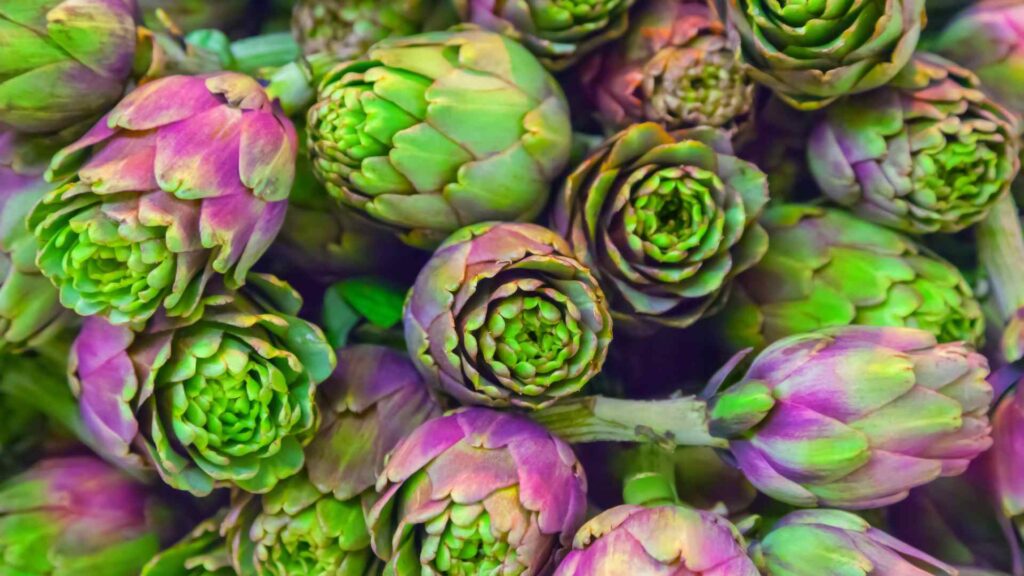
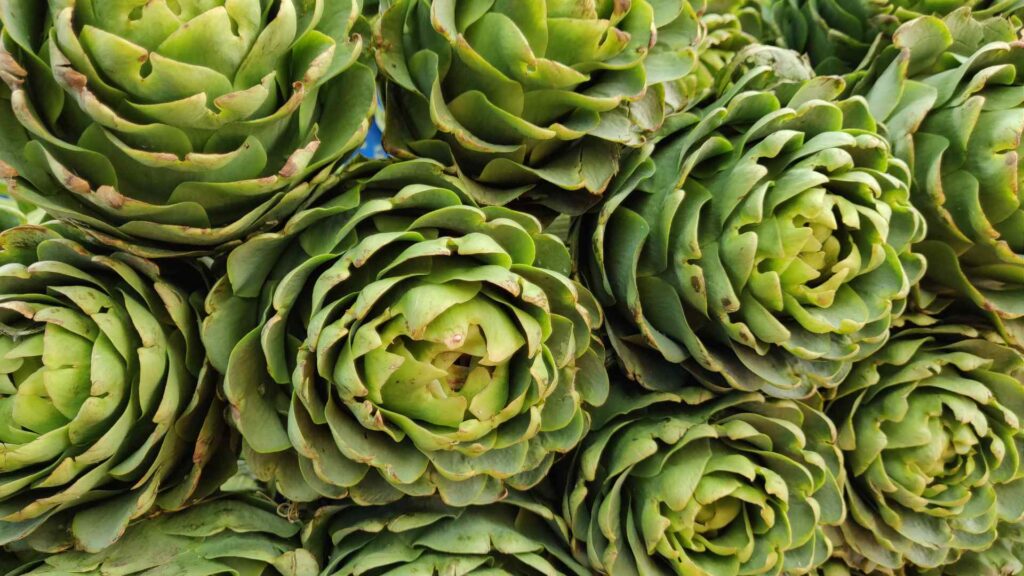
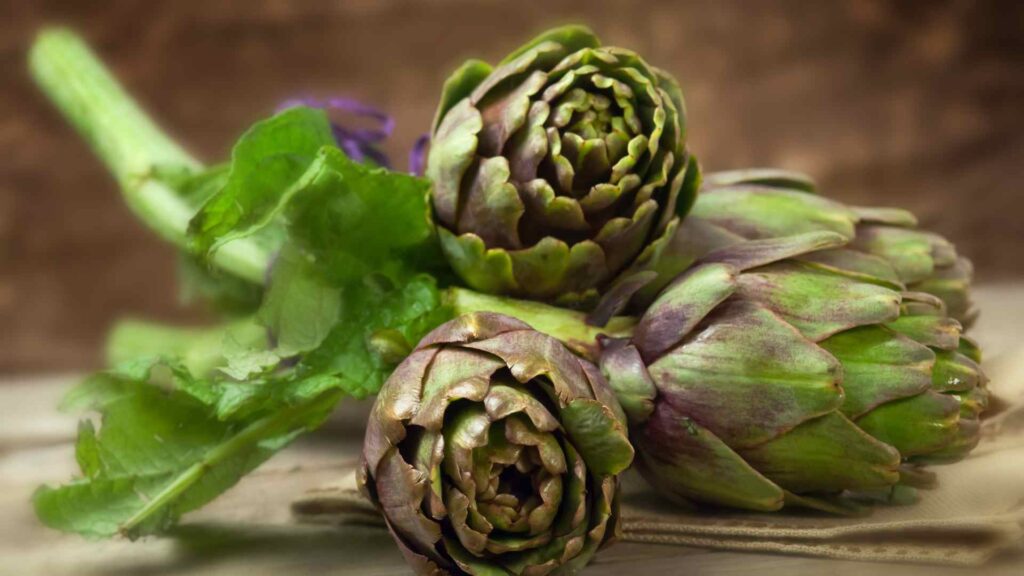
A globe artichoke has tough outer leaves, softer inner leaf bases, a fuzzy choke, a tender heart, and a fibrous stem. Calling all of those parts “artichoke” hides the most useful safety distinction.
For a dog, the soft cooked heart is the only part worth considering as an occasional taste. Discard the tough leaves, choke, stem, sharp tips, and any stringy material securely.
Physical hazards come first
Large leathery leaves and stem sections can be hard to chew and may lodge in the throat or gastrointestinal tract. The fuzzy choke can form a fibrous wad rather than breaking down neatly.
The Merck Veterinary Manual explains that foreign material can cause partial or complete obstruction. Risk depends on size, shape, chewing, and the dog’s anatomy.
Coughing, gagging, repeated swallowing, drooling, pawing at the mouth, breathing trouble, or blue gums is an emergency. Repeated vomiting, abdominal pain, appetite loss, or little stool after a swallowed tough piece also needs assessment.
Cooked is easier than raw
Steaming or boiling plain artichoke softens the heart and makes it easier to cut into tiny pieces. Raw heart and leaves remain firm and fibrous, increasing the chance of gagging or gastrointestinal upset.
Cooking does not turn the outer leaves, choke, or stem into ideal dog food. Test softness with your fingers, cut across fibers, and use a piece much smaller than the dog could gulp whole.
Canned artichokes
Canned hearts may be packed in water, brine, citric acid, or seasonings. Drain and check the full label, because rinsing can reduce surface brine but does not erase sodium or hidden ingredients.
The FDA explains how to use sodium information on the Nutrition Facts label. Compare the listed serving with the amount actually eaten.
A single small plain canned piece may be low risk for a healthy dog, while a jar raid or brine drink deserves a call. Dogs with heart, kidney, or sodium-sensitive disease need stricter advice.
Marinated artichokes
Marinated hearts commonly include oil, salt, garlic, onion, herbs, vinegar, chili, or cheese. “Mediterranean,” “antipasto,” and “herb” do not identify a dog-safe recipe.
Garlic and onion can damage canine red blood cells, and concentrated powders deserve particular attention. The Merck Veterinary Manual describes Allium toxicosis and its delayed anemia.
Weakness, pale gums, fast breathing, dark urine, yellow tissues, or collapse after a significant Allium exposure requires urgent care. Save the jar because symptoms may emerge after the meal is forgotten.
Oil and fat
A small film of oil is not automatically toxic, but a bowl of marinated hearts can deliver substantial fat and calories. That is especially unsuitable for dogs with pancreatitis, high triglycerides, obesity, or a prescribed low-fat diet.
Vomiting, appetite loss, weakness, dehydration, abdominal pain, or a hunched posture after a fatty theft warrants veterinary advice. Do not feed another rich food to tempt the dog to eat.
Spinach-artichoke dip
Artichoke dip is not a vegetable snack. It may combine cream cheese, mayonnaise, sour cream, cheese, garlic, onion, salt, butter, chips, crackers, bread, and foil or plastic packaging.
Inventory the entire recipe and serving setup, including skewers, toothpicks, broken glass, and missing wrappers. Our cream cheese guide and garlic guide cover common dip ingredients.
Pizza, pasta, and antipasto
Artichoke pizza adds cheese, dough, sauce, salt, fat, garlic, onion, and sometimes cured meat. Antipasto can add olives, pepperoni, sharp picks, and multiple marinated foods.
Our pizza guide helps separate a crust nibble from loaded toppings, raw dough, and packaging. Report the whole dish, not only the artichoke.
Gas and gastrointestinal tolerance
Artichokes are fibrous and can cause gas, loose stool, nausea, or vomiting when a dog eats too much or is not accustomed to them. A tiny taste is easier to evaluate than a bowlful.
A swollen painful abdomen, repeated unproductive retching, severe lethargy, pale gums, or collapse is not ordinary vegetable gas. Seek emergency care because serious abdominal disease cannot be diagnosed from the ingredient.
No liver, detox, or digestive therapy
Artichoke products are marketed to people for digestion, cholesterol, liver support, or detox, but that does not establish a safe or effective treatment in dogs. Extracts and supplements are not equivalent to a cooked heart.
Do not use artichoke leaf extract, tincture, capsule, tea, or concentrated powder without veterinary direction. These may contain alcohol, sweeteners, other herbs, or amounts that have not been evaluated for the dog.
Fiber without a treatment promise
A cooked heart contains fiber, but it should not be used as a universal fix for constipation, diarrhea, weight loss, anal glands, or blood sugar. Those problems can have very different causes.
The UC Davis treat guidance recommends limiting extras to under 10 percent of calories. A complete diet already supplies planned fiber and nutrients.
Puppies, seniors, and special diets
Puppies need nearly all calories from complete growth food, while seniors may have dental, swallowing, or gastrointestinal problems. Tiny dogs have less room for a tough piece or a large salty serving.
Dogs on elimination, kidney, heart, gastrointestinal, pancreatic, endocrine, or weight diets need individualized rules. A generic “safe vegetable” answer cannot override the targets of a therapeutic plan.
How to prepare a tiny taste
- Choose a fresh artichoke and cook it plain until the heart is very soft.
- Remove every tough leaf, sharp tip, fuzzy choke, stringy section, and stem.
- Cut a heart piece into small soft bits suited to the dog.
- Add no salt, oil, butter, garlic, onion, cheese, lemon, or dip.
- Count it within the daily treat allowance and stop after digestive upset.
What to do after a theft
Save the product, recipe, and packaging, estimate the amount and time, and identify every plant part swallowed. Note marinade, dip, brine, garlic, onion, oil, dog’s weight, conditions, medicines, symptoms, and missing foreign material.
Do not induce vomiting or give bread, oil, milk, salt, or another remedy without veterinary direction. Tough material and altered swallowing make home treatment risky.
Monitoring a known small heart piece
Watch appetite, vomiting, stool, gas, abdominal comfort, swallowing, energy, gums, and breathing. Keep the normal complete diet and fresh water available unless the clinic advises otherwise.
Call when signs appear, persist, or seem out of proportion. The dog may have swallowed a tougher piece, more food, a hidden ingredient, or packaging that no one saw.
Baby artichokes and trimmed hearts
Baby artichokes may have less developed choke material, but their leaves and stems can still be fibrous. Product size or a tender-sounding name does not remove the need to trim and cook carefully.
Pre-trimmed fresh hearts save preparation time but can dry out and toughen. Inspect texture after cooking and discard pieces that remain stringy, leathery, or difficult to cut.
Frozen artichoke hearts
Plain frozen hearts can be a simpler choice than marinated jars, but some packages include seasoning, sauce, or salt. Cook them as directed and cool completely before evaluating softness.
Freezing does not make a tough chunk safe to swallow whole. Cut an approved plain piece after cooking, not while it remains hard and icy.
Jerusalem artichokes are a different plant
Jerusalem artichokes, also called sunchokes, are tubers and not the leafy globe artichoke discussed here. Their texture, carbohydrate profile, preparation, and gastrointestinal effects require a separate assessment.
Confirm the package or produce item before using this guide. Similar common names are a poor substitute for accurate food identification after an ingestion.
Produce washing and kitchen safety
Wash fresh produce under running water before preparation and use clean knives and boards. Keep discarded sharp leaf tips, stems, fuzzy choke material, and produce bags away from curious dogs.
Do not use soap or household disinfectant on food. Remove damaged or moldy portions for disposal, and never offer spoiled produce as a way to avoid waste.
When several pets share the theft
Separate pets and estimate each dog’s likely access rather than dividing the missing jar automatically. A small dog that swallowed a whole leaf may need different advice from a large dog that licked marinade.
Monitor individually and record vomiting, stool, appetite, swallowing, and abdominal comfort. This makes a follow-up call much more useful than a general report that “someone seems off.”
Bottom line
A tiny piece of soft, plain, cooked artichoke heart is usually low risk, but it is optional. Tough leaves, the choke, stem, brine, oil, garlic, onion, dips, large portions, supplements, and packaging are the practical reasons to skip or call.