Can Dogs Eat Mac and Cheese? Dairy, Fat, Alliums, and Foil
One small bite of ordinary mac and cheese is unlikely to poison a healthy dog, but it is a rich, salty extra rather than a useful meal. A stolen casserole, garlic or onion seasoning, fatty add-ins, xylitol in an unusual specialty product, hot sauce, mold, foil, and packaging can change the response.
Match the response to the serving
- One small cooled bite of ordinary mac and cheese: usually monitor for digestive upset.
- A bowl, tray, or uncertain large amount: call for a small dog, relevant medical history, or symptoms.
- Garlic, onion, chive, leek, seasoning packet, or soup mix: report the Allium ingredient and amount.
- Sugar-free, keto, protein, dessert, or homemade specialty recipe: check xylitol and every substitute.
- Foil tray, plastic film, lid, box, pouch, desiccant, or utensil missing: report the foreign-object risk.
Save the box, cheese packet, recipe, restaurant listing, and package pieces, then record amount, time, dog weight, symptoms, conditions, and medicines. A teaspoon from a plate and an entire family-size casserole do not belong in the same risk category.
Mac and cheese is a mixed rich food
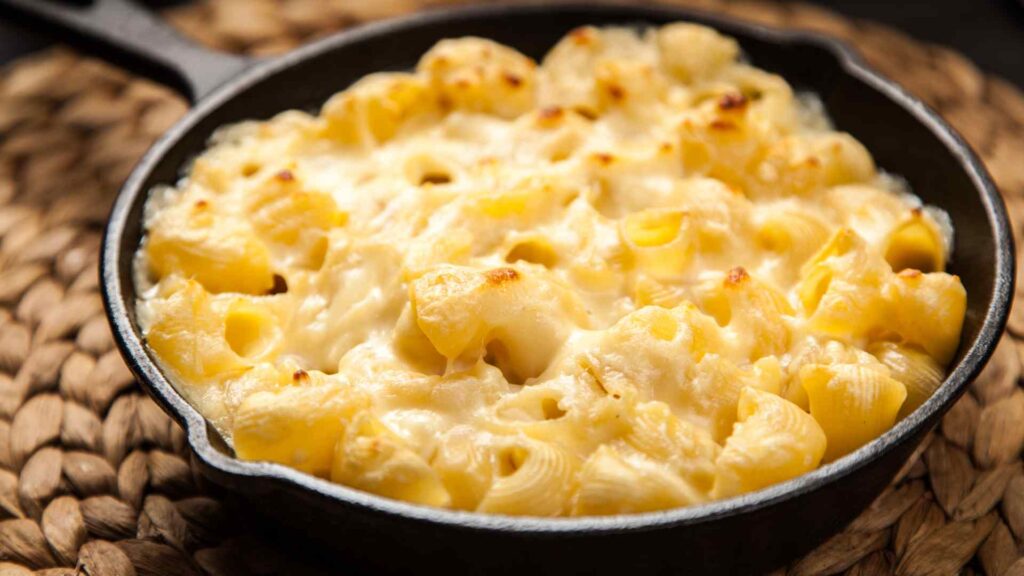
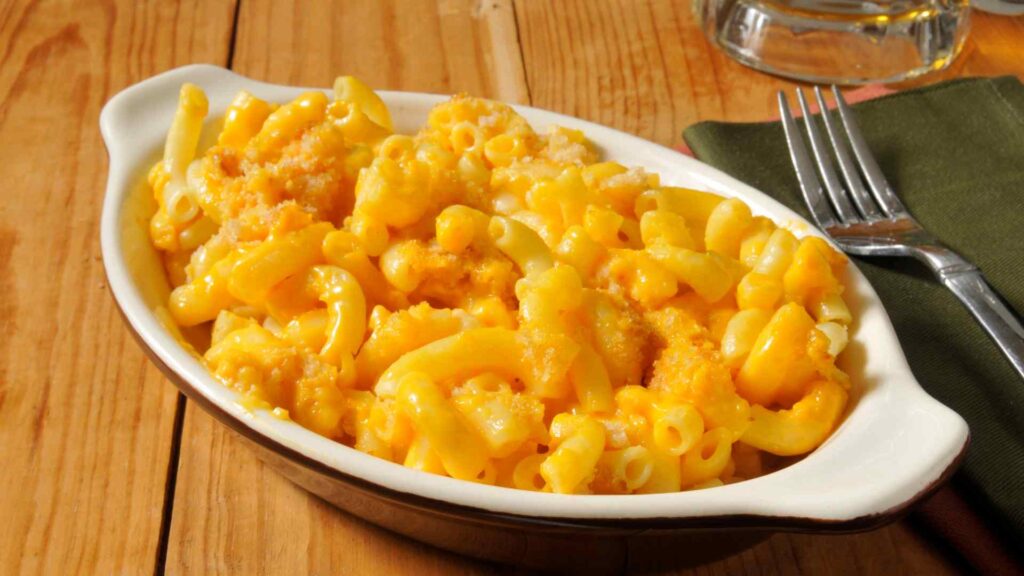
The basic dish combines cooked pasta with cheese, milk or cream, butter or oil, salt, and seasonings. Boxed, frozen, deli, restaurant, and homemade versions can differ dramatically in fat, sodium, dairy, and add-ins.
One small bite may cause no sign, while a large portion can lead to gas, vomiting, diarrhea, thirst, abdominal discomfort, or appetite change. Size, recipe, and the dog’s medical history matter.
It should not become a regular topper because table scraps can displace complete nutrition and make weight management harder. The FDA complete-and-balanced pet-food guide explains why too many extras can unbalance a diet.
Mac and cheese also has little training value relative to its mess and calories. A few pieces of measured kibble are simpler rewards.
Lactose intolerance and dairy allergy are different
Many adult dogs digest lactose less efficiently than milk-fed young animals, so milk, cream, and soft cheese can cause gas, loose stool, or vomiting. The amount of lactose varies by cheese and recipe.
A food allergy is an immune response to a dietary protein, which is different from lactose-related digestive intolerance. Dairy allergy may appear as recurrent skin, ear, or gastrointestinal disease and requires veterinary diagnosis.
Facial swelling, hives, breathing difficulty, collapse, or rapidly worsening signs is an emergency. One soft stool after a casserole theft does not prove a milk allergy.
Dogs on a controlled elimination diet should not receive mac and cheese unless the plan explicitly includes every ingredient. A surprise bite can make weeks of diet interpretation less reliable.
Fat can be the limiting ingredient
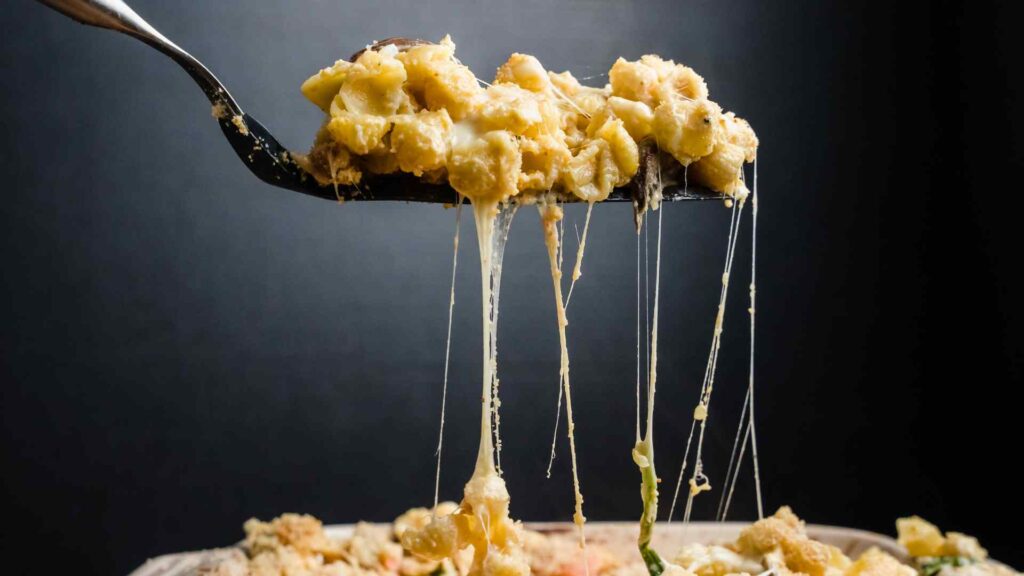
Cheese sauce may contain butter, cream, oil, full-fat cheese, bacon grease, or several cheeses. A large rich portion can produce digestive upset and may contribute to pancreatitis in susceptible dogs.
The Merck Veterinary Manual pancreatitis overview lists vomiting, abdominal pain, dehydration, weakness, and diarrhea among possible signs. Individual risk is not predicted by whether the pasta looked greasy.
Dogs with previous pancreatitis, high blood fats, obesity, diabetes, gastrointestinal disease, or a prescribed low-fat diet deserve earlier advice. Do not add more food to dilute a fatty meal.
Our butter guide explains why one lick and a large fat exposure receive different responses. The same portion principle applies when butter disappears into sauce.
Sodium varies by product and portion
Cheese, seasoning powder, condensed soup, bouillon, cured meat, and added salt can make the dish sodium dense. Compare serving size with the amount the dog actually ate.
A single bite is unlikely to cause salt poisoning in a healthy dog, but a large tray raid or concentrated cheese packet can matter. Dogs with heart, kidney, blood-pressure, or fluid-balance conditions may have individual sodium limits.
Keep normal fresh water available unless medically restricted, but do not force water. Marked thirst, repeated vomiting, weakness, abnormal walking, tremors, seizures, or unusual dullness needs urgent advice.
Garlic and onion can hide in the sauce
Boxed cheese powder, restaurant sauces, condensed soups, breadcrumb toppings, and seasoning blends may contain garlic powder or onion powder. No visible vegetable pieces are required.
The Merck Veterinary Manual Allium review explains that raw, cooked, dehydrated, and powdered forms can damage canine red blood cells. Signs may be delayed for days.
Call with the label, recipe, amount, time, and dog weight rather than waiting for pale gums, weakness, rapid breathing, dark urine, or collapse. Do not use an online teaspoon threshold as universal permission.
Our garlic-powder guide covers concentrated seasoning and cumulative exposure. Cooking does not make Alliums harmless.
Add-ins can become the most urgent ingredient
Bacon, sausage, pulled pork, hot dogs, fried chicken, and buttery breadcrumbs add fat, salt, and seasoning. Meat pieces may also include bones, skewers, casings, or wrappers.
Our sausage guide covers raw meat, Alliums, fat, sodium, and casing risks. A meat-heavy casserole should be assessed as more than pasta.
Lobster, crab, tuna, or other seafood versions can add shells, bones, allergy risk, butter, and sodium. Buffalo-style recipes can add hot sauce, blue cheese, and onion or garlic.
Truffle-flavored, jalapeño, barbecue, ranch, and pizza mac formulas deserve fresh label reading. Flavor names do not reveal the concentration of each ingredient.
Xylitol is unusual but label-specific
Xylitol is not expected in ordinary mac and cheese, so it would be misleading to call every bowl a sweetener emergency. The check becomes relevant for unusual sugar-free, keto, protein, dessert-style, supplement-containing, or homemade products.
The FDA xylitol warning advises immediate veterinary contact because dogs can develop dangerous low blood sugar and liver injury. Check specialty sauces, sweet toppings, and side products rather than guessing.
No-added-sugar and sugar-free are not the same label, and neither claim evaluates fat, Alliums, or sodium. Save the full package after a raid.
Hot food can burn before ingredients matter
Fresh sauce and microwaved pasta can hold pockets of heat that burn the lips, tongue, palate, or esophagus. Keep the dog away until the dish is cool.
Drooling, pawing at the mouth, reluctance to swallow, visible redness, blistering, or repeated regurgitation after hot food needs prompt assessment. Do not apply ice directly or pour oil onto a burn.
Microwaved containers and foil lids can also be extremely hot. A dog that pulls down the tray may have skin burns in addition to ingestion.
Mold and leftovers change the risk
Cooked pasta and dairy sauce are perishable. The USDA leftovers guide recommends prompt refrigeration, shallow containers for rapid cooling, and careful reheating.
Discard mac and cheese that is moldy, slimy, fermented, leaking, or left out beyond safe food-handling guidance. Do not feed old casserole to avoid waste.
Moldy foods can cause digestive or neurologic signs depending on contamination. Tremors, agitation, abnormal walking, seizures, repeated vomiting, or collapse needs urgent care.
Once a dog has licked a serving dish, do not return those leftovers to the main container. Wash bowls, utensils, counters, and floors appropriately.
Foil trays and packaging can outrank the food
Foil pans can tear into sharp strips, and plastic film, cardboard boxes, cheese pouches, lids, freshness packets, and utensils can choke or obstruct. Count every piece after a raid.
Mouth bleeding, repeated swallowing, gagging, vomiting, abdominal pain, refusal to eat, or inability to keep water down needs prompt evaluation. Do not induce vomiting when sharp foil or plastic may be present.
Take a photo before cleanup and save an identical package if possible. Passing one scrap does not prove the entire object cleared.
Pasta shape and serving size affect the practical risk
Elbows, shells, long noodles, and baked pasta can be swallowed with different amounts of sauce attached. Dense clumps and long strands may trigger gagging in fast eaters even when the ingredients are ordinary.
Estimate the missing portion using the original tray, serving spoon, or package directions instead of counting visible noodles on the floor. Report whether the dog ate mostly pasta, mostly cheese sauce, a crusty topping, or a concentrated powder packet.
Mac and cheese is not a calcium plan
Cheese contains calcium and protein, but that does not make this dish a useful supplement. The fat, sodium, calories, and incomplete nutrient balance outweigh any reason to prescribe it casually.
Growing puppies and dogs on homemade diets need correctly balanced calcium and phosphorus, not random cheese portions. Excess or deficiency can both be harmful when a diet is improperly formulated.
Our parmesan guide explains why calcium presence does not convert salty cheese into routine dog nutrition. Use a complete food or a veterinary nutritionist’s exact recipe.
What to do after a theft
Remove access, save labels and recipe details, estimate the maximum amount, and identify Alliums, fat, salt, meats, hot sauce, xylitol, mold, temperature, and missing objects. Separate pets if more than one had access.
A healthy dog that ate one cooled ordinary bite and remains comfortable can usually be monitored. Call for a large or unknown amount, relevant medical condition, toxic add-in, packaging, or any significant symptom.
Do not induce vomiting or give peroxide, salt, milk, oil, bread, antacids, or pain medicine unless a veterinarian directs you. The ingredient, timing, signs, and foreign-object risk determine the safe response.
Bottom line
One small bite of ordinary cooled mac and cheese is usually a monitoring issue, but it is not a healthy routine extra. Large rich portions, dairy sensitivity, fat, sodium, Alliums, add-ins, xylitol specialty products, heat, mold, symptoms, and packaging deserve a closer response.