Can Cats Eat Brown Sugar? Spills, Baking, and Sweetener Mix-Ups
A lick of ordinary brown sugar is unlikely to poison a healthy cat, but it offers nothing useful and can upset the stomach in quantity. The situation becomes more important when the sugar is inside chocolate, raw yeast dough, alcohol-based desserts, raisin recipes, medication, or a product with substitute sweeteners.
Clean the spill, then inspect the package
Move the bag and wipe sticky granules from paws before your cat grooms them off. Estimate whether this was a dusting, a spoonful, or a torn package with an unknowable amount missing.
For one or two licks of plain brown sugar and no symptoms, normal observation is usually enough. Offer water and the regular meal, but do not add insulin, induce vomiting, or attempt to balance the sugar with salt, oil, or milk.
Call a veterinarian after a large amount, an unknown baking mixture, raw dough, chocolate, raisins, alcohol, medication, concerning sweeteners, swallowed packaging, or any vomiting, weakness, tremors, collapse, breathing change, or unusual behavior. Keep the label and recipe beside you during the call.
What brown sugar actually is
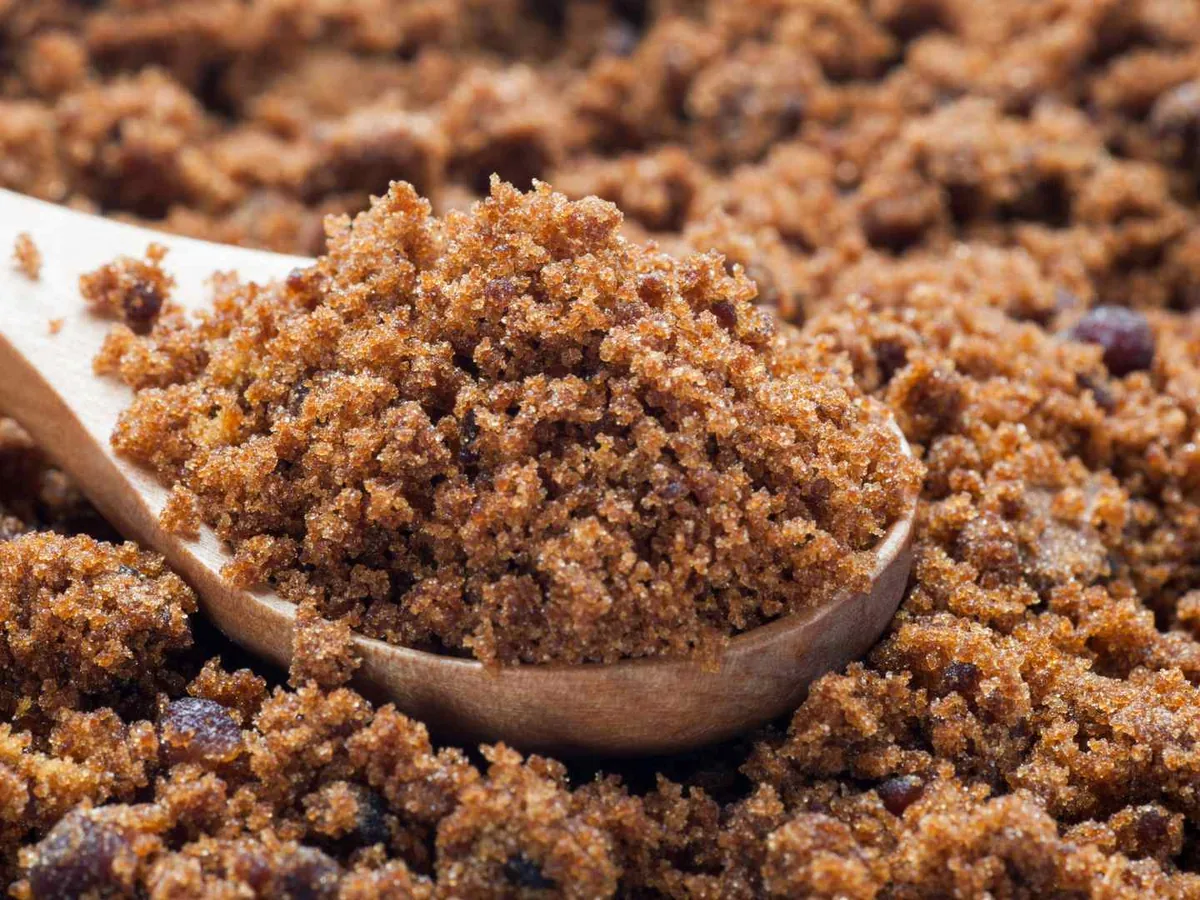
Commercial brown sugar is usually sucrose combined with molasses, either retained during processing or added back to refined sugar. Light and dark versions mainly differ in molasses content, not in whether either one belongs in a cat’s bowl.
The trace minerals that give molasses a nutritious reputation do not make brown sugar a feline supplement. A cat would receive disproportionate sugar long before those small amounts became a sensible source of nutrition.
Cats are obligate carnivores, and sweetness is not a dietary requirement or a sign that a food is safe. Some cats investigate brown sugar because it smells like butter, baked goods, or the person handling it rather than because they seek a sweet flavor.
Why making it a treat is a bad trade
Brown sugar supplies concentrated calories without the protein, amino acids, fatty acids, vitamins, and minerals a cat needs. Frequent pinches can contribute to weight gain or displace balanced food while looking too small to count.
The Cornell Feline Health Center advises building the diet around complete and balanced cat food and limiting treats. A measured feline treat gives you the same friendly kitchen moment with much better nutritional bookkeeping.
Sugar can also cling to teeth, but the evidence-based concern is the overall diet and dental care rather than declaring one lick a cavity emergency. Regular veterinary oral exams and approved home care matter more than switching from dark brown to light brown sugar.
Plain sugar is not the same as sugar-free
Brown sugar itself is not xylitol, erythritol, stevia, monk fruit, or another substitute. A package labeled brown-sugar alternative, keto brown sweetener, low-carb blend, or sugar-free must be assessed from its ingredient list rather than its color.
Xylitol’s dramatic low-blood-sugar toxicity is well documented in dogs, but feline evidence does not support copying that response automatically. The FDA specifically notes that xylitol does not seem as dangerous for cats.
That species difference is not permission to feed a xylitol blend, because other ingredients and limited feline data still matter. Call with the exact product after meaningful exposure so a professional can evaluate the complete recipe and your cat’s condition.
Do not assume a product contains xylitol merely because it is sugar-free, either. Accurate triage begins with the printed ingredients, manufacturer information, and amount missing, not a list of every sweetener seen on social media.
Raw cookie dough brings three separate hazards
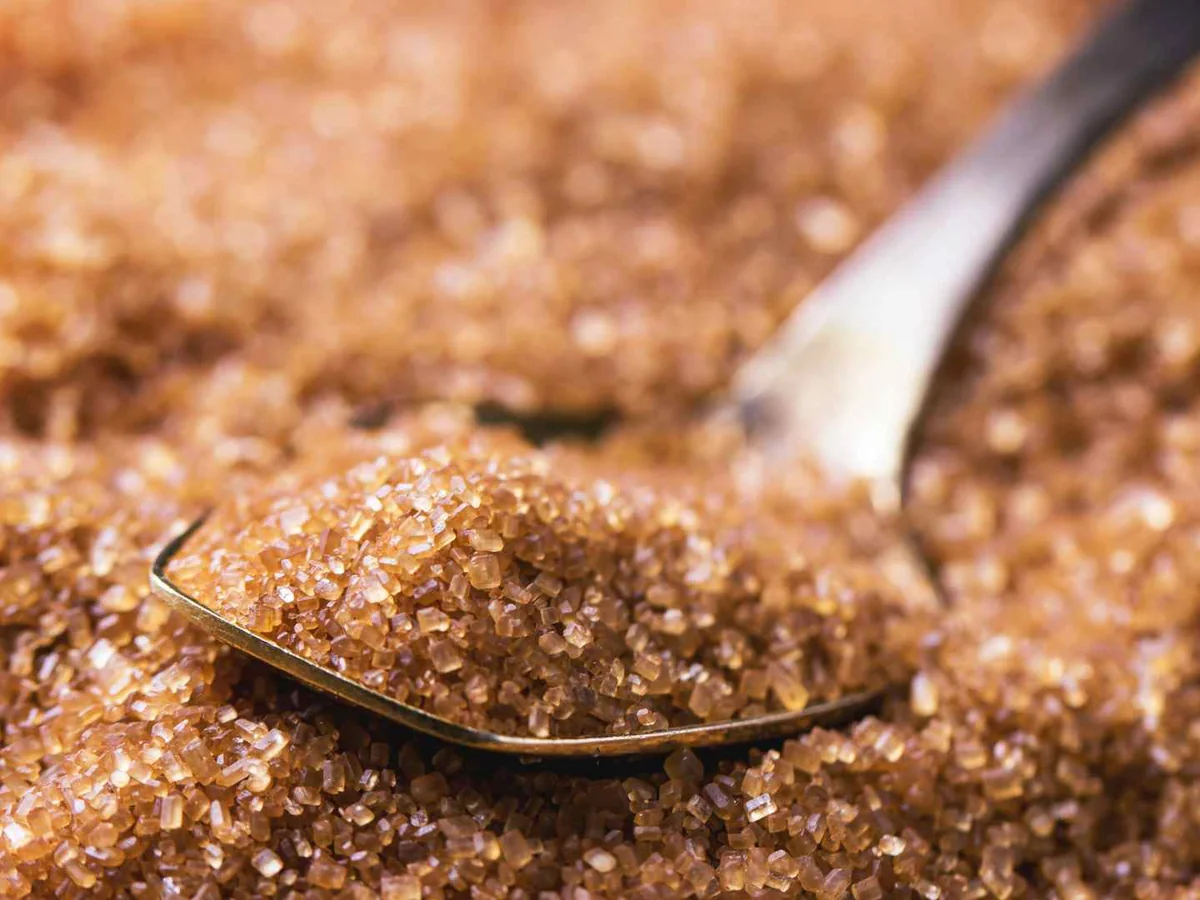
Unbaked cookie dough may contain raw flour and raw egg, both of which can carry disease-causing bacteria. The FDA explains that flour is a raw food and advises against eating uncooked dough or batter.
Chocolate chips, raisins, macadamias, coffee, and flavor extracts can add toxicology concerns unrelated to brown sugar. The sticky mass and plastic wrapper may also be swallowed, so account for both recipe and packaging.
Yeast bread dough is more urgent because it can expand in the warm stomach and produce ethanol during fermentation. The FDA includes yeast products and alcohol among potentially dangerous pet exposures.
A cat who ate raw yeast dough needs immediate veterinary or poison-control advice even if the ingredient list looks ordinary. Do not wait for abdominal swelling, wobbliness, weakness, vomiting, or profound sleepiness.
Baked goods must be judged as whole recipes
A crumb of plain brown-sugar cookie is usually a watch-and-move-on event, while a chocolate brownie is not. Our chocolate guide for cats explains why cocoa type, product, amount, and symptoms require prompt professional assessment.
Coffee cake may contain caffeine despite the name sometimes referring only to how the cake is served. Gingerbread, fruitcake, cinnamon rolls, barbecue sauce, and glazes can include raisins, alcohol, nutmeg, alliums, or concentrated salt.
Butter and shortening make desserts richer, which can trigger vomiting or diarrhea after a substantial theft. See the site’s butter article for a practical look at fat, dairy, and wrapper risks.
Use the brown sugar product overview to identify baking scenarios and the general sugar guide to compare sweetener forms. Those dog pages can organize a label review, but feline toxicology and portion advice still need feline sources.
Onion and garlic can hide in savory brown-sugar recipes
Brown sugar appears in bacon rubs, baked beans, meat glazes, barbecue sauce, ham, and slow-cooker dishes that may contain onion or garlic powder. Cats are especially sensitive to allium-related red blood cell damage, so sweet taste does not make the savory mixture benign.
The ASPCA’s people-food guidance states that cats are particularly susceptible to alliums. Weakness, pale gums, rapid breathing, vomiting, or dark urine after a relevant exposure warrants urgent care.
Call before signs appear when a meaningful amount of onion or garlic was eaten, because blood-cell effects may not be obvious immediately. Brushing sauce from meat does not remove ingredients that dissolved into cooking juices.
Brown sugar and diabetes
A diabetic cat should not be offered brown sugar, syrup, or dessert as a treat. After an accidental lick, never give extra insulin unless the veterinarian managing the diabetes tells you to do so.
Insulin decisions depend on the cat’s prescribed dose, meal timing, current glucose, other food eaten, and symptoms. An unplanned adjustment can cause dangerous hypoglycemia even when the original sugar exposure would have caused little harm.
If weakness, tremors, seizures, collapse, or severe disorientation develops in a diabetic cat, treat it as an emergency. Follow the established emergency plan from your veterinary team while arranging care.
Other cats who need tighter boundaries
Kittens need nutrient-dense growth food, while overweight cats have small calorie budgets and no room for spoonfuls of sugar. Cats with chronic gastrointestinal disease, pancreatitis history, dental problems, or therapeutic diets also gain nothing from this experiment.
A cat in a food-elimination trial should receive only approved ingredients, including treats and pill vehicles. Baked goods are especially unhelpful because several hidden ingredients can blur the result at once.
If a cat repeatedly seeks granulated sugar, investigate access and behavior before assuming a deficiency. Curiosity, crumbs of fat, interesting packaging, or attention from the baker are more plausible than a need for molasses.
A useful phone-call checklist
Photograph the front and back of the package, including sub-ingredients and sweetener names, then write down the possible amount and time. For homemade food, list every ingredient and whether the mixture was raw, baked, fermented, frosted, or alcohol-soaked.
Report the cat’s weight, age, diagnoses, medications, last meal, and current behavior. Mention missing wrappers, measuring spoons, foil, string, or wooden sticks because those objects can redirect the medical plan.
Do not delay an urgent call while searching for a precise recipe percentage. A veterinarian or poison service can tell you which missing detail matters most and whether home observation, examination, or emergency treatment is appropriate.
Prevention for cats who supervise baking
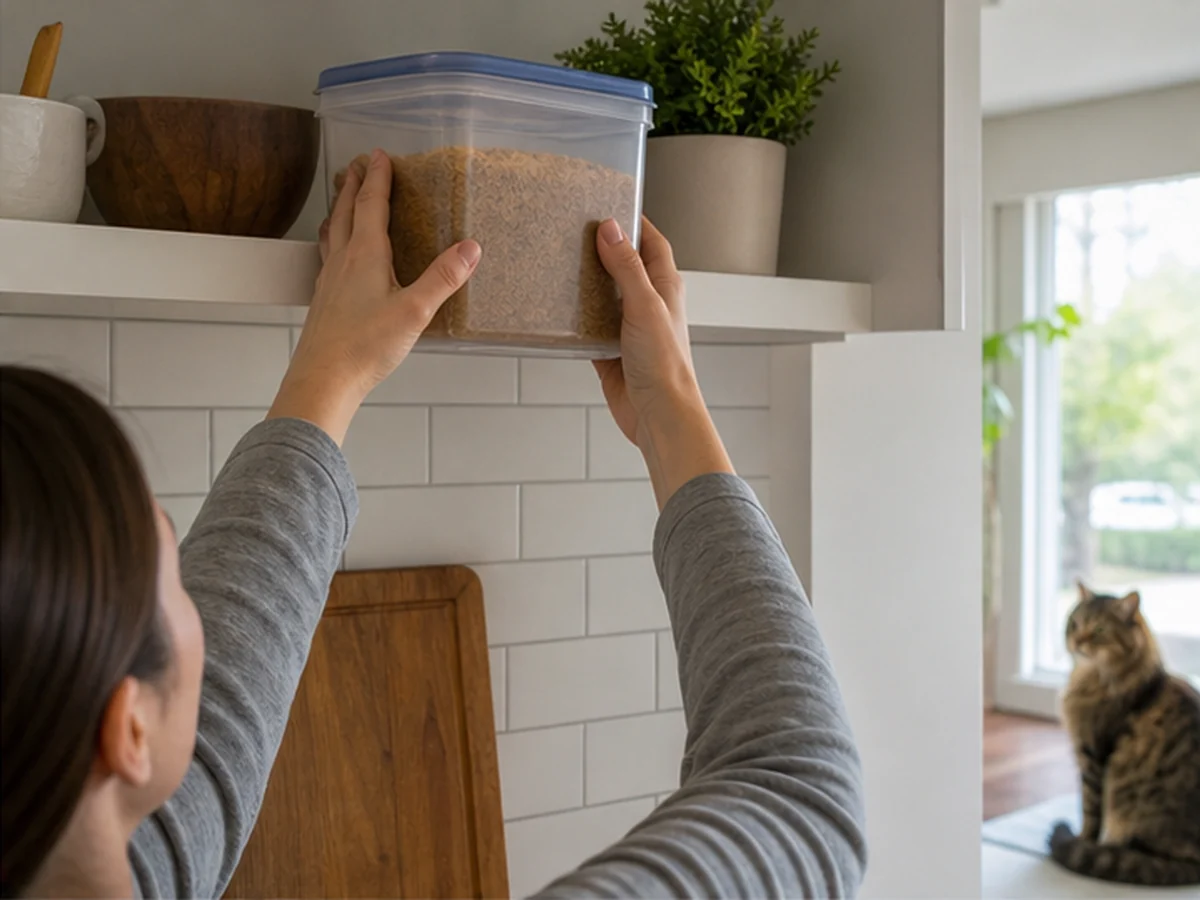
Close sugar in a rigid container, wipe the counter and floor, and move cooling racks away from climbing routes. Put dough behind a closed door or inside an inactive microwave rather than leaving a covered bowl where a paw can lift the towel.
Discard sweetener bags and wrappers in a lidded bin, and account for twist ties and mixer attachments. Brown sugar hardens when neglected, but a cat can still turn the bag into a sticky confetti event before that happens.
Offer part of the cat’s normal ration in a puzzle feeder while you bake. That supplies an appropriate job and keeps whiskers away from raw flour, hot pans, and the fascinating string from the pastry box.
FAQ
Is brown sugar toxic to cats?
Ordinary brown sugar is not a recognized feline poison, but a large amount may cause digestive upset and contributes empty calories. Products and recipes containing it can include much more concerning ingredients.
What if my cat licked brown sugar from the floor?
Wipe paws, clean the spill, and monitor after a tiny lick of a confirmed plain product. Call if the amount was substantial, the product was a sweetener blend, packaging is missing, or symptoms appear.
Can brown sugar help a weak cat?
Do not treat unexplained weakness with sugar because causes range from hypoglycemia to anemia, heart disease, toxin exposure, and shock. Contact a veterinarian urgently and follow only a plan made for that cat.
Is dark brown sugar safer than white sugar?
No meaningful feline safety advantage comes from the extra molasses. Both are concentrated sugars and should stay outside the regular treat rotation.
Bottom line
A tiny lick of plain brown sugar usually calls for cleanup and observation, not panic. Read every mixed product, treat raw yeast dough and hazardous recipe ingredients seriously, and reward the kitchen supervisor with actual cat food.