Can Dogs Eat Honey? Sugar, Raw Honey, and Product Risks
A healthy adult dog can usually have a tiny taste of plain honey, but there is little reason to make concentrated sugar and calories a routine snack. Honey sticks to teeth and does not reliably treat allergies, coughs, wounds, or stomach problems, while puppies and immunocompromised dogs should avoid raw honey.
The sweet answer, minus the sales pitch
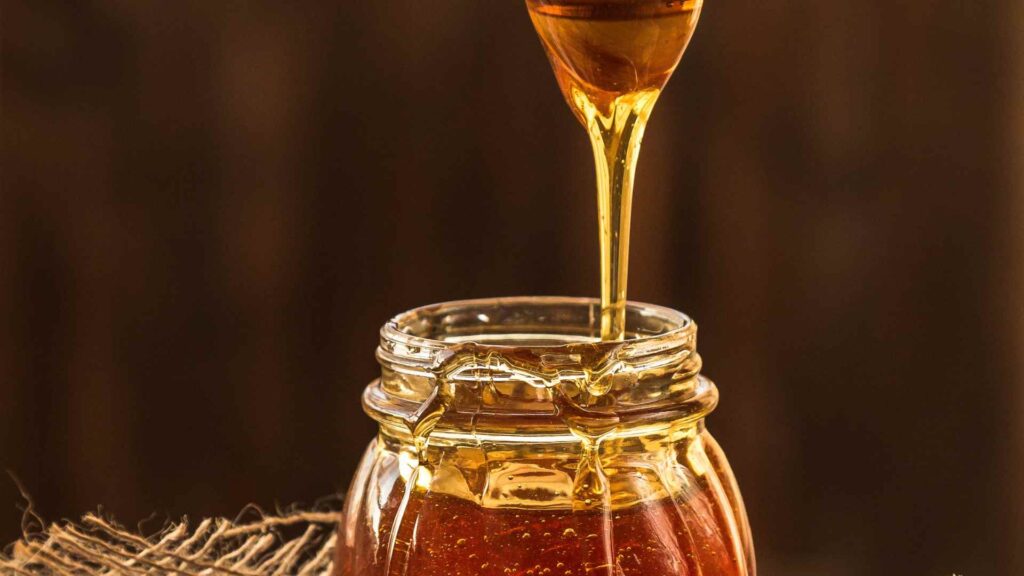
Honey is not listed among the classic toxic foods for dogs, and a small accidental lick of ordinary honey is usually not an emergency. The useful question is not simply whether a dog can swallow it, but whether that sticky sugar adds anything the dog needs.
For most dogs, the answer is no. A complete diet already supplies necessary nutrients, and training rewards can be much easier to portion without coating fingers, fur, floors, and teeth.
- Use only plain honey with a clear ingredient list.
- Keep the taste tiny and occasional.
- Avoid honey in dogs with diabetes unless the veterinarian specifically directs it.
- Do not use raw honey for puppies or dogs with compromised immunity.
- Check honey-flavored and sugar-free products for xylitol and other hazards.
Sugar and calories are the main everyday concerns
Honey is largely sugar, so a spoonful can contribute more calories than its innocent size suggests. Repeated extras may undermine weight management, especially when honey is added to peanut butter, yogurt, biscuits, or a stuffed toy.
The WSAVA treat guide recommends keeping all treats below 10 percent of daily calories. That limit includes honey, dental chews, table scraps, training treats, and every other extra together.
Ten percent is a ceiling, not a honey target. A smear the size of a raindrop can provide the taste without turning a dog snack into dessert, and many dogs are better served with part of their measured meal.
Dogs with diabetes need individual dietary planning because honey can affect blood glucose. Dogs with obesity, pancreatitis, chronic digestive disease, dental disease, or a prescription diet also deserve veterinary approval before it becomes routine.
Honey and teeth are not best friends
Honey clings to tooth surfaces and adds fermentable sugar to the mouth. It is not a dental cleaner, breath freshener, or substitute for brushing, professional assessment, and veterinarian-approved oral-care products.
The American Veterinary Dental College owner resources explain that periodontal disease develops around plaque and requires consistent prevention and treatment. A sweet coating does not improve that equation.
If your veterinarian says a taste is acceptable, offer it near the dog’s normal tooth-care time rather than leaving sticky residue overnight. Never put honey on painful gums or a damaged tooth in place of an examination.
Bad breath, drooling, pawing at the mouth, bleeding gums, facial swelling, or reluctance to chew deserves veterinary attention. Honey may briefly disguise an odor, but it cannot fix the source.
Raw honey, puppies, and reduced immunity
Raw or unpasteurized honey can contain Clostridium botulinum spores. A veterinarian-reviewed PetMD honey guide advises avoiding raw honey in puppies under one year and dogs with compromised immune systems, including some dogs receiving chemotherapy.
The American Kennel Club offers the same precaution for puppies and immunocompromised dogs. This is a preventive recommendation, not a claim that every jar of raw honey contains dangerous spores or that adult dogs commonly develop botulism from one lick.
“Local,” “organic,” “unfiltered,” and “farm fresh” do not remove the raw-honey caution. Ask the veterinarian responsible for the dog’s immune-suppressing treatment or illness before considering any unpasteurized animal or human food.
Pasteurized honey avoids this particular raw-product concern but remains concentrated sugar. Heating changes microbes, not the basic calorie and dental math.
Honey is not a seasonal-allergy treatment
The local-honey allergy story is appealing because it sounds gentle and familiar, but evidence for treating canine environmental allergies this way is not conclusive. Pollen in a jar also may not match the grasses, trees, molds, dust mites, fleas, foods, or other triggers affecting a particular dog.
Itching, recurrent ear trouble, paw licking, hair loss, and inflamed skin need a diagnosis. A veterinarian may use parasite control, infection testing, diet trials, medication, or referral depending on the pattern.
Do not delay effective itch care while slowly increasing honey. Chronic scratching can damage skin and invite painful secondary infections even when the original trigger seems mild.
Our cinnamon guide addresses another ingredient often bundled into homemade “wellness” recipes. Combining two pantry items does not create clinical evidence.
Honey is not a cough medicine for dogs
A cough is a sign, not a diagnosis, and causes range from airway irritation to infection, heart disease, collapsing trachea, parasites, or something stuck in the throat. Honey cannot sort those possibilities or treat the dangerous ones.
Call the veterinarian for a persistent, worsening, nighttime, exercise-related, or illness-associated cough. Breathing difficulty, blue or pale gums, collapse, severe weakness, or repeated choking motions require urgent care.
Human cough syrups may contain xylitol, acetaminophen, decongestants, alcohol, or other ingredients unsafe for dogs. Never dose a human product unless the veterinarian gives the exact product and instructions.
If a veterinarian recommends a small amount of honey as supportive comfort for a diagnosed condition, follow that case-specific plan. Do not turn that direction into a universal home remedy for every dog that clears its throat.
Do not put kitchen honey on a wound
Medical-grade honey dressings are processed, standardized products used by veterinary teams for selected wounds. A pantry jar is not sterile wound care, and licking may contaminate the area or remove a dressing.
Cuts, punctures, burns, bites, infected skin, surgical incisions, and draining wounds need appropriate assessment. Covering them with grocery honey can delay cleaning, pain relief, antibiotics when indicated, and closure decisions.
Prevent licking with the method your veterinarian recommends, and use only products prescribed for that wound. “Honey is used in medicine” does not mean every honey product is medical equipment.

Plain honey versus honey-flavored products
A product with “honey” on the front can contain far more than honey. Granola, cereal, pastries, barbecue sauce, glazed ham, cough drops, gummies, yogurt, nut spreads, and energy products may bring salt, fat, chocolate, raisins, macadamia nuts, caffeine, alcohol, or medication.
Sugar-free honey substitutes and flavored syrups deserve special caution. Read the full ingredient list for xylitol, which may also be called birch sugar, and remember that formulas can change.
The FDA warns that xylitol can rapidly lower a dog’s blood sugar and may injure the liver. If a dog may have eaten a xylitol-containing product, contact a veterinarian or animal poison service immediately instead of waiting for weakness or wobbliness.
Honey-roasted nuts are salty, fatty, and sometimes mixed with macadamias. Our cashew guide explains why the coating and mixed-nut container often matter more than the plain nut.
Honey baked into bread does not make the bread medicinal. Our bread guide covers dough, raisins, sweeteners, and other recipe details that deserve their own check.
How much honey can a dog have?
No dog needs a spoonful, and a rigid body-weight chart would create false precision. If the veterinarian approves honey for a healthy adult, begin with a tiny smear and count its calories among all treats.
A large dog does not earn a large pour simply by having a bigger bowl. The practical goal is a taste, not a serving, and plain regular food often works just as well for medication or enrichment.
Honey should not become a daily topper used to persuade a dog to eat. New appetite loss can reflect pain, nausea, dental disease, medication effects, or serious illness and deserves a call when it persists or comes with other symptoms.
Never use honey to treat low blood sugar unless a veterinary professional directs it in a specific emergency plan. Weakness, tremors, collapse, or seizures require immediate professional help, even if something sweet has already been given.

What if my dog raided the honey jar?
Move the jar and determine what was eaten, including the lid, seal, glass, plastic, or packaging. Record the product name, ingredient list, estimated amount, time, dog’s weight, health conditions, and current behavior.
A few licks of plain honey in a healthy adult dog usually call for monitoring after veterinary advice rather than panic. A large amount can trigger vomiting or diarrhea and may be more concerning in a diabetic dog or one with another diet-sensitive condition.
Call immediately if the product contains xylitol, chocolate, raisins, caffeine, medication, cannabis, or an unknown sweetener. Broken glass, a swallowed lid, repeated vomiting, severe lethargy, abdominal pain, breathing trouble, tremors, collapse, or seizures also require prompt care.
Do not induce vomiting or give insulin, human medicine, salt, oil, or another home treatment unless a veterinarian specifically directs it. Bring the package to the clinic when possible.
Honey questions worth answering
Can puppies eat pasteurized honey?
The raw-honey spore caution does not automatically make pasteurized honey useful for a puppy. Puppies need calorie space for balanced growth, so ask the veterinarian before sharing any concentrated sweetener and keep raw honey off the menu.
Is manuka honey better for eating?
A marketing label does not turn edible honey into a proven allergy, cough, or immune treatment. Medical-grade honey dressings are different products used for selected wounds under veterinary direction.
Can honey help a dog take medicine?
Ask the prescribing veterinarian because some medicines should not be mixed, crushed, or paired with food, and diabetic dogs may need another option. A measured portion of the dog’s regular food is often simpler.
Is honey better than fruit?
Neither is necessary, but a properly prepared fruit piece may offer more volume for fewer concentrated sugars. Our blackberry guide explains why plain berries and sweetened jam are different products.
The bottom line
A tiny lick of plain honey is usually tolerated by a healthy adult dog, but it offers more sugar than necessity. Avoid raw honey for puppies and immunocompromised dogs, keep xylitol products away, and bring allergies, coughs, wounds, appetite changes, and dental pain to a veterinarian instead of the honey jar.