Can Cats Eat Raw Salmon? Parasites, Pathogens, Bones, and Prep
Do not routinely feed cats raw salmon. Raw fish can carry bacteria and parasites, bones can injure or obstruct, and neither freezing nor a “sushi-grade” label makes salmon a complete, reliably pathogen-free cat food.
After a stolen bite, remove access and call your veterinarian for symptoms, a vulnerable cat, questionable spoilage, wild fish, or missing bones and packaging. Save the label, source, and lot information.
Raw salmon by form
| Product | Main issue | Practical answer |
|---|---|---|
| Fresh raw fillet | Bacteria, parasites, pin bones, cross-contamination | Cook fully, remove bones, and serve only a tiny plain bite. |
| Previously frozen salmon | Freezing is not a universal pathogen-kill step | Do not treat freezer time as cooking. |
| Sushi or sashimi | Raw fish plus rice, soy, wasabi, ginger, avocado, alliums, and packaging | Skip sharing and assess the whole order after a theft. |
| Wild-caught raw salmon | Parasite and handling risks vary by source | Cook thoroughly; do not rely on visual inspection. |
| Farmed raw salmon | Farming does not make raw fish sterile | Cook thoroughly and handle as raw seafood. |
| Freeze-dried raw salmon | Drying does not reliably eliminate every germ | Treat as raw unless a validated kill step is documented. |
| Smoked or cured salmon | Salt, smoke, seasoning, bones, and cold-smoking may not cook | Not a good cat treat. |
| Cooked plain salmon | Calories, bones, seasoning, and nutritional displacement | A tiny boneless piece may suit a healthy cat occasionally. |
Why raw fish is not a natural immunity test
Cats are obligate carnivores, but that describes nutrient requirements rather than resistance to foodborne disease. Domestic cats can become ill from contaminated animal foods and can spread organisms around the home.
Cornell’s cat-feeding guidance does not recommend raw meat as food or a treat because it can transmit toxoplasmosis and other infectious diseases. It also notes serious neurologic problems in some cats fed canned fish products intended for people, reinforcing that fish alone is not a diet plan.
A cat may love salmon and still be poorly served by a raw slab. Preference is useful when choosing among complete foods, but it is not a laboratory result.
Bacteria can affect cats and people
Raw seafood can carry disease-causing bacteria, and contamination is invisible. Fresh smell, bright color, a premium price, and a trusted fish counter do not guarantee an organism-free fillet.
The CDC does not recommend raw pet foods or treats because raw animal protein can carry germs such as Salmonella and Listeria. Cats may become sick or carry and shed pathogens without obvious signs.
The FDA found Salmonella in 15 and Listeria monocytogenes in 32 of 196 sampled commercial raw dog and cat foods. Its raw pet-food report concluded that the category was more likely to contain disease-causing bacteria than other pet foods tested.
A contaminated bowl can spread organisms to hands, counters, floors, fur, feces, and litter. Households with small children, older adults, pregnant people, or anyone with weakened immunity have special reason to avoid this preventable route.
Parasites depend on source and handling
Raw fish can harbor parasites, and the risk varies by species, harvest area, aquaculture practices, storage, processing, and the parasite involved. Wild and farmed are not simple synonyms for dangerous and safe.
Commercial freezing protocols can control certain parasites in fish intended for raw human consumption, but home-freezer performance, fish thickness, time, and temperature vary. Freezing also does not reliably eliminate every bacterium or toxin.
“Sushi-grade” is a market term rather than a promise that a fish is sterile, nutritionally complete for cats, or free of bones and handling contamination. The restaurant’s cold chain also does not follow the fish home once it sits in a takeout box.
Do not use citrus, salt, alcohol, smoke, or marinade as a home pathogen treatment. Ceviche is chemically altered by acid but not cooked with heat, while cold-smoked salmon remains a ready-to-eat product with its own handling requirements.
Pin bones are small enough to miss and large enough to matter
Salmon fillets may retain thin pin bones even after processing. They can lodge in the mouth or throat, injure tissue, choke, or contribute to a digestive obstruction.
Run clean fingers over a cooked, cooled fillet and remove bones with clean tweezers before cutting a cat-size piece. Never assume a boneless label means nobody should check.
Call urgently for gagging, drooling, repeated swallowing, pawing at the mouth, vomiting, refusal to eat, neck extension, breathing difficulty, or abdominal pain. Do not reach deep into the throat or feed bread to sweep a bone downward.
Freezing, freeze-drying, and dehydration
Freezing slows microbial growth but does not make raw salmon equivalent to cooked salmon. The CDC states that freezing, freeze-drying, and dehydrating raw animal protein reduce germs but do not kill all of them.
Freeze-dried treats and toppers can therefore bring raw handling into the kitchen even when they are dry and shelf-stable. Wash hands after handling and check whether the manufacturer uses a validated pathogen-reduction step and tests finished lots.
Rehydrating a freeze-dried product creates a moist food that needs prompt handling and disposal. Follow the manufacturer’s storage instructions, but remember that compliance with a label does not convert an optional raw topper into a necessary food.
Sushi, poke, and sashimi add more than salmon
Sushi rice may contain sugar, salt, and vinegar, while soy sauce is extremely salty. Wasabi and pickled ginger can irritate, and spicy mayo adds fat, seasoning, and possible alliums.
Poke bowls may include onion, scallion, garlic, avocado, macadamia, seaweed, sesame, sauce, and raw fish from several species. Save the menu or receipt after a theft because “salmon bowl” is not a complete exposure description.
Plastic grass, soy-sauce packets, chopstick wrappers, rubber bands, skewers, toothpicks, and takeout film can choke or obstruct. Packaging turns a food question into an emergency faster than most condiments do.
Our raw fish guide compares species, thiaminase, parasites, and product forms. It is more reliable than applying a blanket claim about every fish to a particular salmon theft.
Smoked, cured, canned, and seasoned salmon
Cold-smoked salmon may not receive a full cooking step and is typically salty. Hot-smoked salmon is cooked but still may be heavily salted, seasoned, or studded with bones.
Gravlax and lox are cured, not cat food, and recipes may contain salt, sugar, dill, alcohol, pepper, or other seasonings. A tiny accidental flake is different from a planned serving, but neither improves a balanced diet.
Canned salmon can be packed with salt, oil, broth, smoke flavor, or seasonings and may contain softened bone. A cat food formulated with salmon is not equivalent to human canned salmon because the former can be balanced for feline nutrition.
Garlic butter, teriyaki, barbecue glaze, pesto, cream sauce, and blackening spice all change the answer. Our pizza guide demonstrates the same rule: evaluate the complete prepared food, not the single ingredient named on top.
Thiaminase: be precise, not dramatic
Some raw fish species contain thiaminase, an enzyme that breaks down vitamin B1, and repeated feeding can contribute to thiamine deficiency. Cooking inactivates the enzyme.
It is inaccurate to treat every fish species and product as equally thiaminase-rich, so raw salmon guidance does not need an invented universal dose. The broader point stands without exaggeration: rotating unbalanced raw fish meals is not a safe way to meet feline vitamin needs.
Signs of thiamine deficiency can include appetite loss, abnormal posture, weakness, incoordination, seizures, and other neurologic changes. Those signs have many causes and require prompt veterinary evaluation rather than home supplementation.
How to cook a safer salmon treat
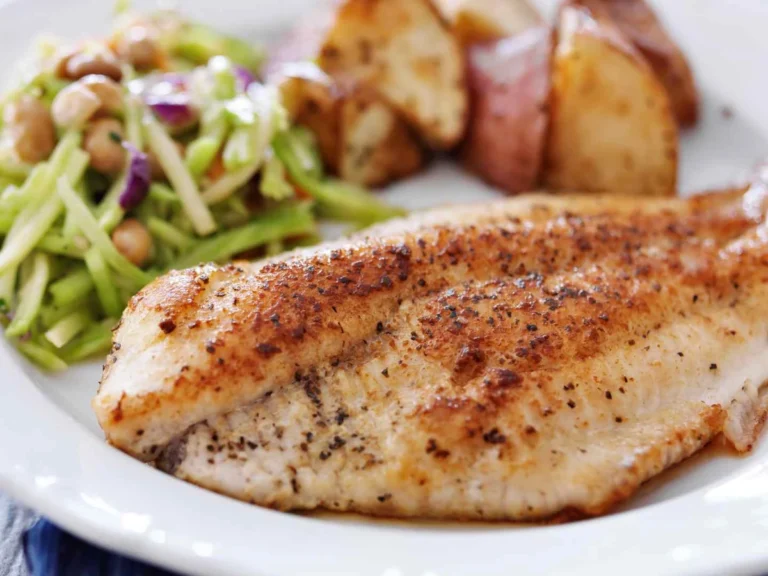
Choose a fresh or safely thawed fillet, keep it separate from ready-to-eat foods, and cook it without salt, oil, butter, onion, garlic, sauce, or seasoning. The FDA seafood-safety guidance advises cooking fin fish to 145°F or until flesh is opaque and separates easily with a fork.
Let it cool, remove skin if tough or heavily fatty, check carefully for every bone, and cut one pea-size flake. A healthy adult cat does not need a miniature fillet.
Refrigerate cooked fish promptly and discard leftovers that sat out too long. Do not feed spoiled, sour, slimy, leaking, or moldy salmon, and keep sharp can lids and absorbent pads out of reach.
Salmon should not replace complete cat food
Salmon supplies protein and fat but not every feline nutrient in the correct amount and ratio. Repeated fish-only feeding can create nutritional imbalance even when the fish is beautifully cooked.
Choose a cat food labeled complete and balanced for the appropriate life stage if salmon is the desired flavor. Treats and toppers labeled for intermittent or supplemental feeding are not designed to become the main diet.
Cats with obesity, pancreatitis history, kidney disease, heart disease, food allergy, or a therapeutic diet need veterinary approval before rich or salty extras. For another simple cooked protein, our boiled egg guide covers portions and storage.
What to do after a raw salmon theft
- Remove access. Secure the fish, cutting board, sink, trash, and other pets.
- Save the details. Keep the label, source, species, harvest information if known, lot, receipt, and remaining sample.
- Account for hazards. Check pin bones, skewers, absorbent pads, plastic film, foam trays, rubber bands, and sauce packets.
- List additions. Note soy sauce, onion, garlic, alcohol, xylitol, avocado, dairy, chili, and other fish species.
- Call when indicated. Contact a veterinarian for symptoms, questionable fish, vulnerable cats, meaningful amounts, or swallowed objects.
- Skip home remedies. Do not induce vomiting or give milk, oil, bread, charcoal, or antibiotics without veterinary instructions.
Seek emergency care for breathing trouble, collapse, seizures, severe weakness, repeated vomiting or diarrhea, blood, a painful or swollen belly, inability to swallow, or suspected bone or packaging ingestion. Bring the product and ingredient information.
Frequently asked questions
My cat ate one bite of raw salmon. Is it an emergency?
Illness is not guaranteed, but the source, freshness, amount, bones, additions, and your cat’s health matter. Remove access and call your veterinarian for individualized advice, especially if any symptom appears.
Can cats eat salmon sushi?
Do not offer it. Raw salmon brings pathogen and parasite concerns, while rice, soy sauce, wasabi, avocado, spicy mayo, alliums, and packaging may add separate risks.
Does freezing salmon kill parasites?
Specific commercial time-and-temperature protocols can control certain parasites, but a home freezer and an unknown fillet do not provide a universal guarantee. Freezing also does not reliably eliminate every bacterium.
Can kittens eat raw salmon?
No. Kittens are more vulnerable to infection and need complete growth nutrition, so use a properly formulated kitten food rather than raw fish.
Bottom line
Skip raw salmon, sushi scraps, and freeze-dried raw fish as routine treats. A tiny, fully cooked, plain, carefully deboned flake may suit a healthy adult cat, but complete cat food should handle nutrition and the veterinarian should handle any concerning theft.