Can Cats Eat Whipped Cream? Dairy, Sugar, Toppings, and Portions
One small lick of plain whipped cream is usually not toxic to a healthy adult cat, but it is not a good routine treat. Many cats digest lactose poorly, and the fat, sugar, flavorings, toppings, and oversized café portions can cause more trouble than the fluffy spoonful suggests.
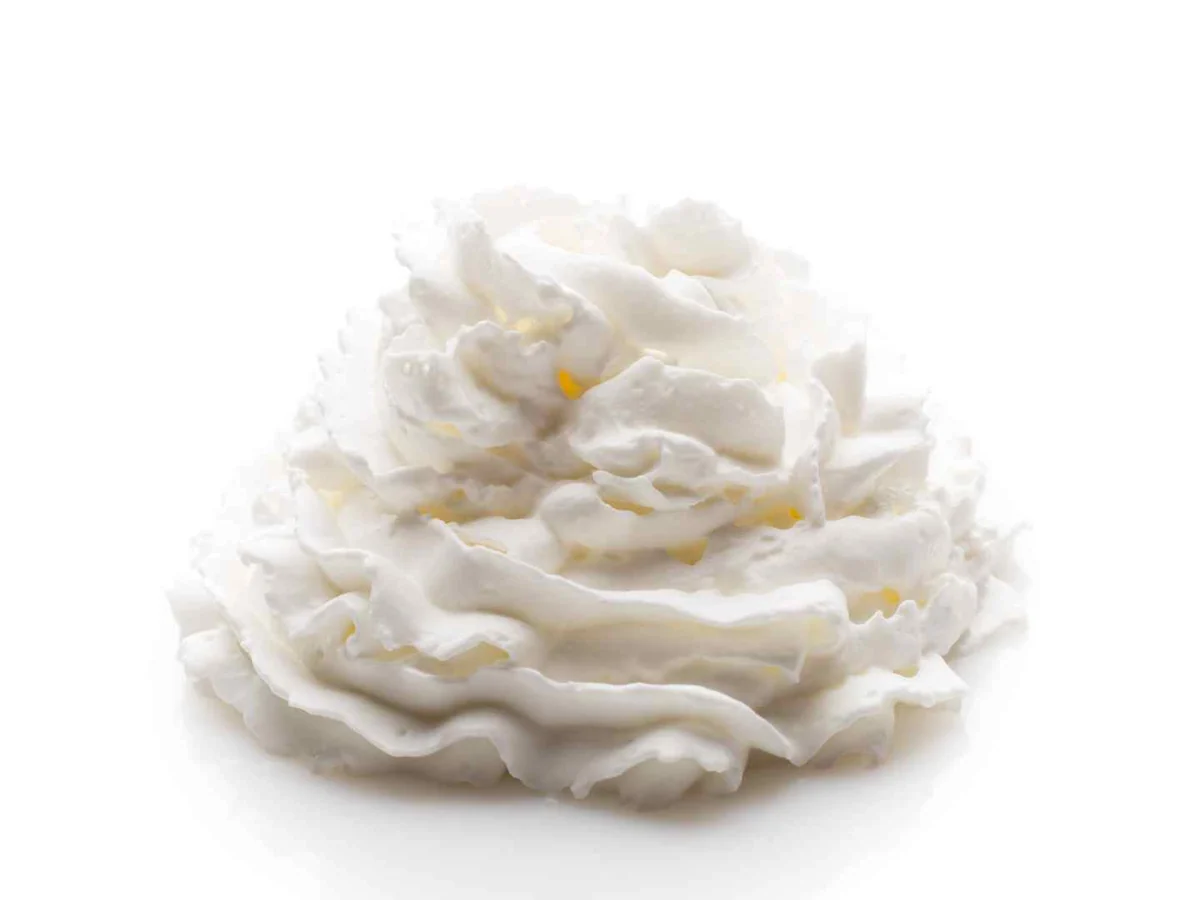
Whipped cream is a recipe, not one ingredient
The safest way to answer a cream theft is to read the container or recipe. Dairy cream whipped at home, canned aerosol topping, frozen whipped topping, coffee-shop foam, and vegan alternatives may look alike while sharing very little beyond their talent for sticking to whiskers.
| Version | Typical issues | Best response |
|---|---|---|
| Plain unsweetened dairy cream | Lactose and concentrated fat | One lick may be tolerated; do not make it routine. |
| Sweetened homemade cream | Sugar plus dairy fat | Skip planned servings and keep the portion tiny after an accident. |
| Aerosol whipped cream | Sugar, stabilizers, flavoring, can and nozzle hazards | Check the label and prevent direct access to the dispenser. |
| Frozen whipped topping | Oils, syrups, emulsifiers, and additives | Treat it as a separate processed food. |
| Plant-based topping | Variable oils, nuts, soy, coconut, sweeteners, and gums | Dairy-free does not automatically mean cat-friendly. |
| Flavored cream | Chocolate, coffee, alcohol, spices, or extracts | Call about toxic ingredients rather than focusing on cream. |
| Restaurant pet cup | Unknown serving size and formulation | Ask what is in it and request a much smaller alternative. |
Why dairy and cats are an awkward pairing
Kittens use lactase to digest their mother’s milk, but that enzyme activity commonly drops after weaning. Adult cats therefore vary in how well they handle lactose, and tolerance cannot be predicted from enthusiasm.
The ASPCA notes that pets lack significant amounts of lactase and may develop diarrhea or other digestive upset from milk products. Cornell similarly says milk is not generally recommended as a feline treat because many cats are lactose-intolerant.
Heavy cream has less lactose per spoonful than ordinary milk because it contains more fat, but it is not lactose-free. A cat may tolerate one dab and still react to a larger serving with gas, gurgling, loose stool, or vomiting.
No digestive drama after one encounter proves only that this encounter went well. It does not turn whipped cream into a health food or guarantee the next portion will be uneventful.
The fat arrives faster than the spoon looks
Whipping adds air and makes cream appear light, not lean. Once the foam collapses in the mouth, the cat has still consumed a rich dairy product with calories that can add up quickly.
A little extra fat may cause no sign at all, while a larger amount can bring nausea, vomiting, diarrhea, or abdominal discomfort. Cats with previous pancreatitis or chronic gastrointestinal disease deserve a more conservative plan from their veterinarian.
It would be inaccurate to promise that one creamy lick causes pancreatitis in every cat. The defensible advice is simpler: rich foods can upset digestion, offer no necessary nutrition, and are easy to over-serve.
Our butter guide for cats explores the same high-fat, dairy-adjacent problem with wrappers and hot pans added. Whipped cream is softer, but nutritionally it is not magically weightless.
Sugar is not poisonous, but it is not useful here
Ordinary table sugar does not create the acute poisoning syndrome associated with certain toxic foods. It does add nutritionally empty calories to a treat that is already rich.
Cats do not need dessert, and their main food should be formulated for feline requirements. The FDA’s explanation of nutritional adequacy shows why the label on cat food carries information that a bowl of cream cannot.
Routine sweet extras can work against weight-management goals even when each squirt looks modest. If the cat needs encouragement, reserve part of the measured daily cat food for treats or ask about a low-calorie veterinary option.
Sugar-free demands a closer label check
Sugar-free whipped products may use alternative sweeteners, but formulas change and front labels are not ingredient lists. Check every sweetener, flavor, and mix-in rather than assuming the absence of sugar is an upgrade.
Xylitol is a well-established emergency in dogs, while the same severe sensitivity has not been established in cats. The FDA’s xylitol warning is specifically about dogs, so it should not be misquoted as proof of an identical feline dose response.
That nuance is not permission to feed a cat xylitol products. Evidence in cats is limited, recipes can contain multiple concerning ingredients, and an uncertain sugar-free exposure is worth discussing with a veterinarian or animal poison service.
Keep the package because “birch sugar” and “wood sugar” can be used as names for xylitol. Do not use “birch bark extract” as a synonym, since it is not an accurate interchangeable label.
Chocolate, coffee, and alcohol change the urgency
Cocoa powder, chocolate syrup, mocha flavor, coffee concentrate, espresso, and cacao nibs add methylxanthines that cats should not consume. Darker chocolate and concentrated cocoa generally deserve more concern than a trace of white chocolate.
Vanilla flavoring in a commercial food is not automatically an alcohol poisoning event, but homemade extracts and boozy creams can contain meaningful ethanol. Irish cream, rum cream, liqueur desserts, and cocktails need prompt professional assessment.
Use our cat chocolate guide to collect the product type, cocoa percentage, amount, and time. Do not wait for restlessness, vomiting, abnormal heart rhythm, tremors, seizures, or collapse before calling about a credible chocolate dose.
Dairy-free cream still needs detective work
Coconut, oat, soy, almond, and other plant-based toppings use different fats, proteins, gums, emulsifiers, and sweeteners. Some are simple; others read like a tiny chemistry set dressed for pie.
A cat with a known food allergy should not sample a novel plant protein casually. Products containing macadamia, chocolate, coffee, alcohol, cannabis, or an uncertain sweetener deserve specific advice based on the exact label.
Coconut-based topping can be very fatty even without dairy. A small accidental taste may be harmless, but “vegan” says nothing about feline calorie needs or digestive tolerance.
If the product is actually frozen dessert, the ice cream guide for cats covers harder textures, chocolate chips, cookie dough, and sugar-free varieties. A tub lid is not a feeding recommendation.
Cans, nozzles, cups, and lids
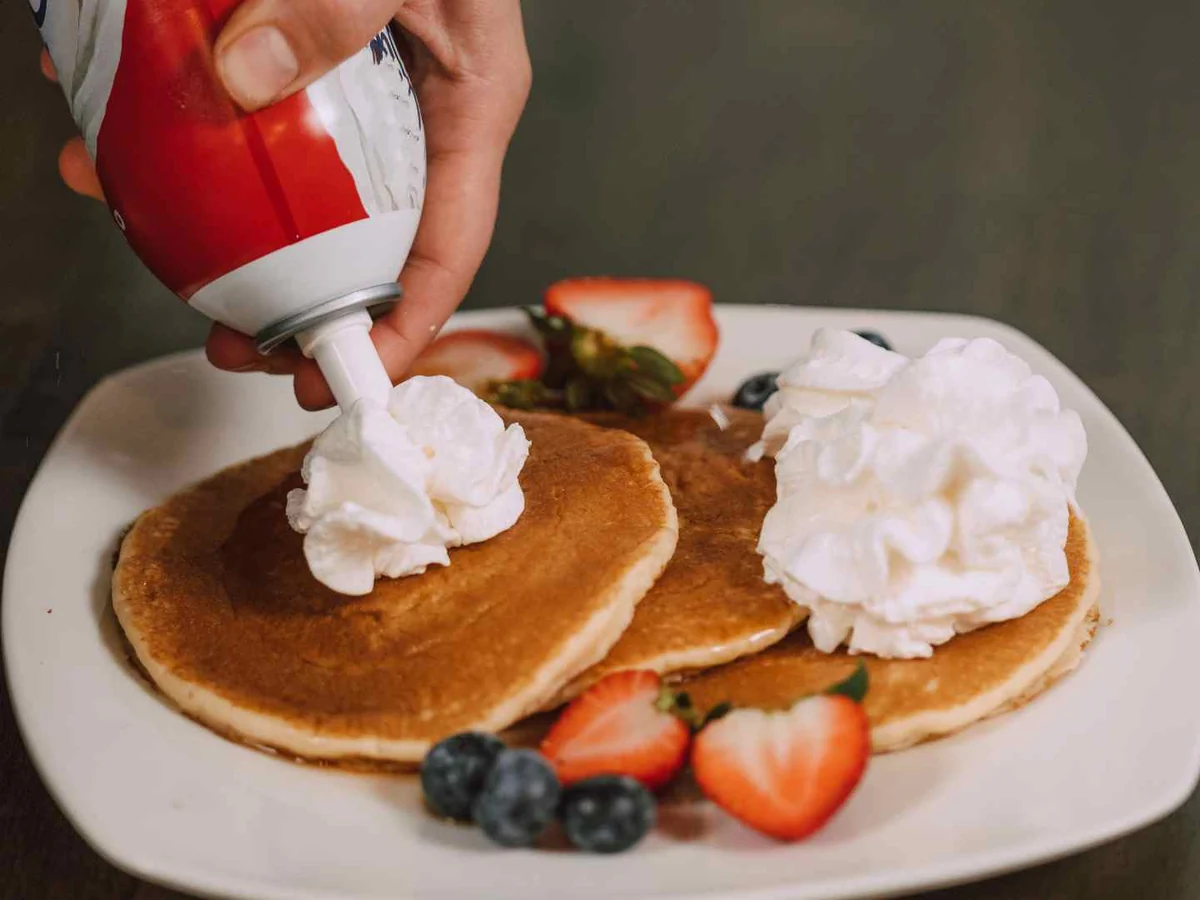
Aerosol cans should be operated by a person and stored out of reach. A cat can injure the mouth on a damaged nozzle or cap, and a punctured pressurized container is not a toy.
Do not spray cream directly into a cat’s mouth. The portion is hard to control, the sound can startle, and rapid delivery encourages gulping rather than a calm lick from a dish.
Plastic coffee lids, straws, foil seals, and small condiment cups can be chewed or swallowed. Account for the packaging whenever the treat disappeared during an unsupervised counter expedition.
What about a puppuccino for a cat?
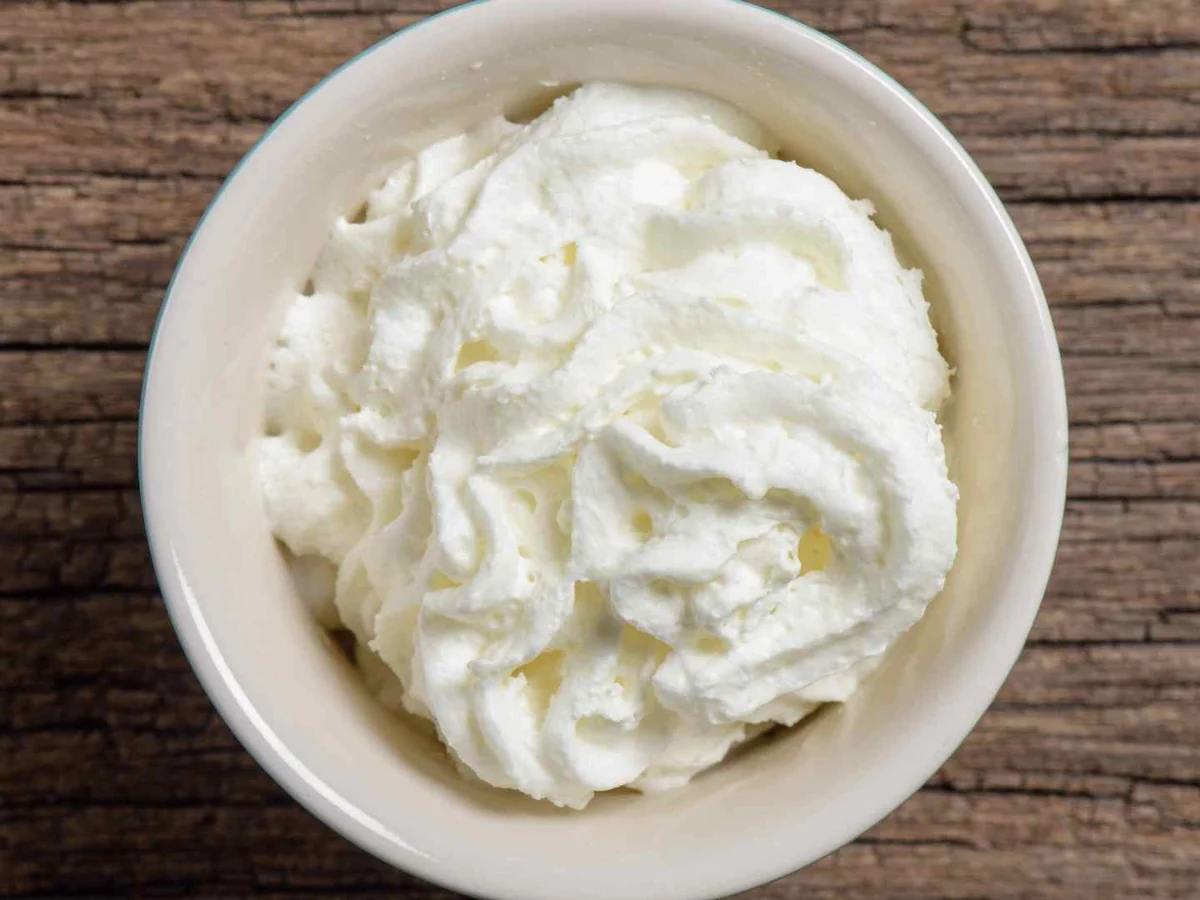
A café “pet cup” is usually whipped cream, not a standardized veterinary product. The recipe, cup size, and topping policy differ by location, so ask for ingredients and decline chocolate drizzle, sprinkles, syrup, or coffee contamination.
The standard cup can be enormous relative to a cat. If a healthy adult is allowed any, request an empty cup with only a fingertip-sized smear or bring a familiar cat treat instead.
A charming photo does not require the cat to finish the prop. Remove the cup after one lick before the performance turns into a dairy-eating contest.
Cats who should not join dessert
Kittens need food designed for growth rather than whipped dairy, and overweight cats do not benefit from invisible drink-counter calories. Cats with diabetes, kidney disease, heart disease, chronic diarrhea, food allergy, pancreatitis history, or a therapeutic diet need veterinary guidance.
Dairy can also undermine an elimination trial. Even a small amount may confuse the interpretation if milk protein is among the ingredients being excluded.
Medication should not be hidden in whipped cream without approval. Fat and dairy can be unsuitable for the patient, and a cat that eats around the dose may receive an uncertain amount of medicine.
What to do after an unplanned serving
- Take the product away. Secure the can, bowl, coffee cup, lid, and any wrappers.
- Photograph the full label. Capture ingredients, flavor, sweeteners, brand, and package size.
- Estimate how much is gone. A tongue-tip taste and half a café cup require different conversations.
- Check for added hazards. Look for cocoa, coffee, alcohol, cannabis, missing plastic, and sugar substitutes.
- Contact help when appropriate. Call for toxic add-ins, a large amount, high-risk health conditions, foreign material, or symptoms.
Mild lactose intolerance may cause gas, loose stool, or vomiting within the following hours. Repeated vomiting, severe lethargy, pain, wobbliness, tremors, breathing difficulty, or collapse warrants urgent care.
Do not induce vomiting and do not give more dairy as a home remedy. Offer the normal diet and water unless the veterinary team provides different instructions.
Frequently asked questions
Can cats have unsweetened whipped cream?
Unsweetened cream removes added sugar but still contains dairy fat and some lactose. One tiny lick may be tolerated by a healthy adult, yet it remains unnecessary and can still upset a sensitive stomach.
Is lactose-free whipped cream safe for cats?
Removing lactose addresses only one part of the product. Fat, calories, sweeteners, flavors, gums, allergens, and serving size still need review.
Can whipped cream help a cat take medicine?
Only use it if the prescribing veterinarian approves both the food and the administration method. Some drugs must not be crushed, some interact with food, and incomplete dosing can be dangerous.
My cat licked plain whipped cream. Is this an emergency?
One small lick in an otherwise healthy cat is usually a monitoring situation rather than an emergency. Verify the ingredients and call if the amount was large, the formula was complicated, or any unusual sign appears.
Bottom line
Whipped cream is best treated as an occasional accidental lick, not a feline tradition. Check what the foam actually contains, shrink the portion dramatically, protect the packaging, and choose a measured cat treat when you want to include your small supervisor in the celebration.