What Can Cats Not Eat? A Calm, Practical Food Safety List
Cats should not eat onions, garlic, chocolate, caffeine, alcohol, raw yeast dough, or spoiled and moldy food. Grapes, raisins, xylitol products, raw animal foods, cooked bones, and heavily salted or fatty dishes also deserve caution, even when feline evidence is less complete than canine evidence.
If your cat has eaten something questionable, save the package and call your veterinarian or an animal poison service now. Do not wait for symptoms or try to make a cat vomit unless a veterinary professional gives exact instructions.
The quick-reference list
| Food or product | Why it is a problem | Best next step |
|---|---|---|
| Onion, garlic, leek, chive, shallot | Allium compounds can damage red blood cells and cause anemia; powders and cooked forms still count. | Call promptly, especially for concentrated powder, repeated exposure, or any symptoms. |
| Chocolate, cocoa, coffee, tea, energy products | Theobromine and caffeine can affect the heart and nervous system. | Call now with the product type, amount, time, and cat’s weight. |
| Alcohol and raw yeast dough | Alcohol depresses the nervous system; rising dough can expand and produce ethanol. | Treat as urgent. Keep the container or recipe. |
| Grapes and raisins | Kidney injury is well documented in dogs, while feline evidence is limited to anecdotal reports, so a safe feline amount is not established. | Call rather than experimenting with a wait-and-see approach. |
| Xylitol or “birch sugar” products | Severe canine poisoning is established, while feline susceptibility is uncertain and products may contain other hazards. | Check every ingredient and call for case-specific advice. |
| Raw meat, fish, eggs, and unpasteurized dairy | Pathogens can harm cats and spread to people; some raw fish also contains thiaminase. | Avoid routine feeding. Call for illness or a recalled product. |
| Cooked bones, skewers, wrappers, string | These are physical hazards that can choke, perforate, or obstruct the digestive tract. | Urgent veterinary advice is warranted; never pull visible string. |
| Moldy, spoiled, or recalled food | Microbes and toxins may remain dangerous even when only part looks affected. | Stop access, save packaging, and call if any was eaten. |
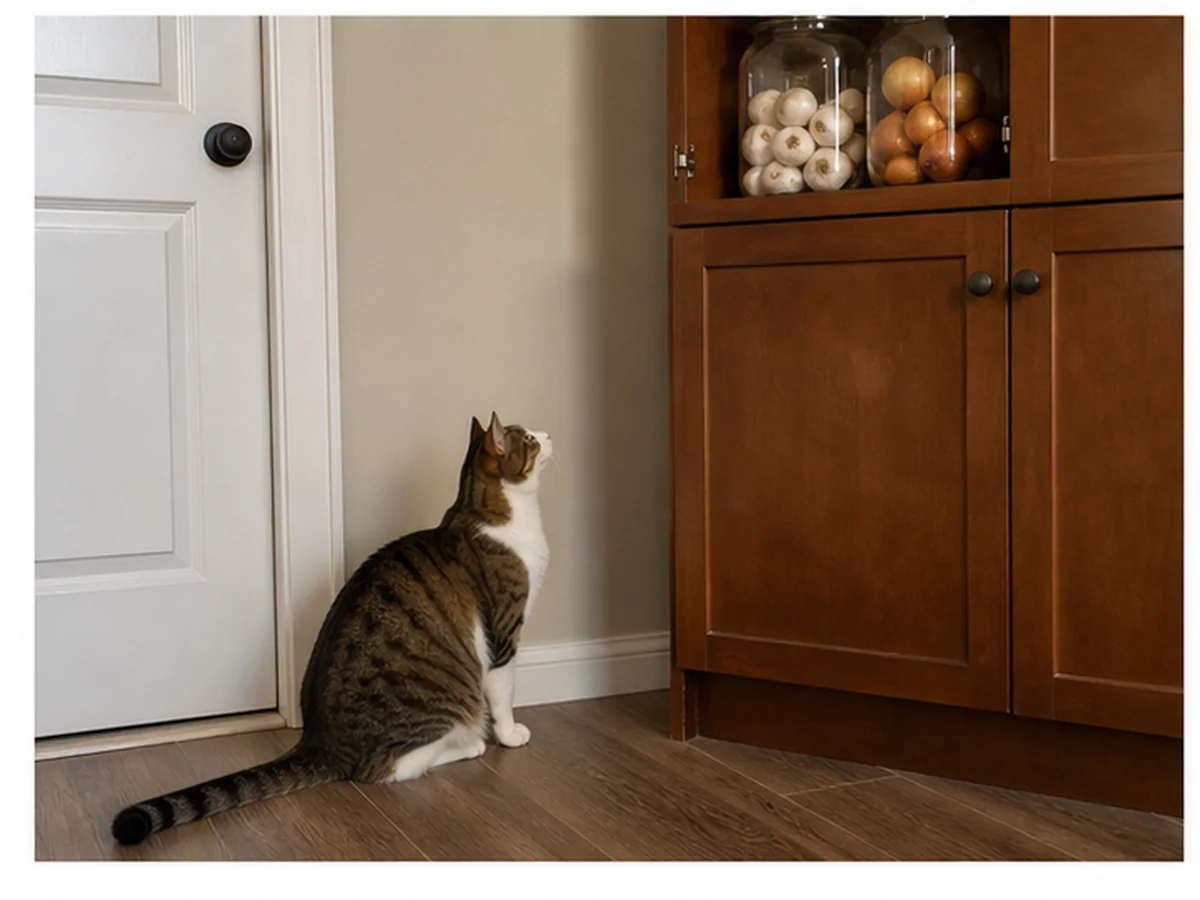
Onion and garlic: the quiet repeat offenders
Onions, garlic, leeks, chives, and shallots belong to the Allium group. According to the Merck Veterinary Manual’s Allium toxicology review, raw, cooked, and concentrated forms can cause oxidative injury to red blood cells in cats.
That means cooking does not neutralize the risk, and “only seasoning” is not a useful safety test. Powder can be especially easy to miss in broth, gravy, baby food, soup, sauce, spice blends, deli meat, chips, and savory snacks.
Signs may include vomiting, weakness, pale gums, rapid breathing, fast heart rate, dark urine, or reduced appetite. Red-cell injury can take time to become obvious, so an apparently normal cat is not proof that a meaningful exposure is harmless.
Repeated small tastes matter because injury can accumulate across several days. Read our focused guide to pickles, brine, and hidden alliums for a good example of why the ingredient list matters more than the food’s nickname.
Chocolate, cocoa, coffee, tea, and caffeine
Chocolate contains methylxanthines, mainly theobromine and caffeine, and darker chocolate or cocoa powder generally concentrates more of them than milk chocolate. Coffee beans, grounds, tea bags, matcha, caffeine tablets, pre-workout powders, and energy drinks can deliver caffeine without looking like chocolate at all.
Possible signs include restlessness, vomiting, abnormal heart rhythm, rapid breathing, tremors, high body temperature, seizures, or collapse. The product name and cacao percentage help a poison specialist estimate risk, so bring the wrapper instead of relying on “one bite.”
White chocolate has far less methylxanthine than darker products, but it is still fatty and may be combined with raisins, macadamias, coffee, alcohol, or xylitol. Brownies and frostings also hide several risks in one neat, crumbly package.
Alcohol and raw yeast dough are emergencies
Beer, wine, liquor, cocktails, extracts, fermented fruit, and alcohol-based desserts can all expose a cat to ethanol. A small cat has little room for error, and signs can include vomiting, poor coordination, sleepiness, low blood sugar, low body temperature, slowed breathing, coma, or death.
Unbaked yeast dough creates two problems inside the stomach: it can expand, and fermentation can produce ethanol. The Merck Veterinary Manual food-hazards overview explains the major food toxicants and is a useful authority to keep bookmarked.
Do not offer food, milk, charcoal, salt, hydrogen peroxide, or another home remedy to “soak it up.” Call while another person, if available, gathers the recipe, product, time of exposure, and your cat’s approximate weight.
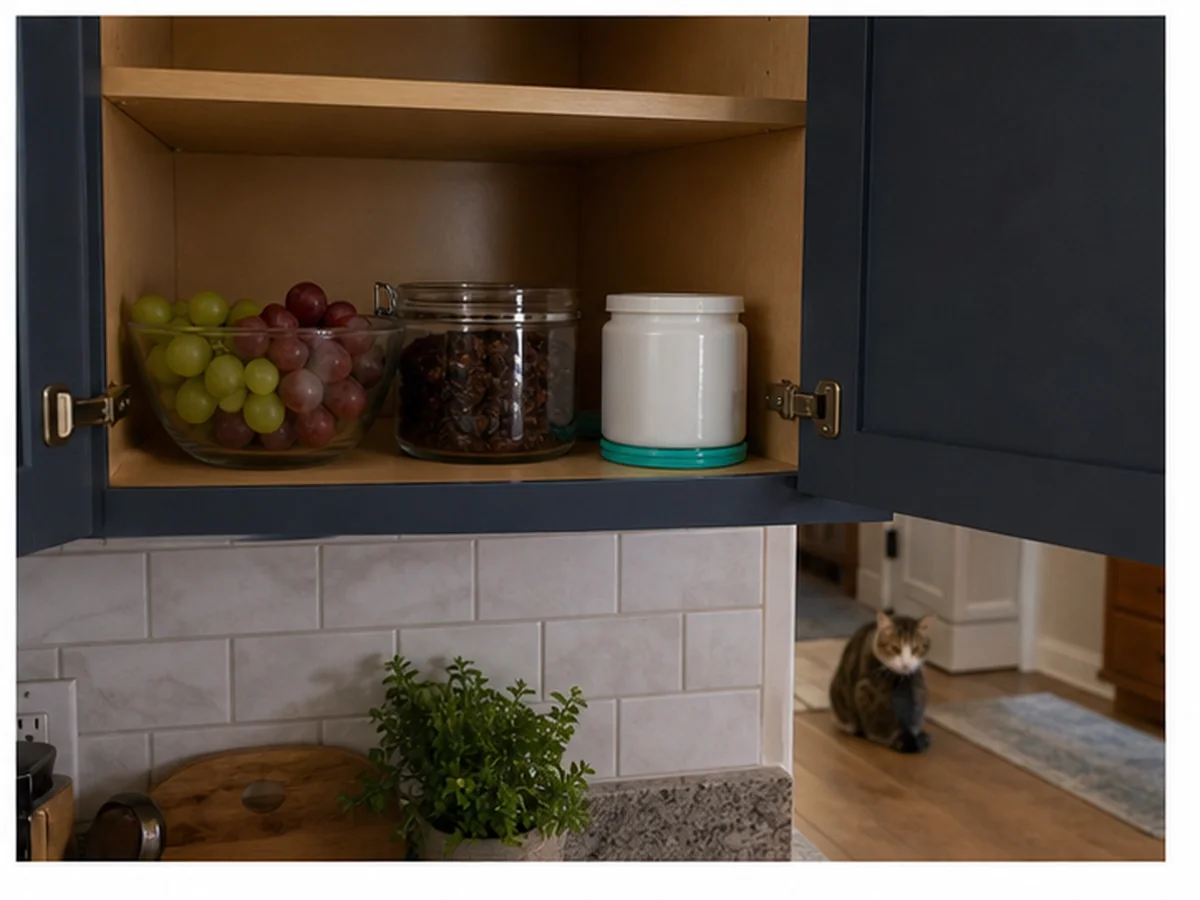
Grapes, raisins, and xylitol: uncertainty is not permission
Grapes and raisins are linked to potentially severe kidney injury in dogs, while feline reports are sparse. Cornell nevertheless includes grapes and raisins among common cat hazards, while Merck notes that published feline case reports are lacking.
Because the toxic amount is unpredictable in dogs and a reliable safe amount for cats has not been established, call after a feline exposure. Raisin bread, trail mix, cereal, granola, fruitcake, and snack bars are easy sources.
Xylitol, sometimes labeled birch sugar, causes dangerous hypoglycemia and liver injury in dogs, but current evidence does not establish the same sensitivity in cats. That gap should be stated honestly, not converted into a promise of safety.
Sugar-free gum, mints, candy, toothpaste, baked goods, syrups, and some nut butters may contain xylitol alongside chocolate, caffeine, or other hazards. Our cat and pizza guide shows the same label-first approach for complicated people food.
Raw meat, raw fish, raw eggs, and unpasteurized dairy
Cats are carnivores, but “carnivore” does not mean immune to foodborne disease. The CDC does not recommend raw pet food or treats because raw animal protein can carry pathogens such as Salmonella and Listeria that can affect pets and people.
Freezing, freeze-drying, and dehydrating do not reliably eliminate every germ. A cat may also shed pathogens without looking ill, which matters in homes with young children, older adults, pregnant people, or anyone with a weakened immune system.
Raw fish adds species-specific issues because some fish contain thiaminase, an enzyme that breaks down vitamin B1. Repeated feeding, not a stolen nibble, is the typical nutritional concern, and cooking inactivates thiaminase.
Use our raw fish guide to compare species, bones, pathogens, and preparation. A commercially prepared diet can also be raw, so words such as frozen, freeze-dried, or fresh do not automatically tell you whether a pathogen-kill step occurred.
Bones, strings, skewers, wrappers, and other non-food trouble
Cooked bones can splinter, while any bone can lodge in the mouth, esophagus, stomach, or intestine. Tooth fractures, choking, constipation, obstruction, and perforation are physical injuries, so the absence of a “toxin” does not make the situation low-risk.
Skewers, corn cobs, fruit pits, nut shells, foil, absorbent meat pads, sausage casings, plastic wrap, and snack bags also travel with food. If material is hanging from the mouth or rectum, do not pull it because string can be anchored around the tongue or gathered through the intestine.
Repeated vomiting, retching, drooling, a painful belly, hiding, refusal to eat, straining, or little stool can signal obstruction or injury. Emergency evaluation is safer than trying to push an object through with bread, oil, pumpkin, or extra food.
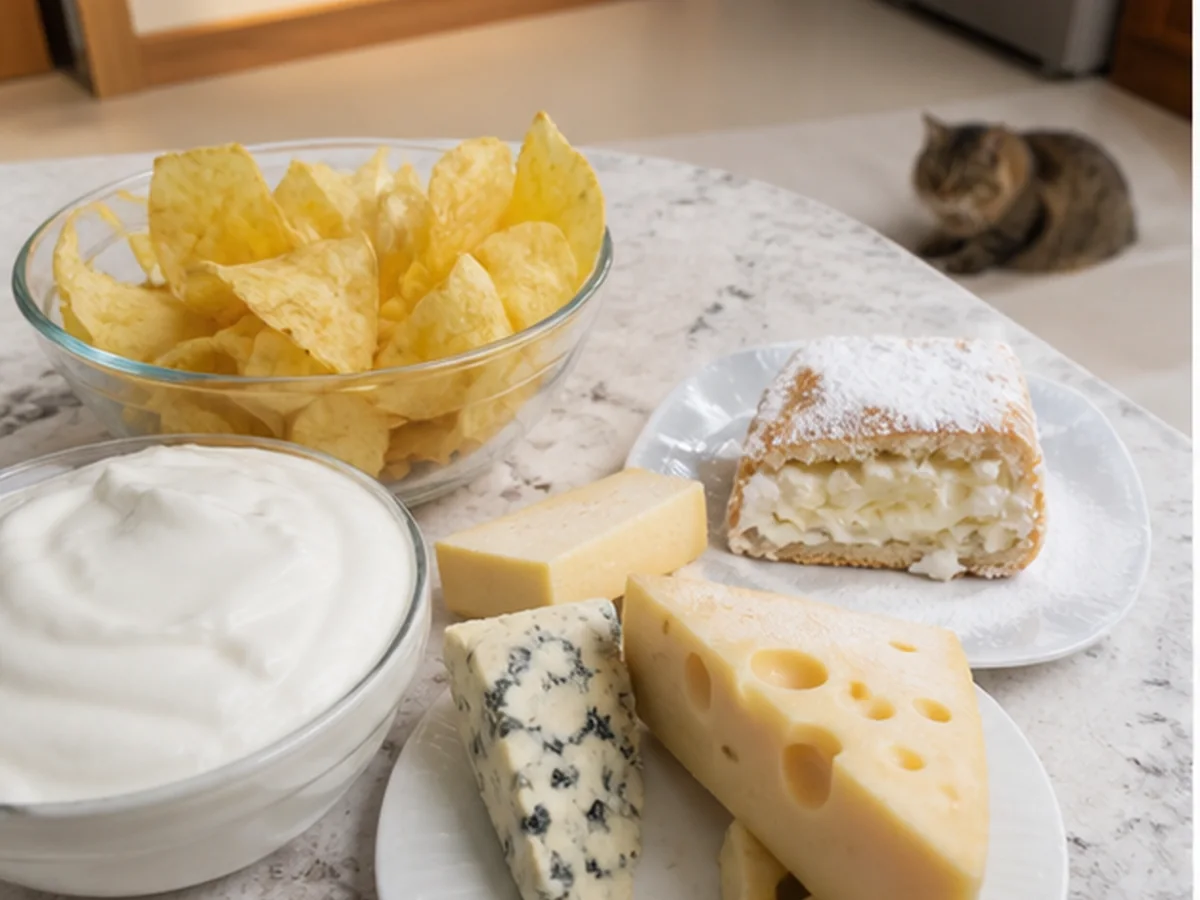
Very salty, fatty, sugary, or dairy-heavy foods
A lick of plain cooked food is different from a meal of bacon, pepperoni, gravy, fried chicken skin, butter, or cream. Rich foods may trigger digestive upset, add unnecessary calories, and complicate conditions such as obesity, diabetes, pancreatitis, heart disease, or kidney disease.
Many adult cats digest lactose poorly, so milk, ice cream, whipped cream, and some yogurts may cause diarrhea or gas. Dairy is not an antidote for poison and should not be used to dilute an exposure.
Salt poisoning requires a substantial sodium exposure, but salty foods can still worsen thirst, vomiting, or an underlying medical problem. Concentrated brine, salt dough, homemade play dough, salt lamps, and seasoning packets are more concerning than a crumb of ordinary bread.
What to do after your cat eats a questionable food
- Remove access. Put away the food and keep other pets out of the area.
- Identify the exact product. Save the wrapper, ingredient list, recipe, lot code, and any remaining material.
- Estimate, do not guess precisely. Note the largest amount that could be missing, when it happened, and your cat’s weight.
- Call promptly. Contact your veterinarian, an emergency hospital, or an animal poison-control service for case-specific advice.
- Follow instructions. Do not induce vomiting or give home remedies unless the professional managing the case directs you.
Go to an emergency clinic immediately for trouble breathing, collapse, seizures, severe tremors, repeated vomiting, extreme weakness, pale or blue gums, marked abdominal swelling, or inability to swallow. Call ahead when possible so the team can prepare.
If the product is pet food and may be contaminated or recalled, save the lot number and receipt. The FDA accepts pet food complaints, but reporting never replaces veterinary care.
How to decide whether a human food is reasonable
Start with the ingredient list, not the front of the package. A plain cooked bite may be low-risk while a flavored version contains allium powder, chocolate, alcohol, caffeine, excessive salt, or a sugar substitute.
Then check texture and shape. Round fruit, bone fragments, tough rind, sticky nut butter, stringy vegetables, and packaging can cause choking or obstruction even when the underlying ingredient is not poisonous.
Finally, ask whether the food displaces a balanced diet. The FDA explains the “complete and balanced” statement, which tells you whether a cat food is intended to supply required nutrients for a stated life stage.
Human foods and treats are optional extras, not a nutritional foundation. For safer ideas, see how to serve cooked egg and keep portions tiny enough that the regular cat food still does the heavy lifting.
Cats who need extra caution
Kittens, seniors, pregnant or nursing cats, and cats with diabetes, kidney disease, heart disease, pancreatitis, food allergies, or weakened immunity have less margin for dietary experiments. A prescription diet may also depend on precise mineral, protein, fat, or carbohydrate targets.
Medication can change the decision too, and treats may interfere with an elimination-diet trial. If your cat eats a therapeutic diet, ask the prescribing clinic for an approved treat list rather than assuming a food is harmless because it is plain.
Frequently asked questions
Can cats eat a tiny amount of onion or garlic?
There is no useful universal “tiny” amount because product concentration, repeated exposures, and individual factors vary. Remove access and call for a risk assessment, especially for powders, supplements, broth concentrates, or several days of exposure.
What if my cat seems completely normal?
Call anyway when the food is a known toxin or a sharp or obstructive object. Some effects are delayed, and early advice may create more treatment options than waiting for visible illness.
Should I make my cat vomit?
No home method is reliably safe for cats, and hydrogen peroxide can injure the gastrointestinal tract. A veterinarian decides whether decontamination is appropriate based on the substance, time, symptoms, and aspiration risk.
Are foods labeled natural or organic safer?
Those words do not address feline toxicity, pathogen control, physical hazards, or nutritional completeness. Organic raisins are still raisins, natural cocoa still contains methylxanthines, and raw organic meat can still carry pathogens.
Bottom line
Keep alliums, chocolate, caffeine, alcohol, raw yeast dough, grapes, raisins, questionable sugar-free products, raw animal foods, cooked bones, and spoiled foods out of reach. When an accident happens, the winning move is delightfully unglamorous: save the package, stop home remedies, and call a veterinary professional promptly.