Can Cats Eat Pumpkin? Plain Purée, Pie Filling, Seeds, and Fiber
Many healthy adult cats can eat a small amount of plain cooked pumpkin or plain canned pumpkin, but it is not a universal cure for stomach or litter-box problems. Pie filling, spice blends, sugar, dairy, raw rind, stems, candles, wrappers, and decorative pumpkins require different judgment.
Check the can, recipe, or decoration first
Remove access and identify plain purée, pie filling, fresh cooked flesh, raw pumpkin, seeds, bread, soup, latte, or a carved decoration. Save the label and note the amount, time, missing objects, medical history, and symptoms.
- A teaspoon of plain cooked pumpkin: offer water and observe for digestive changes.
- A large amount or persistent vomiting or diarrhea: call for guidance.
- Pie spices, chocolate, coffee, alcohol, onion, garlic, medication, mold, candles, or missing plastic: contact a veterinarian promptly.
- Repeated straining without urine, collapse, breathing trouble, severe weakness, tremors, or seizures: seek emergency care.
Do not induce vomiting, give laxatives, or force pumpkin or water. Straining can mean constipation or a urinary blockage, and telling the difference at home is not safe.
What plain pumpkin may do
Pumpkin contains water and mixed types of fiber that can alter stool consistency. Some veterinarians use measured amounts within a specific plan, but the useful dose and food choice depend on the cat and the problem.
Too much can cause gas, discomfort, diarrhea, or nutrient dilution, and a cat may refuse a meal once its smell or texture changes. Fiber is a tool, not a diagnosis.
Pumpkin is not complete cat food
Orange color and human superfood status do not satisfy feline requirements for taurine, animal protein, fatty acids, vitamins, and minerals in precise balance. Pumpkin should remain a small optional addition.
The Cornell Feline Health Center feeding guide centers complete food suited to life stage. A cat does not need pumpkin to obtain a balanced diet when its staple food is appropriately formulated.
Canned plain pumpkin versus pie filling
Plain canned pumpkin should list pumpkin, though texture and water content vary by brand. Pumpkin pie filling is a sweetened, spiced recipe and may contain salt, dairy, flavoring, or other ingredients.
Read the front and back of the can every time because similar labels can sit side by side. Freezing plain purée in teaspoon portions helps avoid opening a can and then feeling obligated to serve half of it.
How much is a small serving?
For a healthy adult whose veterinarian approves pumpkin, one level teaspoon is a cautious test amount. Mix it into the regular food and introduce it alone so any stool or appetite change is easier to interpret.
Do not keep increasing the spoonful because the litter box has not changed within hours. Gut transit takes time, and escalating fiber without addressing dehydration or obstruction can make the cat less comfortable.
Constipation requires more than orange purée
Constipation can involve dehydration, pain, kidney disease, pelvic injury, medication, neurologic disease, megacolon, swallowed material, or inadequate litter-box access. Treatment may require fluids, imaging, enemas, medication, or diet changes.
The Merck Veterinary Manual constipation overview describes causes and signs. Repeated straining, hard dry stool, vomiting, appetite loss, pain, or lethargy warrants veterinary evaluation.
Urinary blockage can masquerade as constipation
A cat making frequent box trips, straining, crying, licking the genitals, producing only drops, vomiting, or becoming weak may have urinary obstruction. Male cats are at particular risk, and this is an emergency.
Do not wait for pumpkin to work when urine output is uncertain. Check the box, but do not delay emergency care to obtain a perfect observation.
Diarrhea also needs a cause
A measured amount of fiber may help some diarrhea cases and worsen others. Parasites, infection, abrupt diet change, food intolerance, inflammatory disease, toxins, foreign objects, and systemic illness need different responses.
Call sooner for blood, repeated vomiting, pain, dehydration, fever, marked lethargy, a kitten, a senior, or a cat with chronic disease. Never use human antidiarrheal medicine without a feline prescription.
Hairballs and repeated retching
Pumpkin is often recommended online for hairballs, but repeated retching may actually be vomiting or coughing. Asthma and other airway problems can be mistaken for an unproductive hairball.
Record a video if it can be done safely and show the veterinarian. Grooming, parasite control, hydration, and a targeted diet may help, but persistent episodes deserve diagnosis.
Fresh pumpkin preparation
Wash the intact pumpkin under running water, cut it with clean tools, remove stem, rind, stringy material, and seeds, then cook the flesh until soft. Serve it plain and completely cool.
The FDA produce-safety guidance covers rinsing, refrigeration, and avoiding cross-contamination. Soap and household cleaners should not be used on food.
Raw rind, stems, and chunks
Raw pumpkin is hard and fibrous, while rind and stem can injure teeth or create choking and obstruction hazards. A large chunk may be gulped during a countertop theft.
Call for gagging, repeated swallowing, drooling, vomiting, appetite loss, abdominal pain, straining, or reduced stool. Do not feed extra fiber to push a suspected object through.
Pumpkin seeds
Plain shelled seeds are not known as a common feline poison, but they are fatty, easy to overfeed, and can be swallowed whole. Roasted snack seeds often carry salt, oil, chili, garlic, or onion powder.
Ground seed is not a proven home dewormer for cats and can delay effective parasite treatment. Use veterinarian-prescribed parasite control based on the cat’s risks and diagnostic results.
Pumpkin pie, bread, muffins, and lattes
Baked goods can include sugar, butter, dairy, chocolate, raisins, nuts, alcohol extracts, sweeteners, and wrappers. Pumpkin spice usually refers to a seasoning blend, not pumpkin, while a latte adds coffee and milk.
Our guides to ice cream, bread, honey, and fruit help separate dessert components. Keep the actual recipe for accurate triage.
Decorative and carved pumpkins
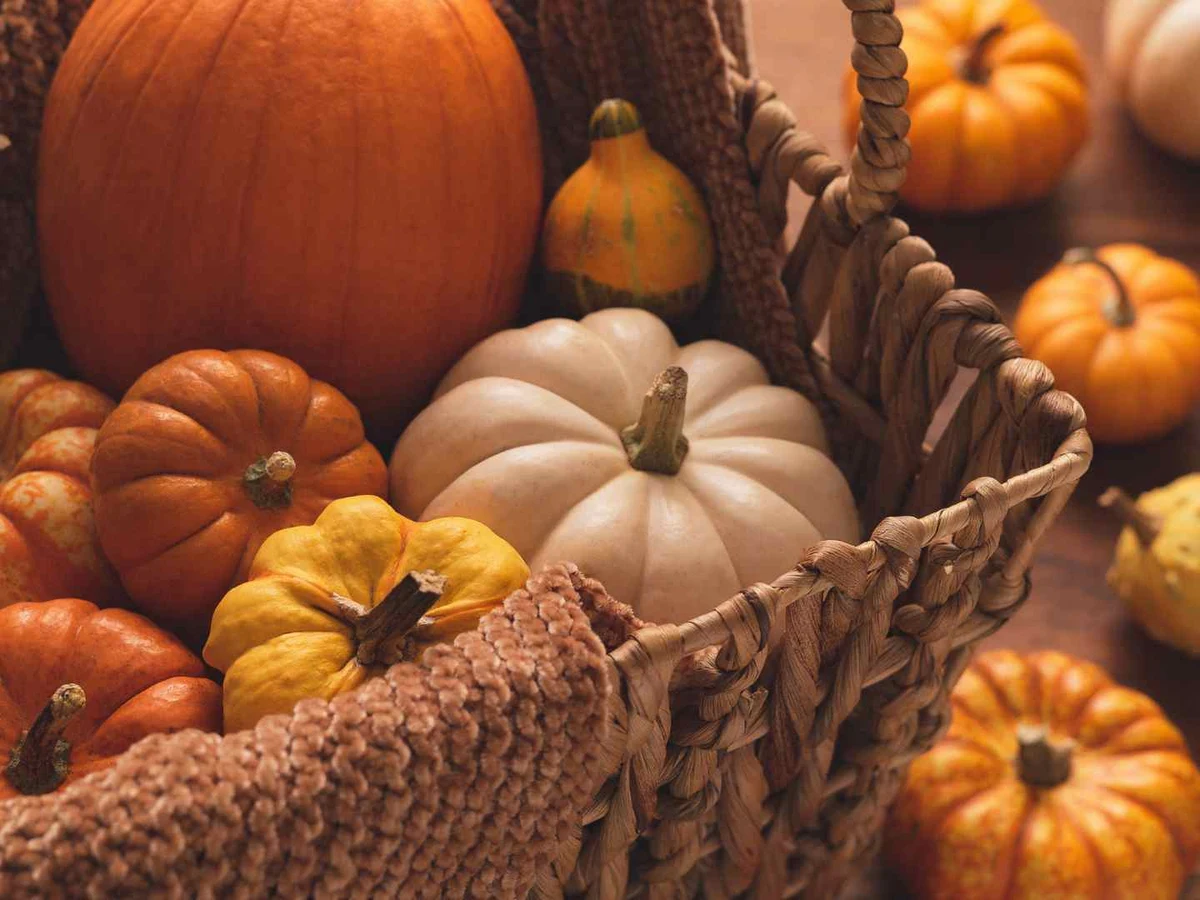
A porch pumpkin may carry paint, glitter, glue, pesticide residue, mold, candle wax, batteries, toothpicks, or sharp carving tools. Rotting decorations can also harbor insects and microbes.
Block access, use flameless decorations with secured battery compartments, and discard moldy pumpkins safely. If a battery or sharp object is missing, treat that as urgent regardless of how little pumpkin was eaten.
Kittens and medically restricted cats
Kittens need complete growth food and should not have their tiny ration diluted with spoonfuls of fiber. Seniors and cats with kidney, urinary, bowel, pancreatic, or diabetic conditions need individualized advice.
A prescribed gastrointestinal food already contains a designed fiber profile. Adding pumpkin can change that profile, so ask the treating team before adjusting it.
Hydration matters more than the orange color
Fiber works alongside water, so adding dry bulk to a poorly hydrated cat may not help constipation. Fresh water, clean bowls, appropriate wet food, and treatment of underlying disease are more important than chasing a fashionable ingredient.
A sudden increase or decrease in drinking can signal illness. Track water and urine trends when possible, but do not delay care while trying to obtain perfect measurements.
How to store an opened can
Transfer unused pumpkin to a clean covered container, refrigerate it according to the label, and use a clean spoon each time. Discard it if mold, bubbling, an unusual odor, or prolonged unsafe storage raises concern.
Small frozen portions can reduce waste, but thaw them in the refrigerator and stir before serving. Never hand a cat a hard frozen cube that can be gulped or damage a tooth.
Mixed squash products
Some cans labeled pumpkin contain other edible winter squashes, while soups and baby-food pouches may be blends. This is not automatically harmful, but it makes reading the full ingredient list essential.
Avoid blends containing onion, garlic, dairy, excessive salt, sweetener, or spices. If the product is being used for a medical purpose, consistency between batches matters.
Possible food reaction
Pumpkin is tolerated by many cats, but any new ingredient can coincide with itching, vomiting, diarrhea, or facial swelling. Stop the food and document timing and every ingredient.
Breathing difficulty, collapse, or rapidly increasing swelling is an emergency. Mild recurring signs still deserve veterinary guidance rather than repeated home testing.
Do not hide a poor appetite with toppings
A cat that refuses normal food but licks pumpkin may still be nauseated or painful. Dental disease, kidney problems, infection, bowel disease, stress, and medication effects are among many possibilities.
Call promptly if an adult cat goes a day without meaningful food, and sooner for a kitten, diabetic cat, or visibly sick cat. Cats are vulnerable to serious complications from sustained inadequate intake.
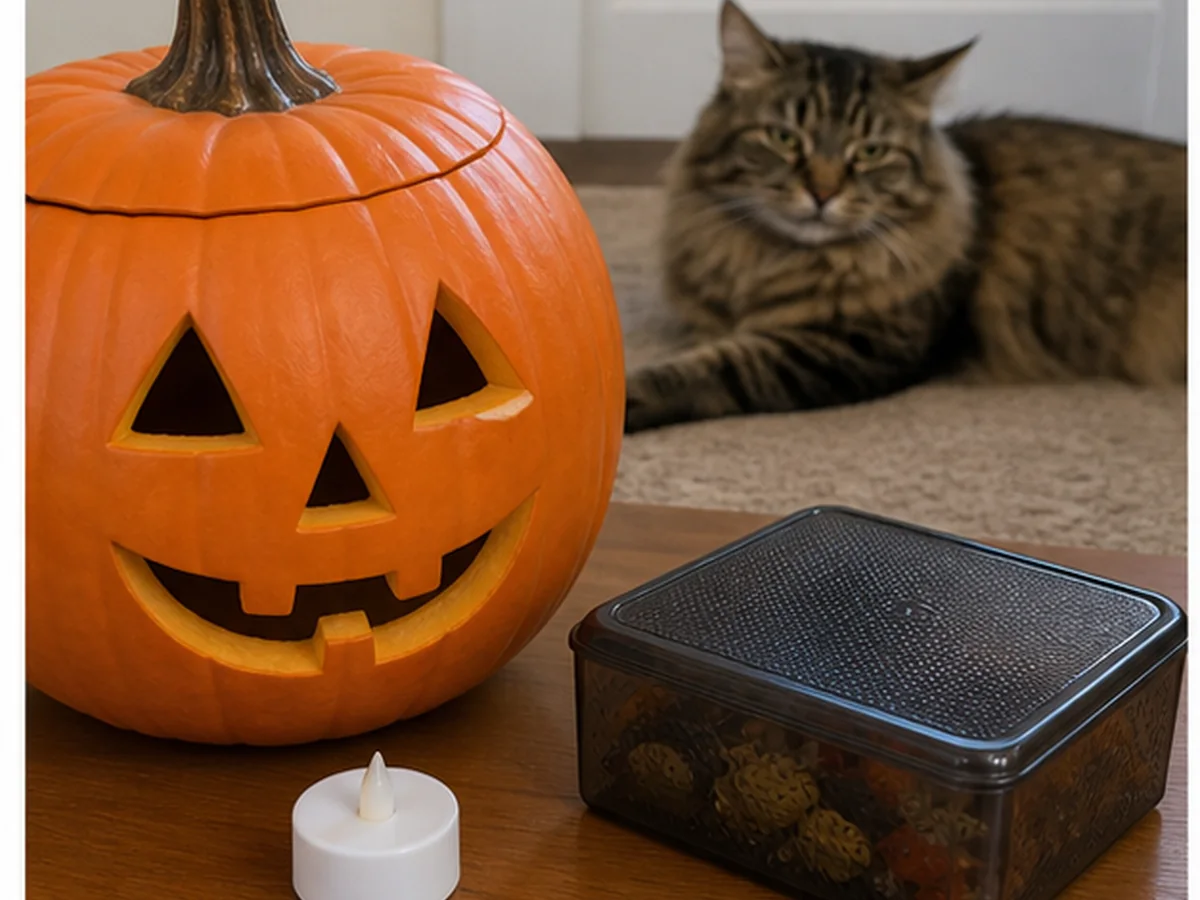
A calmer Halloween setup
Keep carved pumpkins, electrical cords, glow sticks, candy, ribbons, and costume pieces in cat-free areas. Give the cat a quiet room with familiar food, water, litter, and a hiding place during busy door traffic.
Count batteries, candle parts, and decorative picks after cleanup. The nonfood object is often more urgent than the nibble of pumpkin beside it.
Frequently asked questions
Can cats eat pumpkin every day?
Only if the veterinarian has included a measured amount in a specific plan. Daily use should have a purpose, an appropriate dose, and monitoring for weight, stool, appetite, and hydration.
Can pumpkin help a cat lose weight?
Do not replace complete food with pumpkin to reduce calories. Safe weight loss uses a measured balanced diet, enrichment, and regular weigh-ins while preserving lean tissue.
Is baby-food pumpkin safe?
Read every ingredient because baby foods and pouches may blend fruits, dairy, onion, seasonings, or concentrates. Plain pumpkin purée is simpler and still needs a small serving.
The bottom line
A teaspoon of plain cooked pumpkin is often tolerated, but it is an optional fiber ingredient, not an all-purpose remedy. Pie filling, raw hard parts, seeds, mixed recipes, decorations, straining, vomiting, and chronic disease need more careful decisions.