Can Cats Eat Catnip? Dried Leaves, Fresh Plants, Toys, and Oils
Cats can chew or swallow a small amount of catnip, but more is not better. Catnip may stimulate some cats and relax others, while eating too much can cause vomiting or diarrhea, and concentrated oils, tinctures, moldy products, treated plants, torn toys, and strings need extra caution.
The practical verdict
Use a small pinch of dried catnip or a fresh leaf for short, supervised enrichment rather than serving it as food. Let your cat sniff, rub, roll, or lick, then put the product away before the session becomes a full herb buffet.
A cat that ignores catnip is normal, and a cat that becomes sleepy rather than playful may also be normal. Stop the session if behavior becomes frantic, aggressive, uncoordinated, or uncomfortable.
Catnip can stimulate, sedate, or do very little
Catnip, Nepeta cataria, contains volatile compounds including nepetalactone that can trigger the familiar rubbing and rolling response. Individual response varies because cats differ in sensitivity and preference.
A controlled study of 100 domestic cats found that roughly one in three did not respond to catnip, while many nonresponders reacted to silver vine or another attractant. The peer-reviewed study supports enrichment variety rather than declaring a nonresponding cat broken.
Another peer-reviewed behavioral study found substantial differences between cats in response duration and behavior. Catnip should be treated as an optional sensory experience, not a predictable switch that produces one approved mood.
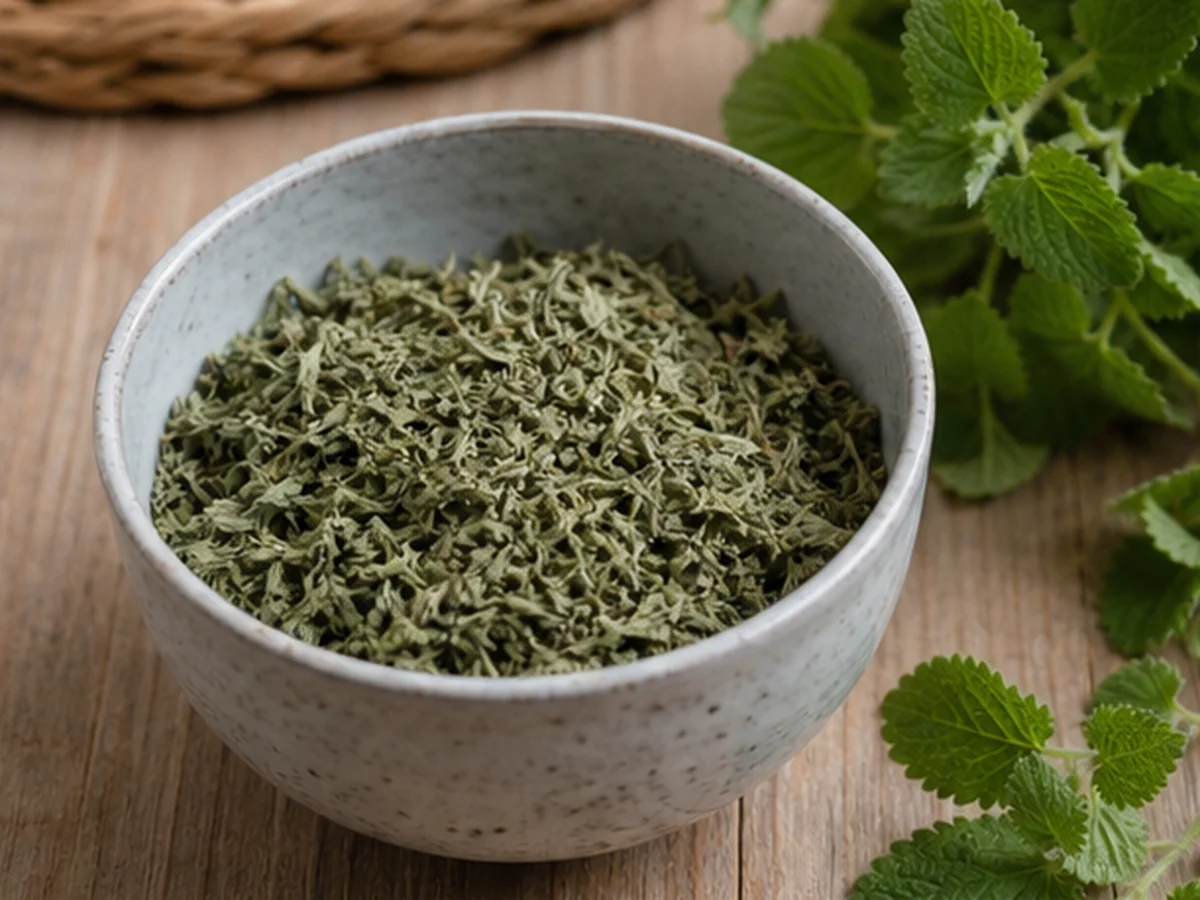
Why the ASPCA lists catnip as toxic
The ASPCA catnip page lists it as toxic to cats because it can cause vomiting and diarrhea and may make cats stimulated or sedated. That classification does not mean one sniff or small supervised nibble routinely causes a life-threatening poisoning.
It does mean quantity and response deserve respect. A cat that eats a pile of dried leaves or empties a toy has a different exposure from a cat that rubs its face on one pinch.
Call your veterinarian for repeated vomiting, significant diarrhea, profound sedation, weakness, tremors, breathing changes, collapse, or an amount you cannot estimate. Do not wait for a playful response to wear off when the cat looks medically unwell.
How much catnip is sensible?
Start with a small pinch of dried leaves or one fresh leaf placed on a scratcher, mat, or floor. There is no established household dose that guarantees the desired behavior without digestive effects, so use the minimum that interests your cat.
Keep sessions short and occasional, then store catnip in a sealed container. Constant exposure can make the novelty disappear, while unrestricted access makes it harder to know how much was swallowed.
Catnip is not nutritionally complete and should not be mixed into every meal. The Cornell Feline Health Center recommends complete and balanced cat food as the nutritional foundation, with extras kept occasional.
Dried catnip, fresh catnip, and sprays
Dried catnip is concentrated by water loss and easy to scatter, inhale, or swallow in a pile. Use a pinch, avoid dusty material around cats with respiratory disease, and discard anything damp, musty, or moldy.
Fresh leaves contain more moisture and can be offered as one clean supervised leaf from an accurately identified, untreated plant. Soil, fertilizer, pesticide, plant tags, stones, and standing pot water may be more concerning than the leaf.
Catnip sprays vary in concentration and ingredients, and some are intended for objects rather than direct application to an animal. Follow the label, spray the toy or scratcher away from the cat, allow any carrier to dry as directed, and never spray the face.
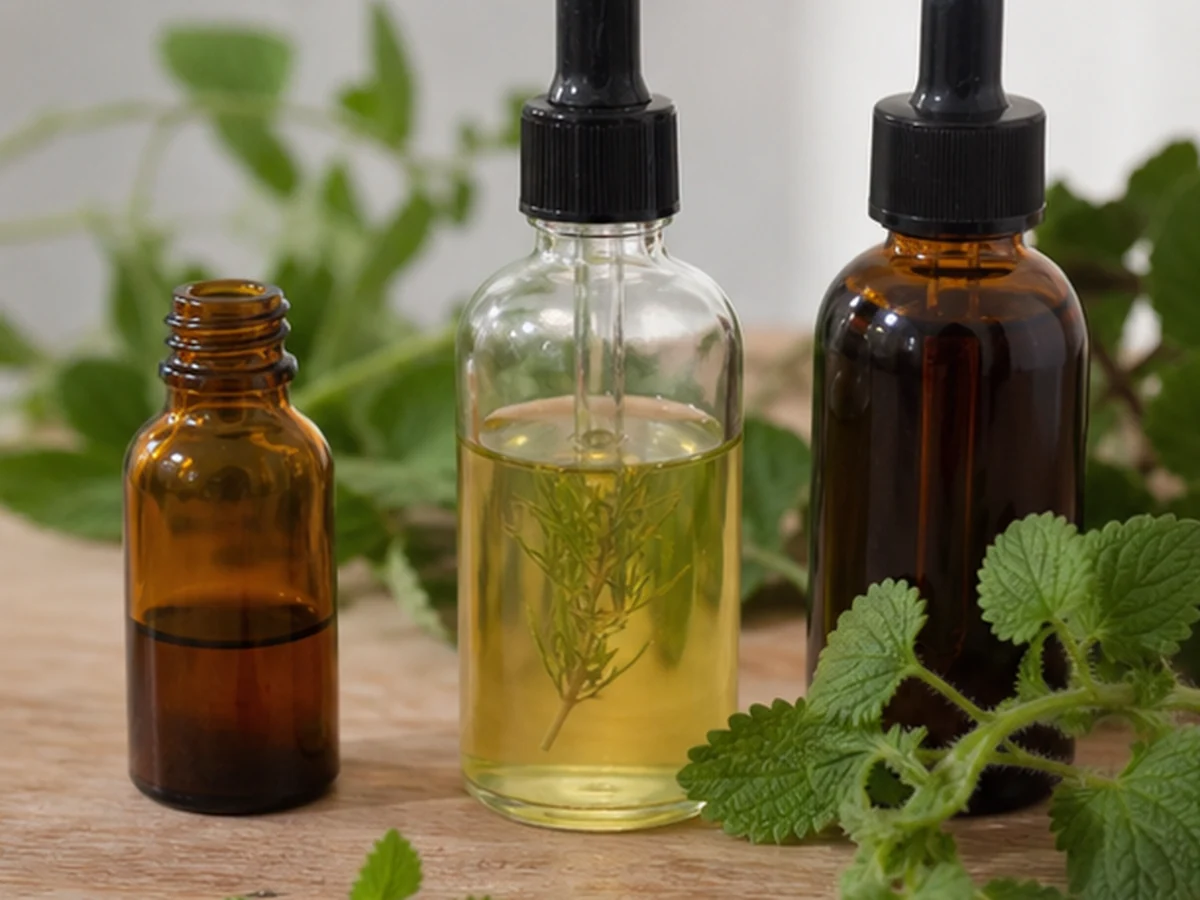
Catnip essential oil and tinctures are different products
Essential oil is far more concentrated than a fresh leaf or pinch of dried herb. Do not put catnip oil on skin or fur, add it to food or water, or run it in a diffuser around a cat unless a veterinarian has approved the exact product and use.
Tinctures may use alcohol or another solvent, and human supplements can include additional herbs, sweeteners, or preservatives. Save the label and call promptly after ingestion, a spill on fur, eye exposure, coughing, drooling, weakness, tremors, or behavior change.
Our rosemary guide explains the same crucial herb-versus-oil distinction in another familiar plant. Its dog conclusions do not define catnip safety, but the concentration checklist applies in a shared pantry.
Signs that need prompt help
- Prompt help is appropriate for repeated vomiting or diarrhea, water that will not stay down, or obvious belly pain after catnip.
- Profound sleepiness, weakness, wobbliness, tremors, seizures, or collapse.
- Coughing, wheezing, open-mouth breathing, rapid breathing, or eye irritation after spray or oil.
- Heavy drooling, pawing at the mouth, repeated swallowing, or trouble swallowing.
- Repeated vomiting, food refusal, or reduced stool after swallowing cloth, stuffing, string, or plastic.
Open-mouth breathing, seizures, collapse, severe weakness, and profound unresponsiveness are emergencies. A goofy roll is not the same as loss of coordination, and a sleepy cat should still wake, walk, and interact normally.
Toys create a separate foreign-body risk
Catnip mice, kickers, balls, and plush toys can split at seams and release dried herb, stuffing, bells, feathers, plastic eyes, elastic, or string. Supervise energetic sessions and retire damaged toys before the cat performs an unscheduled disassembly.
String is particularly dangerous because cats can develop linear foreign-body injury. Do not pull visible string from the mouth or anus if it seems anchored, because tension can damage the digestive tract.
The Merck Veterinary Manual obstruction review notes that cats are especially prone to linear foreign bodies and that pulling an anchored object can lead to perforation. Report the toy, missing pieces, and timing to the veterinary team.
Catnip plants and garden products
Confirm the botanical identity before letting a cat investigate a nursery plant. Common names overlap, and a pot may contain multiple seedlings or weeds that do not share catnip’s profile.
Ask how the plant was treated and keep fertilizer, pesticide, slug bait, compost, decorative stones, wire ties, and plastic labels inaccessible. A leaf grown with an unsafe product is no longer just a leaf question.
Our basil guide offers a practical plant, soil, pesticide, and pot-water checklist for a culinary herb. Use the household setup advice without transferring dog-specific toxicology to catnip.

Catnip tea, treats, and human products
Human catnip tea can be blended with chamomile, mint, valerian, citrus, sweetener, caffeine-containing tea, or other botanicals. It may also be served hot, which adds burn risk before ingredients are even considered.
Do not offer brewed tea, tea bags, strings, staples, tinctures, or capsules to a cat. A damp tea bag and string can become an attractive linear foreign body, while the blend may be impossible to assess from the front label.
Commercial catnip treats formulated for cats can be used according to the label, but calories and other ingredients still count. Choose intact packaging from a reputable manufacturer and discard stale, damp, recalled, or damaged products.
Aggression and overstimulation
Some cats become highly aroused around catnip and may swat, bite, chase another pet, or guard the toy. Use catnip separately in multi-cat homes, give each cat space, and never put hands into the middle of escalating play.
End the session calmly by moving away and letting the cat settle rather than grabbing the toy from under its nose. If aggression, fear, or conflict persists beyond catnip sessions, ask a veterinarian or qualified feline behavior professional for help.
Can catnip treat anxiety, pain, or digestive problems?
Catnip can enrich the environment, but enrichment is not proof that it treats an anxiety disorder, pain, nausea, constipation, or another disease. A sedated response should not be used as a home tranquilizer.
Hiding, appetite loss, overgrooming, litter-box changes, aggression, or reduced activity can reflect medical pain as well as stress. Arrange veterinary evaluation before assuming the cat merely needs a stronger herb.
Our parsley guide illustrates why culinary herbs, extracts, and health claims need separate evidence. Catnip’s behavioral effect does not validate unrelated medicinal promises.
Cats that need extra caution
- Kittens, because response can be inconsistent and toy pieces are large relative to their size.
- Cats with asthma or respiratory disease, especially around dust, sprays, and diffusers.
- Cats with seizure disorders or unexplained neurologic signs.
- Cats with chronic vomiting, diarrhea, or a prescription diet.
- Cats that become aggressive, swallow fabric, or have a history of foreign-body surgery.
Ask the treating veterinarian whether catnip fits the individual plan. An optional enrichment tool should not complicate respiratory, neurologic, gastrointestinal, or behavioral management.
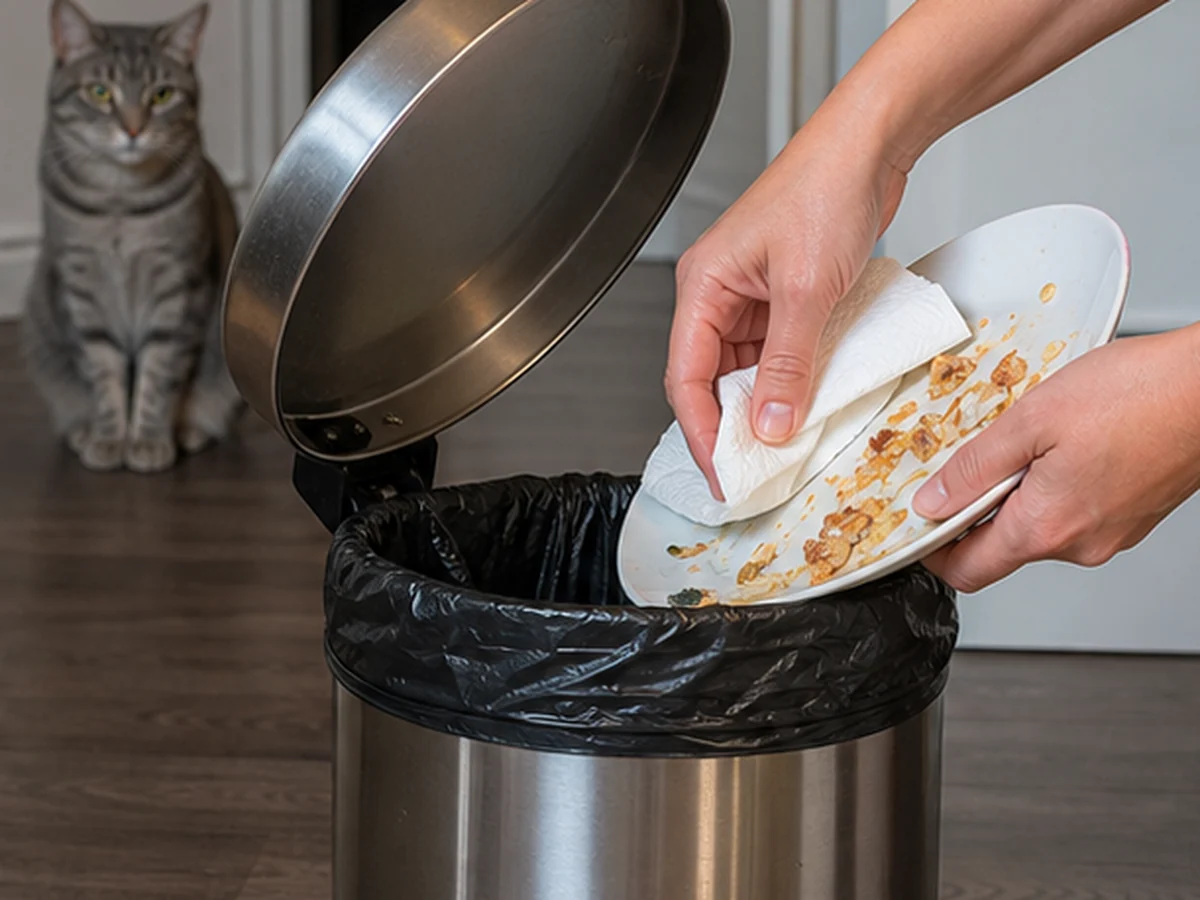
What to do after a catnip mishap
- Remove the herb, plant, oil, spray, toy, tea product, and packaging.
- Check breathing, alertness, coordination, vomiting, diarrhea, and abdominal comfort.
- Identify the exact product, concentration, amount, and route of exposure.
- Inspect toys for missing string, fabric, stuffing, bells, or plastic.
- Call for concentrated products, treated plants, repeated symptoms, profound sedation, missing objects, or any severe behavior change.
Do not induce vomiting or give hydrogen peroxide, salt, milk, oil, bread, or charcoal unless a veterinary professional directs you. Prevent grooming after an oil spill if you can do so safely and ask the clinic how to clean the specific product.
Frequently asked questions
Can kittens have catnip?
Many young kittens show little response, and they do not need catnip. If you introduce it later, use a tiny amount under supervision and focus on toy safety.
Can cats eat catnip every day?
Daily eating is unnecessary and may cause digestive upset or reduce novelty. Use small, occasional supervised sessions and store the product between them.
Why did catnip make my cat sleepy?
Individual cats respond differently, and the ASPCA notes that catnip can sedate some cats and stimulate others. Profound unresponsiveness, weakness, or abnormal breathing is not a routine sleepy response.
My cat ate a whole bag of catnip. What now?
Call your veterinarian or veterinary poison service with the bag size, ingredients, and time. Repeated vomiting, diarrhea, weakness, marked sedation, tremors, breathing changes, or missing packaging needs prompt care.
The bottom line
A small supervised amount of catnip can be enjoyable enrichment, but it is not food, medicine, or a contest in maximum silliness. Keep portions small, separate leaves from oils and tinctures, inspect toys and plants, and call promptly for repeated digestive signs, profound sedation, breathing changes, or swallowed materials.