Can Cats Eat Shrimp? Shells, Tails, Cooking, and Cocktail Sauce
Most healthy adult cats can eat one tiny piece of fully cooked, plain shrimp meat. Remove the head, shell, legs, tail, and vein, then keep raw shrimp, breading, garlic butter, cocktail sauce, skewers, and spoiled seafood away from the bowl.
If the cat stole from a platter, account for tails, toothpicks, sauce cups, plastic film, and every seasoning. Breathing trouble, facial swelling, repeated vomiting, or a missing skewer needs prompt veterinary help.
Begin with the shrimp anatomy lesson
The soft muscle is the only part worth considering as a treat. Shell, tail fan, head, legs, and rostrum can be sharp, difficult to digest, and capable of choking, irritating tissue, or obstructing the gut.
Peeling after cooking is easiest when the shrimp is cool enough to handle. Run a finger along both curves for shell fragments, then cut across the meat so a springy whole shrimp cannot slide into the airway.
Deveining removes the dark digestive tract for cleanliness and texture, although the vein is not a feline toxin. The procedure does not substitute for cooking or shell removal.
What properly cooked looks like
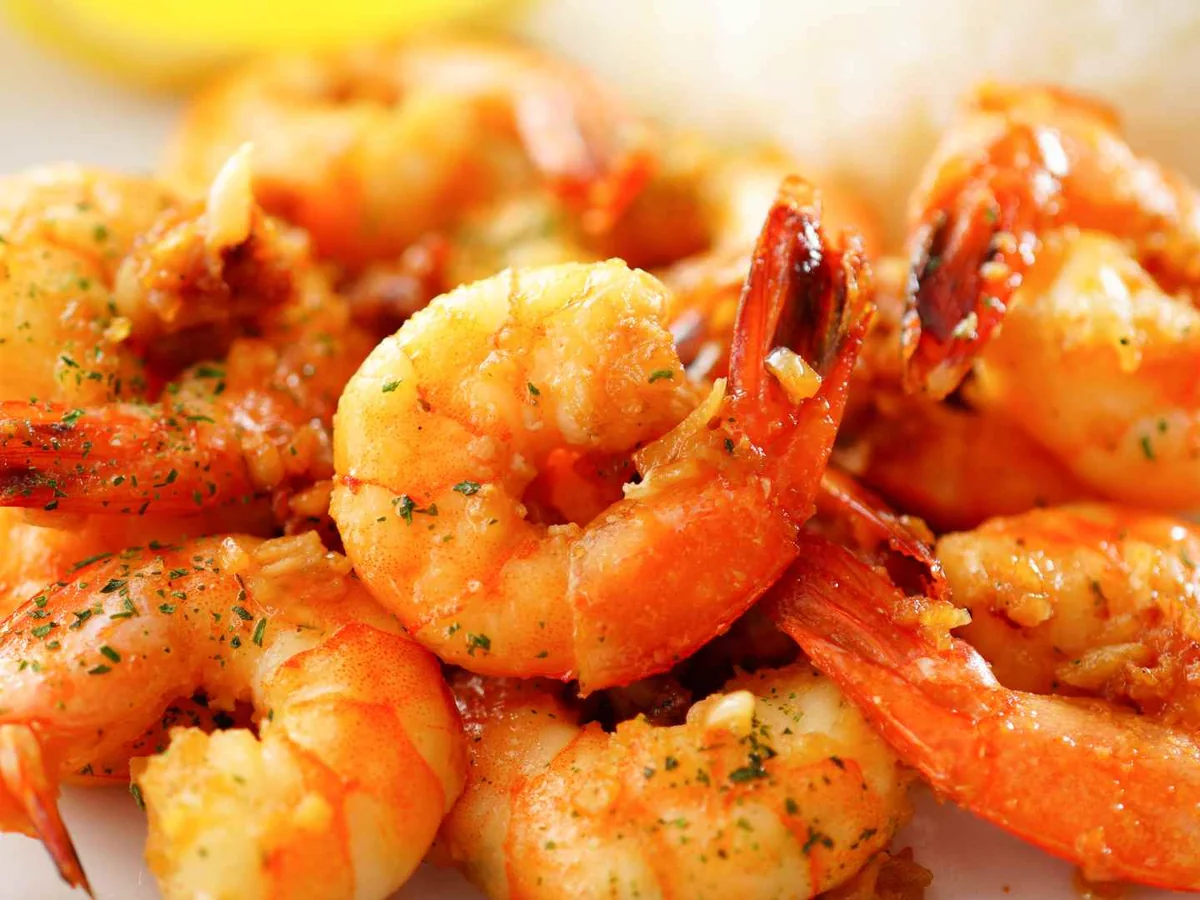
The FDA seafood guide says cooked shrimp flesh should become firm, pearly, and opaque. Translucent gray centers indicate that the piece needs more heat.
Cook the cat portion in plain water or a clean dry pan, without salt, oil, butter, spice, onion, or garlic. Cool it on a clean plate that never held the raw seafood.
Frozen pre-cooked shrimp can be thawed in the refrigerator and warmed if desired, but the ingredient panel must truly be plain. Some bags add salt, phosphates, seasoning, or glaze, and “ready to cook” breaded shrimp may still be raw.
Raw shrimp creates a household problem
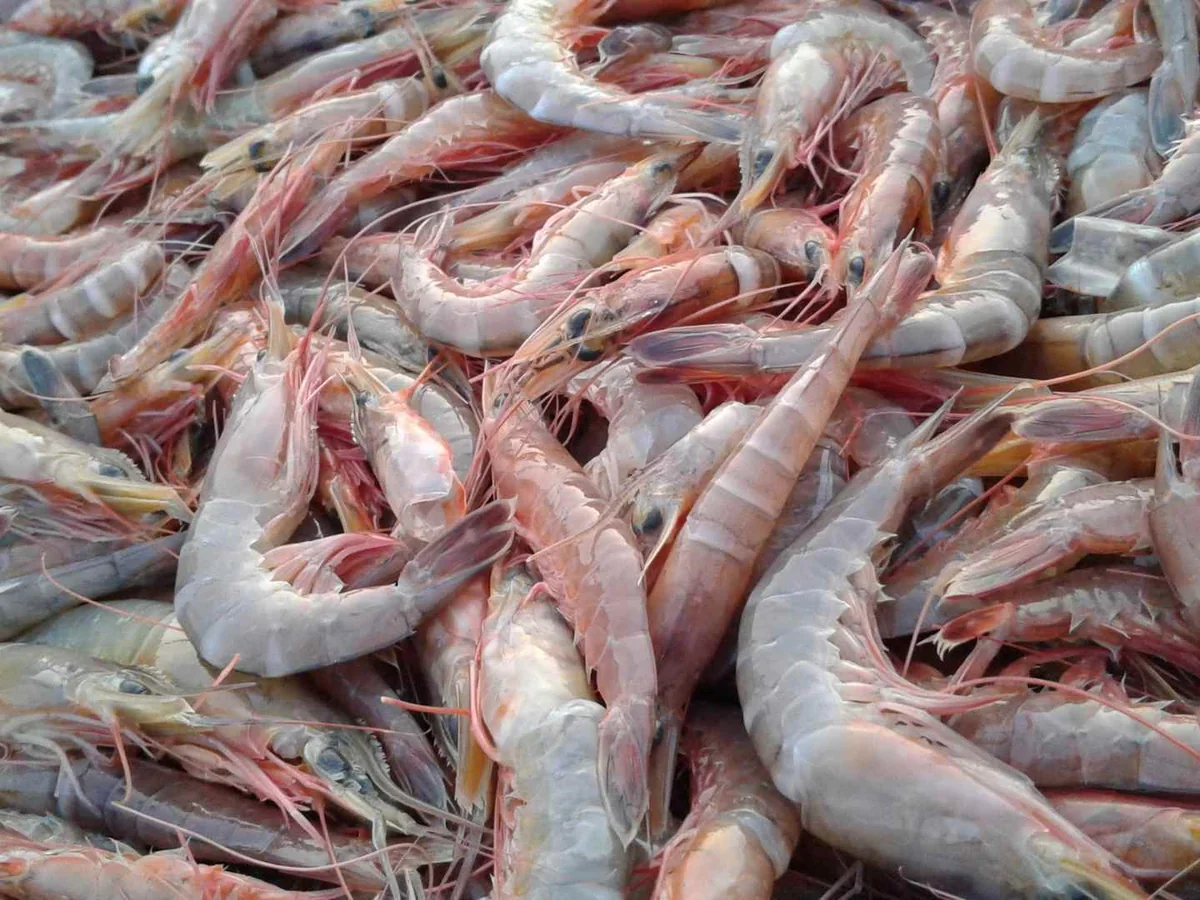
Uncooked seafood can carry pathogens that affect animals and people, while freezing does not kill every harmful germ. Cats can contaminate bowls, floors, fur, and litter even when they do not look sick.
Wash hands and utensils after raw shrimp prep, clean contacted surfaces, and keep the cat away from the sink and thawing liquid. Our raw fish guide covers the broader raw-seafood handling problem.
Kittens, seniors, pregnant cats, and cats with weakened immunity have less margin for foodborne illness. Homes with young children, older adults, pregnant people, or immunocompromised residents also benefit from keeping raw pet tastes out of the kitchen.
Cocktail sauce is not a harmless red puddle
Commercial cocktail sauce may contain salt, horseradish, lemon, tomato concentrate, sugar, onion, or garlic. Hot horseradish can irritate the mouth and stomach, while Allium ingredients can damage feline red blood cells.
Do not rinse a sauced shrimp and declare it plain, because seasoning clings to crevices and may penetrate the meat. Choose a separate unsauced shrimp before the platter is dressed.
Lemon wedges add acidity and peel oils, while disposable picks and decorative plastic grass create foreign-body risks. Photograph the platter label after a raid instead of guessing which sauce the caterer used.
Garlic butter, scampi, and restaurant shrimp
Shrimp scampi commonly combines garlic, butter, oil, wine, lemon, salt, and pasta. Cooking does not neutralize garlic, and alcohol may remain depending on the recipe and cooking time.
Coconut shrimp adds breading, frying oil, sweet sauce, and sometimes skewers. Tempura, popcorn shrimp, and takeout prawns are likewise multi-ingredient fried foods rather than plain shellfish.
Fajita shrimp may share a skillet with onions, seasoned meat, peppers, and salty marinade. Our pizza triage article uses the same whole-recipe method when one named ingredient arrives with a crowded supporting cast.
Portion math for an animal smaller than the appetizer plate
One medium shrimp is already a generous human-sized unit for a cat. Start with a pea-size piece, and do not let repeated handouts turn several diners into an accidental full serving.
Shrimp is protein-rich but does not provide every nutrient in the proportions cats require. The FDA explains the complete-and-balanced label claim, which a plain crustacean cannot carry by itself.
Cats with obesity, pancreatitis history, kidney disease, heart disease, or a therapeutic diet need a clinic-approved treat allowance. Sodium, phosphorus, fat, and calories can matter even when the seafood is not toxic.
Shellfish allergy and other reactions
A food allergy can cause skin or gastrointestinal signs, but vomiting after buttery shrimp may simply reflect richness or seasoning. Diagnosis requires a controlled veterinary elimination and challenge plan, not repeated home testing.
Stop serving shrimp after itching, ear trouble, vomiting, or diarrhea. Facial swelling, wheezing, breathing difficulty, collapse, or rapidly worsening signs require emergency care.
Do not introduce shrimp during an elimination-diet trial unless the supervising veterinarian specifically includes it. One party snack can erase the clean exposure history the trial depends upon.
Shrimp storage has a short fuse
Buy shrimp refrigerated or displayed on ample fresh ice, and reject sour, rancid, fishy, or ammonia-like odor. Frozen packages should be intact, hard, and free of signs that the seafood thawed and refroze.
Thaw in the refrigerator or in a sealed bag under cold water when cooking immediately. Counter thawing warms the surface too long, while microwave-defrosted seafood should proceed directly to cooking.
Refrigerate leftovers promptly in a clean covered container and discard questionable seafood. A strong aroma may summon the cat from upstairs, but enthusiasm is not a freshness test.
The tail disappeared: what now?
- Search the floor and dish. Determine whether the missing piece is meat, shell, tail, skewer, or plastic.
- Keep the menu and package. Record ingredients, cooking method, time, and maximum amount.
- Do not force food. Bread, oil, pumpkin, or a second meal cannot safely push a sharp object through.
- Watch only as directed. A clinic may advise examination instead of home monitoring for a tail or pick.
- Leave vomiting to the veterinary team. Bringing shell material back up may cause additional injury.
Drooling, gagging, repeated swallowing, vomiting, abdominal pain, refusal to eat, straining, or little stool can signal injury or obstruction. A string or object protruding from the mouth or rectum must not be pulled.
Shrimp questions at the fish counter
Can kittens have shrimp?
Kittens need complete growth nutrition and are more vulnerable to infection, so shrimp offers no useful advantage. Use kitten food for treats or ask the veterinarian for an approved option.
Can cats eat canned shrimp?
Cans often contain salt or brine, and the lid can cut the mouth. A no-salt-added water pack is easier to assess, but fresh plain cooked meat remains the clearer option.
Can a cat eat a whole cooked shrimp?
No planned treat needs to be that large or springy. Peel it completely and cut one small piece, then refrigerate the rest for the humans.
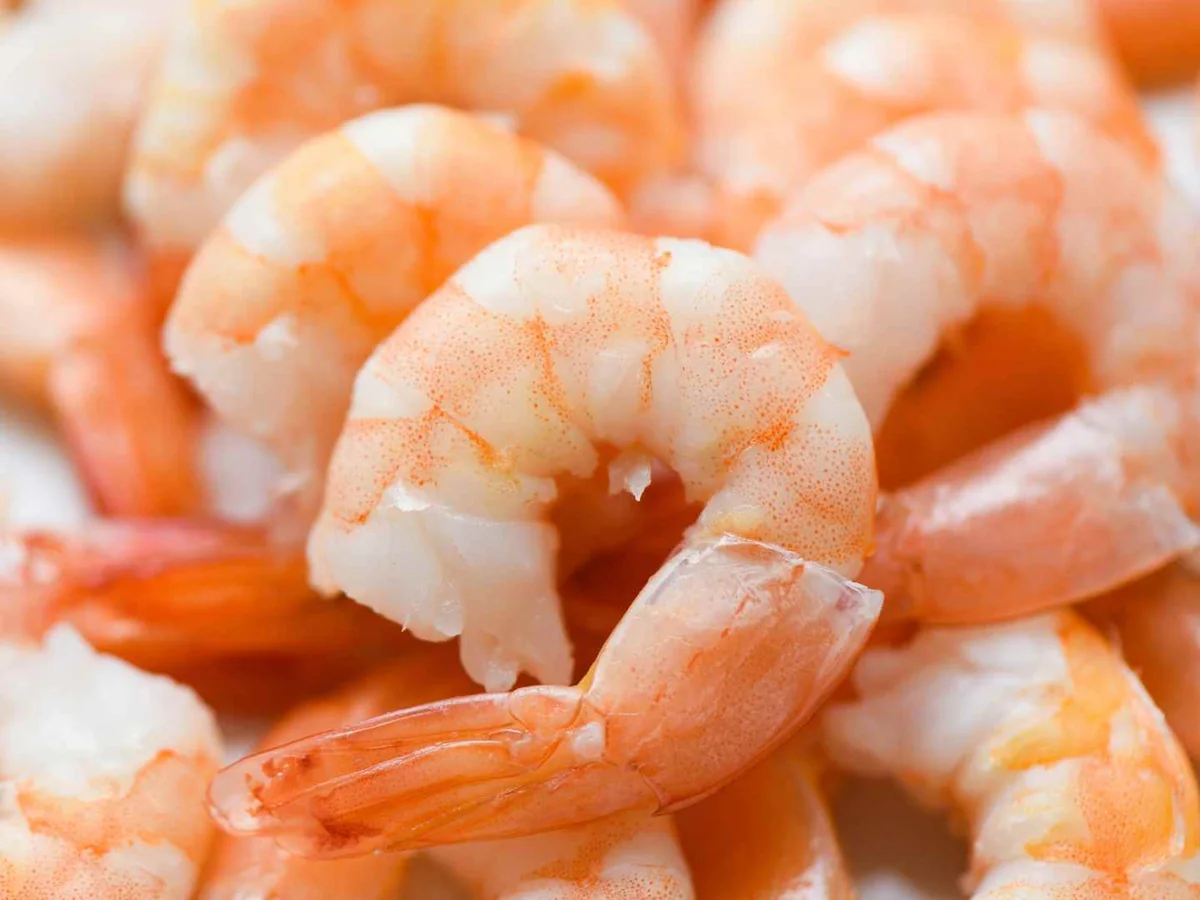
A practical shrimp verdict
Shrimp products outside the seafood case
Shrimp-flavored chips, noodles, and soup powders may contain little recognizable shellfish but plenty of sodium, onion, garlic, and oil. Seasoning packets and crinkly bags also create tempting non-food targets.
Pet foods listing shrimp count as complete meals only when the finished recipe carries the proper adequacy statement. That ingredient does not justify adding restaurant prawns to every bowl.
Shellfish-derived joint supplements are processed products with dose and quality questions. Never substitute shrimp shell or a human tablet for veterinary care.
Mercury is not the leading concern
The current FDA fish chart places shrimp among lower-mercury choices for people. It remains human guidance, but it accurately distinguishes shrimp from larger predatory fish.
FDA places shrimp among lower-mercury seafood choices for people, which distinguishes it from large predatory fish. The chart does not erase shell, salt, pathogen, allergy, or calorie issues for cats.
A varied complete feline diet manages nutrients better than seafood selected by one contaminant ranking. Lower mercury is a favorable feature, not an unlimited buffet pass.
House rules after a successful raid
Thaw seafood on the lowest refrigerator shelf in a sealed container and put tails directly into lidded trash. Inspect the floor because a translucent shell shard can disappear against tile.
At shared meals, designate one person to control any approved taste. Five diners can each offer “just a little” and accidentally provide several shrimp.
Use part of the regular meal in a puzzle feeder while shells are peeled. The cat gets a legal project without learning that table climbing produces prawns.
When appetite changes afterward
Refusing the next meal, hiding, repeated vomiting, or diarrhea should not be answered with richer shrimp. Call the clinic and describe source, cooking, sauce, shell access, and storage.
Cats eating too little can develop serious metabolic complications, especially when overweight. Do not spend days escalating from plain meat to butter sauce to tempt a sick cat.
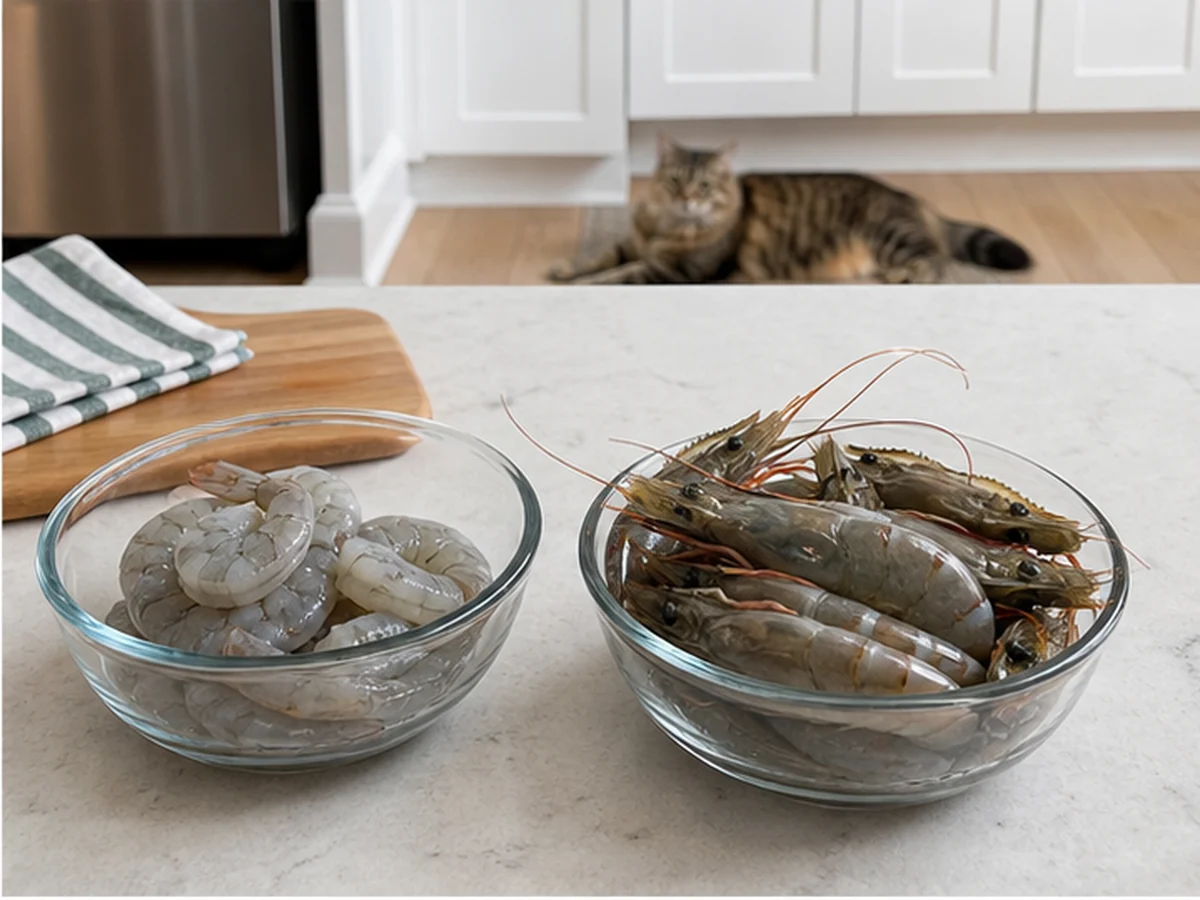
The difference between prawns and shrimp does not change the method
Common market names vary by region and are not a safety guarantee. Whether the package says prawn, white shrimp, pink shrimp, tiger shrimp, or rock shrimp, the meat still needs proper cold storage, complete cooking, shell removal, and a cat-size cut.
Wild-caught and farm-raised labels describe production, not sterility. Source controls matter, yet neither label authorizes raw feeding or makes the shell digestible.
Size counts printed on bags describe how many shrimp make a pound. “Jumbo” is a shopping category, not a feline serving suggestion, and one small cut piece remains sufficient.
What to tell the clinic
Report the exact product, raw or cooked status, packing liquid, sauce, time, maximum amount, and whether shell or tail disappeared. Include the cat’s age, weight, diseases, medication, and current behavior.
Save a remaining shrimp refrigerated in a sealed container if the veterinarian or public-health authority requests testing. Keep it separate from human food and do not mail or transport samples without instructions.
If a person develops foodborne illness after the same seafood, contact a human healthcare professional and mention the shared source. Pet and human cases can make lot information more important.
Shrimp can be a tiny occasional treat when it is opaque, plain, peeled, tail-free, cool, and finely cut. Keep the platter accessories and sauces away, and choose plain cooked egg when a boneless protein snack sounds pleasantly easier.