Can Cats Eat Strawberries? Tops, Portions, Mold, and Sweetened Forms
A tiny piece of ripe, washed strawberry flesh is non-toxic to cats, but fruit is optional. Remove the leafy crown and stem, flatten the bite, and avoid moldy berries, whole frozen fruit, jam, syrup, chocolate, yogurt coating, sugar-free products, garden chemicals, and clamshell plastic.
For a processed strawberry theft, inspect every ingredient and wrapper. Call promptly for chocolate, xylitol, alcohol, grapes, raisins, symptoms, or swallowed packaging.
The berry gets an uncomplicated safety rating
The ASPCA lists strawberry as non-toxic to cats. That supports a calm response to one plain bite, not a recommendation to build a feline fruit course.
Cats are obligate carnivores and require nutrients found in animal tissues. Strawberry contributes water, fiber, natural sugar, and plant compounds without replacing anything in complete cat food.
Some cats will taste it, while many reject it with impressive clarity. Do not add cream or sugar to negotiate with a cat who has already voted no.
Wash, decrown, flatten
Choose a firm berry without mold, leaking juice, or a fermented smell, then rinse under running water without soap. Cut away the entire leafy cap and stem rather than letting the cat chew garden material.
A flat pea-size slice is easier to manage than a round chunk. Cats that gulp treats should receive an even smaller mash on a dish.
Pick up rejected fruit before it slides under furniture, collects cleaner residue, or becomes tomorrow’s warm snack. Wash the knife and board if they also handled chocolate or unsafe ingredients.
Fresh, frozen, dried, and canned are not twins
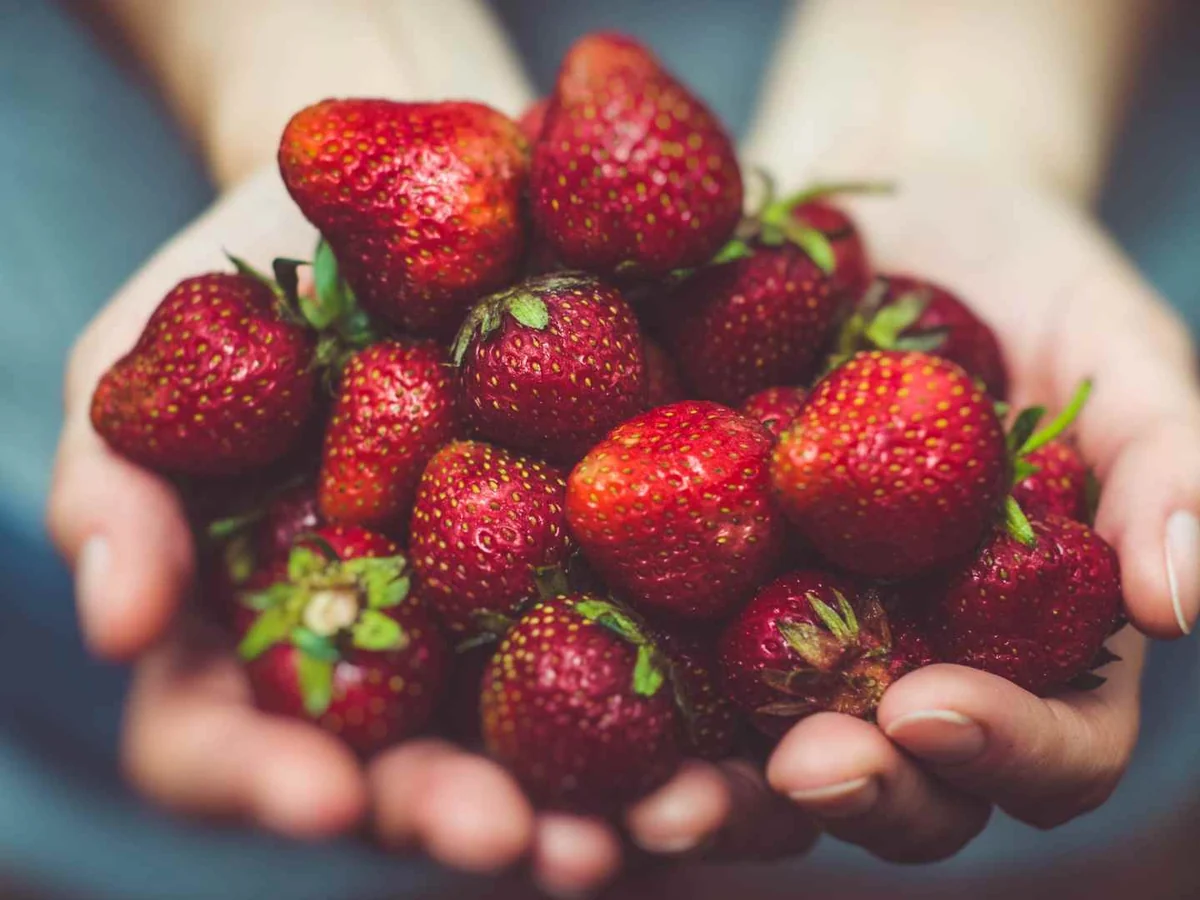
Thaw frozen strawberries completely before cutting because a hard berry can choke or damage a tooth. Mixed-fruit bags may contain grapes, cherries with pits, or sweetened pieces.
Dried strawberries are chewy and concentrated after water removal, while freeze-dried slices can be brittle and large. Check for sugar, oil, yogurt, chocolate, preservatives, and desiccant packets.
Canned strawberries and pie fillings generally arrive in syrup with more sugar and a sticky texture. Sharp can lids and broken jar glass add hazards the fresh berry never had.
Jam has traveled far from the field
Jam, preserves, and fruit spread concentrate sugar and may contain grape juice, alcohol flavoring, or xylitol in sugar-free versions. A label stating “no sugar added” does not mean ingredient-free.
Toast underneath jam introduces crumbs, butter, nut spread, raisins, cinnamon, or raw yeast dough if the cat raided baking prep. Our applesauce guide shows how sweeteners and spoilage change fruit products.
Jar lids, foil freshness seals, and squeeze-pouch caps can obstruct. Account for the container before deciding the missing amount was only a lick.
Chocolate-covered berries need a poison call
Chocolate contains methylxanthines that can affect the heart and nervous system, with darker products generally more concentrated than milk chocolate. Cocoa powder and baking chocolate deserve particular urgency.
Save cacao percentage, product weight, number missing, time, and the cat’s weight. Do not wait for restlessness, vomiting, tremors, abnormal rhythm, seizures, or collapse.
White chocolate carries less methylxanthine but remains fatty and may be combined with coffee, alcohol, raisins, or xylitol. The strawberry center does not make the coating safe.
Yogurt, cream, and smoothies
Many adult cats digest lactose poorly, so yogurt coating, whipped cream, milkshakes, and ice cream can produce gas or diarrhea. They also add sugar, fat, flavoring, and sometimes sugar substitutes.
Smoothies may hide grapes, cocoa, caffeine, protein powder, nut butter, supplements, or avocado. Save the recipe instead of reporting a strawberry drink.
A cat needing more hydration benefits from clean water or veterinarian-approved wet food. One strawberry slice contains too little fluid to function as a treatment.
Mold can spread beyond the fuzzy patch
Soft berries spoil rapidly and can be contaminated below the area visible on top. Discard the moldy carton rather than cutting around one patch for the cat.
Fermenting fruit can produce alcohol, and compost may combine it with coffee grounds, onion, pits, and mold. Use a secured compost container and clean fallen garden fruit.
A sour or wine-like smell means the berry has left treat territory. Cats do not need the kitchen’s most questionable produce rescued on their behalf.
The patch contains more than berries
Fertilizer, insecticide, herbicide, slug bait, bird netting, stakes, ties, and wildlife contamination can determine garden risk. Photograph product labels after a plant or soil exposure.
The strawberry plant itself is listed as non-toxic, but long fibers or thorns from neighboring plants can injure. Never assume every leaf in a mixed planter belongs to the berry.
Wash outdoor fruit and keep cats away from treated beds until the product label permits access. Organic gardening products are not automatically edible or feline-safe.
Portion and medical exceptions
One pea-size taste is enough, and there is no reason for daily strawberry. The complete-and-balanced label explanation shows what the regular diet must accomplish.
Cats with diabetes, obesity, digestive disease, food allergy, or a therapeutic diet should skip unnecessary fruit unless the clinic approves it. Kittens need growth food in their limited stomach space.
Stop after vomiting, diarrhea, itching, or appetite change. Repeated exposure to prove a food allergy at home makes the clinical history less useful.
When the punnet hits the floor
- Gather fruit and plastic. Find crowns, film, absorbent paper, clips, labels, and elastic bands.
- Separate plain from coated. Identify chocolate, yogurt, syrup, jam, or mixed fruit.
- Photograph ingredients. Capture sweeteners, lot, date, and maximum missing amount.
- Call for hazards. Seek advice for chocolate, xylitol, alcohol, grapes, symptoms, or swallowed plastic.
- Skip home vomiting. Hydrogen peroxide and salt are unsafe feline remedies.
Three berry questions
Can kittens eat strawberries?
They can physically taste ripe flesh, but the fruit offers no advantage over complete kitten food. Use the regular ration for rewards.
Can cats eat strawberry leaves?
Do not use leaves as food or herbal medicine. Plant identity and chemical residue matter, and the cat gains no necessary nutrient from chewing them.
Can cats eat a whole strawberry?
A whole fruit is too large, round, and unnecessary. Remove the crown and provide only one flattened speck if treats are medically appropriate.
A practical strawberry verdict
Berry flavor does not prove berry content
Strawberry-flavored medicine, toothpaste, supplements, and drinks may use artificial flavor without fruit, then add sweeteners or active ingredients that control risk. Never let a cat sample a human product because the flavor name sounds edible.
Children’s liquid medicine can be dangerous to pets based on the drug itself, regardless of strawberry flavor. Store syringes, caps, and bottles in a closed cabinet and call immediately after an exposure.
Lip balm, lotion, and fragrance products belong in the same non-food category. Grooming a topical spill can create oral exposure, so contact the veterinarian for safe cleaning instructions.
The actual ripe berry remains the simplest version precisely because it has no pharmacology or cosmetic formula. Keep a fruit question separate from a strawberry-scented household-product question.
Strawberry cereal, bars, and candy
Breakfast cereal can add sugar, salt, raisins, chocolate, marshmallows, and milk, while a strawberry picture may refer only to flavoring. Dry pieces and plastic liners also become choking or packaging hazards during a box raid.
Snack bars frequently combine dried fruit with grape concentrate, dates, nuts, cocoa, yogurt chips, protein powders, or xylitol. Save the wrapper because the visible red piece cannot identify the whole recipe.
Hard candy, gummies, and fruit chews are sticky, sweetened products that may contain xylitol and can obstruct or choke. They should never be treated as concentrated produce.
Pesticide residue and safe washing
The FDA recommends rinsing produce under running water and advises against soap or commercial produce wash. Soap residue creates a new ingestion problem without sterilizing the berry.
Wash before removing the crown so surface material is less likely to move into the cut flesh. Dry gently and discard berries damaged enough to leak or collect dirt deep inside.
A known pesticide spill or concentrated garden-product exposure deserves a call even when the strawberry plant is non-toxic. Keep the chemical container, application date, and estimated amount available.
Several cats, one berry
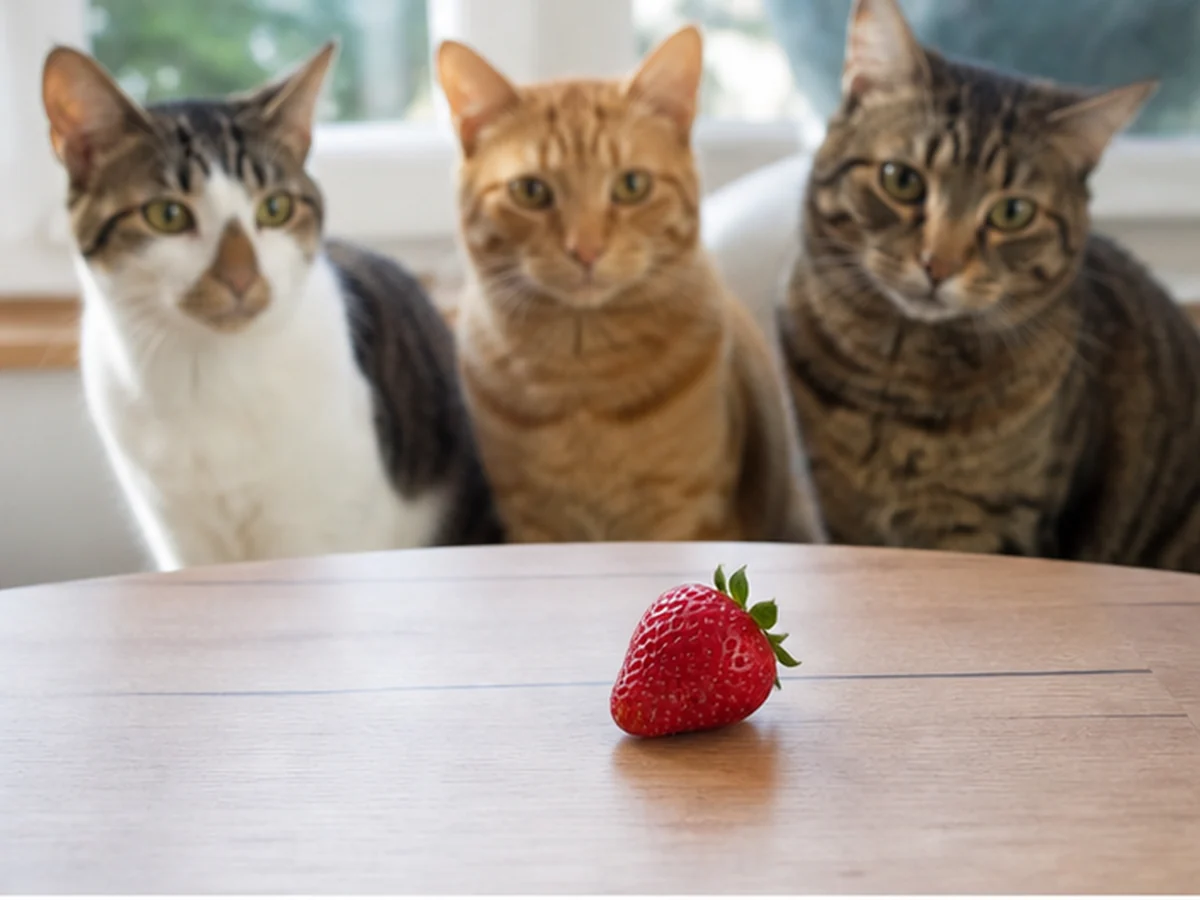
Divide the approved taste before calling cats into the kitchen, since the quickest eater can swallow every piece. Separate plates clarify which cat later develops vomiting, itching, or no reaction at all.
Family members should use one treat rule and one measured portion. A cat can appear tragically berry-deprived to each person in sequence and collect far more than anyone intended.
A strawberry cannot treat disease
Antioxidant marketing does not turn a berry into therapy for cancer, urinary disease, aging, or inflammation. Research on isolated compounds or human diets does not supply a feline dose or clinical outcome.
Sudden thirst, weight loss, appetite change, constipation, or dull coat needs veterinary evaluation. Adding fruit can distract from the pattern while contributing nothing targeted.
Supplements made from berry extracts concentrate ingredients and may add other botanicals or sweeteners. Do not use them unless the veterinarian reviews the exact formula and intended dose.
The regular meal remains the useful comparison
A complete food supplies amino acids, fatty acids, vitamins, and minerals in tested relationships. Strawberry inside a pet formula or treat is evaluated as part of that product, not as a directive to add fresh fruit.
Reserve a small amount of normal food for rewards if the cat enjoys kitchen attention. This keeps nutrition and calories predictable while giving the ceremony of a shared snack.
For another optional fruit served only after preparation, read our strawberry guide for dogs before opening jars or pouches.
Fresh strawberry flesh can be a tiny, washed, stem-free curiosity, while sweetened, dipped, moldy, frozen-hard, or packaged versions need separate judgment. For a fruit that merits a firmer no, read our grape and raisin guide.