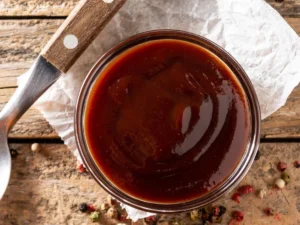
Can Cats Eat Bell Peppers? Colors, Seeds, Cooking, and Spicy Mix-Ups
Most healthy adult cats can eat one tiny piece of plain bell pepper, but they do not need it. Remove stem, core, and seeds, soften tough pieces, and keep spicy peppers, seasoning powders, onion, garlic, salty jars, and unknown garden plants out of the experiment.
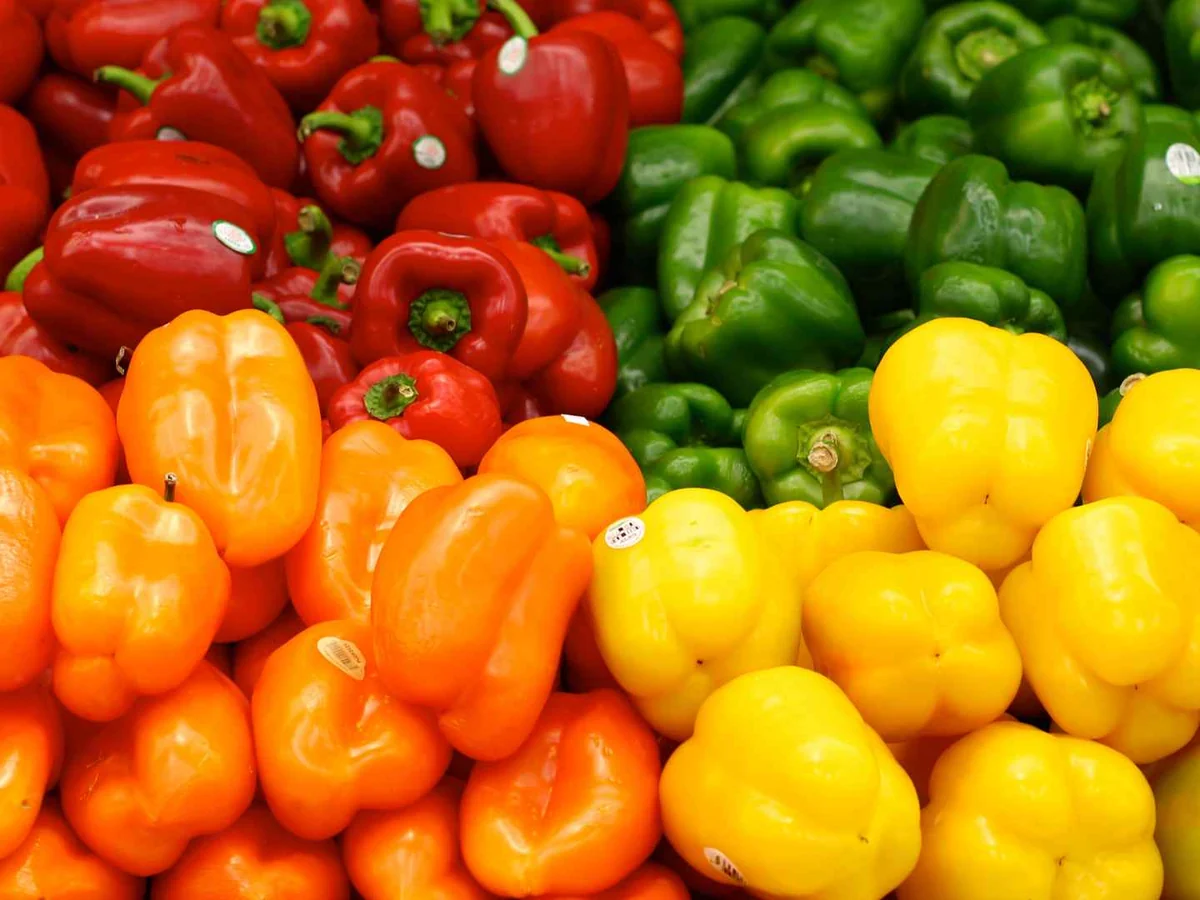
Red, yellow, orange, and green: does color change safety?
Common grocery-store bell peppers of every color can be approached with the same small-portion rule. Green peppers are often harvested at an earlier stage, while red, orange, and yellow fruit mature differently by cultivar and ripeness.
Color changes flavor, texture, and nutrient composition, but none of the standard colors becomes required cat food. Choose a fresh piece, not a color marketed as sweeter or more nutritious.
| Pepper option | How to handle it | Why |
|---|---|---|
| Fresh green bell pepper | Wash, remove core and seeds, mince a tiny piece | It can be firmer and more bitter than ripe colors. |
| Fresh red, orange, or yellow pepper | Use the same tiny plain preparation | Sweeter flavor may interest a cat, but adds no feline need. |
| Steamed or roasted plain pepper | Cool and peel tough charred skin if needed | Soft texture is easier, provided no seasoning was used. |
| Jarred roasted pepper | Usually skip | Brine, salt, vinegar, garlic, oil, and preservatives vary. |
| Stuffed or sautéed pepper | Do not share without a full recipe review | Onion, garlic, cheese, meat fat, sauce, and spices are common. |
| Hot pepper | Keep away | Capsaicin can cause substantial mouth and gastrointestinal irritation. |
| Unknown ornamental “pepper” | Do not let the cat sample it | Common names can refer to a different and toxic plant. |
A cat can skip the produce aisle entirely
Cats are obligate carnivores, which means an appropriate diet supplies their essential nutrients through animal ingredients and careful formulation. A bell pepper’s human nutrition reputation does not create a feline deficiency when the cat ignores it.
The FDA’s pet-food guidance explains that a complete and balanced claim is based on nutrient profiles or feeding trials for the stated species and life stage. A vegetable scrap makes no such promise.
If a healthy adult insists on investigating, one minced piece about pea size is enough. Treat it as a novelty, not a vegetable side dish, and subtract all extras from the day’s calorie allowance.
A cat who walks away has made a perfectly sensible decision. Do not coat pepper in butter, cheese, tuna oil, or sauce to win an argument nobody needed.
Prepare the outside before cutting the inside
Wash hands and rinse the whole pepper under running water before slicing. The FDA advises washing produce without soap or detergent, removing damaged areas, and keeping it separate from raw meat and dirty utensils.
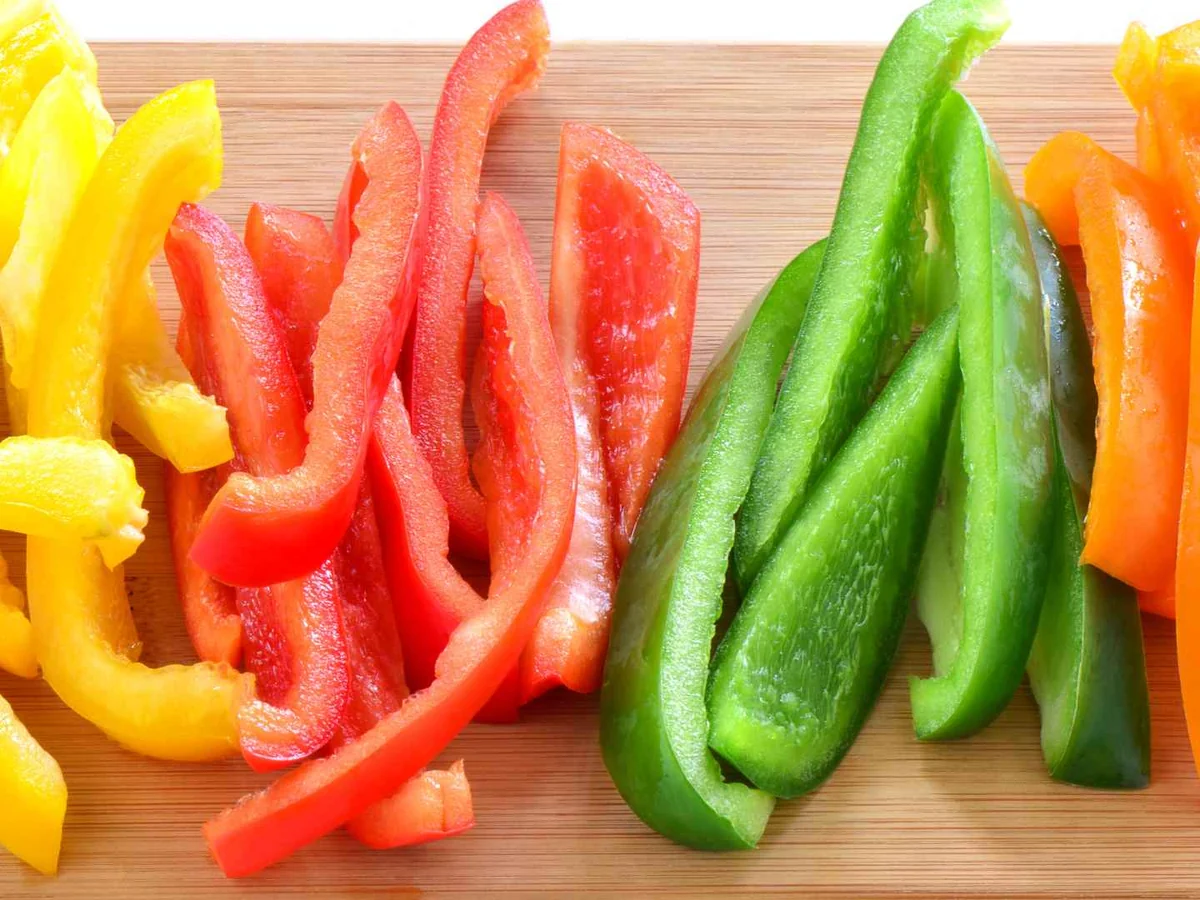
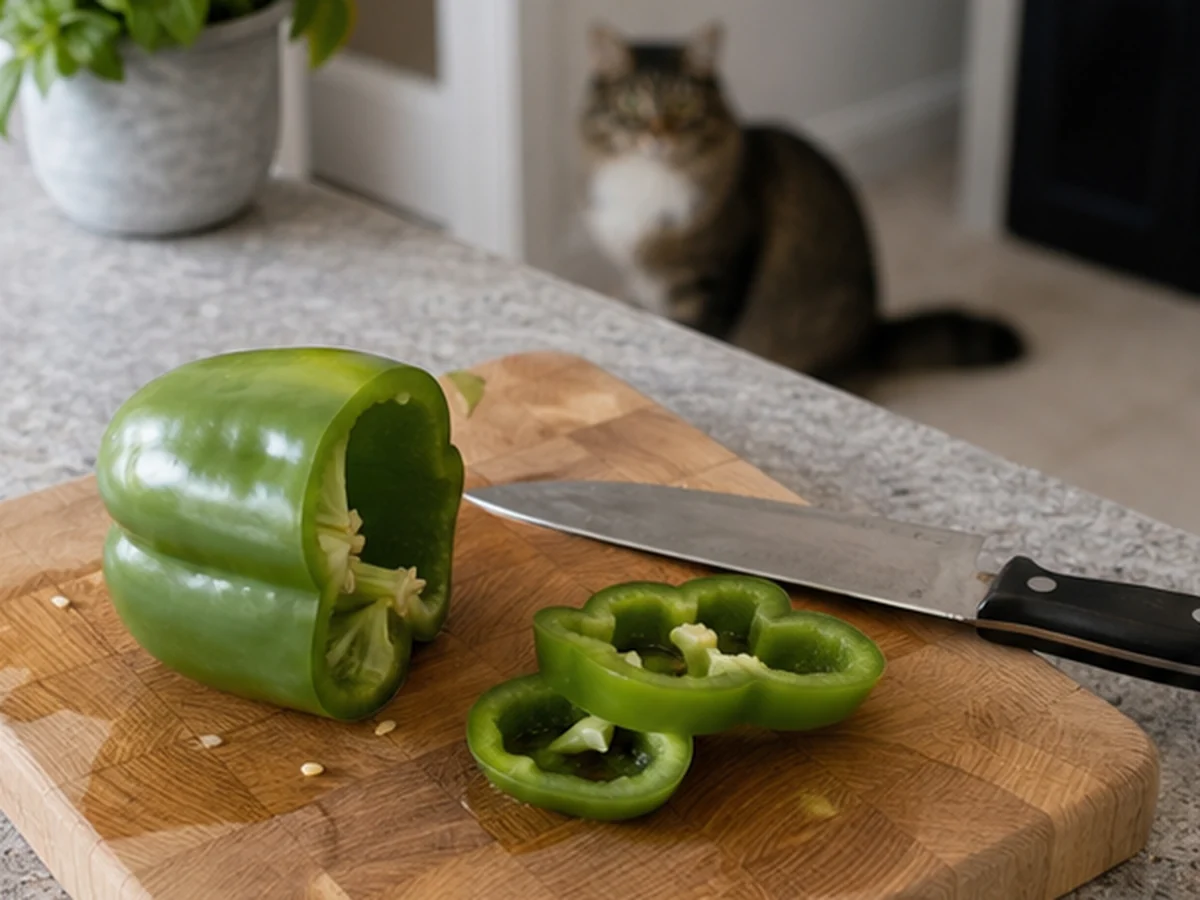
Cut around the stem, remove the white core and visible seeds, and inspect for mold or soft rot. Use a clean knife and make a flat mince rather than a slippery square that can travel toward the throat.
Raw pepper can be crisp and fibrous, so a lightly steamed plain piece may be easier to chew. Cool it before serving and discard leftovers stored or held outside refrigeration beyond safe directions.
Our carrot guide uses a similar texture-first approach for another firm vegetable. Similar preparation does not mean identical nutrition or plant chemistry.
Seeds and core are not poison, but they are not useful
Bell pepper seeds are not recognized as a common feline toxin. Their small hard shape can still be coughed, inhaled, or swallowed in a cluster, and the pale core is tough enough to cause digestive trouble.
Removing both is an easy way to reduce avoidable texture and choking questions. One accidentally swallowed seed in a comfortable cat usually calls for observation rather than panic.
Call for repeated gagging, coughing, drooling, vomiting, breathing effort, abdominal pain, appetite loss, or marked lethargy. Do not try to make a cat vomit because a few seeds disappeared.
Bell pepper is not a hot pepper
Sweet bell peppers are bred without the capsaicin heat associated with jalapeño, serrano, cayenne, and many chilies. A mixed pepper tray, salsa, fajita pan, or cutting board can still transfer hot pepper residue onto a bell pepper piece.
Capsaicin exposure may cause intense licking, drooling, face-pawing, squinting, vomiting, diarrhea, or respiratory irritation from powder. Concentrated pepper spray, extract, or essential-oil-style products deserve urgent professional advice.
Do not apply milk, yogurt, oil, or ointment to the eyes or mouth. Move the cat away from airborne powder and contact a clinic for species-appropriate decontamination instructions.
Nightshade warnings need the correct plant name
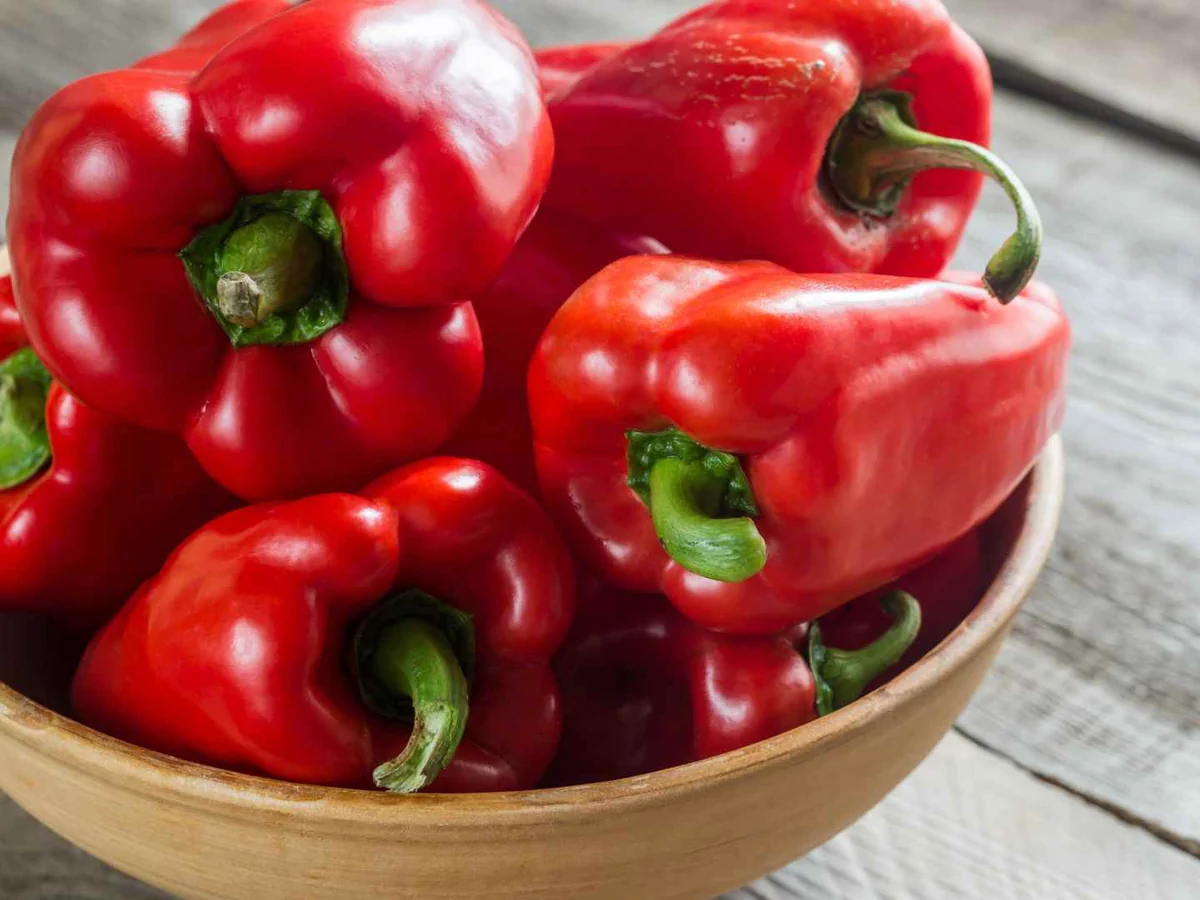
Bell pepper belongs to the nightshade family, which encourages people to copy warnings from tomato vines, deadly nightshade, or Jerusalem cherry. Plant family alone cannot replace species, part, ripeness, and dose.
A standard grocery bell pepper is Capsicum, while the plant commonly called ornamental pepper or Jerusalem cherry may be Solanum pseudocapsicum. The ASPCA lists that ornamental pepper as toxic to cats because of solanine.
Do not identify a patio plant from its red fruit alone. Keep the nursery tag, photograph leaves and fruit, and call after an unknown “pepper” is chewed.
Our tomato guide for cats explains why ripe fruit and green plant material receive different advice. That tomato distinction should not be pasted over a bell pepper without checking botanical identity.
Pepper plants and garden products
Even when the fruit is an edible bell pepper, allowing a cat to browse leaves, stems, roots, potting mix, or flowers is unnecessary. Plant material can irritate digestion, and garden chemicals may be the more important hazard.
Fertilizer, compost, insecticide, herbicide, slug bait, plant ties, netting, and labels all belong in the exposure history. Organic wording does not mean an entire garden setup is safe to chew.
Block access after any pesticide application for the period stated on the label. Bring the product container to the veterinarian if a treated plant or soil was eaten.
Cooking softens pepper but does not erase seasoning
Steaming or roasting plain pepper changes texture without creating a known toxin. The usual problem is that people cook peppers with onion, garlic, salt, oil, butter, cheese, sausage, or sauce.
Allium compounds withstand ordinary cooking and can damage feline red blood cells. Merck explains that cats are especially susceptible to onion and garlic toxicosis, including exposures to cooked and powdered forms.
Symptoms of anemia can take several days and may include weakness, low appetite, pale or yellow gums, fast breathing, dark urine, and collapse. Call about a known onion or garlic recipe instead of waiting for the cat to look ill.
Use our onion guide and garlic guide for feline-specific next steps. A tiny clean bell pepper piece and a fajita pepper are not the same food.
Stuffed peppers hide an entire meal
Stuffed peppers often contain rice, ground meat, onion, garlic, tomato sauce, cheese, breadcrumbs, salt, and herbs. Vegetarian versions may add beans, soy crumbles, nuts, raisins, or concentrated seasoning.
The pepper shell can also become a large slippery object after baking. If a cat swallowed a substantial section, note whether toothpicks, foil, plastic wrap, or casserole fragments are missing.
A small bite of plain fully cooked meat from a verified recipe can be low risk, but scraping filling away does not reliably remove sauce or powder. Set aside an unseasoned cat-sized morsel before assembly if table treats are approved.
Jarred peppers, antipasto, and pizza
Roasted red peppers in a jar may sit in salt water, vinegar, oil, garlic, herbs, or sugar. Drainage does not undo absorbed seasoning, and an open glass jar adds broken-glass and lid hazards.
Antipasto combines peppers with olives, cured meat, cheese, pickled vegetables, garlic, and oil. Pizza adds dough, tomato sauce, cheese, grease, and toppings, as detailed in our cat pizza guide.
Pimentos are sweet pepper varieties, but pimento cheese is a rich dairy spread with salt and seasoning. Product names should be read as recipes, not botanical reassurance.
Paprika and pepper powder
Paprika is made from dried ground Capsicum peppers and varies from sweet to hot and smoked. A dusting baked into human food is different from a cat stepping into a spilled jar of concentrated powder.
Powder can irritate eyes and airways and spread across the coat during grooming. Keep the cat in clean air, avoid dry brushing that raises dust, and call for coughing, wheezing, eye pain, breathing changes, or a large ingestion.
Cats who should pass on pepper
Skip bell pepper for kittens, cats with chronic vomiting or diarrhea, cats with swallowing trouble, and animals on elimination or prescription diets. Diabetes, kidney disease, heart disease, urinary conditions, and weight plans all deserve approved treats rather than improvisation.
A new food should not be used to tempt a cat whose appetite has suddenly fallen. Feline appetite loss can become medically important, and vegetables can mask rather than solve the cause.
What to do after a pepper theft
- Identify the plant: grocery bell pepper, hot pepper, ornamental plant, or an unknown garden specimen.
- Rebuild the recipe: list onion, garlic, oil, cheese, meat, sauce, salt, spice, and jar brine.
- Estimate the form and amount: raw cube, cooked strip, powder, stuffed shell, leaves, or whole fruit.
- Account for objects: find stems, skewers, toothpicks, seeds, foil, jars, lids, plant ties, and netting.
- Match urgency to signs: breathing difficulty, severe mouth pain, repeated vomiting, collapse, unknown plant ingestion, or Alliums needs veterinary help.
After one tiny plain bell pepper bite in a normal cat, remove the rest and observe digestion and behavior. Do not induce vomiting, and return to the familiar complete diet at the next meal.
Frequently asked questions
Can cats eat red bell peppers?
Yes, one tiny washed, seedless, plain piece is generally low risk for a healthy adult. Red pepper is still an optional treat and should not replace cat food.
Are green bell peppers unsafe because they are unripe?
Standard grocery green bell peppers are commonly eaten at that stage and are not equivalent to toxic green tomato plant material. Texture may be firmer, so mince or soften any approved taste.
Can cats eat cooked bell peppers?
Plain steamed or roasted pepper can be easier to chew once cooled. Peppers cooked with onion, garlic, heavy oil, cheese, or salty sauce should stay off the cat’s plate.
What if my cat ate a spicy pepper?
Remove access and call if there is persistent drooling, face-pawing, vomiting, eye exposure, coughing, or breathing difficulty. Concentrated capsaicin products need prompt professional guidance.
Bottom line
Bell pepper flesh can be a harmless pea-size curiosity, but color is the least important part of the decision. Remove tough pieces, separate sweet from hot and ornamental peppers, inspect the recipe, and let the cat remain delightfully uninterested in salad prep.