Can Cats Eat Bananas? Portions, Peels, Chips, and Products
Cats can eat a tiny bite of ripe banana flesh, but they do not need it. Banana is not toxic to cats, yet its sugar and calories make it an occasional taste, while peels, oversized chunks, dried chips, sweet desserts, and packaging create different concerns.
The answer in one bowl-sized nutshell
For a healthy adult cat that is curious, offer one soft piece no larger than a pea. If the cat sniffs it and walks away, respect the review and do not keep presenting banana like a rejected canapé.
Banana should remain a rare extra, not a meal topper, vitamin supplement, constipation remedy, or appetite treatment. A nutritionally complete cat food already does the balancing work, and fruit can dilute that plan when portions grow.
Banana is non-toxic, but non-toxic does not mean unlimited
The ASPCA lists banana as non-toxic to cats, dogs, and horses. That classification covers toxicity, not whether a bowlful is nutritionally sensible or comfortable to digest.
Banana contains carbohydrate and natural sugar, and a person’s normal serving is enormous relative to a cat. Too much can cause vomiting, soft stool, diarrhea, gas, abdominal discomfort, or simple refusal of the next meal.
A cat also gains little from chasing the human health halo around potassium, fiber, or vitamin content. Nutrients work inside a complete diet, and adding one food without considering the rest is not nutritional fine-tuning.
How much banana can a cat have?
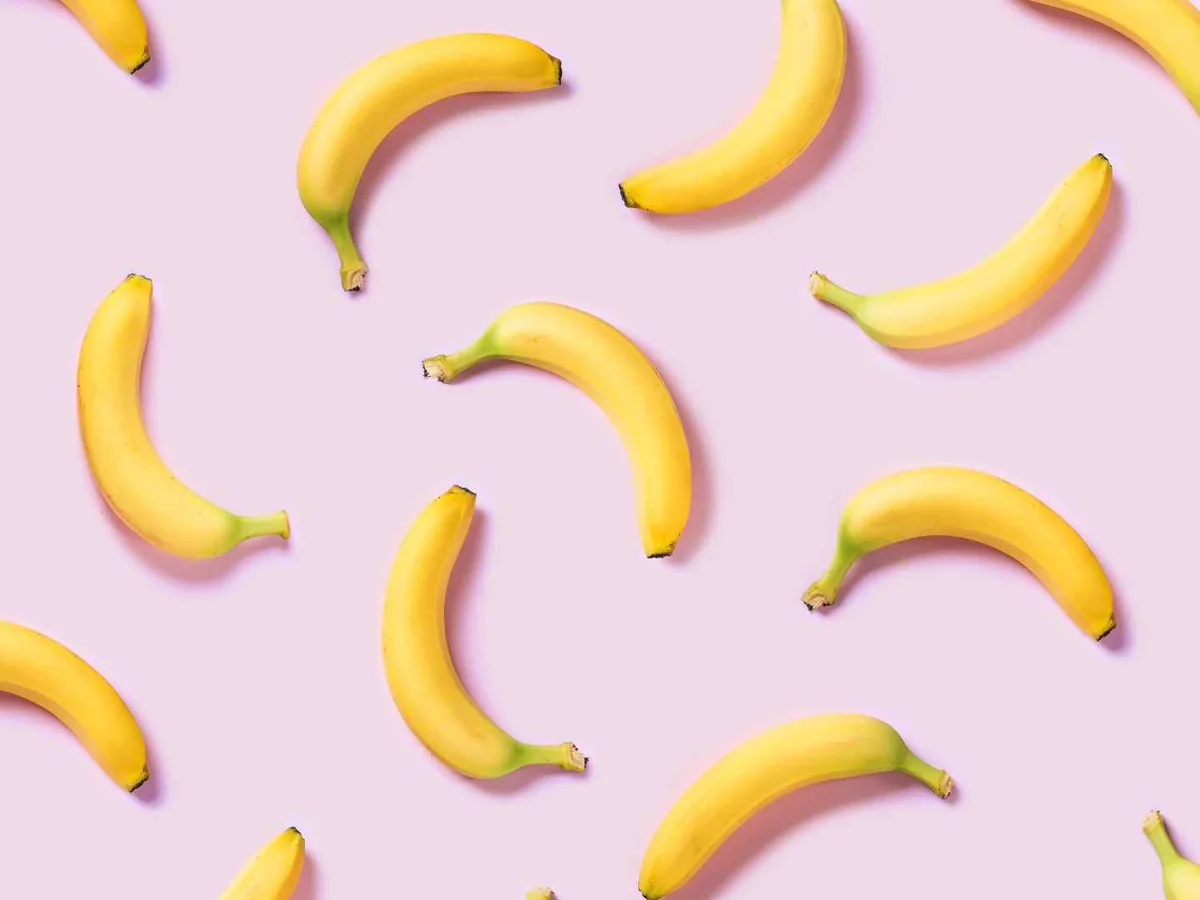
Start with a single pea-sized piece of soft ripe flesh. There is no feline need to increase the portion, and a larger cat does not earn a human-sized slice.
Cornell’s current cat-feeding guidance says treats are not nutritionally complete and should be occasional, with treats generally kept to a small share of daily calories. Using a few pieces of the cat’s regular food for rewards is often simpler than adding a new food.
Stop after the first taste and watch for vomiting, diarrhea, itching, facial swelling, or appetite change. A new food can be poorly tolerated even when it is not toxic.
A safe preparation method
- Choose a fresh, ripe banana without mold, fermentation, or a split leaking peel.
- Remove the peel and every stringy fiber attached to the flesh.
- Cut or mash one pea-sized piece so it is easy to lick or chew.
- Serve it plain at room temperature without sugar, salt, dairy, nut butter, or spice.
- Discard the peel and packaging in a secure bin.
Do not smear banana on a large object or toy that can be chewed apart and swallowed. If you use a lick mat, choose one designed for cats, supervise it, and count the banana within the day’s extras.
Why banana peel is not cat food
Banana peel is not classified as a poison, but it is thick, fibrous, and much harder to digest than the fruit. A swallowed strip can cause gagging, vomiting, or a foreign-body problem, particularly in a kitten or cat that gulps unusual objects.
The peel can also carry dirt, microbes, pesticide residue, stickers, or adhesive. Washing the outside before peeling reduces kitchen contamination, but it does not turn the peel into a suitable snack.
Our banana peel guide explains the choking and obstruction logic in more detail. Product identification transfers across the kitchen, while the clinical response and portion discussion must remain cat-specific.
The Merck Veterinary Manual review of gastrointestinal obstruction lists vomiting, appetite loss, abdominal pain, lethargy, diarrhea, and shock among possible signs. A swallowed peel plus persistent vomiting or food refusal deserves prompt veterinary assessment.
Signs that should not wait
- Open-mouth breathing, choking, blue or pale gums, collapse, or severe distress.
- Repeated gagging, heavy drooling, repeated swallowing, or pawing at the mouth.
- Repeated vomiting, inability to keep water down, or a painful or swollen abdomen.
- Refusal to eat, marked lethargy, reduced stool, or straining after peel or packaging ingestion.
- Tremors, wobbliness, seizures, or unusual agitation after a spoiled or mixed product.
Do not pull stringy peel, plastic, or other material from the mouth or anus if it seems anchored. Cats are particularly vulnerable to linear foreign bodies, and pulling can damage the digestive tract.
Banana chips are a different food
Dried banana concentrates calories and sugar by removing water, and some chips are fried or coated with sugar, honey, oil, salt, chocolate, or seasoning. Their hard, coin-like shape can also be awkward for a cat to chew.
A plain freeze-dried slice still delivers a concentrated bite and can crumble into dust that irritates the nose. It offers no advantage over a tiny soft piece of fresh fruit.
Use our banana chip label guide to identify oil, sweeteners, seasonings, hardness, and package parts. Do not copy the dog serving suggestions to a cat.
Banana bread, muffins, pancakes, and pudding
Banana baked goods can contain chocolate, raisins, macadamia nuts, xylitol or another sweetener, alcohol flavoring, raw yeast dough, butter, sugar, and spices. The word banana tells you almost nothing about whether the finished product is safe.
Banana pudding and cream pie add dairy, sugar, crust, and sometimes chocolate or coffee flavor. Many adult cats digest lactose poorly, so even a toxin-free dessert can produce a messy gastrointestinal review.
Pancake and waffle batter may contain raw egg and flour, while toppings bring syrup, butter, nut spreads, whipped cream, or chocolate. Save the recipe or package and list every ingredient when you call.
Our banana guide for dogs provides a useful map of fresh and processed forms, but dog portions and dog-only toxicology are not feline advice. For a cat, start from the exact product and the much smaller body size.
Smoothies, baby food, and fruit pouches
A smoothie can combine banana with dairy, chocolate, coffee, protein powder, supplements, grapes, raisins, avocado, sweeteners, or alcohol. A lick of plain banana-and-water puree is a different exposure from drinking a finished café beverage.
Baby food and fruit pouches need the same label check because blends may contain other fruits, lemon juice, added sugar, yogurt, cereal, or spices. Caps, foil seals, straws, and squeeze pouches can become choking or foreign-body hazards.
Never use a sweet puree as the main food for a sick cat or kitten. A cat that refuses normal food needs veterinary guidance because prolonged poor intake can have serious consequences.
Plantains are not interchangeable with bananas
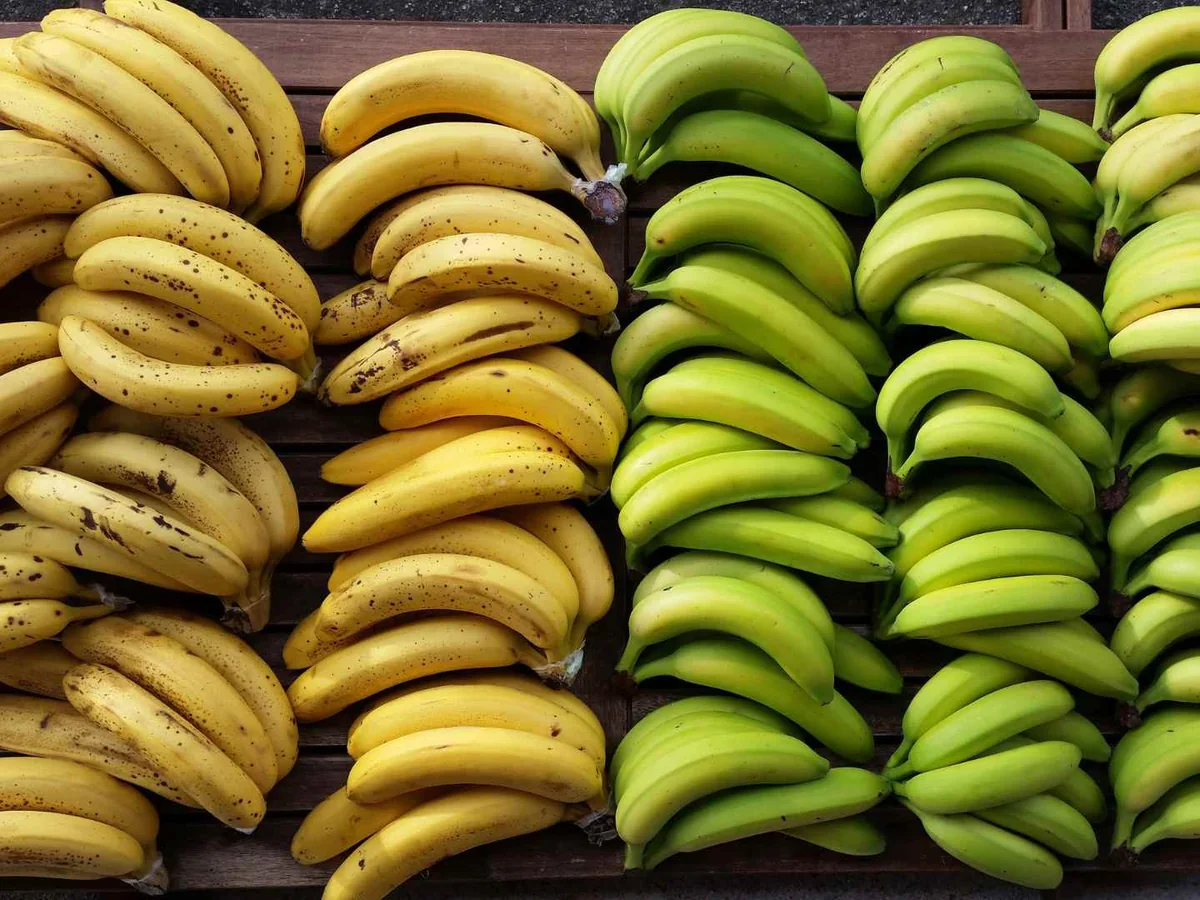
Plantains are starchier and are normally cooked, often by frying or adding salt, oil, garlic, or seasoning. A tiny piece of plain fully cooked flesh may be non-toxic, but it is still an unnecessary dietary extra.
Plantain chips can be hard, salty, greasy, sweetened, or spiced, and the bag can pose its own hazard. Our plantain guide helps identify preparations, while a veterinarian should answer cat-specific medical questions.
Can banana help constipation or diarrhea?
Do not use banana as a home treatment for a cat’s bowel changes. Constipation can involve dehydration, pain, obstruction, kidney disease, neurologic problems, medication effects, or megacolon, while diarrhea also has many possible causes.
Adding fiber without understanding the cause may do nothing or make discomfort worse. Call your veterinarian for repeated straining, no stool, vomiting, pain, blood, black stool, lethargy, dehydration, or a change that persists.
A kitten with diarrhea, an older cat with constipation, or any cat that stops eating deserves earlier advice. The goal is not to win a pantry-remedy contest but to identify the actual problem.
Cats that should skip banana
- Cats with diabetes, obesity, or a calorie-controlled weight plan.
- Cats with chronic gastrointestinal disease or a history of food-triggered symptoms.
- Cats on a prescription or elimination diet.
- Kittens that need every small meal to support growth.
- Cats with dental pain, swallowing difficulty, pica, or a history of foreign-body ingestion.
This is not because banana becomes a powerful toxin in these cats. It is because an optional sugary extra adds little benefit and can complicate a diet or symptom pattern that already requires care.
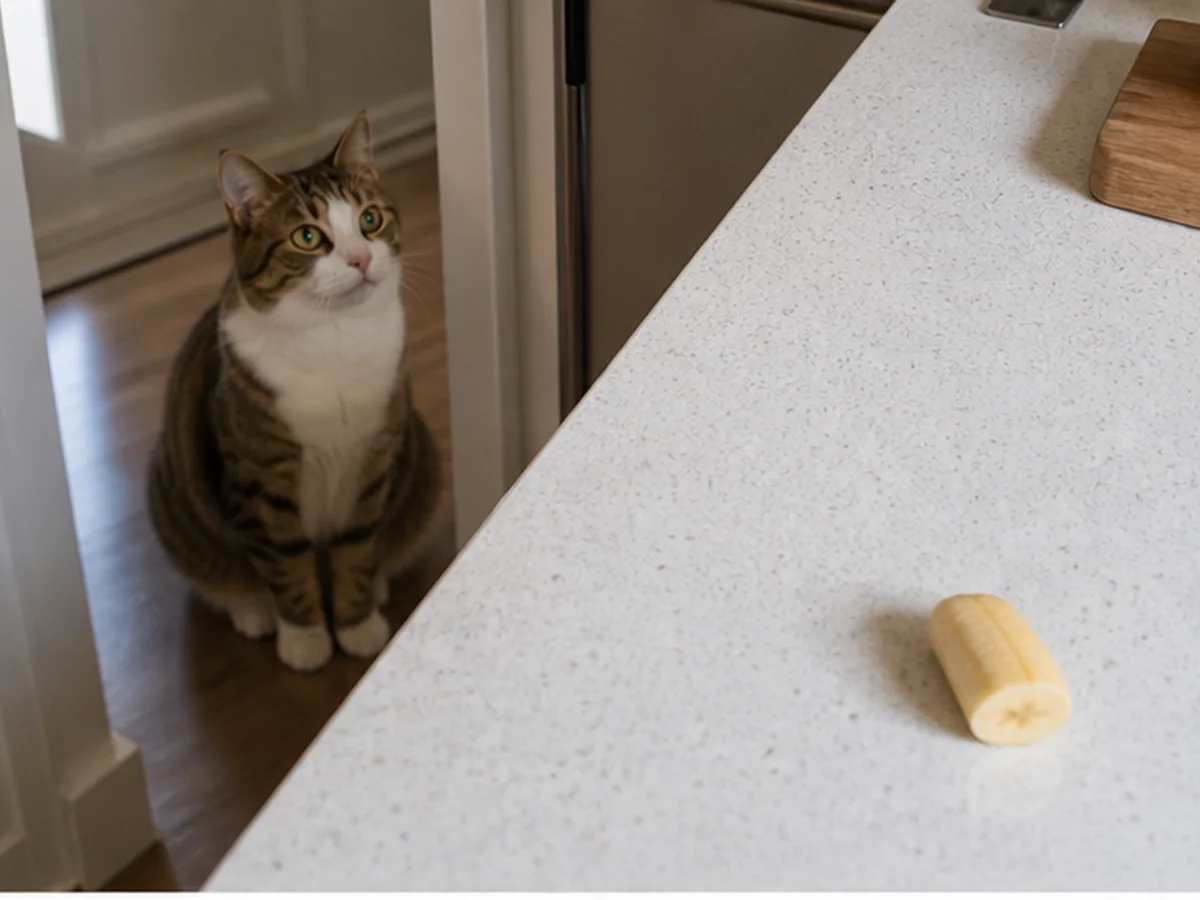
What to do if your cat ate banana
- Remove the fruit, peel, product, and packaging.
- Check breathing, swallowing, alertness, and behavior.
- Identify fresh flesh, peel, chips, baked goods, puree, smoothie, or plantain.
- Record when the banana raid happened, estimate what is missing, and keep the package or recipe for the clinic.
- Call for a large amount, peel or packaging, unsafe mixed ingredients, a medically vulnerable cat, or any symptom.
Do not induce vomiting or give hydrogen peroxide, salt, oil, milk, or charcoal unless a veterinary professional specifically directs you. Keep fresh water available to an otherwise normal cat and do not force food after vomiting.
Frequently asked questions
Can kittens eat banana?
Kittens do not need banana, and their small stomachs and calorie budgets are better reserved for complete kitten food. The peel and large pieces also create more mechanical concern in a very small animal.
Can cats eat frozen banana?
A rock-hard frozen chunk can be difficult to bite and may damage a sore tooth or be swallowed awkwardly. If your veterinarian approves banana, thaw one pea-sized piece until it is soft.
Can cats eat bananas every day?
Daily banana is unnecessary and can crowd the diet with extra sugar and calories. Keep any approved taste rare, tiny, and included in the overall treat allowance.
My cat ate a bite of banana peel. What now?
Remove the rest, estimate the missing amount, and monitor closely while calling your veterinarian for advice. Repeated vomiting, food refusal, lethargy, abdominal pain, breathing trouble, or reduced stool needs prompt care.
The bottom line
Banana flesh is non-toxic to cats, and one pea-sized plain taste is reasonable for many healthy adults that genuinely want it. Keep it rare, discard peels and packaging securely, skip sugary or mixed products, and call promptly for a large exposure, foreign material, vulnerable cat, or symptoms.