Can Dogs Eat Oats? Cooked, Dry, Oat Milk, and Granola
Yes, most healthy dogs can eat a small amount of plain oats when they are fully cooked in water and cooled. Dry oats are harder to digest and easy to spill or gulp, while flavored oatmeal, granola, oat milk, cookies, and overnight-oat recipes can contain unsafe or overly rich extras.
Oats and oatmeal are related, not identical
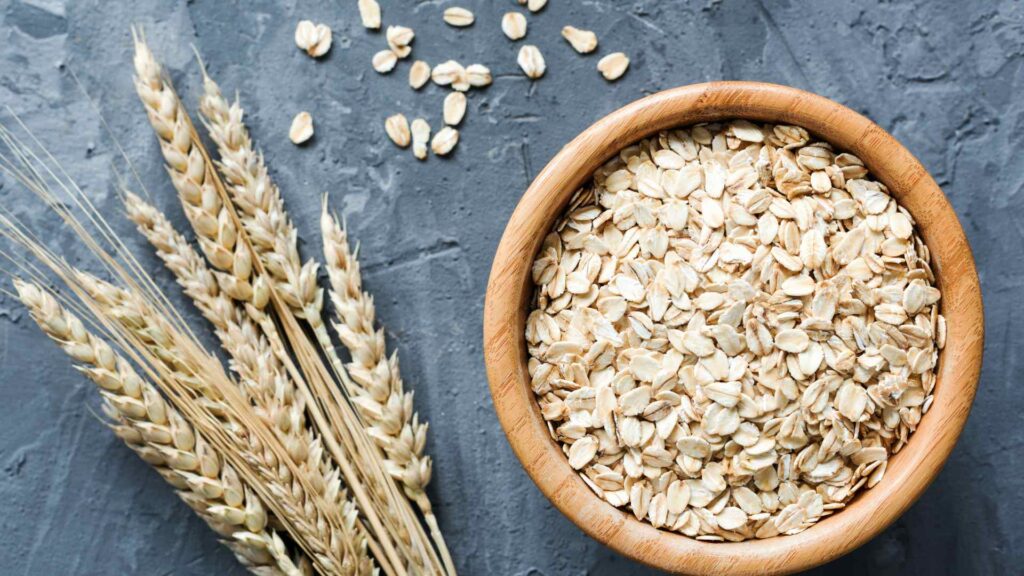
Oats are the grain in rolled, steel-cut, quick, and instant forms, while oatmeal is the cooked dish. The safest sharing method is boring on purpose: plain oats cooked with water until soft.
This guide compares oat products and ingredient lists; the dedicated oatmeal guide focuses more closely on the finished bowl. Neither article turns oats into a required canine food or home treatment.
The veterinarian-reviewed PetMD oatmeal guidance favors plain oatmeal cooked in water and warns that uncooked oats can be difficult to digest. It also flags common additions such as raisins, chocolate, and xylitol.
Rolled, quick, instant, and steel-cut oats
Rolled oats: Cook them in water until soft and cool before offering a spoon-tip. Their familiar shape does not make a dry handful a sensible snack.
Quick oats: Plain quick oats are simply cut smaller and cook faster. Choose an unflavored package, because the convenient packets are where sugar, salt, flavorings, and sweeteners often appear.
Instant oats: Plain instant oats can be cooked safely, but “instant oatmeal” often means a complete flavored product. Read the full list rather than relying on an apple, maple leaf, or cinnamon swirl printed on the front.
Steel-cut oats: These need longer cooking to become tender. Partially cooked grains remain firm and are more likely to cause an unpleasant, bulky meal.
Oat groats: Intact groats take the longest to cook and are not useful as dog treats. If oats are approved, a small amount of softer rolled oatmeal is simpler.
Why dry oats are not the best shortcut
Dry flakes are not poisonous, but they are dusty, fibrous, and less digestible than cooked oats. A mouthful can prompt coughing or gagging, and a bowlful can bring gas, discomfort, vomiting, or diarrhea.
Do not frame dry oats as an obstruction emergency by default or claim that every flake dangerously expands inside the stomach. The proportionate answer is to remove access, estimate the amount, and watch the dog rather than feeding dry grain intentionally.
Call after a large dry-oat raid, especially for a small dog or one with swallowing or digestive disease. Breathing difficulty, repeated unproductive retching, a swollen painful abdomen, repeated vomiting, or collapse requires urgent care.
The simplest preparation
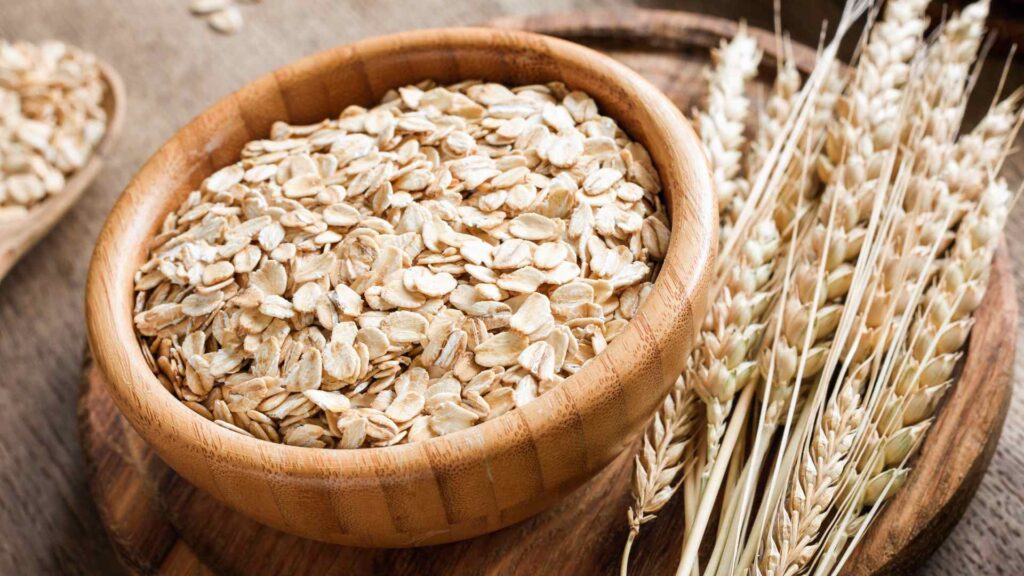
Use plain oats and water, follow the package cooking time, and cook until soft. Skip milk, cream, butter, salt, sugar, syrup, sweetener, and seasoning.
Cool the oatmeal fully and offer one small taste on its own. A hot spoonful can burn the mouth, while mixing several new ingredients makes any later reaction hard to interpret.
Refrigerate leftovers promptly in a clean covered container and discard anything moldy, sour-smelling, or questionable. Reheat only to a safe lukewarm temperature and stir carefully to eliminate hot spots.
Toppings can change the answer fast
Raisins: Grapes and raisins can cause acute kidney injury in dogs, and no reliably safe amount is established. Use the grape and raisin guide and call promptly after exposure.
Chocolate or cocoa: These add methylxanthine risk, with seriousness determined by chocolate type, amount, and dog weight. Save the package rather than guessing from color.
Xylitol: Sugar-free products can contain xylitol, also labeled birch sugar, wood sugar, or birch bark extract. The FDA warns that xylitol can rapidly cause profound low blood sugar and may damage the liver in dogs.
Nut butter: A small amount can add a surprising calorie and fat load, and every label needs a xylitol check. The peanut butter guide covers the label and pancreatitis cautions.
Milk and cream: Some dogs develop gas or diarrhea from lactose, and rich dairy adds fat. Water is the cleaner cooking choice.
Fruit: A safe fruit name does not rescue a bowl containing sweetener or raisins. Check pits, cores, seeds, syrup, and the dog’s individual dietary restrictions.
Oat milk is a beverage with its own label
Plain oat milk is not automatically toxic, but it can include oil, sugar, salt, flavors, gums, vitamins, or sweeteners. It is not a substitute for water and offers no nutritional advantage over a tiny serving of cooked oats.
A lick of ordinary oat milk is usually a monitoring event for a healthy dog. A carton raid, sugar-free formula, chocolate flavor, coffee drink, or product with xylitol needs ingredient-specific advice.
Do not use oat milk to hydrate a vomiting dog or entice one that refuses water. Ongoing vomiting, weakness, collapse, or refusal to drink deserves veterinary assessment.
Granola, muesli, bars, and cookies
Granola and muesli may combine oats with raisins, chocolate, macadamia nuts, sweeteners, coconut, fatty nuts, and dense calories. Crunchy clusters and packaging add choking or foreign-body concerns.
Oatmeal cookies commonly bring sugar, butter, oil, chocolate, raisins, nutmeg, or xylitol. “Made with whole grains” is human marketing, not a canine safety clearance.
Oat bars and energy bites can be even more concentrated and may use nut butter or protein supplements. Save the wrapper and inventory every ingredient after a theft.
Baked oats follow the same recipe rule. Eggs and plain oats can become unsuitable once raisins, chocolate chips, syrup, frosting, coffee, or sugar-free sweetener enters the pan.
Overnight oats and savory oatmeal
Overnight oats are soaked rather than simmered and commonly include milk, yogurt, chia seeds, fruit, syrup, protein powder, or nut butter. Even when the oats become soft, the finished jar must be evaluated as a multi-ingredient recipe.
Do not share a jar that contains raisins, chocolate, coffee, xylitol, or an unknown supplement blend. Refrigeration matters too, because a dairy-based jar left warm for hours can create food-safety concerns beyond the oats.
Savory oatmeal may contain broth, bouillon, cheese, bacon, sausage, onion, garlic, salt, or butter. Set aside a plain water-cooked portion before seasoning rather than trying to rinse a spoonful afterward.
Oat bran and added fiber powders are even more concentrated than a small serving of oatmeal. Do not improvise with them for stool problems, and ask before using any fiber supplement alongside medication or a therapeutic diet.
Portions, calories, and fiber
There is no medical need for a daily oat portion or a rigid spoon chart. Start with a small taste, and keep any future serving comfortably within the dog’s overall calorie allowance.
The UC Davis veterinary nutrition service recommends that at least 90 percent of calories come from complete and balanced food. Cooked oats share the remaining allowance with every chew, topper, table scrap, and training reward.
A sudden increase in fiber may cause gas or loose stool, and calories still count even when a food is plain. Oats do not cause weight loss merely because they can feel filling.
Do not use oatmeal to treat diarrhea or constipation without knowing the cause. Parasites, infection, pain, diet changes, swallowed material, medication effects, and systemic disease can look similar at home.
Allergy and special-diet questions
A dog can react to almost any food protein, though oats are not automatically a common culprit. Itching, recurrent ear trouble, vomiting, diarrhea, facial swelling, or hives after exposure deserves veterinary discussion.
Dogs in elimination diet trials should receive no unapproved oats, flavored medicines, or treats. One extra food can blur weeks of careful observation.
Gluten-free labeling addresses human food production and cross-contact, not every canine dietary problem. A dog with a diagnosed food-responsive condition needs advice based on that diagnosis rather than a grocery-store claim.
Dogs with diabetes, pancreatitis, chronic digestive disease, obesity, or a prescription diet should have extras approved by their veterinary team. Plain preparation does not override a therapeutic plan.
What to do after an oat mishap
After a little plain cooked oatmeal, monitor a comfortable dog and skip more treats. Mild gas or one soft stool may settle, but persistent vomiting, diarrhea, pain, or lethargy warrants a call.
After flavored oatmeal, granola, cookies, or bars, save the recipe and package. Look first for raisins, chocolate, xylitol or birch sugar, macadamia nuts, caffeine, alcohol, and swallowed wrappers.
Contact a veterinarian or poison service immediately for raisins, xylitol, a concerning chocolate amount, or neurologic signs. Do not induce vomiting or give peroxide, salt, oil, milk, charcoal, or more food unless directed for that exact case.
For a large amount of dry oats, note the dog’s weight, amount, time, water access, and symptoms. Emergency signs include breathing trouble, collapse, repeated retching, repeated vomiting, severe abdominal distention, or inability to keep water down.
The bottom line
A small amount of plain oats cooked thoroughly in water and cooled is acceptable for many healthy dogs. Dry oats are harder to digest, and elaborate oat products need a full ingredient review.
Oats can offer occasional variety, but they do not lower canine cholesterol, cure diarrhea, guarantee weight loss, or replace complete food. With oatmeal, the plain grain is usually the easy part and the busy topping bar is where trouble begins.