Can Cats Eat Brown Rice? Cooking, Leftovers, and Arsenic in Context
A healthy adult cat can usually eat a small amount of fully cooked, plain brown rice, but there is rarely a reason to serve it. The bigger questions are what was cooked with it, how long it sat out, whether the grains are soft, and whether rice is displacing balanced cat food.
If your cat just raided the rice bowl
For a few soft grains of plain brown rice, remove access and monitor at home. Keep the normal meal and fresh water available, and watch for vomiting, diarrhea, constipation, abdominal discomfort, or a reduced appetite.
Check the full dish before relaxing, because pilaf, fried rice, burrito bowls, and restaurant sides may contain onion, garlic, excess salt, butter, sauces, raisins, or bones. A missing plastic pouch, absorbent pad, skewer, or foil lid creates a separate foreign-body concern.
Call a veterinarian promptly if an allium was present, the rice was moldy or fermented, a large amount disappeared, or the cat is repeatedly vomiting, painful, weak, unusually sleepy, or unwilling to eat. Do not induce vomiting or give human antacids unless a clinician directs you.
Brown rice is not poisonous, but it is not feline nutrition
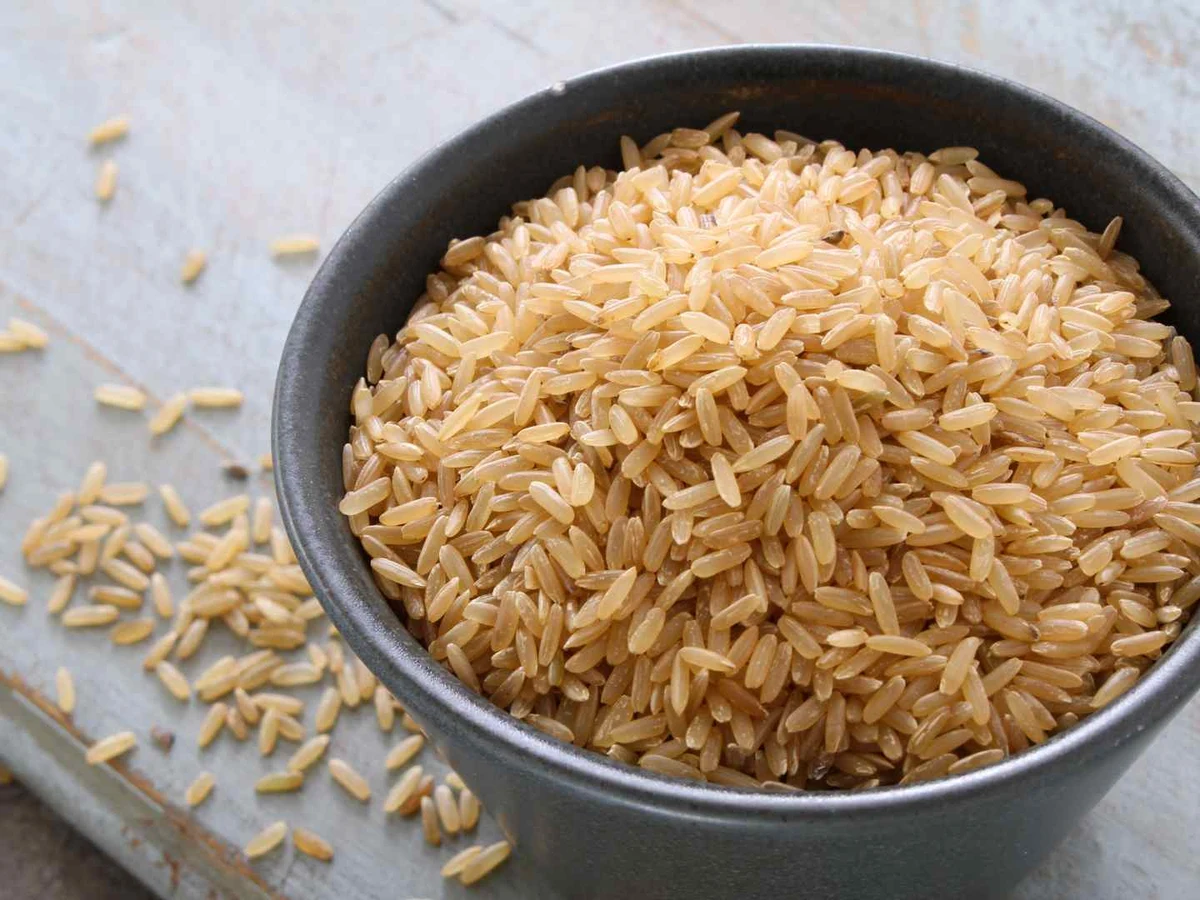
Brown rice is whole-grain rice with its bran and germ retained, which gives it more fiber and a firmer texture than polished white rice. Those features may appeal to a human meal plan without making the grain necessary for an obligate carnivore.
Cats require nutrients such as animal-derived protein and specific amino acids in an appropriately balanced diet. The Cornell Feline Health Center’s feeding guidance recommends complete and balanced cat food and keeping treats to a minor part of daily calories.
Rice does appear in some commercial cat foods because formulated diets can use cooked carbohydrates while balancing the entire nutrient profile. That does not mean spooning extra rice onto a complete food improves it, and an ingredient’s presence cannot reveal the quality of the whole formula by itself.
A veterinary diet containing rice is also not permission to recreate that diet in the kitchen. Therapeutic formulas are designed around precise nutrient targets, digestibility, calorie density, and the condition being treated.
Brown rice versus white rice for cats
Brown rice generally has more fiber and takes longer to become soft, while white rice has had the bran and germ removed. A cat with a sensitive digestive tract may find a small portion of well-cooked white rice easier to handle, but neither color is a universal stomach remedy.
The site’s rice variety overview helps distinguish white, brown, leftover, and seasoned dishes, although canine serving advice cannot be carried over to cats. For a focused look at this whole grain, the brown rice product guide is useful for cooking and label comparisons.
Do not switch between grains to treat chronic diarrhea or constipation without a veterinary diagnosis. Fiber can help certain patients and aggravate others, and persistent stool changes can reflect parasites, inflammation, food intolerance, medication effects, or systemic disease.
How to prepare the lowest-risk sample
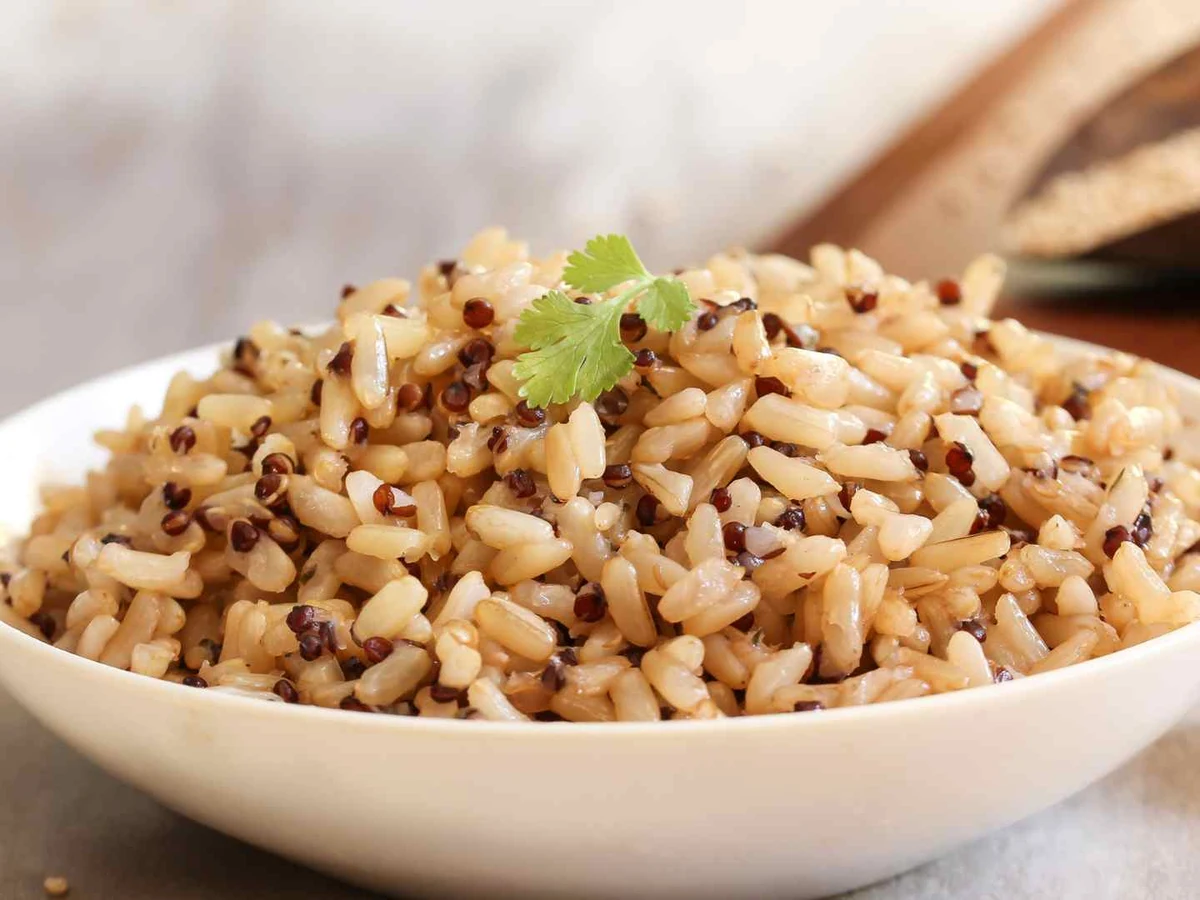
Cook brown rice in plain water until every grain is tender, then cool a small amount before offering it. Skip broth unless the label is confirmed free of onion, garlic, excessive sodium, and other seasonings.
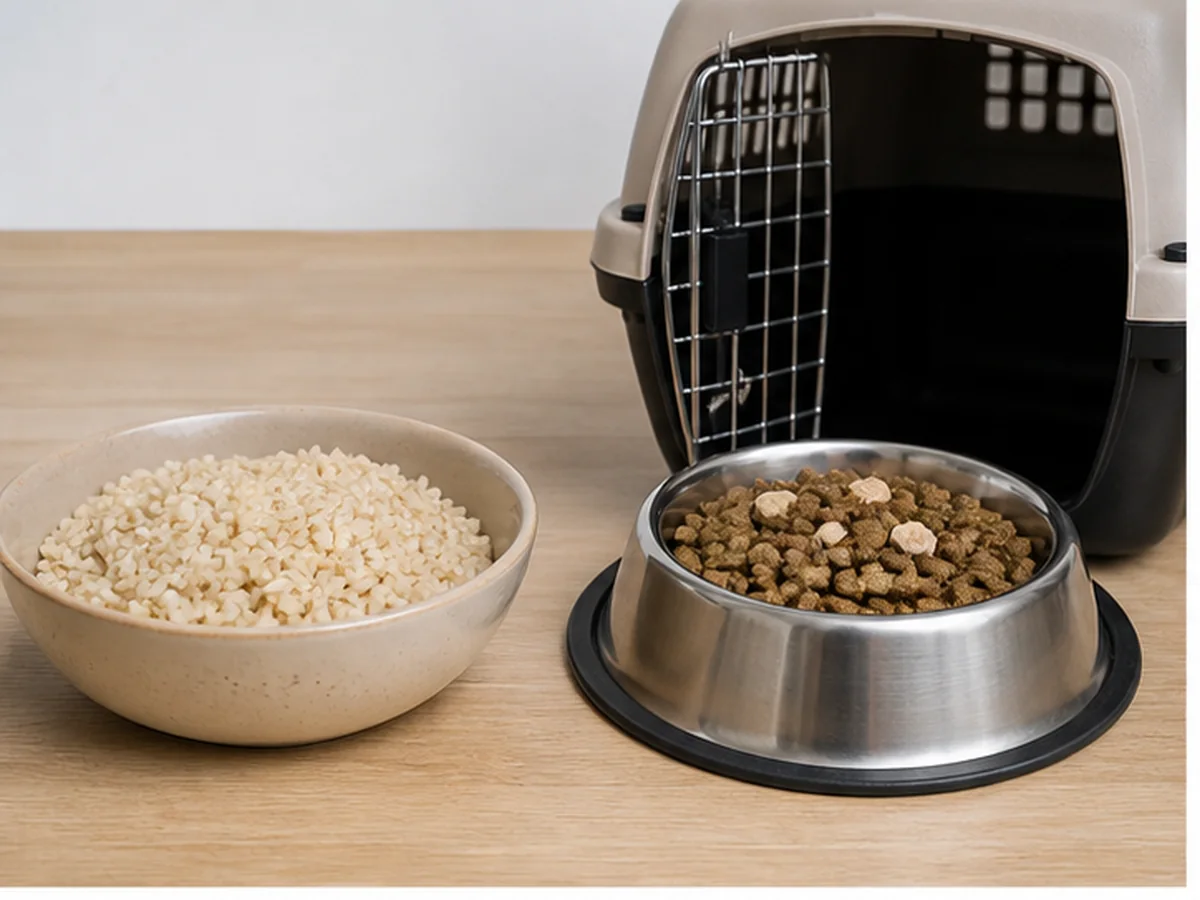
A reasonable taste is roughly a teaspoon or less for a healthy adult cat, mixed with or offered beside the normal food. This is a conservative practical portion, not a scientifically established daily requirement or toxicity cutoff.
Never serve dry, uncooked rice as a crunchy treat because it is hard and poorly digestible. Instant rice, microwave cups, and ready-to-eat pouches may be soft but often contain oil, salt, flavor blends, or vegetable pieces that require label review.
The leftover-rice problem is about time and temperature
Cooked rice can support growth of Bacillus cereus when it spends too long at unsafe temperatures, and reheating may not undo every hazard created during poor storage. The safest cat portion starts with rice that was handled properly for the human meal.
FoodSafety.gov identifies rice and leftovers among foods associated with Bacillus cereus and recommends refrigerating cooked food promptly in shallow containers. Throw away rice left at room temperature beyond safe limits rather than using the cat as a spoilage detector.
Do not rely on smell, appearance, or a quick microwave spin to certify forgotten rice. Cats can become ill from contaminated food, and their small size gives you no sensible reason to gamble on a questionable spoonful.
Refrigerated leftovers should be kept covered and away from raw meat juices, then discarded when their safe storage window has passed. Serve any approved amount cool or barely warm, because a microwave can leave painfully hot pockets.
What arsenic in rice actually means here
Rice absorbs more arsenic than many other crops, and brown rice can retain more in the bran layer than polished rice. This is a long-term exposure and dietary-variety issue, not evidence that several cooked grains will acutely poison a cat.
The FDA’s arsenic guidance says rice can remain part of a balanced human diet and explains that cooking in excess water and draining it can reduce inorganic arsenic. The agency also notes nutritional tradeoffs and that rinsing alone has limited effect.
There is no validated feline arsenic-reduction protocol that turns household brown rice into a recommended supplement. The simpler answer is to avoid making rice a large or repetitive share of the cat’s diet and to use a complete food from a responsible manufacturer.
If your veterinarian prescribes a home-cooked diet, follow the recipe exactly and ask the veterinary nutritionist how the grain should be sourced and prepared. Changing brown rice to another ingredient can alter calories, minerals, fiber, and digestibility.
Do not build a feline bland diet from memory
Rice-and-meat bland diets are commonly discussed for dogs, but that familiar formula is not automatically complete, appropriate, or necessary for a cat. Even short-term recommendations should account for the cause of illness, hydration, calorie intake, protein needs, medications, and how long the plan will be used.
Call before substituting brown rice when a veterinarian recommended white rice, because their fiber and texture differ. Better still, ask for exact written ingredients, weights, preparation, feeding frequency, transition instructions, and the signs that mean the cat needs re-examination.
A recovering cat who will eat only the meat while leaving rice behind is not being difficult in a medically trivial way. Report the amount actually consumed so the clinic can judge whether calorie intake and the treatment plan remain adequate.
Fried rice, pilaf, curry, and burrito bowls
Fried rice frequently contains onion, garlic, scallions, salty soy sauce, oil, and pieces of egg or meat. Cats are particularly susceptible to allium-related red blood cell injury, so a seasoned theft deserves ingredient-based triage rather than plain-rice reassurance.
Egg itself can be appropriate when thoroughly cooked and plainly portioned, but raw egg, grease, and seasoning change the situation. Our cat egg guide helps separate the egg component from everything else in the pan.
Pilaf may use onion-containing broth, butter, raisins, currants, nuts, and spices. Burrito bowls can add salsa, guacamole, cheese, beans, hot sauce, and foil, so list every component instead of reporting that the cat ate brown rice.
Fresh herbs are not interchangeable with alliums, either. If a bowl contains coriander leaves, our cilantro guide addresses the leaf, essential oils, and mixed-dish distinctions.
Cats who should not receive casual rice extras
Cats with diabetes, obesity, chronic kidney disease, inflammatory bowel disease, food allergies, constipation, or a prescribed diet need individualized advice. A carbohydrate-rich extra can complicate calorie targets, glucose management, stool assessment, or an elimination trial.
Kittens require nutrient-dense food for growth and have little room for filler. Seniors with dental pain or swallowing trouble may also handle sticky clumps poorly, even when the rice is soft.
Never use rice to delay care for a cat who has stopped eating. Cats can develop serious complications from inadequate intake, and the cause of appetite loss needs attention rather than camouflage beneath a bland side dish.
When to call and what to report
Seek advice after allium exposure, raw yeast dough, moldy rice, unknown restaurant ingredients, swallowed packaging, or a large amount in a medically vulnerable cat. Urgent signs include repeated vomiting, collapse, breathing difficulty, severe weakness, pale gums, a painful or swollen abdomen, or inability to keep water down.
Tell the clinic the recipe, product brand, amount range, time, storage history, cat’s weight, medical conditions, medications, and current signs. Photographs of labels and the remaining dish usually answer more questions than a description such as leftovers from Tuesday.
For mild isolated diarrhea after a few plain grains, monitor hydration and appetite and call if it persists or the cat seems unwell. Kittens, seniors, and cats with chronic disease deserve a lower threshold for professional input.
FAQ
Can cats eat brown rice every day?
Do not add it daily unless a veterinarian-formulated diet specifically includes it. Regular extras can unbalance calories and nutrients even when each serving looks modest.
Is brown rice good for a cat with diarrhea?
It is not a universal feline diarrhea treatment, and its extra fiber may be unhelpful for some causes. Contact a veterinarian for persistent diarrhea, blood, vomiting, dehydration, pain, or reduced appetite.
Can cats eat brown rice from a microwave pouch?
Only a tiny amount of a plain, fully cooked product is low risk, and many pouches contain oil, sodium, or seasoning. Check the label and allow the rice to cool evenly.
Is the arsenic in brown rice an emergency?
Not after a small ordinary serving, because the concern relates to cumulative exposure rather than an acute reaction to a few grains. Discuss repetitive rice-heavy feeding or unusual contamination with your veterinarian.
Bottom line
A teaspoon or less of soft, plain brown rice is usually low risk for a healthy cat, yet it adds little to a balanced feline diet. Give more attention to seasonings, storage, portion creep, and the cat’s medical needs than to the grain’s wholesome reputation.