Can Dogs Have Coconut Water or Oil? Risks by Product
Coconut water and coconut oil are different products, and dogs need neither one. A small lick of plain coconut water or oil is unlikely to poison most healthy dogs, but water can add potassium, sugar, sodium, and flavorings while oil delivers concentrated fat and calories, so neither should replace fresh water, a balanced diet, or veterinary treatment.
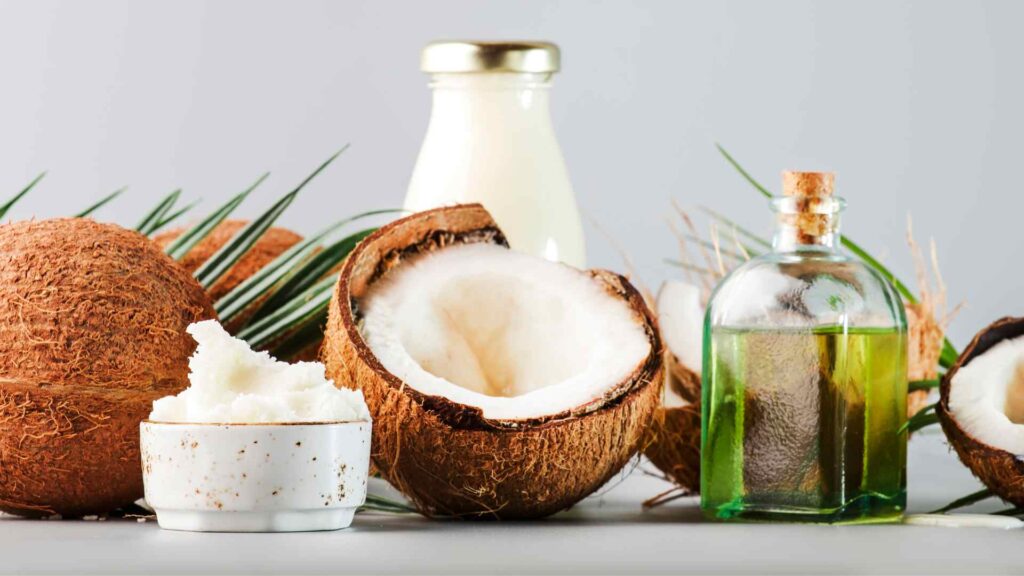
Two coconut products, two separate questions
Coconut water is the liquid from inside a young coconut, usually sold as a beverage. Coconut oil is extracted fat, usually solid or semi-solid at cool room temperature.
They cannot share one serving recommendation because their nutritional profiles and practical risks are so different. A sip of liquid is not comparable to a spoonful of oil.
Coconut milk, cream, flesh, flour, chips, and yogurt are different again. The coconut guide covers those forms, including shell and fibrous-piece hazards.
Front-label words such as natural, organic, virgin, cold-pressed, raw, or hydrating do not establish a canine health benefit. Read the entire ingredient list and Nutrition Facts panel.
Coconut water is not dog electrolyte therapy
Plain coconut water naturally contains carbohydrate and minerals, including potassium. Packaged products may also contain added sugar, sodium, fruit juice, flavors, vitamins, sweeteners, or preservatives.
The FDA Nutrition Facts guide explains where calories, sugar, sodium, and potassium appear on a human beverage label. Human Daily Values are not canine targets, but the actual numbers help a veterinarian assess a large exposure.
Healthy dogs maintain hydration with ordinary fresh water and complete food. Coconut water is not a treatment for heat illness, vomiting, diarrhea, kidney disease, low potassium, exercise recovery, or suspected dehydration.
A dog that is weak, repeatedly vomiting, severely panting, collapsing, or unable to drink needs assessment, not a tropical sports drink. Forcing liquid into a nauseated or poorly responsive dog can lead to aspiration.
Potassium and medical context
Potassium is an essential electrolyte, but more is not automatically better. The kidneys and several hormones help regulate it, and illness or medication can change that balance.
Dogs with kidney disease, Addison’s disease, heart disease, urinary disease, or known electrolyte abnormalities should not receive coconut water casually. Some heart and blood-pressure medicines also affect potassium handling.
Do not use a beverage label to diagnose or correct an electrolyte problem. Blood testing and the dog’s fluid status determine whether potassium is low, normal, or high and how it should be managed.
One lick is different from draining a large carton. After a substantial amount, save the label and report dog weight, volume, potassium and sodium per serving, medical history, medicines, time, and symptoms.
Sugar, flavorings, and sugar-free products
Unsweetened coconut water still contains naturally occurring sugars, while flavored products may add more. Sugar is not a canine poison, but it adds calories and can cause digestive upset after a large drink.
The FDA added-sugars guide explains how total and added sugars differ on labels. That distinction is useful, but neither number turns coconut water into a necessary dog beverage.
Sugar-free, keto, powdered, and drink-mix products require a xylitol check every time. Look for xylitol, birch sugar, wood sugar, or birch bark extract and call immediately after a known or possible exposure.
Fruit-flavored versions can include grape, raisin, citrus, caffeine, tea, herbal extracts, or other active ingredients. Evaluate the complete product rather than assuming the coconut base dilutes everything else.
Sodium and fortified drinks
Some coconut waters and electrolyte blends contain added sodium. A few licks are not expected to cause salt poisoning, but a large container or concentrated powder changes the calculation.
Dogs on sodium-restricted diets should not receive these drinks just because the front label says pure or performance. The salt guide explains concentrated exposures and why forced water is not a home treatment.
Powdered hydration packets can be more concentrated than ready-to-drink products and may contain sweeteners, caffeine, vitamins, or minerals. Keep both the packet and the mixing directions after a raid.
Never add coconut water to a dog’s bowl to encourage excessive drinking after a salty food theft. Veterinary treatment of major electrolyte disturbances requires controlled correction and monitoring.
Coconut oil is concentrated fat
Coconut oil is almost entirely fat and is calorie-dense by volume. A glossy teaspoon may look small while contributing far more calories than a typical training reward.
A lick may cause no problem, but a spoonful or jar raid can lead to vomiting, diarrhea, greasy stool, reduced appetite, or abdominal discomfort. The dog’s size, usual diet, and digestive history affect tolerance.
The ASPCA people-food guide notes that coconut products are unlikely to cause serious harm in small amounts but their oils can cause stomach upset and loose stool. That is a proportionate description, not an endorsement for daily dosing.
Oil can also make floors dangerously slippery and coat fur or paws. Clean spills with a pet-safe approach and block access until the surface is dry.
Pancreatitis deserves respect, not certainty
Not every dog that eats coconut oil develops pancreatitis, and it is inaccurate to call one lick a guaranteed attack. Still, a sudden load of rich fat is inappropriate for dogs with pancreatitis or a veterinarian-prescribed low-fat diet.
The Merck Veterinary Manual pancreatitis guide lists dietary indiscretion among common risk factors and describes vomiting, appetite loss, weakness, dehydration, diarrhea, and abdominal pain.
Repeated vomiting, a hunched or painful posture, refusal of food, profound lethargy, or inability to keep water down after an oil raid needs veterinary care. Do not keep offering bland food, broth, or more oil to settle the stomach.
Dogs with a history of pancreatitis, high blood triglycerides, diabetes, obesity, or chronic gastrointestinal disease should skip casual coconut-oil experiments. Their veterinarian can select fats and calories within the complete diet.
No coat, skin, flea, or parasite promises
Coconut oil is frequently promoted for a shiny coat, itchy skin, hot spots, yeast, fleas, ticks, worms, and immunity. Those claims should not replace diagnosis or treatments with established dosing and efficacy.
Itchy skin can reflect fleas, allergy, mites, infection, pain, contact irritation, or several other problems. Rubbing oil on the area can trap debris, encourage licking, stain fabric, and delay the exam that identifies the cause.
Oral oil does not become a dewormer because it is natural or antimicrobial in a laboratory experiment. Parasite prevention and treatment should match the parasite, dog, region, and veterinary test results.
If a clinician recommends a topical product, use that exact formulation and instructions. Concentrated essential oils and homemade blends are not equivalent to plain coconut oil and can create additional toxicity.
Cooking, supplements, and medication hiding
Coconut oil used to cook dog-safe food still counts as added fat and calories. It can also make a portion richer than a dog with a sensitive stomach expects.
Capsules, softgels, MCT products, and flavored oils may have different fatty-acid profiles or added ingredients. Do not substitute tablespoons of household coconut oil for a veterinary supplement plan.
Peanut-butter and coconut-oil mixtures need the same xylitol check described in the peanut butter guide. Chocolate, coffee, and maple-flavored blends require their own ingredient review too.
Using a blob of oil to hide medicine can affect calories, tolerance, and how some drugs are given. Ask whether the medicine requires food and choose the smallest compatible carrier.
Coconut water and oil packaging
Carton caps, foil seals, straws, plastic neck rings, single-serve pouches, glass jars, and desiccant packets can disappear during a raid. Count missing objects separately from the food amount.
A swallowed cap or torn pouch can lodge in the digestive tract, while chewed glass can cut the mouth or gut. Do not induce vomiting after sharp or bulky packaging unless a veterinary professional specifically directs it.
Repeated vomiting, regurgitation, drooling, appetite loss, abdominal pain, a swollen belly, or inability to keep water down after packaging ingestion needs prompt care. Never pull string or plastic protruding from the rectum.
Refrigerate opened coconut water according to the label and discard spoiled product securely. Fermented, swollen, leaking, or moldy containers do not belong in the dog bowl.
What to do after a raid
After one lick of plain coconut water or oil, remove access, provide normal fresh water, and monitor for vomiting, diarrhea, discomfort, or reduced appetite. Skip other rich treats that day.
After a large amount, sugar-free drink, powdered mix, flavored product, oil jar raid, or missing packaging, save the label and call with dog weight, amount, time, medical history, medicines, and symptoms.
Seek urgent care for collapse, marked weakness, breathing trouble, tremors, seizures, repeated vomiting, severe abdominal pain, or inability to keep water down. Known xylitol exposure requires immediate contact before symptoms.
Do not induce vomiting or give peroxide, salt, oil, milk, charcoal, sports drinks, or human medication unless directed for the exact exposure.
The bottom line
Coconut water is a sweet, mineral-containing beverage, while coconut oil is concentrated fat. A tiny plain taste is unlikely to poison most healthy dogs, but neither product has a necessary job in canine hydration or nutrition.
Use fresh water for drinking and a complete diet for nourishment. Labels, amount, medical history, symptoms, and swallowed packaging decide what to do after an accident.