Can Cats Eat Soy Sauce? Sodium, Marinades, Tamari, Packets, and What to Do
Do not offer soy sauce to cats. One tiny lick may cause no obvious problem, but this concentrated condiment delivers sodium quickly, and low-sodium products, tamari, flavored sauces, marinades, alcohol, alliums, packets, and swallowed caps each need a label-specific response.
Save the sauce and reconstruct the dish
Identify regular soy sauce, light, dark, low-sodium, tamari, shoyu, coconut aminos, teriyaki, dipping sauce, marinade, powder, or packet. Retain the label and estimate teaspoons or packet fraction.
List sodium, wheat, alcohol, garlic, onion, sweeteners, chile, fish, sesame, and foods coated in sauce. Count caps, foil, packet corners, skewers, and broken glass.
Call promptly for a substantial amount, repeated vomiting, intense thirst, weakness, confusion, tremors, seizures, collapse, alliums, or missing packaging. Do not induce vomiting.
A lick and a dipping bowl are different
A healthy adult that catches one small drop may remain well. Lapping a dipping bowl or puncturing several packets can deliver much more sodium in minutes.
Estimate volume from packet size, bottle level, or measuring spoon. Do not describe every exposure as a taste when a dish is visibly empty.
The FDA identifies soy sauce as a high-sodium food in its sodium guidance. Human serving advice does not establish a feline portion.
Fermentation does not make it probiotic cat food
Traditional soy sauce fermentation builds flavor through soybeans, grain, salt, microbes, and time. The finished condiment is filtered, processed, and used for seasoning, not as a feline probiotic.
Human claims about fermented foods do not establish a safe cat dose or gastrointestinal benefit. Cats with diarrhea need diagnosis rather than soy sauce.
The cat edamame guide covers whole soybeans, pods, and seasonings. Sauce is a different concentrated product.
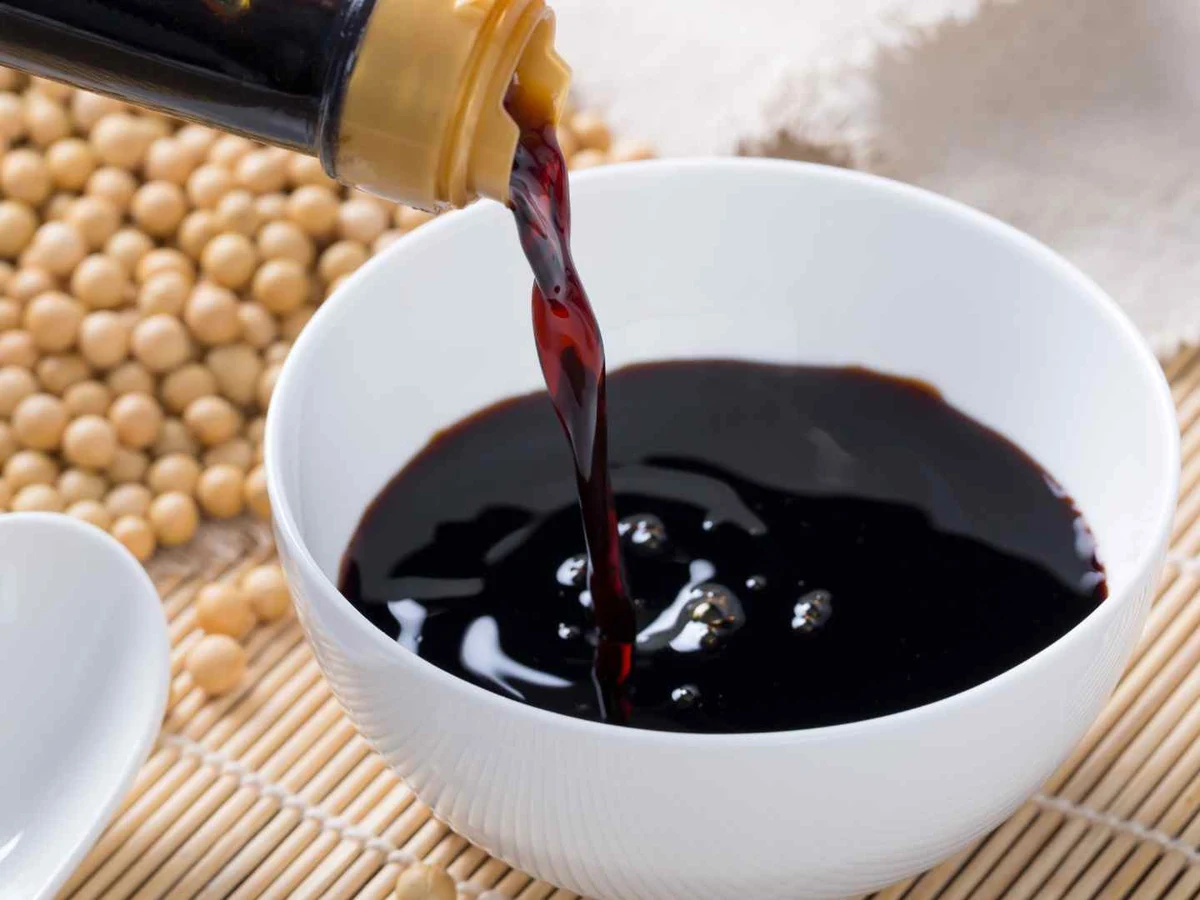
Sodium is the practical headline
Soy sauce contains dissolved sodium that is easy to consume quickly and cannot be brushed away. A tablespoon measure intended for people can represent a meaningful exposure for a small cat.
FDA’s sodium label resource explains how packaged sodium is displayed. Calculate from the actual product and missing volume.
Marked thirst, vomiting, weakness, abnormal walking, disorientation, tremors, seizures, or collapse after a sizeable exposure is urgent. Do not force large volumes of water.
Low sodium is a comparison claim
Reduced-sodium and less-sodium soy sauces contain less than a reference product, not necessarily little sodium. Labels and serving sizes vary by brand and country.
Read milligrams per serving and serving volume. A green cap or light label is not a feline safety statement.
Cats with kidney, heart, hypertension, urinary, or endocrine disease need quicker advice. Their prescribed diet may rely on consistent sodium and fluid intake.
Light and dark describe styles, not safety
Light soy sauce can refer to color and culinary style rather than reduced sodium, while dark soy may add caramel color or sweetener. Terminology changes across cuisines.
Do not choose by shade or thickness. Preserve the exact brand and ingredient panel.
Imported labels may list nutrition in milliliters or per 100 grams. Photograph units so a professional can calculate correctly.
Tamari and gluten-free products
Tamari may contain little or no wheat, depending on formulation, yet it remains a salty soy condiment. Gluten-free labeling answers a human allergen question, not feline suitability.
Cats in an elimination trial must avoid unapproved soy even when no immediate signs appear. A lick can compromise the trial’s interpretation.
The cat tofu guide offers another soy-product comparison, but tamari concentration and salt remain distinct.
Coconut aminos are not soy sauce
Coconut aminos may be marketed as a soy-free or lower-sodium alternative and can include coconut sap, salt, sweeteners, or flavor. The name does not make it cat food.
Read the actual sodium and ingredients rather than assuming every alternative is mild. Some products blend several sauces.
A soy allergy question and a sodium exposure question can coexist. Report both to the veterinarian.
Garlic and onion in flavored sauces
Garlic soy, ponzu, teriyaki, stir-fry sauce, dumpling dip, and marinades may contain garlic, onion, scallion, or powders. Cats are especially susceptible to Allium-related red blood cell damage.
The cat garlic guide covers delayed signs. Call with the recipe before pale gums, dark urine, weakness, or rapid breathing appears.
Soy sauce does not neutralize alliums. Scraping sauce from meat cannot undo absorbed seasoning.
Marinades are mixed exposures
Soy marinades may include raw meat or fish, alcohol, sesame oil, sugar, honey, chile, citrus, garlic, onion, and skewers. Pathogens and foreign objects may outrank the condiment.
Photograph the full bowl and save the recipe. Do not feed rinsed marinated meat to a cat.
The cat sushi guide covers raw seafood, wasabi, nori, and packets. Report the whole meal.
Fried rice, noodles, and soup
Soy sauce commonly saturates fried rice, noodles, ramen broth, dumplings, soups, and casseroles. Salt, alliums, fat, bones, long strands, and hot liquid travel together.
The cat white-rice guide explains why rice is not a blanket bland diet. Soy-coated rice is not plain.
Hot soup can burn, while chopsticks and skewers can puncture. Count utensils before cleanup.
Packets and fish-shaped bottles
Single-serve packets and tiny plastic sauce bottles can be swallowed while coated with food. Torn corners may be sharp, and soft film can obstruct.
FDA’s pet-hazard page supports securing scented packaging. Count every packet and cap.
Leave any film emerging from the cat untouched and seek veterinary guidance because internal attachment can make pulling harmful. Call for vomiting, food refusal, pain, lethargy, or reduced stool after missing plastic.
Dry soy seasoning and powder
Powdered sauce mix, instant noodles, snack coatings, and dehydrated seasoning can be more concentrated before dilution. Dust enters eyes, airways, and paw fur.
Move the cat away without sweeping powder upward, prevent grooming, and call for coughing, squinting, or breathing changes. Save mixing directions.
A dry packet and a prepared cup cannot be compared teaspoon for teaspoon. Report the form.
Bottle spills on fur
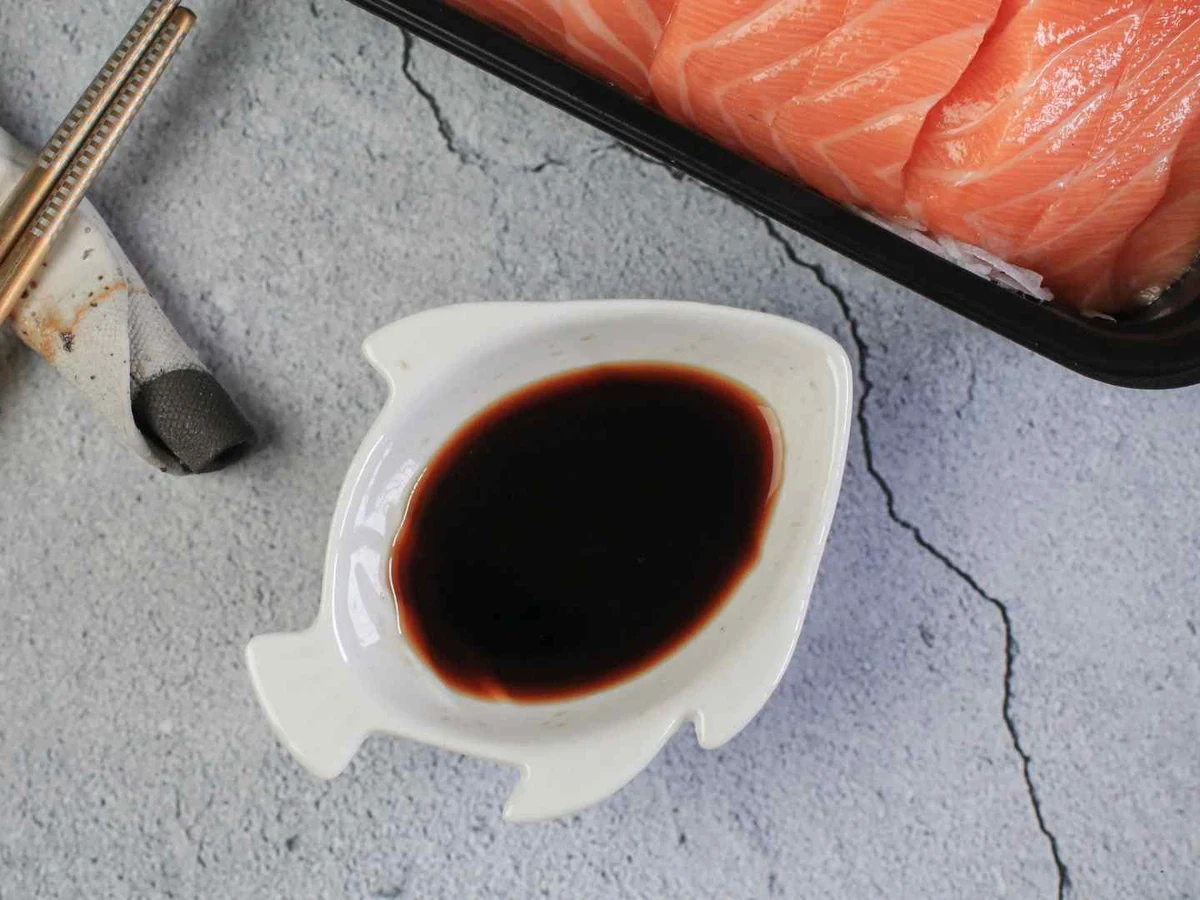
A soy-sauce spill can coat paws, encouraging prolonged grooming. A tiny surface smear can be wiped with a damp cloth, while a large spill or mixed marinade needs cleaning advice.
Do not use scented shampoo, oil, or household cleaner on the cat. Prevent licking during cleanup.
Move food and water bowls before mopping so sauce and detergent do not enter them. Bag contaminated collars until washed safely.
Spoilage and homemade fermentation
Commercial soy sauce is salt-rich and shelf-stable before opening, but flavored sauces, diluted dips, and homemade ferments have product-specific storage requirements. Follow the label.
Mold, unusual gas, leaks, damaged seals, or questionable homemade fermentation requires secure disposal. Do not taste it to decide whether the cat can finish it.
Repeated vomiting, diarrhea, feverish behavior, or marked lethargy after spoiled sauce deserves veterinary advice.
Monitoring after one tiny lick
For a healthy adult that licked one small drop of plain soy sauce, continue normal food and fresh water while watching thirst, vomiting, diarrhea, appetite, gait, energy, and behavior. Keep the bottle.
Call if signs appear, more is missing, or the product includes alliums, concentrate, alcohol, or packaging. Do not compensate by withholding balanced food.
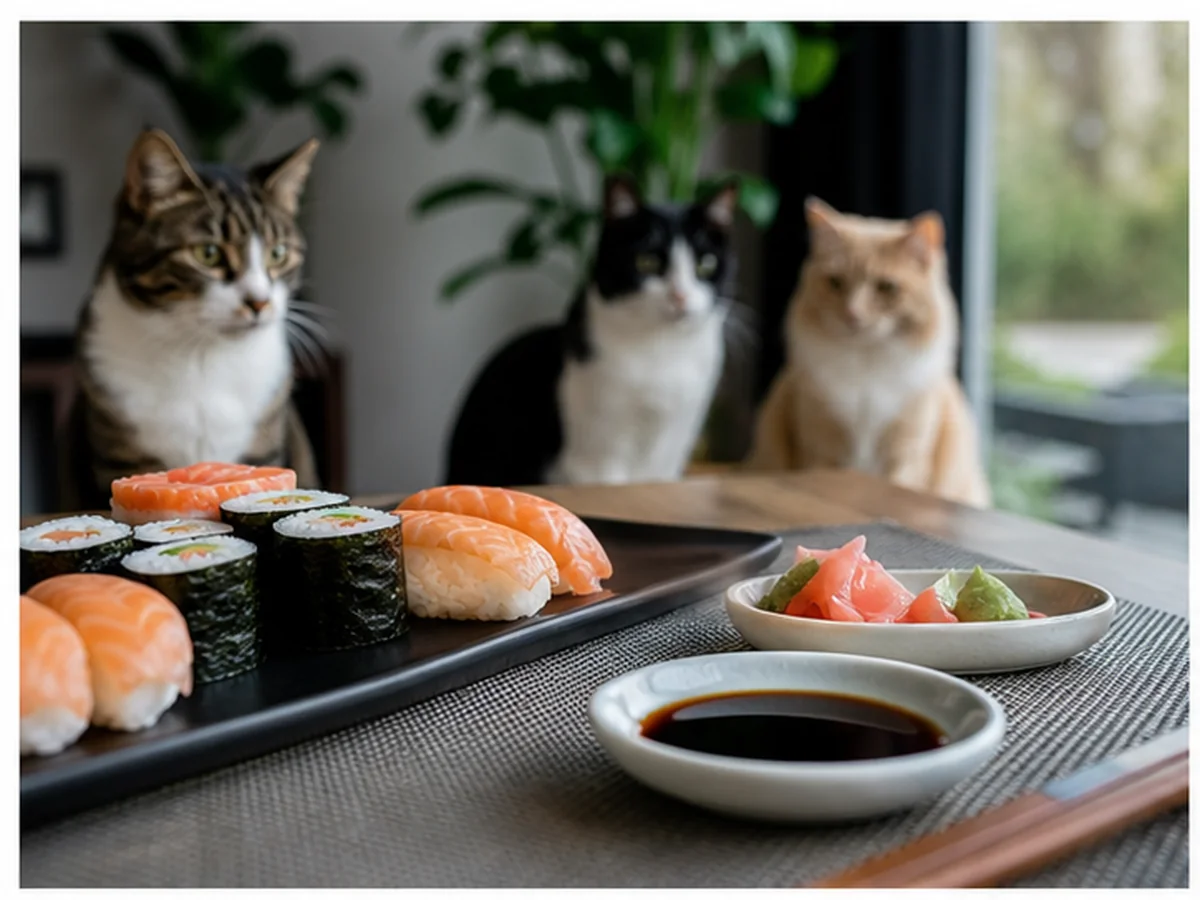
Close packets and clear dipping bowls immediately. The cat does not need a condiment flight, however persuasive the sushi-table stare.
Soy sauce in pet food myths
Soy ingredients can appear in balanced commercial pet food as part of a formulated recipe, which does not justify pouring soy sauce over meals. Ingredient safety depends on form, amount, and total formulation.
Complete food manufacturers account for sodium and nutrient balance across the diet. A human condiment bypasses those controls.
Do not use soy sauce to encourage a sick cat to eat or drink. Appetite loss and abnormal thirst deserve diagnosis.
Allergen and cross-contact questions
Soy sauce commonly contains soy and wheat, and shared restaurant equipment may introduce sesame, fish, shellfish, or other proteins. Cats in elimination trials need strict avoidance of unapproved foods.
A single vomiting episode after a mixed meal cannot diagnose soy allergy. Veterinary trials require controlled ingredients and time.
Facial swelling, hives, collapse, or breathing difficulty is urgent regardless of the suspected protein. Preserve restaurant details.
Several cats at the sushi table
If multiple cats reach one dish, separate them and track thirst, vomiting, appetite, gait, and behavior individually. The cat with sauce on a paw may not have swallowed most.
Report each weight and medical history with the total missing volume. Do not divide the exposure evenly without witnessing it.
Wash shared bowls if sauce or marinade entered them, then offer ordinary fresh water without forcing intake.
Soy sauce used to season pet food at home can also make changes in thirst and urine harder to interpret. Keep flavoring out of the bowl and report abnormal drinking instead.
A cat that stops eating should not be tempted with progressively saltier sauce. Appetite loss itself can become dangerous and deserves timely care.
Keep takeout sauce packets in a rigid closed container until disposal, since a loose packet is both concentrated sodium and an enticing plastic toy.
FAQ
Can cats lick soy sauce?
One tiny lick may be low risk, but soy sauce is highly salted and should never be offered as a treat.
Is low-sodium soy sauce safe for cats?
No. Reduced sodium is relative, and the product can still deliver unnecessary salt or contain other seasonings.
What if my cat drank soy sauce?
Call promptly with the brand, volume, timing, medical history, water access, and symptoms; do not force water.
Is tamari better for cats?
No. Tamari may differ in wheat content but remains a concentrated salty condiment.
Bottom line
Soy sauce delivers sodium in an easy-to-lap liquid, and flavored varieties add alliums, alcohol, chile, marinades, and packaging. One drop and a dipping-bowl raid need different responses, so retain the exact bottle and call early for significant exposure.