Can Dogs Eat Sunflower Seeds? Shells, Salt, Butter, and Mold
Dogs can usually handle a few plain, shelled, unsalted sunflower kernels, but they are not an especially useful everyday treat. Shells, salt, rich flavor coatings, large portions, spoiled seed, birdseed mixes, and sunflower butter with xylitol can turn a simple snack into a very different problem.
Start with the exact form
- A few plain shelled kernels: generally low concern for a healthy dog, although they add fat and calories.
- Seeds still in their shells: watch for gagging, vomiting, abdominal pain, or trouble passing stool, especially after a large amount.
- Salted or flavored seeds: check sodium, garlic, onion, chile, sweeteners, and every other coating ingredient.
- Sunflower butter: read the label for xylitol or birch sugar before doing anything else.
- Old seed, moldy seed, or bulk birdseed: stop access, save the package and lot code, and call your veterinarian if a meaningful amount was eaten.
When the amount is large or uncertain, collect the package, estimate what remains, note the time, and record your dog’s weight and medical history. The phrase sunflower seeds is not enough for a useful risk assessment because products range from clean kernels to heavily seasoned mixes.
Plain kernels are the simplest version
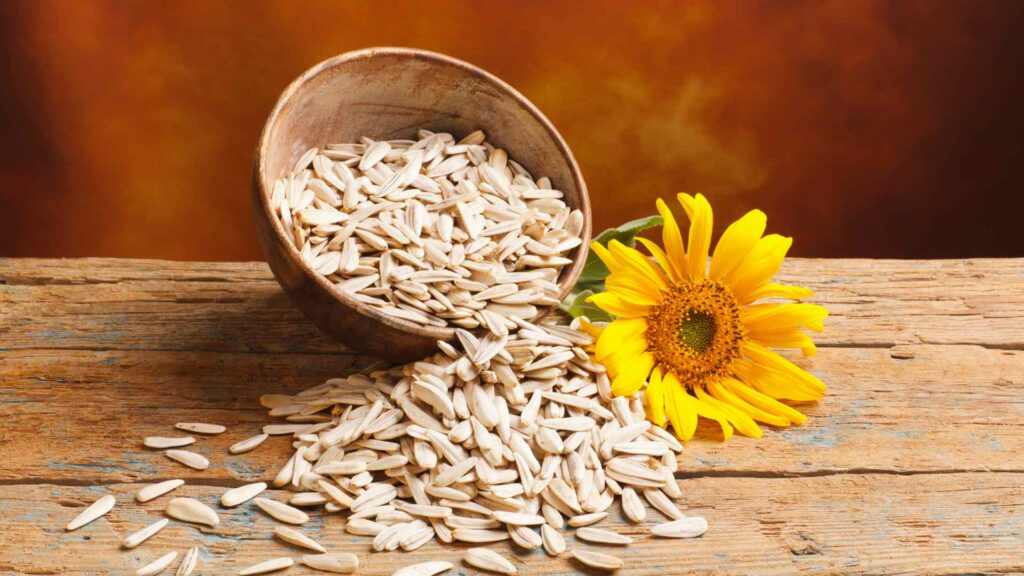
The edible kernel is not generally treated as a canine toxin, and a few fresh unsalted kernels are unlikely to make a healthy dog ill. Some dogs still develop vomiting or loose stool after an unfamiliar or fatty snack, so low toxicity does not guarantee perfect digestion.
Choose human-food kernels sold plain, shelled, and unseasoned if you decide to share any. Remove the portion before adding salt or flavoring, and offer only a few rather than letting the dog eat from the bag.
Sunflower kernels do not improve the balance of a complete dog food simply because they contain protein, vitamin E, or unsaturated fat. A nutrient can be useful in a correctly formulated diet without making the ingredient necessary as a free-poured supplement.
The World Small Animal Veterinary Association treat guide recommends limiting treats to 10 percent or less of daily calories. Small oily seeds can use that allowance quickly, particularly for a toy-size dog.
Shells are not a useful source of fiber
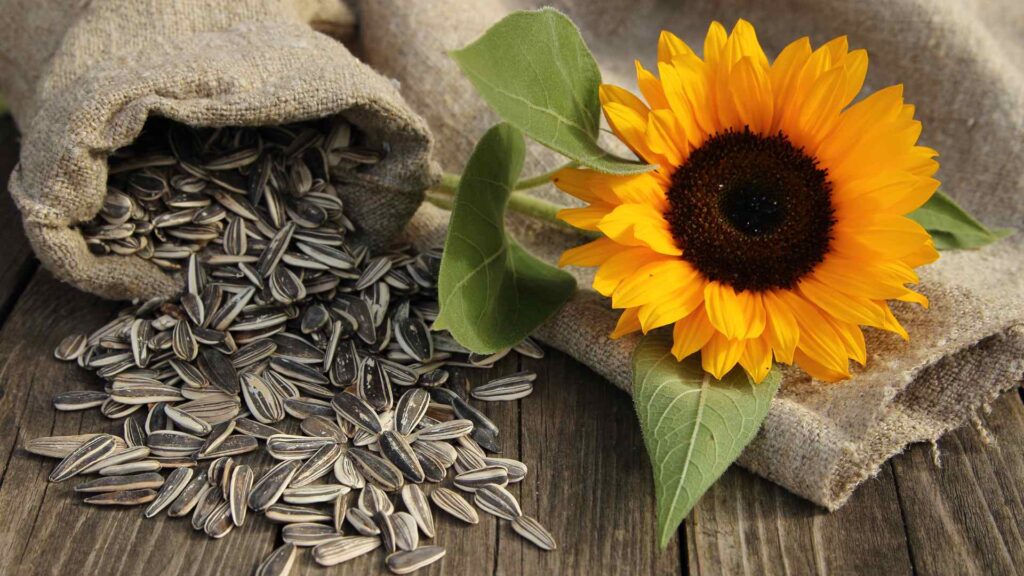
Sunflower shells are tough, sharp-edged, and poorly digested. A few crushed shell fragments may pass, but a mouthful can irritate the throat or stomach and may pack together with other material in the digestive tract.
Do not give seeds in the shell to make a dog work for the kernel. Dogs do not neatly split and discard shells like people, and a fast eater may swallow the entire handful.
Call promptly for repeated vomiting, inability to keep water down, a painful or swollen belly, refusal to eat, marked lethargy, gagging, or straining with little stool. Those signs can reflect irritation or obstruction and cannot be sorted out reliably at home.
Packaging matters too, especially zip bags, foil pouches, scoops, clips, and freshness packets. Tell the clinic about every missing nonfood item rather than focusing only on the seeds.
Salted seeds need portion-specific judgment
A single salted kernel is not likely to cause salt poisoning, but a large bag can deliver a substantial sodium load. Small dogs and dogs with heart, kidney, blood-pressure, or fluid-balance problems may have less room for dietary mistakes.
Keep fresh water available unless a veterinarian has given different instructions, but never force water into the mouth. Marked thirst, repeated vomiting, wobbliness, tremors, seizures, weakness, or unusual dullness requires urgent advice.
Our dog and salt guide explains why body size, amount, water access, symptoms, and medical history matter more than a yes-or-no ingredient list. Do not use home remedies to flush sodium out.
Flavor coatings can hide bigger concerns
Barbecue, ranch, dill pickle, chile-lime, garlic, onion, honey-roasted, and candy-coated seeds are multi-ingredient foods. Powder sticks to every kernel and shell, so brushing off the visible coating does not create a plain product.
Garlic and onion can damage canine red blood cells, including in powdered forms, while hot pepper may cause drooling and digestive irritation. Chocolate coatings, raisins, macadamia nuts, and alcohol flavorings introduce still different toxicology questions.
Save the ingredient panel and call when a concerning ingredient appears in a meaningful or unknown amount. Our guide to garlic powder explains why delayed signs make waiting for illness a poor screening plan.
Fat and calories still count
Sunflower kernels are calorie-dense because they contain substantial fat. A generous handful can cause vomiting or diarrhea and may be a poor choice for dogs with previous pancreatitis, high blood fats, obesity, or a prescribed low-fat diet.
The Merck Veterinary Manual pancreatitis overview describes vomiting, weakness, abdominal pain, dehydration, and diarrhea among possible signs. A large seed raid plus those signs deserves veterinary assessment, not a trial of fasting or human medicine.
A dog with belly pain may pace, hunch, guard the abdomen, or stretch with the front end down. Do not press hard on the belly or give ibuprofen, acetaminophen, aspirin, or leftover medication.
Our sunflower oil guide covers the same calorie and fat concerns in an even more concentrated form. Switching between kernels and oil does not create a coat treatment or a free nutritional bonus.
Mold and poor storage change the answer
Seeds stored in warm, damp, damaged, or rodent-accessible containers can spoil or become contaminated. A musty smell or visible mold is enough reason to discard them safely, but the absence of visible mold does not prove a suspect batch is clean.
The FDA aflatoxin guidance for pets explains that certain molds can produce toxins capable of liver damage and that toxins may be present even without visible mold. It lists sluggishness, appetite loss, vomiting, jaundice, unexplained bruising or bleeding, and diarrhea among possible signs.
Stop feeding the suspected product, save the original package, lot number, receipt, and a sealed sample, and contact your veterinarian. Do not offer suspect seed to wildlife or another animal just because your dog seems fine.
Bulk birdseed is not a dog snack
Birdseed may combine in-shell sunflower seeds with corn, millet, peanuts, dried fruit, suet, flavoring, medication, or ingredients intended for a different species. Outdoor seed can also collect moisture, dirt, feces, pests, lawn chemicals, and foreign objects.
A few fallen seeds under a clean feeder are different from tearing into a storage sack or eating a moldy pile beneath the feeder. For a large or dirty exposure, call with the brand, ingredient list, lot code, storage conditions, and approximate amount.
The FDA guidance on food exposed to filth specifically includes birdseed and advises discarding products in compromised paper or plastic containers. Secure discarded seed so pets and wildlife cannot raid it.
Sunflower butter requires a label check
Plain sunflower butter is still a concentrated source of fat and calories, and some products add salt, sugar, chocolate, or other flavorings. The first high-stakes check is xylitol, which may also be called birch sugar, wood sugar, or birch bark extract.
The FDA xylitol warning notes that some nut butters contain this sweetener and that dogs can develop rapid, life-threatening low blood sugar. If the label lists xylitol or the ingredients are unavailable, call a veterinarian or animal poison-control service immediately.
Possible signs include vomiting, weakness, difficulty walking, collapse, tremors, or seizures, but do not wait for them. Bring the jar and report the amount missing, product size, time, and dog’s weight.
Our peanut butter label guide uses the same rule because the sweetener, not the seed or nut named on the front, can drive the emergency. Sugar-free does not mean dog-safe.
Skip the coat and omega-6 promises
Claims that sunflower seeds or oil will fix a dull coat, dry skin, itching, inflammation, or hair loss oversimplify canine nutrition. A complete diet already supplies essential fatty acids in planned proportions, and adding one fatty ingredient can add calories without correcting the real problem.
Itching and coat changes may reflect parasites, allergy, infection, endocrine disease, pain, inadequate diet, or grooming problems. Ask a veterinarian to identify the cause before adding seeds, oils, or supplements.
Dogs eating a therapeutic diet should receive only additions approved by the prescribing veterinarian. A small daily extra can defeat a fat restriction, elimination trial, calorie plan, or urinary formulation even when the ingredient sounds wholesome.
What to do after a seed raid
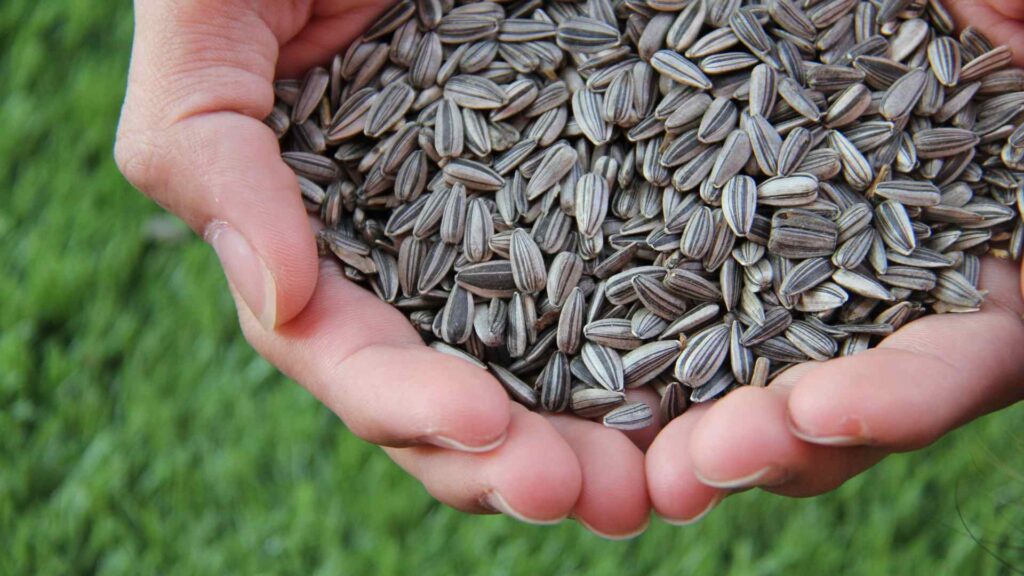
- Secure the remaining seeds, butter, birdseed, packaging, and other pets.
- Identify shells, salt, flavors, xylitol, chocolate, garlic, onion, mold, and every component of a mix.
- Estimate the amount and time, then note your dog’s weight, conditions, medications, and current signs.
- Call promptly for xylitol, a large or unknown amount, suspect spoilage, missing packaging, relevant disease, or symptoms.
- Follow the clinic’s plan and save labels, samples, lot codes, and receipts if contamination is possible.
Do not induce vomiting with hydrogen peroxide, salt, mustard, oil, or fingers unless a veterinarian specifically instructs you for this dog and exposure. Shells, neurologic signs, timing, aspiration risk, and packaging can all change that decision.
Bottom line
A few fresh, plain, shelled, unsalted sunflower kernels are usually low risk, but they are optional calories rather than a health treatment. Shells, salt, flavorings, large portions, xylitol, spoiled seed, birdseed, symptoms, and swallowed packaging deserve proportionate caution.