Can Dogs Eat Tangerines? Flesh, Peel, Juice, and Oil Risks
Most healthy dogs can eat one or two small pieces of peeled, seed-free tangerine flesh, but many dogs are better off skipping it. Sugar and acidity can upset the stomach, while peel, leaves, concentrated citrus oil, sweetened juice, canned syrup, and product packaging create different concerns.
The answer depends on the citrus part
- One or two peeled segments: usually low concern for a healthy dog that tolerates citrus.
- A whole tangerine with peel: call if the dog is small, ate several fruits, swallowed a large peel wad, or develops symptoms.
- Leaves, stems, or tree material: contact a veterinarian because plant material contains more concerning citrus compounds than the edible flesh.
- Essential oil, extract, cleaner, or diffuser liquid: treat as a concentrated product exposure and call promptly.
- Juice, canned fruit, dessert, or cocktail: assess sugar, sweeteners, alcohol, flavorings, and every other ingredient.
Save the label or a sample and report the amount, time, dog’s weight, symptoms, and medical conditions. Do not describe concentrated oil as just tangerine because that wording can seriously understate the exposure.
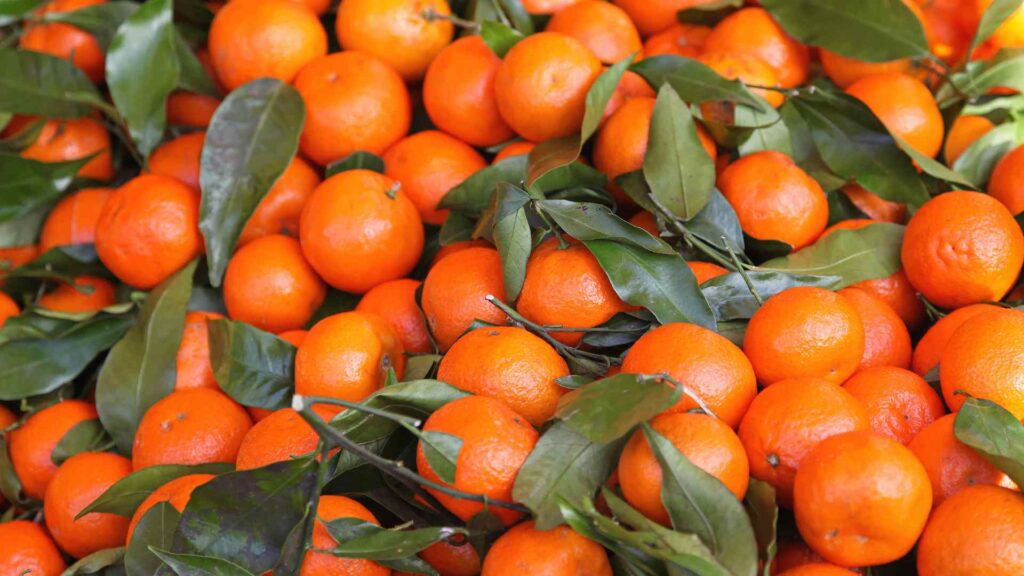
Tangerine, mandarin, clementine, or orange?
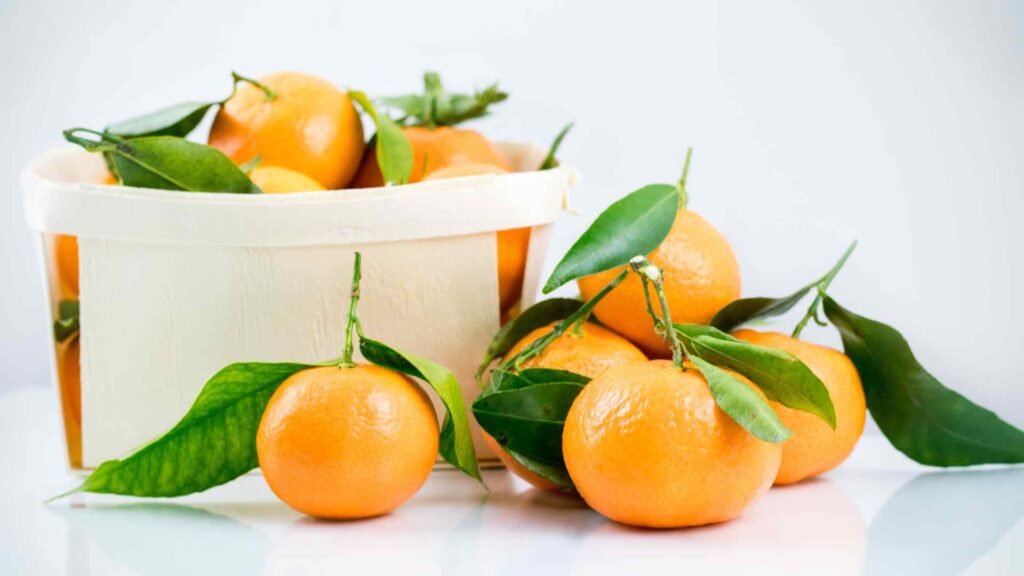
Tangerines are a type within the broad mandarin citrus group, and grocery naming can vary by cultivar, season, and brand. For a dog owner, the useful distinction is not the marketing name but flesh versus peel, plant material, juice, oil, or a multi-ingredient product.
This guide focuses on the typical small, loose-skinned tangerine and the practical questions created by its peel, size, acidity, and common packaged forms. Our mandarin orange guide covers the wider category, while the orange guide handles larger sweet oranges and general citrus comparisons.
You do not need a botanical identification to respond safely to a supermarket-fruit theft. Collect the sticker or bag, determine which parts disappeared, and use the most concentrated or obstructive part to set the urgency.
A little flesh is usually the low-risk part
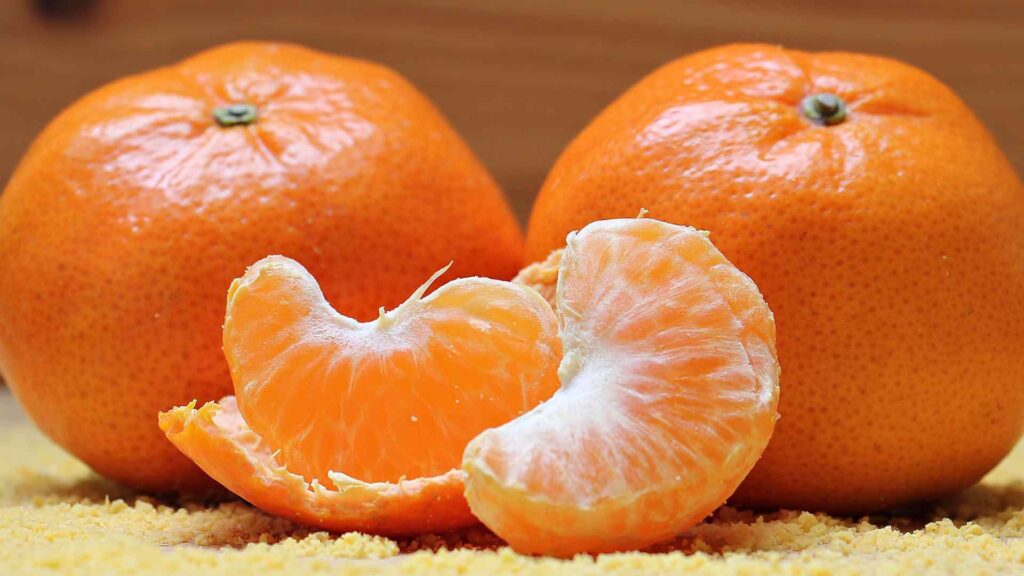
The juicy inner flesh is less concerning than the peel, leaves, or essential oil, and a small taste is generally tolerated by a healthy dog. Remove peel, tough pith, seeds, stem, sticker, and any mesh or plastic packaging before offering a piece.
Start with one small segment or less, depending on dog size, and do not offer more if the dog dislikes the smell. Citrus is optional, and turning it into a test of enthusiasm benefits nobody.
Possible mild reactions include lip licking, drooling, gas, soft stool, vomiting, or refusal to eat. Repeated vomiting, marked weakness, abdominal pain, collapse, tremors, or inability to keep water down requires prompt veterinary assessment.
Sugar and acidity limit the usefulness
Tangerine flesh contains natural sugar and organic acids, which are not poisons in a small serving but can be hard on a sensitive stomach. A whole fruit is a much larger snack for a small dog than it looks in a human hand.
Dogs with diabetes, obesity, chronic digestive disease, dental disease, or a prescription diet should receive fruit only with veterinary approval. Even a low-fat fruit can conflict with a calorie target, carbohydrate plan, elimination trial, or gastrointestinal diet.
The World Small Animal Veterinary Association treat guide recommends keeping all treats to no more than 10 percent of daily calories. Tangerine pieces belong inside that allowance, not on top of it.
Acidic foods may be unpleasant for dogs with nausea, reflux-like signs, oral sores, or sensitive teeth. Do not use citrus to stimulate appetite when a dog is ill because appetite loss deserves a cause-specific plan.
Peel and pith are not just extra fiber
Tangerine peel contains aromatic citrus oils and is tougher to digest than the flesh. One small chewed scrap may cause only drooling or stomach upset, while several whole peels can create a larger irritant load and a physical blockage concern.
The white pith is less oily than the colored outer rind but remains fibrous and unnecessary. Peel the fruit completely rather than deliberately feeding pith for fiber.
The ASPCA people-food guidance explains that citrus stems, leaves, peels, fruit, and seeds contain varying amounts of citric acid and essential oils that can cause irritation and, with significant ingestion, possibly depression. The amount and plant part matter, so that broad warning does not make one peeled segment equivalent to a bag of rinds.
Call for repeated vomiting, a painful or swollen belly, refusal to eat, marked lethargy, or inability to keep water down after peel ingestion. Do not induce vomiting unless a veterinarian specifically directs you, especially when a large wad or packaging may have been swallowed.
Seeds, stems, leaves, and trees
Commercial tangerines may be seedless, but inspect each segment because seeds still occur. A couple of tiny seeds are not usually the main toxicology concern, yet there is no benefit to feeding them and a handful adds unnecessary plant material.
Leaves, twigs, blossoms, and stems contain aromatic compounds and are not equivalent to edible flesh. Dogs that chew a citrus tree may also encounter fertilizer, pesticide, mulch, sharp wood, irrigation supplies, or fallen moldy fruit.
The ASPCA orange plant entry identifies essential oils and psoralens as toxic principles and notes that skins and plant material can cause problems even though fruit is edible. Tangerine-specific cultivar chemistry can vary, so an actual plant exposure deserves product and plant-part details rather than reassurance based on the fruit bowl.
Take photos of the tree, damage, labels, and nearby garden products, then call when a meaningful amount of plant material was eaten. Do not wait for vomiting, diarrhea, depression, skin irritation, or abnormal behavior to become severe.
Essential oil is a concentrated exposure
Tangerine essential oil, fragrance oil, extract, diffuser liquid, and citrus cleaner cannot be compared with fruit flesh by teaspoons. Concentration, carrier ingredients, route of exposure, and the complete formula change the risk.
The Merck Veterinary Manual essential-oil review states that risk rises with concentration and that oils can be absorbed through the digestive tract, skin, lungs, and mucous membranes. It advises against applying concentrated essential oils directly to pets.
Possible signs include drooling, vomiting, lethargy, loss of appetite, abnormal walking, tremors, coughing, wheezing, breathing difficulty, skin irritation, and seizures. Seek urgent care for breathing trouble, collapse, seizures, severe weakness, or rapidly worsening signs.
If oil spills on fur, prevent licking and call for product-specific decontamination advice before bathing. Move a dog with inhalation exposure to fresh air if it is safe, but do not delay veterinary care to clean the room.
Do not induce vomiting after an essential-oil ingestion because aspiration is a concern. Bring the bottle, safety information, and every ingredient to the clinic.
Tangerine juice is not a hydration treatment
Juice removes much of the fruit’s structure and makes sugar and acid easy to consume quickly. Plain water remains the appropriate everyday drink for dogs unless a veterinarian prescribes something different.
Our orange juice guide covers pulp, fortified drinks, sweeteners, cocktails, and package sizes in detail. The same product-level questions apply to tangerine juice, so this article does not pretend the two labels create different hydration benefits.
A lick of plain juice is usually different from drinking a glass, but neither is an immune supplement or hydration treatment. Juice should not be used to prevent or treat infection, dehydration, urinary disease, or any other illness.
Check blends for grape juice, raisins, xylitol, caffeine, supplements, herbal extracts, and alcohol. Call promptly for any dangerous ingredient or when the product is concentrated and the amount is unknown.
Canned tangerines and fruit cups
Canned mandarins or tangerines may be packed in water, juice, light syrup, or heavy syrup, and front labels are not always precise about serving size. Syrup adds unnecessary sugar, while juice-packed fruit still does not become a therapeutic food.
A small drained piece from a product with a simple ingredient list is lower concern than a dog drinking the entire sweetened liquid. Check sugar-free fruit cups carefully for sweeteners and call immediately if xylitol appears.
Metal lids, pull tabs, plastic film, cups, spoons, and torn pouches can cut, choke, or obstruct. Report missing packaging and do not pull material from the rectum.
Desserts, marmalade, and cocktails
Tangerine cake, chocolate, candy, marmalade, sorbet, gummies, sauces, and baked goods may contain large amounts of sugar and fat plus chocolate, xylitol, raisins, macadamia nuts, or alcohol. The citrus flavor may be the least important ingredient.
Cocktails and liqueurs add ethanol, and some mixers contain caffeine or xylitol. Call promptly for more than a tiny lick or any uncertain alcohol exposure, especially in a small dog.
Save recipes, receipts, bottles, and wrappers so the clinician can reconstruct the drink or dessert. Do not use coffee, a cold shower, food, or exercise to sober a dog up.
Mold, fermentation, and compost
Old fallen fruit can mold or ferment, and compost may contain coffee grounds, grapes, onions, garlic, moldy food, skewers, plastic, and other hazards. A compost raid should be assessed as a mixed exposure, not a tangerine snack.
Report tremors, agitation, weakness, vomiting, abdominal pain, abnormal walking, collapse, or seizures immediately. Save a sample or photo only if you can do so safely and without delaying care.
How to offer a small taste
- Choose a fresh, washed fruit and remove the sticker, stem, peel, excess pith, and seeds.
- Offer one small piece of flesh rather than juice, syrup, peel, or a flavored product.
- Serve it plain and count it within the daily treat allowance.
- Stop if the dog dislikes it or develops drooling, vomiting, diarrhea, or discomfort.
- Skip citrus unless your veterinarian approves it for dogs with diabetes, digestive disease, obesity, dental pain, or a prescribed diet.
What to do after an unplanned exposure
Secure the remaining fruit or product, identify every part and ingredient, estimate the amount and time, and check for missing packaging. Call a veterinarian or animal poison-control service for essential oil, plant material, a large or unknown amount, dangerous co-ingredients, medical vulnerability, or symptoms.
Do not induce vomiting or give milk, oil, salt, bread, charcoal, or human medication unless a veterinarian directs you. The right response changes with the product, route, timing, signs, and obstruction or aspiration risk.
Bottom line
One or two peeled, seed-free tangerine pieces are usually low risk for a healthy dog, but the fruit is optional and can cause digestive upset. Peel, plant material, concentrated oil, juice, syrup, mixed products, packaging, and symptoms deserve a separate and more careful assessment.