Can Cats Eat Radishes? Cuts, Leaves, Pickles, and Horseradish
One tiny, thin piece of plain radish is generally low risk for a healthy cat, but its peppery bite can irritate and cats do not need root vegetables. Large cuts, leaves, sprouts, pickles, horseradish, sauces, garden chemicals, and packaging deserve separate attention.
Identify the root and preparation
Save the produce label or photograph the whole root, leaves, plant, and dish. Note raw, cooked, pickled, sprouted, roasted, or sauce form.
A thin plain shaving often needs observation. Call for choking, a large amount, unknown plant, horseradish concentrate, alliums, chemical contact, repeated vomiting, or breathing trouble.
Do not induce vomiting or give milk, oil, or another food as an antidote. Keep the recipe and jar.
Plain radish is low risk but unnecessary
Common garden radish is not recognized as a feline toxin. Its pungent compounds can cause drooling, mouth discomfort, gas, vomiting, or diarrhea in some cats.
The Cornell Feline Health Center emphasizes complete feline diets. Radish vitamins do not create a cat requirement.
If a veterinarian permits vegetable tastes, one paper-thin fresh piece is enough. Many cats will reject it, displaying excellent editorial judgment.
Round slices and whole roots can choke
A coin-shaped slice can lodge flat in the throat, while a small whole radish is a smooth hard object. Quartering does not guarantee a safe cat portion.
A radish choking episode becomes an emergency when the cat cannot breathe normally, develops dusky gums, or loses consciousness. Avoid blind finger sweeps.
Call after a large swallowed piece or later vomiting, appetite loss, lethargy, and abdominal pain. Dental patients should skip radish entirely.
Skin, tip, and texture
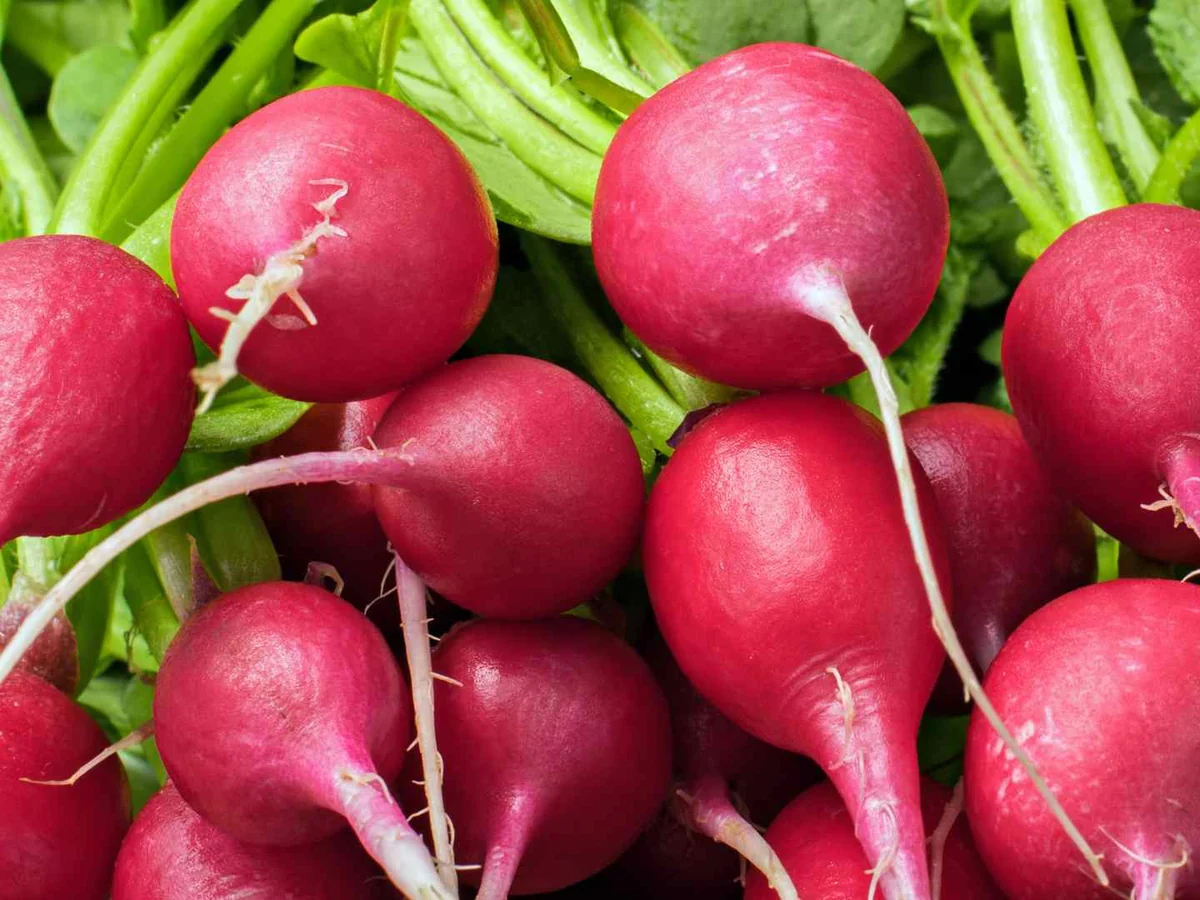
Washed skin is not a known toxin, but it adds firmness and may retain soil or produce residue. The root tip can be stringy.
The FDA produce guidance recommends running water, clean hands and tools, and separation from raw meat.
Remove produce bands, stickers, and ties before cutting. Never wash radishes with soap.
Red, daikon, watermelon, and black radish
Radish varieties differ in size, pungency, skin, and texture. Daikon’s long root and black radish’s firm skin change preparation but not the cat’s need for them.
Do not infer safety from color or a mild human taste. Cut size, seasoning, amount, and the individual cat matter.
The live radish product guide helps recognize types, but dog portions do not define feline advice.
Cooked and roasted radish
Cooking softens the root and may reduce sharpness, but recipes often add butter, salt, garlic, onion, broth, bacon, or cheese.
A soft plain crumb is generally low risk, while seasoned trays require the whole recipe. Allium powder can be mixed throughout.
Hot vegetables can burn the mouth and fur. Cool a minor surface contact with room-temperature water and seek care for blistering.
Leaves and stems
Radish greens are plant material rather than root flesh and may cause digestive upset in quantity. Tough stems can be difficult to swallow.
Photograph an outdoor plant before assuming the leaves belong to radish. Identify pesticide, fertilizer, mulch, and slug bait.
A tiny known leaf nibble may only need monitoring, while large amounts, unknown plants, or chemical exposure deserve a call.
Sprouts and microgreens
Raw sprouts can carry harmful bacteria because their growing conditions favor microbial growth. Cats gain no benefit from sampling trays.
Keep sprouting media, seeds, trays, and nutrient solution away from pets. Report vomiting, diarrhea, feverish behavior, lethargy, or appetite loss.
Microgreen blends may contain several species, so save the seed packet. One green shoot cannot identify the whole tray.
Pickled radishes and brine
Pickled radish may contain considerable sodium, vinegar, sugar, garlic, onion, chili, and color. Brine drinking can deliver more seasoning than a single slice.
The cat pickle guide covers brine, alliums, jars, and lids. Call about large salty exposures.
Extreme thirst, vomiting, weakness, disorientation, tremors, seizures, or collapse is urgent. Leave normal water available without forcing it.
Horseradish is a different root
Horseradish is related botanically but far more pungent and is commonly grated into vinegar, cream, mayonnaise, or sauce. It is not simply a large radish.
Concentrated horseradish can cause intense mouth, eye, airway, and gastrointestinal irritation. Call for drooling, coughing, repeated vomiting, eye pain, or breathing changes.
Do not give milk as a home antidote. Prevent rubbing and seek decontamination instructions.
Wasabi and lookalike products
Many commercial wasabi pastes combine horseradish, mustard, starch, color, salt, and sometimes other seasonings. True wasabi is still a pungent product, not cat food.
Read the exact tube or packet and report every ingredient. Powder can be inhaled or rubbed into eyes.
Move the cat to clean air after a dust spill without sweeping more powder upward. Eye and respiratory signs need prompt care.
Salads, slaws, and tacos
Radish in a mixed dish may arrive with onion, garlic, cabbage, avocado, citrus, cheese, dressing, hot sauce, and skewers.
The ASPCA people-food guidance supports urgent review of onion and garlic because cats are especially susceptible.
Photograph the entire plate and list toppings. A harmless root shaving cannot clear an allium-heavy sauce.
Powdered extracts and supplements
Radish powder, black-radish extract, digestive supplements, and detox products may concentrate plant compounds or add vitamins and other botanicals.
Call with the Supplement Facts panel and missing amount. Never convert a human serving into a feline dose by body weight.
Human liver, gallbladder, or digestive claims do not establish benefit for cats. Medical signs need veterinary diagnosis.
Garden and compost hazards
Radishes pulled from soil may carry fertilizer, pesticide, compost, string, plant stakes, and plastic markers. Compost adds mold and many other foods.
Keep cats away while treating gardens and store chemicals in original containers. Photograph labels after any contact.
Do not assume organic products are safe to lick from paws. Prevent grooming and request product-specific advice.
Packages and knives
Produce bags, rubber bands, twist ties, mandoline blades, pickle-jar glass, and foil seals can injure or obstruct. Clear the prep area before the cat returns.
The FDA household pet-hazard guide supports securing food bags and sharp or swallowable objects.
Call whenever packaging or glass is missing. Do not feed bread to cushion a sharp fragment.
Cats on medical diets
Cats with gastrointestinal disease, kidney or heart disease, dental pain, food allergy, or prescription diets should not receive radish.
Do not use radish as a weight-loss filler. Safe calorie reduction requires a nutritionally complete plan.
Food refusal, repeated vomiting, or abdominal pain deserves care rather than progressively stronger vegetables.
Monitoring a thin plain shaving
Continue regular meals and fresh water while watching drooling, swallowing, appetite, vomiting, stool, energy, and abdominal comfort.
Call if signs persist or include weakness, dehydration, eye pain, breathing changes, or food refusal. Pickles, horseradish, unknown plants, and chemicals need specific advice.
A tiny plain radish shaving is generally low risk, but cut size, pungency, leaves, sprouts, pickles, horseradish, recipes, chemicals, and packaging decide the practical outcome.
Radish chips can be fried, dehydrated, salted, or seasoned with garlic and onion. Their hard edges and concentrated coating make them different from one fresh shaving.
The cat flavored-chip guide offers comparison for salt, allium powder, hard crumbs, and bags when radish chips resemble snack food.
Kimchi containing radish commonly adds garlic, onion, scallion, chile, salt, and fermentation. Do not offer it, and report the full recipe after a theft.
Radish cake and turnip cake may contain rice flour, sausage, shrimp, mushrooms, scallion, sauces, and oil. Menu names can be confusing, so photograph the dish.
A radish garnish on sashimi can be mixed with raw fish, wasabi, soy sauce, and plastic grass dividers. Count every non-food decoration.
The cat cooked-shrimp guide applies only when identifiable shrimp is present. Raw seafood and seasoned seafood need separate advice.
Horseradish mustard combines two pungent ingredients and may add garlic, onion, vinegar, salt, and sweetener. Preserve the jar rather than guessing from heat.
Radish seeds sold for planting can be treated with fungicide or other agricultural products. They are not culinary sprouts and should remain in sealed garden storage.
A whole radish rolling across the floor can become a chew toy that sheds large pieces. Store roots in a closed refrigerator drawer.
If a cat develops drooling after one thin shaving, remove the food and inspect for dental pain or a lodged fragment. Persistent mouth signs deserve examination.
Pink urine is not an expected harmless result of red radish and requires veterinary advice. Do not attribute urinary color to produce without assessment.
Multiple peppery vegetables in a dish can intensify irritation even when no single item is toxic. Report radish, chile, mustard, and horseradish separately.
Radish butter and compound spreads add dairy, fat, salt, herbs, garlic, and onion. A smear on bread should be assessed as a complete spread rather than raw root.
Fermented radish products may continue changing during storage and can build gas inside damaged containers. Discard swollen or leaking packages without allowing the cat to investigate.
A radish stuck beneath furniture can spoil, attract insects, and become moldy. Search for missing whole roots after unpacking groceries.
FAQ
Can cats eat raw radish?
One tiny thin plain shaving is generally low risk, but it can irritate and offers no needed benefit.
Are radish leaves safe?
A tiny known leaf may cause no problem, but tough stems, large amounts, unknown plants, and chemicals warrant caution.
Can cats eat pickled radish?
Do not offer it. Brine, sodium, sugar, garlic, onion, and chili make it unsuitable.
Is horseradish the same as radish?
No. Horseradish is much more pungent and can cause significant mouth, eye, airway, and stomach irritation.
Bottom line
A tiny plain radish shaving is generally low risk, but cut size, pungency, leaves, sprouts, pickles, horseradish, recipes, chemicals, and packaging decide the practical outcome.