Can Dogs Eat Ginger? Forms, Risks, and Safe Use
A healthy adult dog can usually taste a tiny amount of plain fresh ginger, but ginger is not a routine treat or a do-it-yourself medicine. Supplements, concentrated powders, pickled ginger, and ginger-heavy recipes need more caution than a crumb of the root.
If your dog is nauseated, painful, pregnant, taking medication, or managing a bleeding or gallbladder disorder, call the veterinarian before reaching for ginger. “Natural” is a description, not a safety guarantee.
Ginger as food is different from ginger as treatment
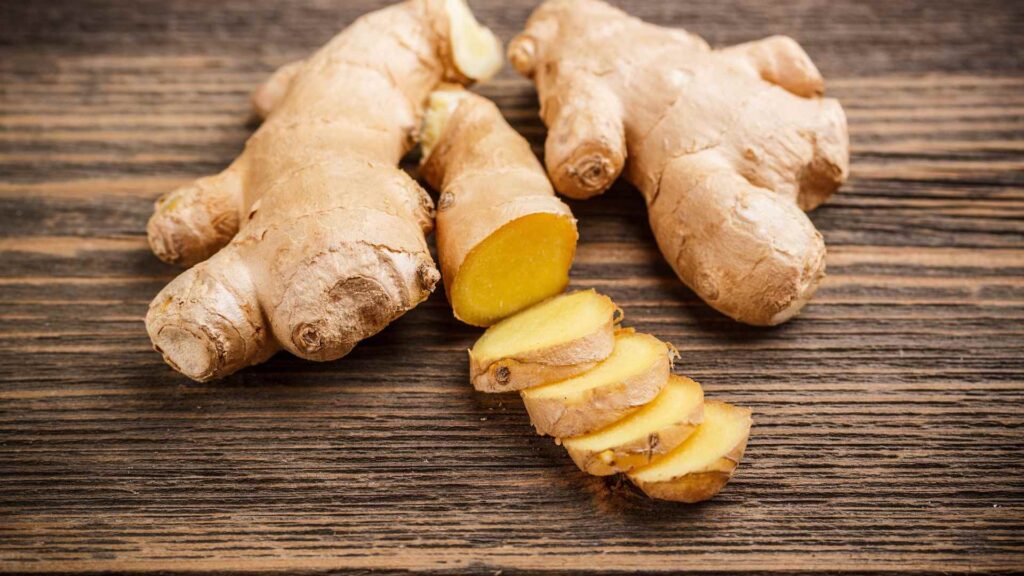
Fresh ginger root and culinary ginger powder can appear in food at very small amounts. Capsules, tinctures, extracts, chews, and essential oils are concentrated products with different ingredients and dosing questions, so they should not be treated as interchangeable.
The most responsible answer separates simple ingestion safety from a health claim. A pinch being unlikely to poison a healthy dog does not prove that ginger will cure nausea, arthritis, inflammation, cancer side effects, parasites, or any other condition.
- Plain fresh root: A tiny taste is generally low-risk for a healthy dog, but too much may irritate the stomach.
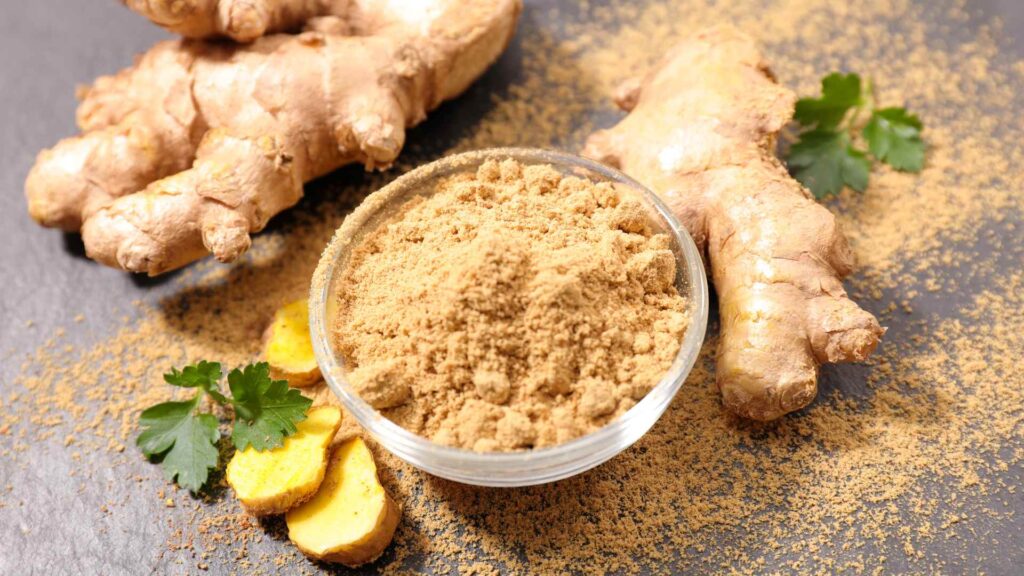
- Culinary powder: More concentrated by volume, dusty, and easy to overdo, so do not let a dog lick from the spice jar.
- Veterinary supplement: Use only with professional guidance that accounts for health history, product, and medication.
- Human supplement or tincture: May contain alcohol, sweeteners, multiple herbs, or a dose unsuitable for a dog.
What veterinary sources actually say
Ginger is used in veterinary herbal practice, particularly around nausea, but the evidence, product quality, and appropriate dose are not identical for every purpose. VCA’s veterinarian-authored ginger monograph stresses that herbal products can cause side effects and that few supplements have undergone rigorous trials.
That same guidance advises avoiding ginger in pets with known bleeding disorders and using caution with pregnancy, nursing, gallbladder disease, anticoagulants, and nonsteroidal anti-inflammatory drugs. Those cautions belong in the conversation before someone sprinkles ginger over dinner for “joint support.”
A veterinarian-reviewed PetMD overview considers tiny amounts of fresh or powdered ginger acceptable for many healthy dogs. It also warns that excess can cause digestive upset and that medicated dogs need veterinary input.
Why human research is not a canine prescription
Ginger has been studied extensively in people, which is often how dramatic claims migrate onto pet blogs. A human clinical trial does not establish a safe canine dose, and a laboratory finding does not prove that kitchen ginger produces the same result in a dog.
If your veterinarian recommends a particular product for a defined problem, ask what outcome to watch, how long to try it, and which adverse signs should stop the trial. That turns “maybe ginger helps” into a monitored plan rather than a vague wellness ritual.
How to offer a tiny culinary taste
For a healthy adult dog whose veterinarian has no concerns, start smaller than a normal human pinch. A single fleck of peeled fresh ginger mixed into regular food is enough to test interest and tolerance without pretending it is a therapeutic dose.
- Wash and peel the root. Remove soil, dry or moldy spots, and the tough outer skin.
- Use a minute amount. Finely grate one tiny fleck so there is no fibrous chunk to gulp.
- Serve it plain. Do not add oil, sugar, honey, salt, or other spices to persuade the dog.
- Introduce it alone. Avoid trying several new ingredients on the same day.
- Watch for a reaction. Stop after vomiting, diarrhea, unusual drooling, appetite loss, itching, facial swelling, or any other concerning change.
Most dogs do not need the experience, and many will dislike ginger’s sharp aroma. Regular kibble, a veterinarian-approved training treat, or a plain piece of cooked sweet potato is easier to portion and less theatrical.
Storage matters with supplements
Keep fresh root refrigerated as you would for human food, and discard moldy, slimy, or badly dried pieces. Store powders and supplements in their original labeled container so an accidental exposure can be identified quickly.
Child-resistant is not dog-resistant, especially when a chew or gummy smells like food. Put bottles in a closed cabinet rather than on a counter, in a handbag, or beside daily medications where a curious dog can swallow several products at once.
Do not transfer capsules into an unmarked organizer shared with human supplements. The product name, concentration, lot information, and ingredient panel are valuable to a veterinarian or poison specialist during an urgent call.
Forms of ginger that should stay off the menu
Pickled ginger
Sushi ginger is prepared with vinegar, sugar, and often salt or coloring. A dropped sliver is usually less concerning than a whole container, but it offers no advantage over plain food and may aggravate a sensitive stomach.
Ginger ale and ginger beer
These drinks can contain sugar, sweeteners, carbonation, caffeine in blended beverages, or alcohol depending on the product. Check the actual label after an exposure, and do not use either drink to treat canine nausea or dehydration.
Ginger candy, chews, and gummies
Candy packages may add chocolate or sugar substitutes, and supplement gummies can contain multiple active ingredients. The FDA warns that xylitol can cause a rapid, profound blood-sugar drop in dogs, so call immediately if xylitol, birch sugar, or wood sugar appears on the label.
Essential oil and concentrated extract
Do not give ginger essential oil by mouth or apply it to a dog without veterinary direction. Concentrated products can irritate, interact with medication, and expose the dog through licking even when the owner intended only a topical use.
Gingerbread is not “ginger for dogs”
Gingerbread, cookies, cake, and holiday houses bundle ginger with sugar, fat, salt, and other spices. Nutmeg, chocolate decorations, raisins, macadamia nuts, and xylitol-containing icing can turn a stolen dessert into a poisoning concern.
The FDA’s household hazard guidance flags chocolate, fatty foods, garlic, raisins, macadamia nuts, salt, and xylitol. Save the ingredient list and call based on the complete recipe, not the comforting word “ginger.”
Our guides to cinnamon, honey, and garlic can help untangle common recipe ingredients. A mixed-food exposure still deserves one veterinary assessment rather than separate guesses for every spice.
Who should not get ginger without veterinary guidance?
- Dogs with a known bleeding disorder or a planned surgery
- Dogs taking anticoagulants, NSAIDs, or several medications
- Pregnant or nursing dogs
- Dogs with gallbladder, liver, kidney, or chronic gastrointestinal disease
- Dogs following a prescription diet or a formal elimination trial
- Puppies, seniors, or medically fragile dogs unless their clinician approves
Tell the veterinarian about every supplement, chew, oil, vitamin, and over-the-counter medicine your dog receives. Herbal products can interact with conventional drugs, and “only sometimes” still counts.
What to do if your dog ate ginger
- Identify the form. Fresh root, powder, capsule, tincture, candy, beverage, essential oil, and baked goods create different questions.
- Save the label. Note all ingredients, concentration, package size, and how much appears missing.
- Check the timing. Write down when the exposure happened and any symptoms already present.
- Call for concentrated or mixed products. Contact a veterinarian, emergency clinic, or animal poison control for supplements, essential oils, xylitol, alcohol, chocolate, medication, or a large amount.
- Monitor a minor plain exposure. Follow veterinary advice and watch appetite, energy, vomiting, diarrhea, skin, breathing, and unusual bruising or bleeding.
Do not induce vomiting or give hydrogen peroxide, activated charcoal, or human medicine unless a veterinary professional directs you. Bring the packaging to the clinic, especially when the product contains several herbs or an unknown proprietary blend.
Urgent warning signs
Seek urgent help for repeated vomiting, collapse, severe weakness, tremors, seizures, difficulty breathing, facial swelling, a painful or swollen abdomen, blood in vomit or stool, or uncontrolled bleeding. A dog that is already ill should not wait for a supplement reaction to “wear off.”
Treat calories still count
Plain ginger contributes little at a tiny taste, but ginger cookies, chews, frozen mixtures, and “wellness bites” can add meaningful calories. The World Small Animal Veterinary Association recommends that all treats stay within 10% of daily calories.
If you need a bland vehicle for medication, ask whether a small spoon of unsweetened applesauce suits your dog and the prescription. Never assume a food is compatible with a drug, and never crush a tablet without checking.
Frequently asked questions
Can ginger stop a dog from vomiting?
Do not use it as a substitute for diagnosis or prescribed anti-nausea medication. Vomiting can signal poisoning, obstruction, pancreatitis, infection, organ disease, or another problem that ginger will not fix.
Can puppies eat ginger?
There is no nutritional need to give a puppy ginger. Call the veterinarian before using any herbal product in a growing dog, and prioritize the complete puppy diet.
Is dried ginger safe?
Culinary powder is more concentrated than fresh root, so a careless spoonful can irritate the stomach. Keep the jar closed and ask a veterinarian before measuring it for a health purpose.
Can dogs have ginger tea?
Skip human tea blends because they may contain caffeine, sweeteners, other herbs, or essential oils. Fresh water is the right default drink unless a veterinarian prescribes something else.
The bottom line
A microscopic culinary taste of plain ginger is usually low-risk for a healthy adult dog, but there is rarely a reason to offer it. Treat concentrated products as supplements, check recipes for genuine hazards, and involve the veterinarian before using ginger for symptoms, chronic disease, pregnancy, or alongside medication.