Can Dogs Eat Green Grapes? Why Every Exposure Is Urgent
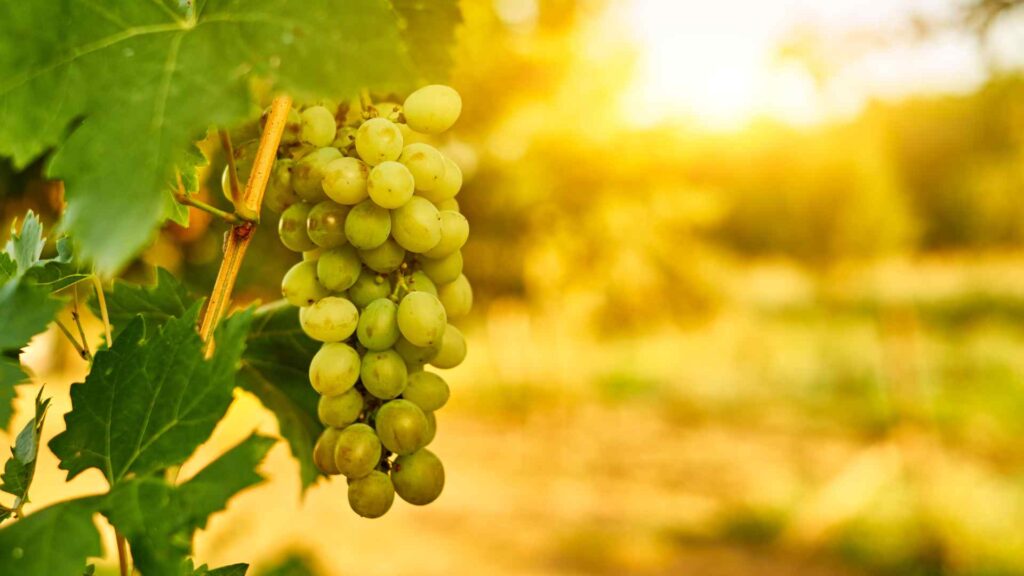
No, dogs should not eat green grapes. Any known or possible ingestion deserves an immediate call to a veterinarian, emergency clinic, or animal poison service because susceptibility and tartaric acid content vary, early bloodwork can be normal, and kidney injury may develop after the dog still appears well.
Treat every green-grape exposure as time-sensitive
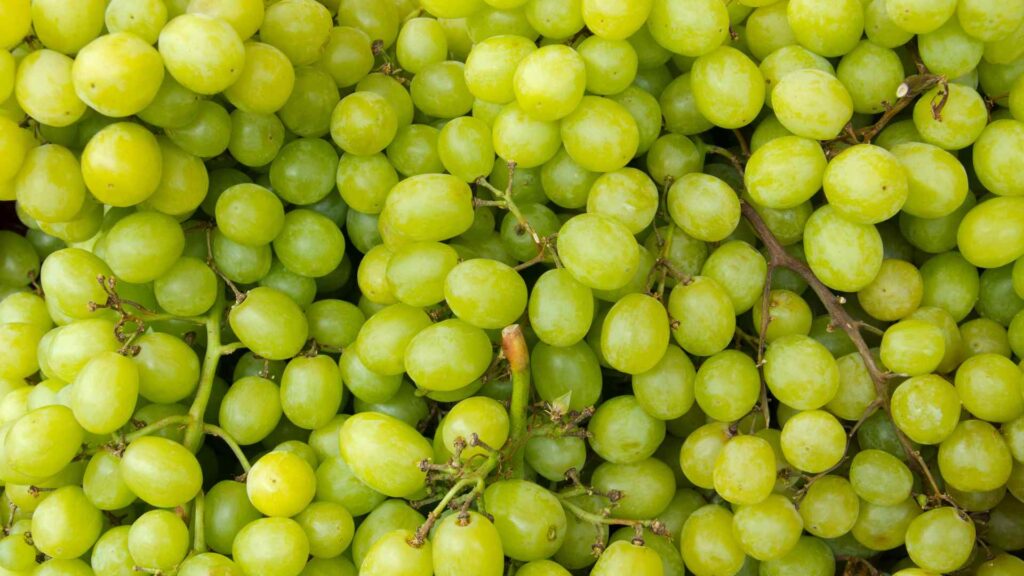
Green grapes belong to the Vitis group associated with acute kidney injury in dogs. The Cornell veterinary grape guide says the exact harmful number is not known and advises treating any ingestion as potentially toxic.
Do not wait to see whether your dog vomits. The best window for a veterinarian to remove fruit from the stomach and decide on monitoring may arrive before obvious illness.
A previous grape raid without symptoms does not prove immunity. Variation between fruit batches and between dogs means yesterday’s outcome cannot make today’s exposure safe.
Why the dose is hard to predict
Tartaric acid and its salt, potassium bitartrate, are the leading suspected toxic principles. Their concentration varies with the fruit, and dogs differ in sensitivity, so a home calculation cannot reliably clear an exposure.
The Merck Veterinary Manual describes vomiting or diarrhea followed by possible kidney failure, with reduced or absent urine production appearing as injury progresses. That progression is why a symptom-free first hour is not reassuring enough.
Small dogs can receive more fruit relative to body weight, but large dogs are not protected. Breed, age, seed status, grape color, and organic certification do not create a safe category.
Green, red, black, seedless, or organic: the answer stays no
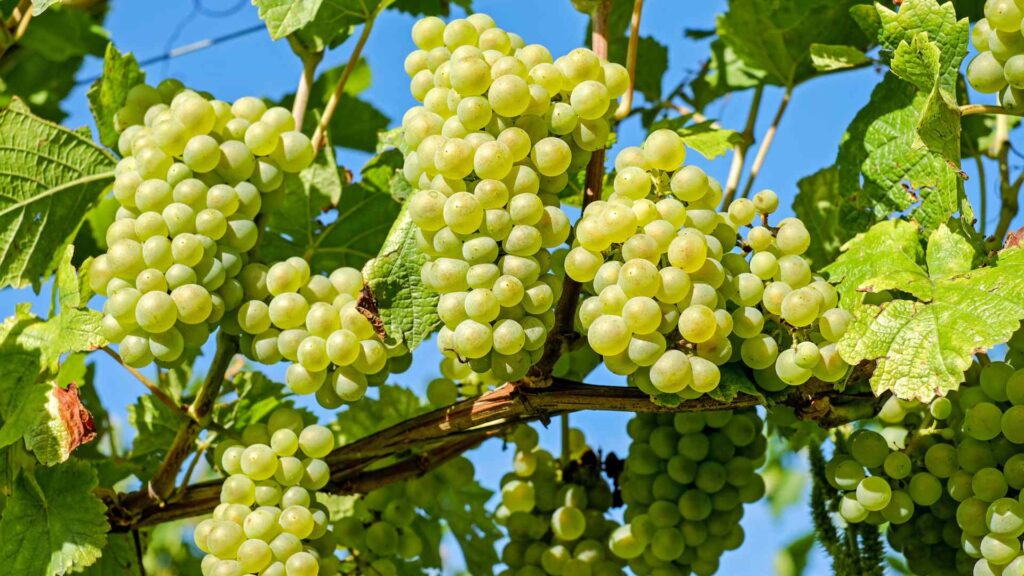
Green grapes are not safer because they are pale, tart, seedless, peeled, washed, or organic. The concern is the Vitis fruit itself, not pesticide residue or seeds.
Home-grown grapes and store-bought grapes both count. Fruit picked from a vine, fallen into a yard, tucked into a lunchbox, frozen as a snack, or roasted in a recipe still warrants the same prompt call.
Cooking does not turn raisins or intact grape pieces into a dog-safe ingredient. Bread, cookies, stuffing, granola, trail mix, cereal, and holiday dishes may hide concentrated dried fruit among less obvious crumbs.
Raisins, sultanas, and Zante currants
Raisins and sultanas are dried Vitis fruit and remain a serious concern; the site’s raisin guide covers concentrated products in more detail. Zante currants are small dried grapes, not the same as true currants from the Ribes genus.
Because dried fruit is compact, a dog can swallow many pieces quickly. Do not use the size of a raisin to dismiss the exposure.
What symptoms can look like
Early signs often include vomiting, diarrhea, loss of appetite, drooling, abdominal discomfort, weakness, or unusual tiredness. Some dogs have no obvious early sign, which is another reason the phone call should come before symptom watching.
Kidney injury may later cause changes in thirst and urination. Urine production can increase initially, then become reduced or stop as injury worsens, while dehydration, tremors, weakness, or incoordination may appear.
You cannot evaluate kidney function by looking at gum color or counting one bathroom trip. A veterinarian may recommend repeated blood tests, urine testing, fluid monitoring, and blood-pressure checks because changes can emerge over time.
What to do right now
- Move the dog away from the fruit and prevent other pets from reaching it.
- Call your veterinarian, nearest emergency hospital, or a veterinary poison service immediately.
- Report the product, estimated amount, earliest and latest possible time, and whether grapes or raisins are visible in vomit.
- Give the dog’s current weight, age, medical conditions, medications, symptoms, and normal kidney history.
- Save the package, recipe, photos, remaining fruit, lot information, and any vomited material requested by the clinic.
The ASPCA Animal Poison Control Center is available around the clock at 888-426-4435, and a consultation fee may apply. Your local clinic may direct you there or coordinate directly with toxicology staff.
If more than one dog had access, give separate weights and possible amounts for each dog. Do not divide the missing grapes evenly unless you actually saw what each dog ate.
Do not make the dog vomit on your own
Do not give hydrogen peroxide, salt, mustard, oil, fingers down the throat, or another home emetic unless a veterinarian specifically directs it for this dog and exposure. Vomiting can be unsafe in a dog that is drowsy, having trouble breathing, seizing, or at risk of aspiration.
Do not give activated charcoal, milk, food, supplements, antacids, or extra water as a substitute for professional advice. There is no proven kitchen antidote to neutralize grape exposure.
What veterinary treatment may involve
There is no specific antidote. For a recent ingestion in a clinically suitable dog, the veterinary team may induce vomiting, then decide whether hospitalization, intravenous fluids, nausea control, and kidney monitoring are appropriate.
Fruit can remain in the stomach for hours, so an older exposure is still worth a prompt call. The veterinary professional needs the timeline to decide whether decontamination might still help.
Baseline laboratory results do not always predict what will happen next. Follow-up testing over the next days may be recommended even when the first values look normal.
Dogs that maintain normal kidney values and urine production generally have a better outlook than dogs that develop reduced or absent urination. Dialysis may be considered in severe cases, but access is limited and prognosis becomes guarded after advanced kidney failure.
Grape products need product-specific thinking
Grape juice, jelly, and seed oil
Cornell notes that grape juice, jelly, grape leaves, grape seed oil, and wine have not been associated with the same toxicosis, likely because processing changes tartaric acid exposure. That does not make every product dog-friendly.
Jelly and drinks can contain high sugar or xylitol, baked foods may include actual raisins, and oils add calories. If the label is unclear or fruit pieces are present, call and let a professional sort out the ingredients rather than guessing.
Wine and fermented grape drinks
Wine raises a separate alcohol-poisoning concern even though it is not treated as equivalent to swallowing fresh grapes. Cocktails can also contain xylitol, chocolate, coffee, raisins, or other ingredients that change triage.
Call promptly after any meaningful alcohol exposure, especially if the dog is wobbly, sleepy, vomiting, cold, weak, or breathing abnormally. Bring the alcohol percentage and amount to the conversation.
Cream of tartar and tamarind
Cream of tartar is potassium bitartrate, and tamarind is another tartaric-acid source implicated in canine kidney injury. Baking powder is a different mixture, so save the exact container rather than relying on a similar name.
A recipe can combine cream of tartar with raw dough, chocolate, raisins, macadamias, or xylitol. Ingredient-by-ingredient triage is safer than calling the entire item a grape product.
Packaging can create a second problem
Produce bags, clamshell lids, skewers, toothpicks, twist ties, and absorbent pads can be swallowed during a food raid. Missing plastic or sharp pieces should be reported even if the exact grape count is known.
Repeated vomiting, retching without producing anything, abdominal pain, a swollen belly, inability to keep water down, or trouble passing stool can indicate more than toxicosis. Foreign-body concerns need direct veterinary assessment.
Preventing the next exposure
- Store grapes and raisins in closed containers inside a refrigerator or latched cabinet, not in an open fruit bowl.
- Keep lunchboxes, backpacks, cereal, trail mix, baked goods, and holiday dishes above a counter surfer’s reach.
- Teach children that throwing one grape to the dog is never a game.
- Check yards for vines and fallen fruit, and block access during harvest or cleanup.
- Secure compost and trash, including discarded stems, raisin boxes, and bakery wrappers.
A refrigerator door left open during grocery unloading is a classic opportunity. Put the grapes away first, then unpack everything else.
Safe fruit swaps are optional treats, not medicine
If you want a fruit treat after the emergency has passed, properly prepared apple flesh, sliced strawberries, or seedless watermelon flesh may fit some healthy dogs. Each needs its own preparation and portion check.
The broader grape safety guide covers the Vitis family, while this page focuses on green grapes. Neither page can replace case-specific advice after an actual ingestion.
Fruit is not required for vitamins, kidney health, hydration therapy, or antioxidant treatment in a dog eating a complete diet. Extras should remain small and should not displace balanced food.
Frequently asked questions
My dog ate one green grape. Should I really call?
Yes. Individual sensitivity and tartaric acid content are unpredictable, so call immediately with the dog’s weight, time, and product rather than waiting for symptoms.
Are seedless green grapes safe?
No. Removing seeds does not remove the Vitis fruit concern, and seedless varieties still require prompt professional advice after ingestion.
What if the grape was cooked?
Call if an actual grape or raisin was present. Heat should not be assumed to make Vitis fruit safe, and the dish may contain other hazardous ingredients.
My dog looks normal. Can I monitor at home?
Do not choose home monitoring without speaking to a veterinarian or poison professional. Early appearance and initial tests can be normal before kidney changes develop.
Can I give water to flush the kidneys?
Leave normal access to water unless a veterinarian says otherwise, but do not force large amounts. Drinking water at home is not a substitute for evaluation or controlled intravenous treatment.
The bottom line
Green grapes are a no-feed food for dogs, and any exposure deserves an immediate professional call. There is no reliable safe grape count, and a symptom-free dog may still need decontamination or follow-up monitoring.
Act first, gather the package and details, and skip home vomiting remedies. Fast, accurate triage gives the veterinary team the best chance to protect kidney function.