Can Cats Eat Melon? Cantaloupe, Honeydew, Watermelon, Rinds, and Seeds
Many healthy adult cats can tolerate one pea-sized cube of ripe, plain melon flesh, but melon is optional. Remove rind and seeds, cut the piece tiny, and avoid whole balls, frozen chunks, canned syrup, salty seasoning, prosciutto, fruit salad, smoothies, spoiled fruit, garden vines, skewers, and packages.
Variety changes flavor more than the cat rule
| Melon | Preparation | Special check |
|---|---|---|
| Cantaloupe | Remove netted rind and seeds | Wash exterior before cutting |
| Honeydew | Remove smooth rind and seed cavity | Do not serve slippery balls |
| Watermelon | Remove rind and every seed | Avoid large wet wedges |
| Galia or muskmelon | Identify ripe flesh and rind | Treat like other soft melon |
| Bitter melon | Different plant and culinary use | Do not transfer sweet-melon advice |
Identify the actual fruit rather than calling every pale cube honeydew. Sweet melon varieties share the same basic method: wash, cut, remove rind and seeds, dice smaller than a pea, and stop after one piece.
A bitter melon, winter melon, horned melon, or ornamental vine may be botanically and culinarily different. Keep labels when the produce is unfamiliar.
Wash the rind before the knife crosses it
Melon rind can carry soil and microbes, which a knife may transfer into flesh. The FDA recommends rinsing produce under running water without soap.
Use a clean board and knife separate from raw meat, dry the fruit, and refrigerate cut pieces promptly. Washing does not rescue a cracked, leaking, moldy, or spoiled melon.
Rind is the main physical hazard
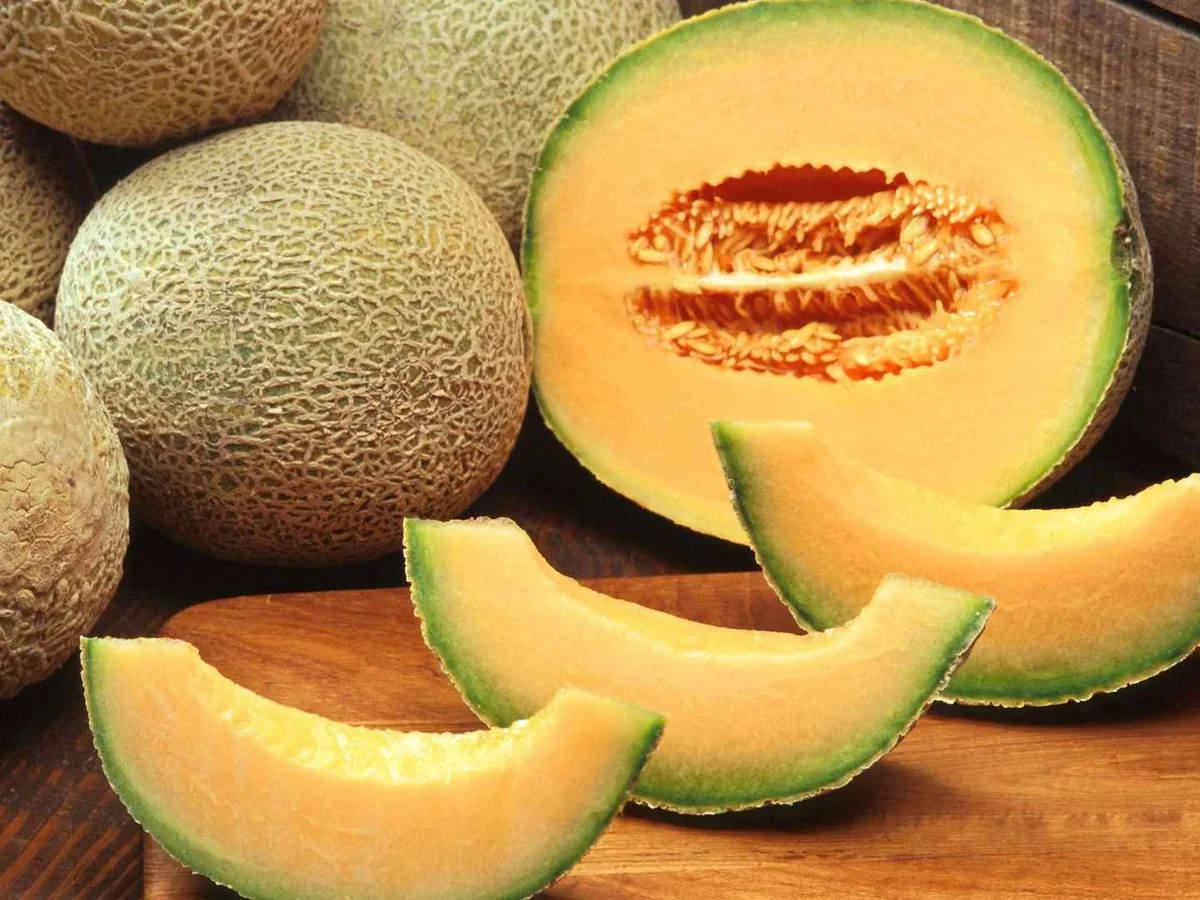
Cantaloupe netting, honeydew skin, and watermelon rind are tough, fibrous, and unsuitable for feline teeth and digestion. A curved strip can choke or obstruct even when a little soft flesh remains attached.
Discard rind directly into a lidded bin. Call for gagging, repeated swallowing, vomiting, belly pain, reduced stool, straining, or food refusal after a piece disappears.
Seeds deserve removal, not panic
Melon seeds are hard and unnecessary, and clusters can be swallowed with slippery pulp. Seedless watermelon can still contain pale immature seed coats, so inspect the cat’s tiny cube.
One small stray seed is not automatically poisoning, but a quantity, a hard object, or symptoms deserves advice. Do not hand over the seed cavity for the cat to excavate.
Round balls are attractive and badly sized
A melon baller creates smooth spheres that can slip toward the throat with little chewing. Quarter and mince any approved piece rather than serving a whole ball or long wedge.
Cats with swallowing trouble, dental disease, missing teeth, or a history of gulping should skip melon. The safest texture is the familiar complete food already matched to the cat.
Water content does not make melon hydration therapy
Fresh flesh contains substantial water, but a cube cannot treat dehydration, urinary disease, kidney disease, heat illness, vomiting, or diarrhea. Those problems require diagnosis and an appropriate fluid plan.
Do not force fruit into a nauseated mouth. Keep normal water available and call for reduced intake, repeated vomiting, weakness, dry gums, or decreased urination.
Sugar is a routine and medical-diet question
A pea-sized fresh cube contains modest sugar, while handfuls, juice, syrup, and dried melon concentrate carbohydrate and calories. Cats with diabetes, obesity, or weight plans need clinician-approved extras.
The FDA adequacy statement identifies staple nutrition. Melon cannot replace meat-based feline requirements despite its human vitamin reputation.
Canned and cup fruit can hide syrup
Prepared melon cups may contain juice, light or heavy syrup, sweeteners, preservatives, grapes, cherries, pineapple, or mixed fruit. Foil lids, plastic film, cups, and forks can become foreign bodies.
Choose fresh plain flesh if any taste has been approved, and retain the package after an accident. The site’s fruit overview helps separate whole fruit from juice, dried products, and blends.
Fruit salad adds grapes and dressings
Party bowls can combine melon with grapes, berries, citrus, pineapple, kiwi, yogurt, whipped topping, alcohol, mint, honey, or sweetener. Skewers and toothpicks often remain hidden below the fruit.
Inventory every ingredient and object before estimating melon. Our grape guide keeps the canine evidence boundary explicit for feline exposures.
Prosciutto-wrapped melon is a salty meat dish
Cured meat adds substantial sodium, fat, preservatives, and seasoning, while picks hold the roll together. Removing the visible ham does not remove salt and grease transferred to the fruit.
Do not offer it, especially to cats with kidney, heart, urinary, or pancreatic concerns. A tiny plain boneless cooked meat treat chosen for the cat is easier to control.
Frozen and dried melon change texture
Frozen cubes are hard enough to challenge teeth and become slippery as they thaw. Dried and candied slices are chewy, concentrated, easy to overportion, and may include sugar, coloring, or preservatives.
Skip both forms. If frozen fruit is used for people, thaw it safely in the refrigerator and keep blender blades, bags, and loose cubes away from paws.
Spoilage deserves attention with cut melon
Cut melon is moist and perishable, so follow refrigeration and discard guidance. Sour odor, fizzing, slime, leakage, mold, or prolonged warm holding makes the product unsuitable.
The FoodSafety.gov cold-storage chart supports safe leftover decisions. Re-freezing or blending cannot restore spoiled fruit.
Garden vines bring chemicals and hardware
Leaves, stems, flowers, soil, fertilizer, pesticide, slug bait, landscape fabric, netting, wire, and plant ties surround homegrown melons. A grocery-flesh answer does not clear chewing the garden.
Photograph the plant and every applied product after exposure. Call for chemical contact, persistent vomiting or diarrhea, neurologic signs, or missing string and ties.
A melon-raid response
- Identify variety, flesh, rind, seed, frozen or dried form, fruit salad, meat wrap, plant, and packaging.
- Save amount, time, recipe, medical history, storage, chemicals, skewers, bags, and current signs.
- Call for choking, rind, objects, grapes, alcohol, garden chemicals, severe symptoms, or a large amount.
- After one tiny plain flesh cube, monitor appetite, vomiting, stool, comfort, and energy.
- Do not induce vomiting, force fruit, or treat dehydration with melon.
For specific soft melons, compare cantaloupe, honeydew, and watermelon articles while keeping the internal-link total within the reader’s useful range.
Serve regular cat food in a puzzle or chilled lick mat when enrichment is the real goal. Melon does not need to become a hobby.
Restaurant garnish can bring hidden tools
A brunch plate may hold carved melon on bamboo picks beside onion-seasoned eggs, cured meat, cheese, alcohol, syrup, and grapes. A cat sweeping the plate can swallow the hardware that nobody remembers counting.
Cocktail melon may soak in spirits or share a skewer with cherries and citrus peel. Call for alcohol exposure, a missing pick, severe sleepiness, wobbliness, slow breathing, vomiting, or collapse.
Buffet fruit can sit warm, receive repeated utensil contact, and collect dropped wrappers or broken plastic. “Fresh-cut” describes preparation, not the storage history after service begins.
If a restaurant exposure occurs, request the current recipe and garnish inventory. Do not rely on a social-media photo that shows last season’s bowl.
Individual reactions should not become a universal claim
Digestive upset, allergy, and appetite
A cat may vomit or develop loose stool after melon because the portion was large, the food unfamiliar, or another ingredient was present. Persistent signs can also reflect infection, obstruction, pancreatitis, toxin exposure, or unrelated disease.
Stop melon for itching, hives, facial swelling, diarrhea, or recurring symptoms. Breathing difficulty or collapse is an emergency, while milder reactions need a complete diet history instead of repeated home testing.
A sudden fascination with sweet fruit can accompany a broader appetite change. Track weight, measured meals, thirst, urine, vomiting, and begging rather than satisfying unexplained hunger with extra cubes.
Weight loss despite increased appetite, marked thirst, or new scavenging deserves veterinary assessment. Melon can distract from the clue while adding calories that make the pattern harder to see.
Precut melon deserves scrutiny at purchase: choose cold intact packaging, follow the use-by date, and reject leaking, swollen, damaged, or poorly chilled containers. Keep the receipt and lot information if illness or a recall may be involved.
A melon that smells sweet is not automatically ripe or safe, and absence of odor does not prove microbial safety. Use storage conditions, damage, date, and spoilage signs together instead of asking the cat to perform quality control.
Melon juice collecting at the bottom of a container can carry microorganisms and a concentrated mixture of fruit residues. Do not pour it onto cat food, particularly after the package has been open for days.
Cats with chronic kidney disease may need individualized potassium, phosphorus, calorie, and hydration strategies that a generic fruit recommendation cannot address. Ask the treating clinician before adding melon as a water-rich topper.
During a food-allergy trial, even fruit can violate the controlled ingredient list or carry cross-contact from a shared cutting board. Use the prescribed diet and approved treats only until the trial is complete.
If appetite is reduced, melon should not become a soft substitute for a complete meal. Call promptly about significant food refusal because cats can develop serious metabolic complications when intake remains low.
Melon-scented candy, gum, vape liquid, and cosmetics are unrelated to fresh flesh and may contain sweeteners, nicotine, medication, fragrance, or concentrated chemicals. Call from the product label and do not let a fruit flavor name lower the urgency of a non-food exposure.
Melon questions from the cutting board
Can kittens eat melon?
Kittens need complete growth food and gain no necessary benefit from melon. Rind, seeds, slippery pieces, and tiny calorie needs make it an avoidable experiment.
Can cats eat watermelon rind?
No. The tough rind can choke, obstruct, or cause digestive trouble, so remove it completely.
Is melon good for dehydrated cats?
It is not treatment. A dehydrated or ill cat needs veterinary assessment and an appropriate fluid and feeding plan.
The melon verdict
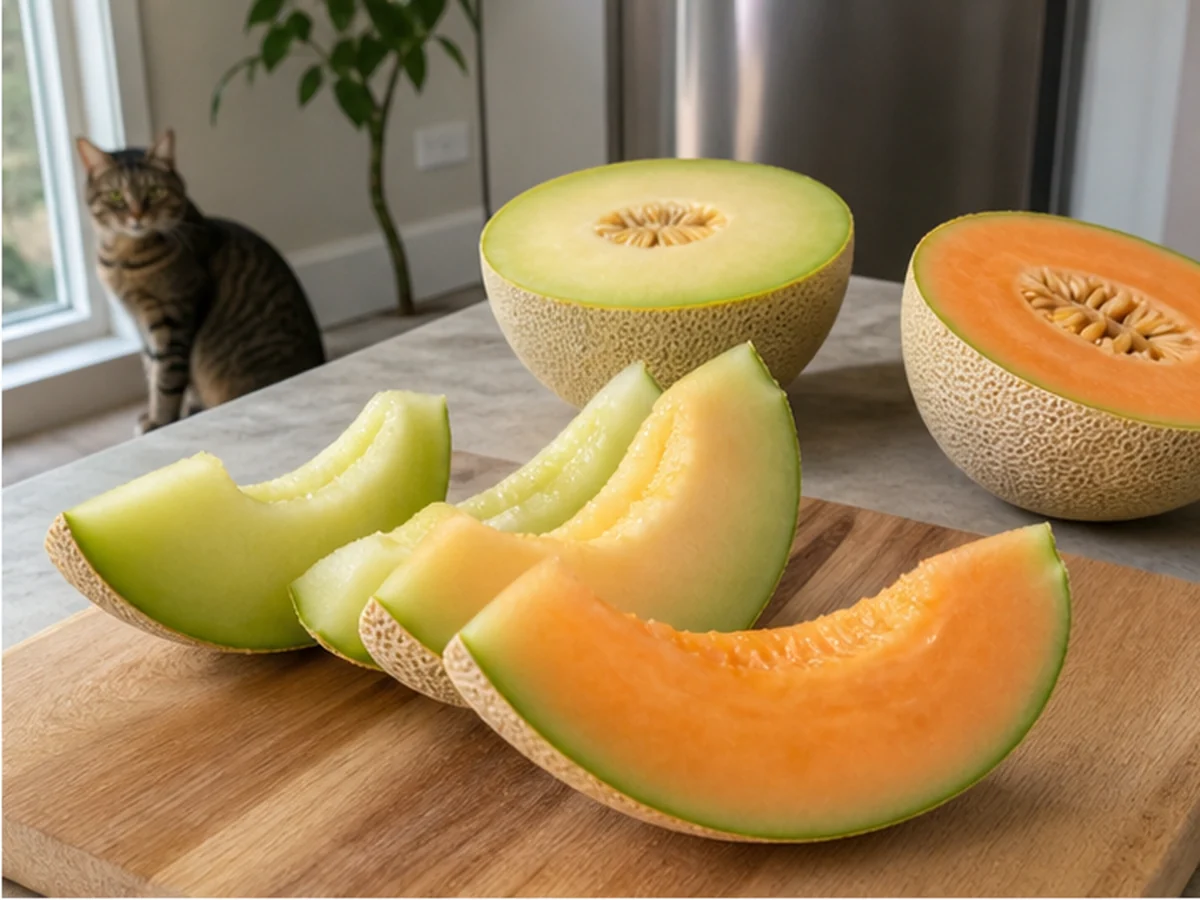
One tiny cube of ripe, seed-free, rind-free melon may be tolerated by a healthy adult, but it is not hydration therapy or required nutrition. Control texture and portion, avoid syrup, mixed salads, cured meat, spoilage, plants, skewers, and packaging, and use the complete diet for everyday feeding.