Can Dogs Eat Ranch? Garlic, Fat, Packets, and Label Risks
One lick of ordinary ranch dressing is unlikely to poison a healthy dog, but ranch is a poor routine treat. Garlic and onion powders, fat, sodium, dairy, specialty sweeteners, concentrated packets, large servings, dipped foods, and swallowed containers change the answer.
Triage by product and amount
- One small lick of prepared ranch: check the label and monitor for digestive upset.
- A cup, bottle, or unknown amount: call if the dog is small, medically restricted, or symptomatic.
- Dry seasoning packet or concentrate: contact a veterinarian because powders deliver ingredients in a compact amount.
- Sugar-free, keto, protein, or specialty ranch: check xylitol and every unusual ingredient immediately.
- Bottle cap, foil seal, cup, packet, or bag missing: packaging creates a separate choking or obstruction risk.
Save the package or recipe and note prepared dressing versus dry mix, amount, time, dog weight, symptoms, conditions, medications, and prescribed diet. Also identify every food dipped in the ranch and each missing container piece.
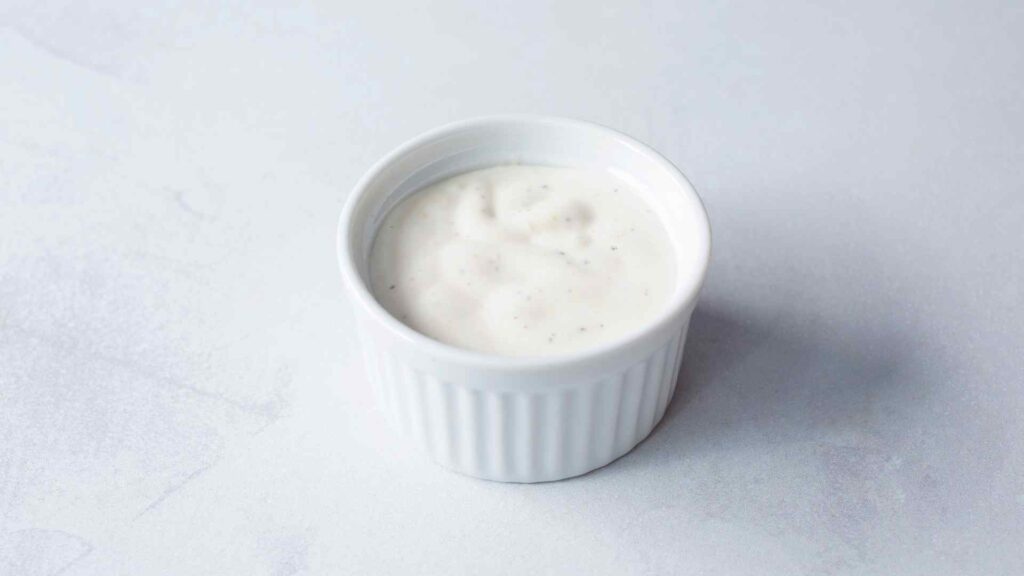
Ranch is a formula, not one food
Prepared ranch commonly combines an oil or creamy base with salt, cultured dairy, vinegar or acid, herbs, garlic, onion, and stabilizers. Bottled, refrigerated, restaurant, homemade, vegan, powdered, light, and shelf-stable products can differ substantially.
The brand name or white color cannot establish safety. Read the complete ingredient list and nutrition panel every time, especially after a reformulation or restaurant order.
A tongue swipe from a plate is often a proportionate monitoring situation because the absolute seasoning amount is small. Emptying a dipping cup, drinking from a bottle, or tearing open powder deserves a more cautious assessment.
Do not add ranch to kibble to tempt a picky dog or make vegetables healthy. A sudden appetite change needs a cause, and dressing adds variables without fixing it.
Garlic and onion powders lead the label check
Many ranch formulas contain garlic powder, onion powder, or both, while homemade recipes may use fresh Alliums. These ingredients can damage canine red blood cells in raw, cooked, and dried forms.
The Merck Veterinary Manual Allium review explains that anemia may take several days to appear. A dog that looks normal after one afternoon is not automatically cleared after a meaningful exposure.
Risk depends on the product concentration, amount, dog weight, repeated exposures, and individual factors. This guide does not invent a universal number of ranch licks that clears every formula.
Call with the label and amount after a packet raid, a large prepared serving, repeated exposures, or uncertainty. Vomiting, weakness, pale gums, fast breathing, rapid heart rate, dark urine, jaundice, or collapse requires prompt attention.
Our garlic powder guide covers delayed injury and the details a clinic will need. Do not wait for anemia and do not induce vomiting on your own.
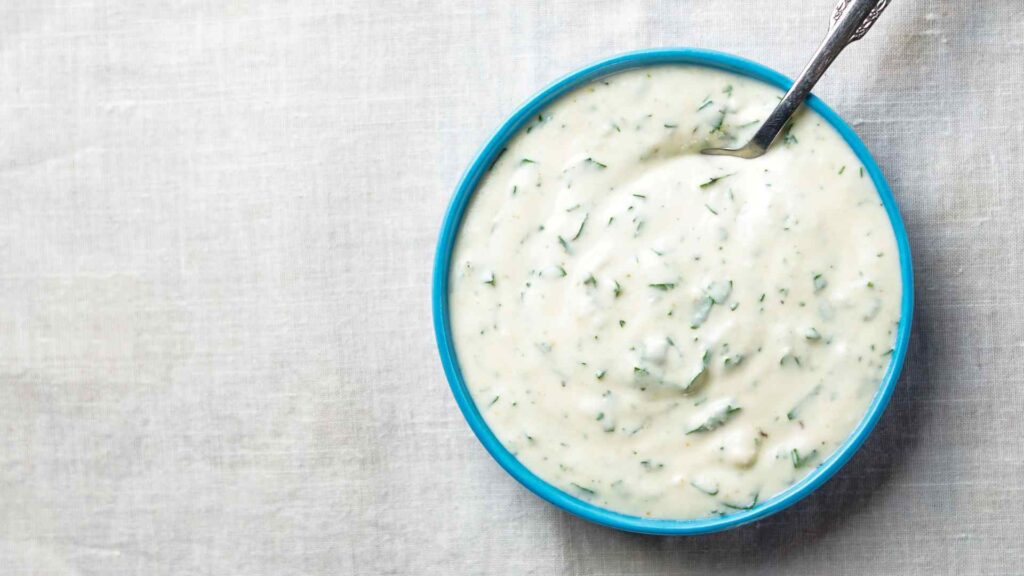
Fat can turn a bottle raid into pancreatitis care
Full-fat ranch is often oil-rich, while restaurant recipes may be based on mayonnaise, sour cream, or buttermilk. Light ranch can contain less fat than another formula without becoming a low-calorie dog food.
A large fatty meal can cause vomiting and diarrhea and may contribute to pancreatitis in susceptible dogs. The Merck Veterinary Manual pancreatitis overview includes appetite loss, abdominal pain, vomiting, weakness, dehydration, and diarrhea among possible signs.
Dogs with prior pancreatitis, high blood fats, obesity, endocrine disease, or a prescribed low-fat diet should not receive ranch. A cup that looks small beside a human meal can be a major calorie and fat exposure for a dog.
Call for repeated vomiting, belly pain, weakness, restlessness, a hunched posture, or refusal to eat. Do not give human pain medicine, withhold food for a long period, or force a home remedy without instructions.
Sodium matters most in quantity and medical diets
Salt appears in both prepared dressing and seasoning packets, and sodium per serving varies. Calculate the maximum servings missing rather than reading one number without the serving size.
Dogs with heart disease, kidney disease, high blood pressure, fluid-balance problems, or sodium-restricted diets need case-specific advice. Reduced sodium is a marketing comparison and not permission to use dressing routinely.
Keep normal access to fresh water unless a veterinarian directs otherwise, but never force water. Marked thirst, vomiting, weakness, wobbliness, tremors, seizures, or abnormal dullness after a large salty exposure warrants urgent care.
Dairy can cause intolerance or allergy
Buttermilk, sour cream, yogurt, and milk proteins may appear in ranch. Lactose intolerance can cause gas, loose stool, cramps, or vomiting, while dairy allergy is an immune reaction to proteins.
Lactose-free ranch can still contain dairy proteins, and dairy-free ranch can still be fatty, salty, or Allium-seasoned. Check the actual formula instead of clearing it by one front-label claim.
Dogs on elimination or hydrolyzed diet trials must avoid unapproved dressing, flavored medicine, treats, and scraps. Our sour-cream guide explains the dairy and rich-dip questions in more detail.
Xylitol and specialty labels
Ordinary ranch does not usually contain xylitol, so owners should not assume every lick is a sweetener emergency. Sugar-free, low-carb, keto, protein, dental, or homemade products still require a careful label check.
Xylitol may be listed as birch sugar, wood sugar, or birch bark extract and can rapidly lower a dog’s blood sugar. The FDA xylitol warning recommends immediate veterinary or poison-control contact after suspected exposure.
Do not wait for vomiting, weakness, stumbling, collapse, tremors, or seizures. Save the product weight, amount left, sweetener position on the ingredient list, and nutrition information.
Vegan ranch may use nuts, seeds, soy, coconut, avocado oil, or gums, while protein ranch may add powders and sweeteners. Plant-based describes ingredients, not canine suitability.
Packets and concentrates are a special case
A dry packet holds salt and seasonings without the water, dairy, or oil used to prepare dressing. A small pile of powder can therefore represent far more concentrated garlic, onion, and sodium than a small lick of finished ranch.
Powder can also irritate the mouth, nose, eyes, and airway if inhaled. Move the dog away from the spill, prevent grooming, and call for coughing, breathing trouble, eye pain, or a meaningful ingestion.
Do not make up the packet with extra water and feed it to estimate tolerance. Save the packet, photograph the spill, and estimate the largest amount that could be gone.
The dipped food may be the bigger problem
Ranch commonly accompanies chicken wings, fries, pizza, chips, fried pickles, bacon, sandwiches, raw vegetables, and salad. Bones, skewers, wrappers, grease, salt, hot sauce, onion, garlic, raisins, and unsafe sweeteners can matter more than the dip.
Chicken-wing bones can choke, splinter, or obstruct, while rich fried food adds fat. A raw carrot with a ranch smear is a different event from a basket of wings and an empty sauce cup.
Our French-fry guide separates one plain fry from salt, seasonings, and large servings. Use the same whole-plate approach for ranch exposures.
Salads may contain grapes, raisins, onion, garlic, macadamia nuts, walnuts, blue cheese, avocado pits, or skewers. Inventory what is missing before deciding dressing is the only issue.
Homemade ranch is not automatically safer
Homemade dressing may use fresh garlic, garlic powder, onion powder, mayonnaise, sour cream, buttermilk, salt, herbs, vinegar, hot sauce, or sweetener. A short ingredient list can still contain concentrated hazards.
Raw egg in homemade mayonnaise adds food-handling concerns, while an old dairy base can spoil. Our mayonnaise guide covers raw egg, fat, aioli, and label differences.
Write down the full recipe, batch yield, and fraction missing. Do not rely on lightly seasoned, all natural, probiotic, or organic as a risk assessment.
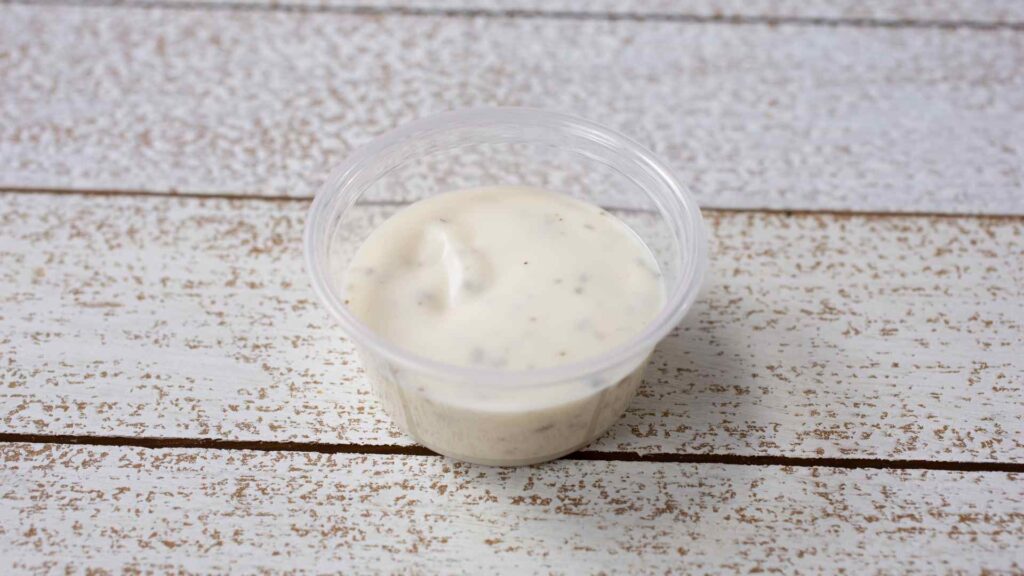
Containers can choke or obstruct
Single-serve cups, bottle caps, foil seals, plastic film, dry packets, pump parts, bags, and tubs may be swallowed during a raid. Greasy containers slide easily and can be difficult to see in a cluttered spill.
Report every missing item and call for gagging, repeated vomiting, abdominal pain, refusal to eat, straining, lethargy, or inability to keep water down. Do not induce vomiting when packaging or sharp material may be present.
Plastic bags can seal around the face and cause suffocation. Cut or secure empty bags and place all ranch waste in a lidded pet-proof bin.
Ranch is not a healthy dressing for dogs
Herbs, cultured dairy, or a vegetable dip context do not turn ranch into a health food. It should not be used for probiotics, calcium, hydration, appetite therapy, medication delivery, coat health, or vegetable acceptance.
The World Small Animal Veterinary Association treat guide recommends keeping treats below 10 percent of daily calories. Ranch spends that allowance on fat and sodium while making portion tracking harder.
Offer plain dog-safe vegetables in small appropriate cuts if the dog enjoys them, or use measured regular food for rewards. A dog that refuses food without dressing needs veterinary assessment rather than escalating toppings.
What to do after a ranch raid
Secure remaining dressing, powder, food, and packaging, then identify the exact formula and maximum amount. Record time, dog weight, conditions, medications, diet, symptoms, and every co-exposure.
Call for a packet or concentrate, large or unknown amount, xylitol, meaningful Alliums, rich-food risk, medical vulnerability, packaging, or significant signs. For one ordinary lick in a healthy dog, label review and digestive monitoring are usually proportionate.
Do not induce vomiting or give salt, peroxide, oil, milk, food, or medication unless a veterinarian directs you. Product concentration and co-ingestants affect the safest response.
Bottom line
One lick of ordinary ranch is usually low risk, but ranch is neither healthy nor useful for dogs. Garlic and onion powders, fat, sodium, dairy, xylitol, concentrated packets, dipped foods, medical diets, and containers deserve closer attention.