Can Cats Eat Cheetos? Cheese Dust, Sodium, and Bag Hazards
One plain Cheeto crumb is unlikely to poison a healthy adult cat, but Cheetos are an unsuitable feline snack. Sodium, fat, cheese powder, onion or garlic seasoning, hot flavors, hard or puffy texture, orange dust, bags, clips, and large portions create more risk than the corn base suggests.
The orange-pawprint investigation
Orange dust on one whisker usually means a crumb; an empty party-size bag with a chewed corner means something else entirely. Before wiping the evidence away, identify the flavor, count what you reasonably can, and inspect the bag itself.
- A tiny original-flavor crumb: offer water and observe.
- Several pieces, spicy flavor, or medically restricted cat: call when symptoms or diet disruption is possible.
- Onion, garlic, caffeine, chocolate, unknown coating, or missing bag material: obtain prompt guidance.
- Choking, breathing trouble, collapse, seizures, tremors, or repeated vomiting: seek emergency care.
Skip home vomiting, forced fluids, and the old idea of pushing bread into the mouth. Keep the exact bag for product-specific ingredient and serving information.
Corn can be an ingredient without making the snack balanced
Corn meal may appear within a formulated cat food, where the finished product supplies a complete nutrient profile. An extruded human snack is designed for crunch and flavor, not feline maintenance.
The Merck nutrition chapter describes cats’ distinctive needs for animal-derived nutrients. A corn snack cannot replace balanced cat food merely because it contains some calories and protein.
Sodium adds up fast
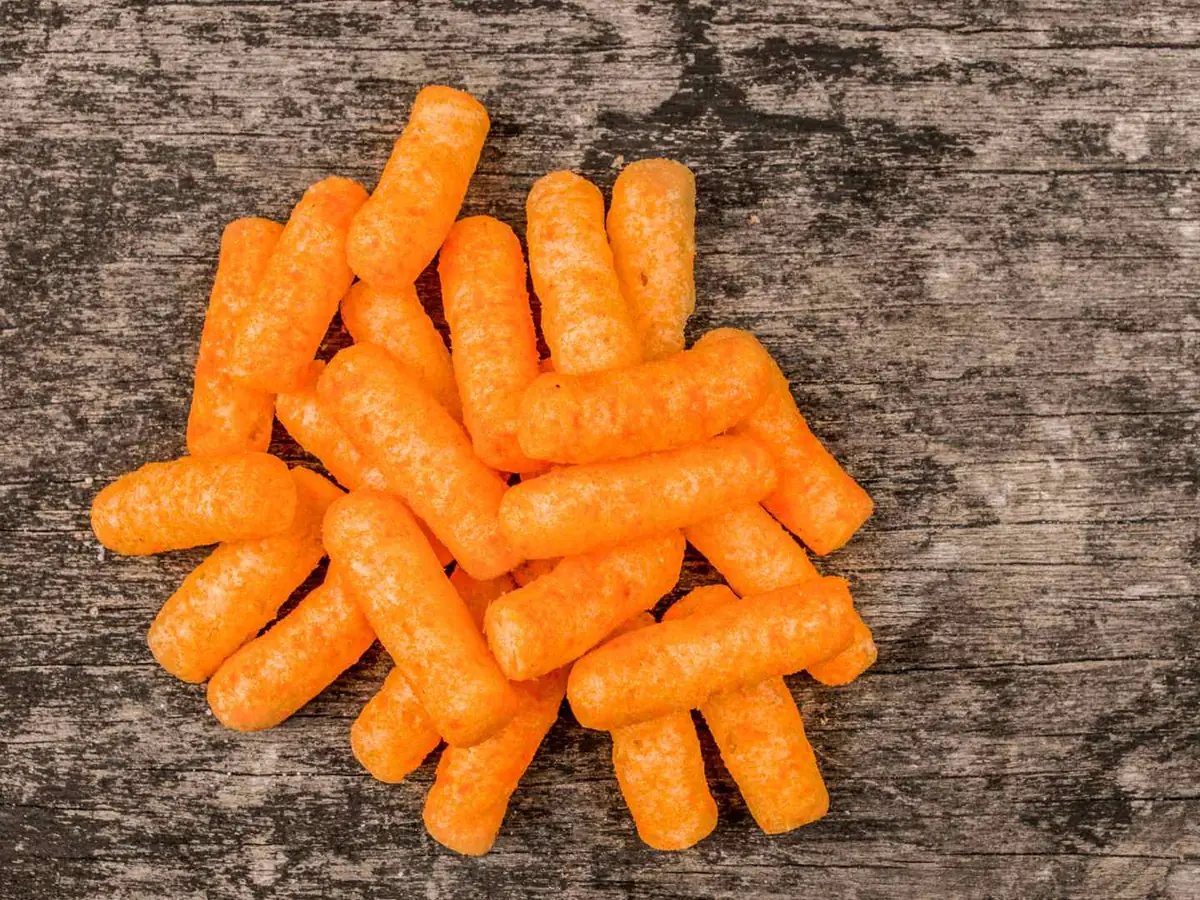
Cheese-flavored snacks are seasoned for human palates and commonly contain substantial sodium. A few pieces are proportionally large beside a cat’s body weight.
The Merck salt toxicosis resource includes thirst, vomiting, diarrhea, incoordination, tremors, and seizures after excessive exposure. One crumb is not salt poisoning, but a bag raid merits a quantity-based call.
Fat and calories are not visible in the dust
Cheetos contain oil and are energy-dense, while cheese powder encourages repeated interest. Regular sharing can contribute to weight gain and displace complete food.
Rich food may also cause vomiting or loose stool, especially in a cat with pancreatic or gastrointestinal disease. The crunchy orange evidence is amusing only until the litter box files its report.
Read the seasoning, not just the logo
Powder can include dairy ingredients, salt, flavorings, colors, acids, and other components that vary by product. The word cheese does not describe the entire coating.
Cats that poorly tolerate dairy may develop digestive signs, though the amount of lactose in a crumb is not equivalent to a bowl of milk. Save the label rather than making a dairy-dose guess.
Onion and garlic may appear in flavors
Flamin’ Hot, barbecue, ranch, pizza, and regional varieties may use onion or garlic powders alongside chili and other seasoning. Powdered Alliums remain relevant to cats.
The Merck Allium review explains red-cell injury and delayed anemia. A meaningful amount containing onion or garlic deserves a professional call even when the cat initially acts normal.
Hot seasoning causes real discomfort
Capsaicin and acidic flavor powders can produce drooling, lip licking, mouth pawing, vomiting, diarrhea, or eye pain after contaminated paws rub the face. Heat level differs across products.
Move the cat during cleanup, wipe paws with plain water, and avoid milk or oil as a home antidote. Persistent coughing, squinting, pain, or respiratory effort needs advice.
Puffs and crunchy pieces pose different physical issues
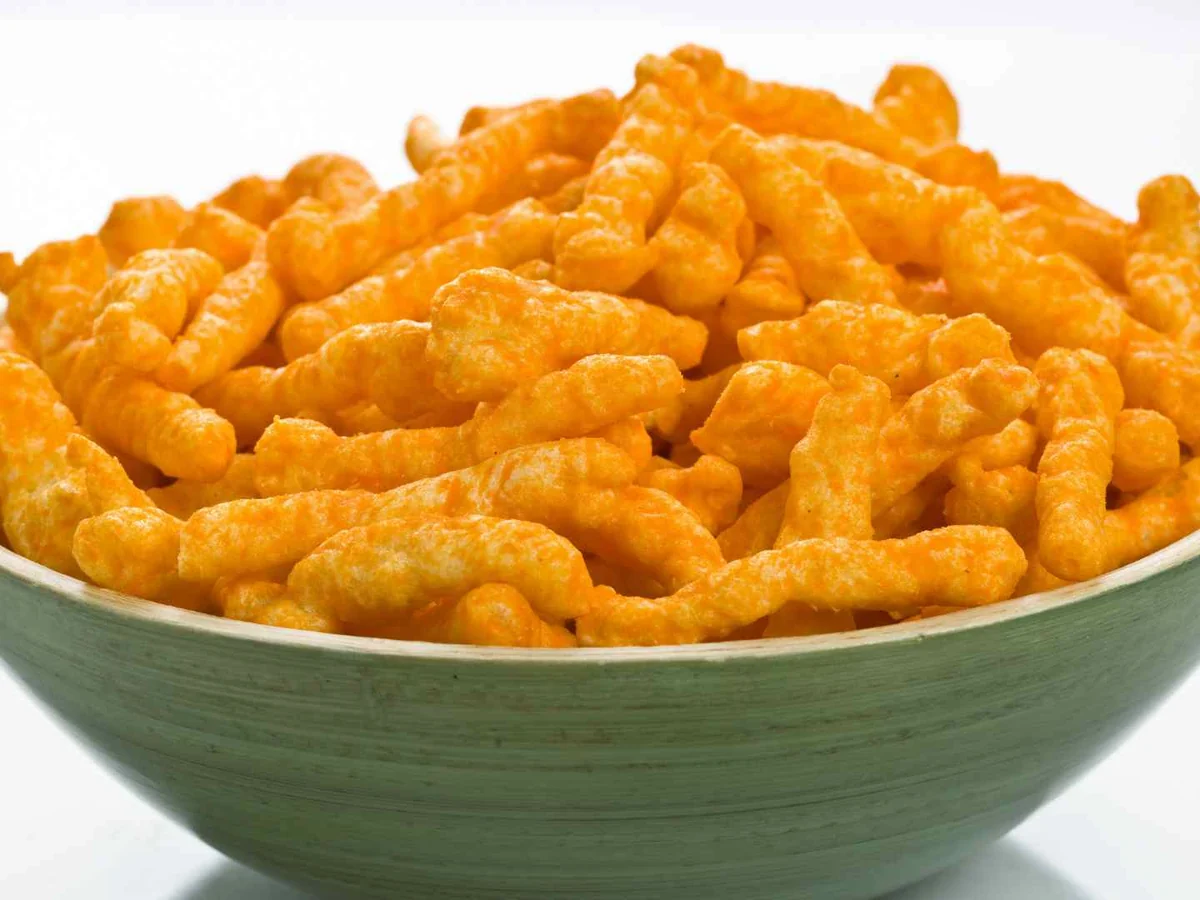
A puffy piece can compress and stick to the palate, while a hard crunchy piece can break into sharp crumbs or be gulped. Cats with dental disease or swallowing problems have less margin.
Coughing, gagging, repeated gulping, drooling, panic, or abnormal breathing is urgent. Never toss a snack for the cat to catch.
Dust on fur means extra ingestion later
Orange powder transfers easily to paws, chest fur, upholstery, and floors. A cat can swallow more during grooming than during the first lick.
Blot and wipe with a damp cloth, then dry gently. Do not use solvent, fragranced wipes, or essential oil on feline skin.
Snack bags can suffocate or obstruct
A cat may put its head into a bag, chew greasy plastic, swallow a torn corner, or eat a clip. Crinkly packaging deserves as much attention as missing snacks.
Store opened food in a rigid cupboard container and discard bags into lidded rubbish. Vomiting, appetite loss, abdominal pain, straining, or lethargy after missing plastic warrants examination.
Party mixes and loaded snacks
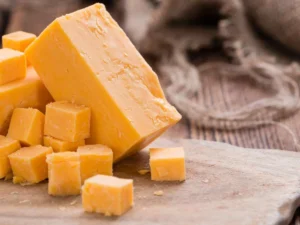
Snack mixes can add chocolate, raisins, nuts, pretzels, popcorn, cheese crackers, and candy. Loaded Cheetos may carry meat, sour cream, jalapeño, garlic sauce, or foil.
Our guides to cheese, popcorn, pistachios, and pepperoni help inventory the bowl. Photograph all labels.
Kittens and therapeutic diets
Kittens need complete growth food and have small mouths and airways. Kidney, heart, urinary, hypertension, allergy, bowel, diabetes, and weight patients need controlled sodium, fat, calories, or ingredients.
Do not use Cheetos as pill pockets or appetite toppers. Ask for a compatible feline product when medication needs disguising.
Let the next few hours answer the small questions
Once the orange whisker has been cleaned, let the cat return to normal life while you quietly check appetite, breathing, thirst, activity, and the litter box. One soft stool can settle when the bag stays closed.
Call for repeated vomiting, marked thirst, weakness, gum-color changes, neurologic signs, ongoing mouth pain, or food refusal. State the flavor and amount.
What the package can and cannot tell you
The FDA pet-food adequacy explainer shows how complete animal diets are identified. A human snack panel does not establish a safe feline portion or nutritional role.
Cornell’s cat-feeding page supports complete food and restrained treats. Part of the usual ration offers crunch without a neon cleanup.
Baked versus fried-style snacks
A baked label may change oil content, but it does not remove salt, dairy seasoning, starch, flavors, color, or packaging. “Less fat” is a comparison between human products.
The cat gains no nutritional reason to choose either version. A measured feline treat remains simpler.
Colors and orange stool
Food color and cheese powder can stain saliva, fur, or stool, yet black tarry stool, red blood, pale gums, or yellow gums should not be dismissed as snack dye. Photograph concerning changes.
Wash stained fur gently and observe the cat’s behavior. Serious color changes plus weakness or vomiting require veterinary assessment.
Dental pain behind a crunchy habit
Some cats chew enthusiastically despite periodontal disease, while others drop hard snacks and continue eating soft food. Crunch preference cannot rule out oral pain.
Bad breath, drooling, one-sided chewing, face rubbing, or reluctance to eat normal kibble needs an examination. Cheetos do not clean teeth.
Cheetos mixed into recipes
Cheeto-coated chicken, macaroni, casseroles, sandwiches, and novelty desserts add meat bones, raw food, cheese sauce, garlic, onion, hot oil, or wrappers. Assess the whole recipe.
A bright coating makes the snack visible while less colorful hazards hide underneath. Keep restaurant packaging and ingredient information.
Kittens and children sharing snacks
A child may offer several pieces, and floor-level cups can have lids or mixed food. Kittens have narrow airways and little calorie room for greasy crumbs.
Give children a measured container of approved feline treats if sharing is allowed. Adult supervision protects both small hands and small cats.
Do not compensate by skipping meals
After a stolen snack, resume the normal measured diet unless the veterinarian advises otherwise. Prolonged under-eating can become dangerous for cats, particularly those already overweight.
Record the extra and return to routine. One dietary mistake does not improve through punishment at the food bowl.
Cleaning a powder spill
Keep the cat outside the room, pick up large pieces, then use damp cleaning or a vacuum that does not blow dust around. Wash your hands before touching the cat’s eyes or face.
Open-mouth breathing, persistent cough, or severe eye pain after airborne seasoning is not a wait-and-see situation.
Ingredient formulas vary by market
A familiar brand name can cover different oils, colors, seasonings, and allergen statements in different countries. Online ingredient lists may not match the bag in your kitchen.
Photograph the current package during the incident. Product-specific evidence is stronger than memory from a previous purchase.
Cheetos dust near medication
A tablet dropped into snack crumbs can become coated and disappear, while a child’s medicated food may resemble an ordinary piece. Identify every medicine accessible near the spill.
Call with drug name, strength, missing amount, and time. Do not repeat a scheduled dose until the prescriber advises it.
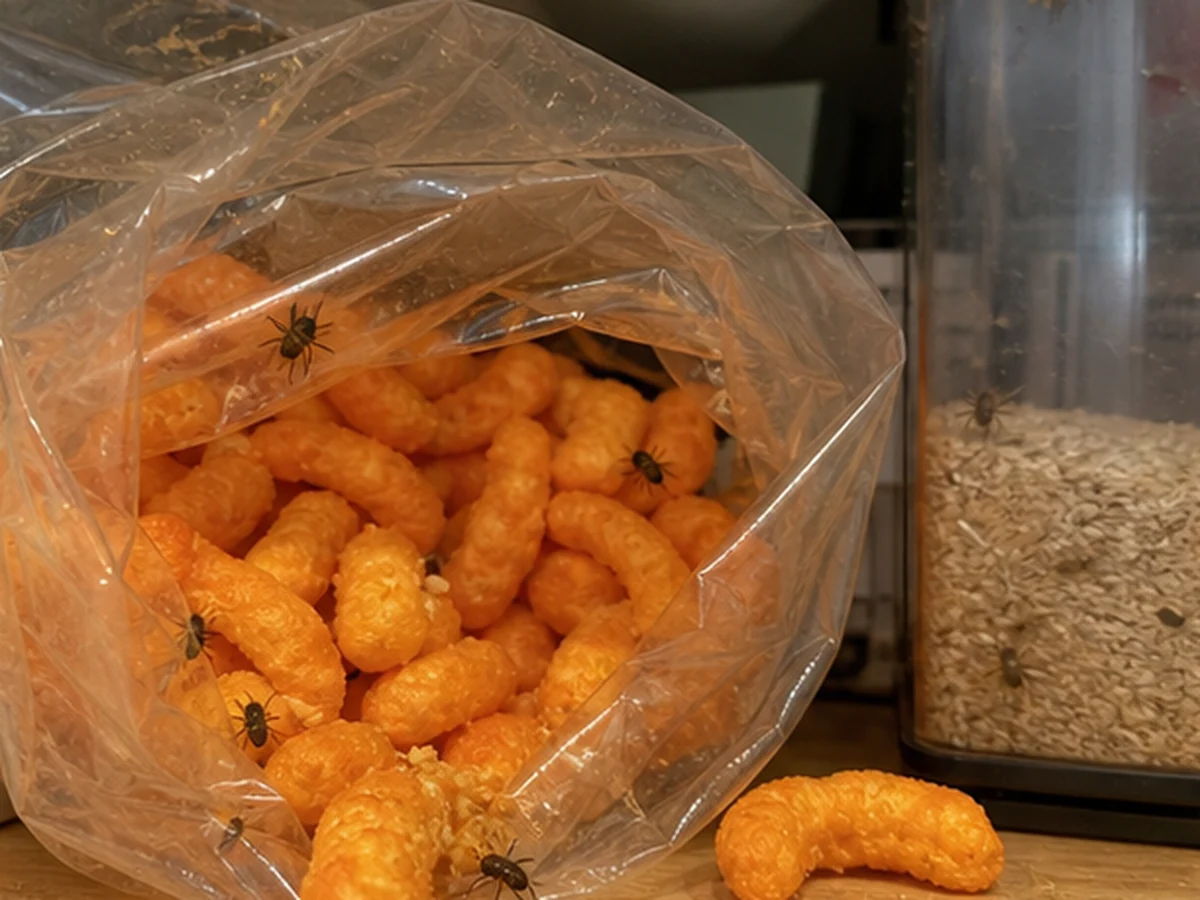
Pantry pests and stale snacks
Opened bags can attract insects or rodents and absorb moisture, while oils become rancid with poor storage. Mold or pest-control chemicals add concern beyond seasoning.
Discard stale or contaminated snacks securely and save pesticide labels if used nearby. Neurologic signs after moldy food or poison access require urgent care.
The whole-piece problem
A puffy snack may seem soft, but it can compact with saliva and adhere to the roof of the mouth. A crunchy piece can fracture unpredictably.
If a whole piece vanished, observe swallowing before assuming it crumbled safely. Respiratory noise or distress warrants immediate transport.
Why water access matters
Keep fresh water available after salty food, but never force a cat to drink. Cats with restricted water or concurrent illness can have a different risk profile.
Marked thirst, repeated vomiting, wobbliness, tremors, or behavior change deserves professional assessment. Controlled correction matters when sodium is clinically abnormal.
Frequently asked questions
Can cats eat Flamin’ Hot Cheetos?
No. Hot seasoning adds avoidable mouth, eye, and gastrointestinal irritation, with possible onion or garlic powder.
Is one Cheeto dangerous?
One original-flavor crumb is usually low concern for a healthy adult, but a whole piece can still be gulped and is unnecessary.
Why does my cat lick cheese dust?
Fat, salt, dairy aroma, novelty, and attention can attract cats. Interest does not signal a nutritional need.
The bottom line
A Cheeto crumb is seldom a crisis, but sodium, oil, dairy seasoning, spicy powder, Alliums, choking, and packaging make the snack a bad feline bargain. Use cat food for rewards and call when amount, flavor, symptoms, or missing plastic raises concern.