Can Dogs Eat Tuna? Mercury, Canned Fish, and Safer Choices
A tiny amount of plain, fully cooked tuna is unlikely to harm most healthy adult dogs, but tuna is not a good routine treat. Mercury varies by species, canned products may add sodium or oil, raw fish carries pathogen risks, and tuna salad or seasoned steaks often contain unsafe ingredients.
Why tuna gets a more cautious answer than many fish
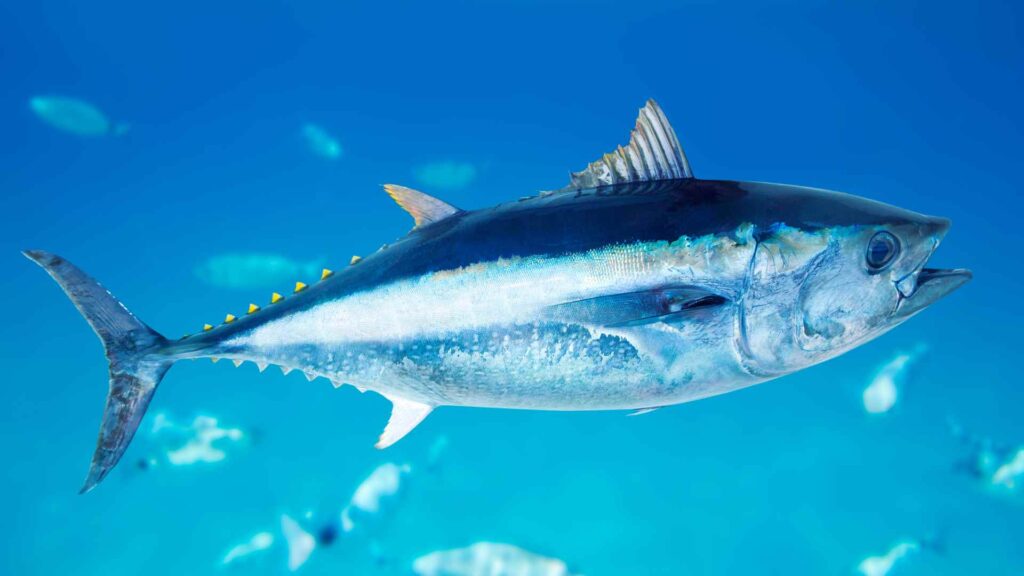
Tuna are predatory fish that can accumulate methylmercury over time, and the word tuna covers species with meaningfully different average levels. A lick from a water-packed can is not the same exposure as regular servings of bigeye tuna.
The question is therefore not simply whether tuna is toxic. It is whether this particular tuna, prepared this way, in this amount, fits a dog whose complete diet, size, health, and other fish exposure are known.
For most dogs, there are easier fish treats with lower mercury concerns. If tuna is already in the kitchen, use a tiny plain portion and resist turning one tolerated taste into a weekly habit.
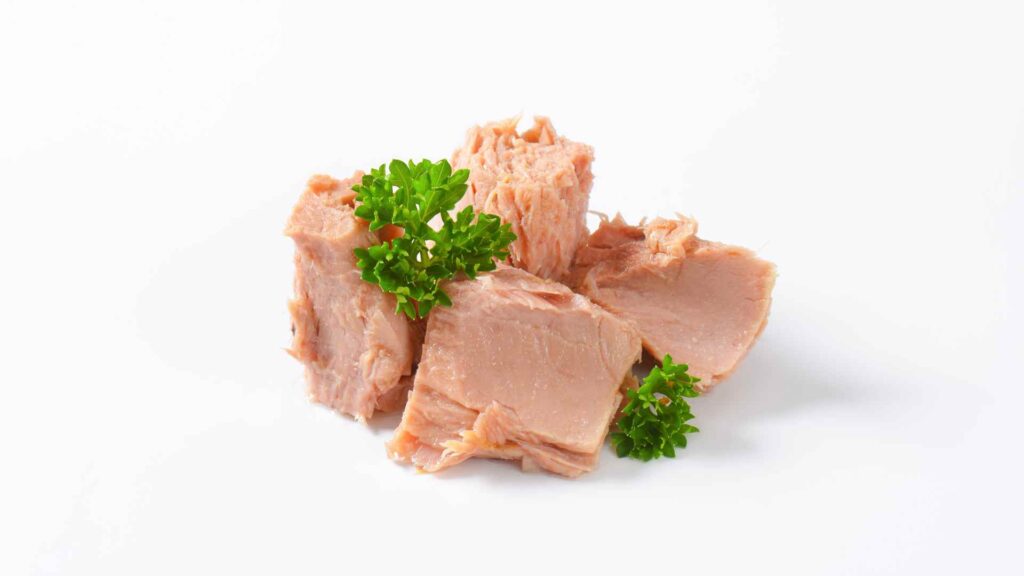
The mercury hierarchy matters
The FDA fish-advice chart classifies canned light tuna, which commonly includes skipjack, as a lower-mercury “Best Choice” for people. Albacore or white tuna and yellowfin sit in a higher-mercury category, while bigeye tuna is listed among the highest-mercury choices to avoid.
Those categories were designed for people, not as dog-feeding instructions, but the measured contaminant differences in the fish still matter. They support choosing canned light over albacore when a dog receives a rare taste and avoiding bigeye as a deliberate treat.
Mercury concern is primarily about repeated exposure and accumulation, not the expectation that one flake produces dramatic poisoning. That distinction keeps a single theft in perspective without turning frequent tuna feeding into a sensible plan.
The Merck Veterinary Manual review of mercury toxicosis notes that predatory species bioaccumulate mercury and that toxic syndromes vary with mercury form, dose, and exposure. A veterinarian should evaluate neurologic, kidney, gastrointestinal, or vision concerns rather than relying on a symptom list to diagnose mercury at home.
A practical tuna decision tree
Canned light tuna in water, no salt added
This is the most defensible pantry option for an occasional taste. Drain it, check the ingredients, inspect for hard bone fragments, and offer only a small flake.
Albacore or white tuna
Albacore generally contains more mercury than canned light tuna, so it is a poorer choice for deliberate feeding. One stolen bite is not automatically an emergency, but do not make it a recurring topper.
Yellowfin or ahi
Yellowfin also falls above canned light in the FDA’s human mercury categories. Cook it thoroughly, remove bones, keep seasoning off, and reserve any dog taste for a rare tiny piece.
Bigeye tuna
Bigeye is among the highest-mercury fish on the FDA chart and should not be selected as a dog treat. Restaurant menus may simply say ahi, so ask which species before assuming it is yellowfin.
Oil-packed tuna
Oil adds fat and calories and can trigger digestive upset after a large raid. It is particularly unsuitable for dogs with pancreatitis, hyperlipidemia, obesity, or a prescribed low-fat diet.
Salted, flavored, or pouched tuna
Pouches may add broth, salt, herbs, chili, lemon, onion, garlic, soy, or sauce. Read the complete ingredient list because the convenient single serving may be far more complex than the fish.
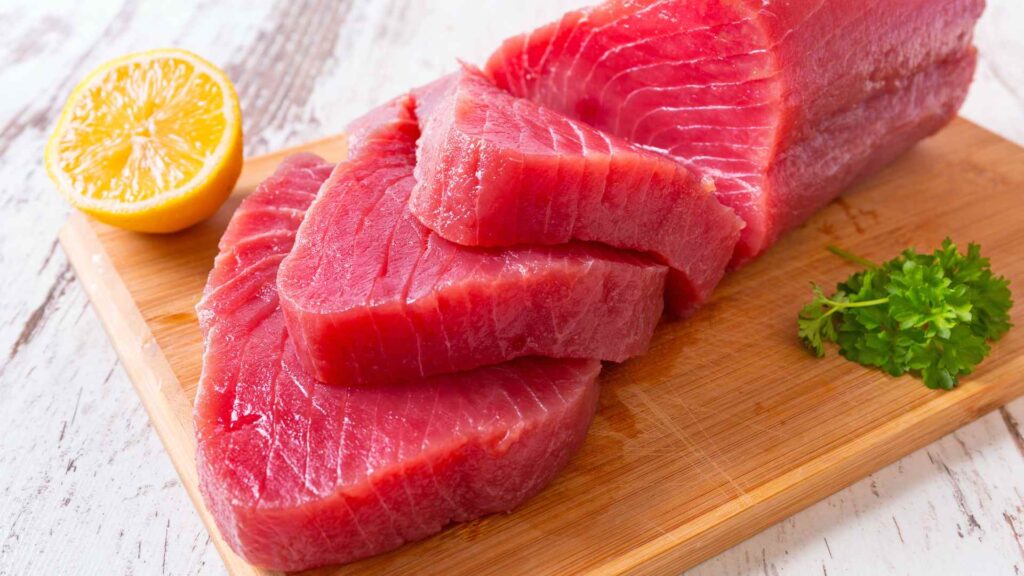
Fresh tuna must be cooked and plain
Bake, poach, steam, or grill tuna without salt, oil, butter, garlic, onion, citrus glaze, pepper crust, or sauce. Remove visible bones and let the fish cool before flaking off a small portion.
The USDA safe-temperature chart lists 145°F, or 62.8°C, for fish and shellfish.
Use a food thermometer at the thickest part rather than relying on color, especially when humans prefer tuna seared rare.
Rare in the center is undercooked for this purpose. Set aside the dog’s plain portion only after it reaches temperature, and prevent raw juices from touching the cooked fish or dog bowl.
Raw tuna and sushi are not safer because they look pristine
Raw tuna can carry bacteria and parasites, and handling it can spread contamination around the kitchen. Freezing and sushi-grade marketing do not convert raw fish into a recommended pet food.
The FDA raw pet-food guidance reports that raw products were more likely than other tested pet foods to contain disease-causing bacteria. Pets can become ill or shed organisms that expose people and other animals.
Sushi rolls add rice, sauces, spicy mayonnaise, avocado, sesame, seaweed, tempura, cream cheese, or other fillings. The tuna name tells you almost nothing about the complete risk of the stolen roll.
Call the veterinarian if a dog eats a large raw portion, becomes ill, or lives with an immunocompromised person who may be exposed through contaminated surfaces or feces. Save the restaurant label or recipe when possible.
Bones, cans, and packaging
Tuna steaks can contain bones, and canned fish can occasionally include fragments. Hard pieces may lodge in the mouth or esophagus, injure the gastrointestinal tract, or contribute to obstruction.
Gagging, drooling, repeated swallowing, pawing at the mouth, refusal to eat, vomiting, abdominal pain, blood in stool, or breathing trouble needs veterinary attention. Breathing difficulty, blue or pale gums, or collapse is an emergency.
The can lid is much more dangerous than the tuna. Sharp metal edges can cut deeply, while pouches, plastic film, seasoning packets, and absorbent pads can be swallowed and obstruct.
Secure the trash immediately after opening tuna. A dog who cleaned the can may have a mouth injury even if the container appears empty.
Tuna salad is a different food
Tuna salad commonly contains onion, garlic, mayonnaise, pickles, mustard, celery, relish, salt, or seasonings. Onion and garlic can damage canine red blood cells, while a rich mayonnaise-heavy batch may cause substantial digestive upset.
Deli recipes are rarely transparent, so do not scrape out visible onion and serve the rest. If the dog raids a container, get the ingredient list and estimate the amount before calling the veterinarian.
Tuna melts, casseroles, pasta salads, and sandwiches add cheese, bread, butter, sauces, and sometimes toothpicks or wrappers. Inventory the whole scene rather than focusing narrowly on mercury.
Sodium is not an all-or-nothing issue
Canned tuna can contain added salt, and broth may contribute sodium even when the product does not taste intensely salty. A no-salt-added water-packed product is easier to fit into a rare taste.
One small bite of ordinary canned tuna is unlikely to cause salt poisoning in a healthy dog with water available. A whole salty multipack, missing access to water, neurologic signs, or a sodium-restricted medical condition changes the urgency.
Rinsing may remove some surface liquid, but it does not reveal the tuna species or erase the label’s sodium. Choosing the right can and a tiny amount is more useful than trying to wash a poor product into a good one.
How much tuna can a dog have?
There is no evidence-based teaspoon table that solves mercury, species, body size, and health in one line. The more honest guidance is rare, tiny, and lower-mercury, with the dog’s veterinarian setting any repeatable portion.
The World Small Animal Veterinary Association treat guide recommends that treats provide no more than 10 percent of daily calories. Tuna shares that allowance with every training reward, dental chew, table scrap, and pill food.
Ten percent is a calorie ceiling, not a mercury-safety guarantee. Even a portion that fits the calorie budget may be a poor frequent choice when the fish is albacore, yellowfin, or bigeye.
For a healthy adult dog trying no-salt-added canned light tuna, one small flake provides the taste without creating a serving tradition. Dogs on prescription diets should receive only foods approved by the treating team.
Tuna is nutritious, but that is not the same as therapeutic
Tuna supplies protein and micronutrients, and some species contain omega-3 fatty acids. A complete dog food already supplies essential nutrients, while a random tuna portion is not standardized for EPA, DHA, calories, or contaminants.
Do not use tuna to treat dry skin, arthritis, cognitive change, poor appetite, anemia, or weight problems. Those signs need a diagnosis, and targeted nutrition requires a product and dose designed around the entire diet.
The claim that excess protein from one tuna snack strains healthy kidneys is too broad. Dogs with diagnosed kidney disease may have individualized protein, phosphorus, sodium, and calorie targets, which is why unapproved tuna still may not fit their plan.
Dogs that should avoid casual tuna treats
- Dogs with kidney, heart, liver, urinary, or gastrointestinal disease on therapeutic diets.
- Dogs with pancreatitis, hyperlipidemia, or prescribed fat restriction, especially with oil-packed tuna.
- Dogs on elimination diets or with a known fish reaction.
- Puppies, whose complete growth diet should not be displaced and whose smaller body size narrows the margin for extras.
- Pregnant or nursing dogs unless their veterinarian has designed the full diet.
- Dogs already eating frequent fish treats or supplements, because total exposure matters.
Senior dogs are not automatically unable to eat one suitable flake, but they are more likely to have conditions or medications that make casual additions unhelpful. Ask before using tuna to tempt a senior dog with new appetite loss.
Food allergy and tuna
Fish can be a food allergen for some dogs, but itching after one meal does not prove tuna is responsible. Recurrent ear trouble, skin disease, vomiting, and diarrhea have many possible causes.
A veterinary elimination diet must exclude unapproved treats, toppers, flavored medications, and supplements. Tuna from the pantry is not automatically acceptable just because a prescription diet uses a different fish.
Facial swelling, widespread hives, breathing difficulty, weakness, or collapse after eating requires emergency care. Less dramatic recurring signs still warrant veterinary evaluation rather than serial menu changes.
What to do after accidental tuna ingestion
- Identify the tuna species if possible and save the can, pouch, menu, or recipe.
- Estimate the amount and check whether oil, brine, sauce, onion, garlic, alcohol, or seasonings were present.
- Look for missing lids, pouches, plastic film, toothpicks, skewers, and absorbent pads.
- Call a veterinarian for a large amount, bigeye tuna, raw fish, dangerous ingredients, missing objects, medical restrictions, or symptoms.
- Do not induce vomiting unless a veterinary professional specifically instructs you.
A healthy dog who ate one small flake of plain cooked tuna and feels normal can usually be monitored. Keep normal water available, skip other treats, and call if vomiting, diarrhea, pain, weakness, wobbliness, tremors, or unusual behavior appears.
Better fish choices for occasional treats
Our broad fish for dogs guide explains why species, cooking, bones, and preparation all matter. A fish being lower in mercury still does not make raw or seasoned portions safe.
Plain cooked salmon generally has a lower mercury profile than higher-mercury tuna, though it brings its own raw-fish and fat considerations. Fully cooked shrimp or crab must be removed from shells and kept plain.
The easiest reward is often a measured portion of the dog’s regular food. It fits the existing nutrient plan, avoids seafood handling, and leaves no half-used can smelling ambitious in the refrigerator.
Frequently asked questions
Can dogs eat canned tuna?
A tiny rare taste of no-salt-added canned light tuna in water can suit some healthy adult dogs. Albacore, oil-packed, flavored, and salty products are poorer choices.
Can dogs eat raw tuna?
Do not deliberately feed it. Raw fish can carry pathogens, and sushi preparations often add ingredients that further complicate the exposure.
Can puppies eat tuna?
Puppies do not need tuna when eating a complete growth diet, and their smaller size makes conservative treatment sensible. Ask the veterinarian before adding fish toppers.
Can dogs eat tuna every week?
Routine pantry tuna is not recommended because mercury exposure accumulates and products vary. A complete dog food formulated with tuna is different from repeatedly adding human canned fish.
Is canned light tuna better than albacore?
For mercury, FDA human-food data place canned light in a lower category than albacore. For a dog’s rare taste, no-salt-added canned light in water is the more cautious choice.
Can tuna replace dog food?
No. Plain tuna is not a complete diet and lacks the carefully balanced nutrient profile dogs need over time.
The bottom line
A tiny amount of plain, fully cooked, lower-mercury tuna can be tolerated by many healthy adult dogs, but tuna is a mediocre routine treat. Species, mercury, sodium, oil, raw-fish safety, bones, and the surrounding recipe all matter.
Choose no-salt-added canned light tuna in water if offering a rare taste, or use a simpler reward. Call the veterinarian for a large or repeated bigeye or other tuna exposure, raw fish, unsafe ingredients, missing packaging, medical restrictions, or concerning symptoms.