Can Cats Eat Acai? Plain Pulp, Bowls, Powders, and Add-Ins
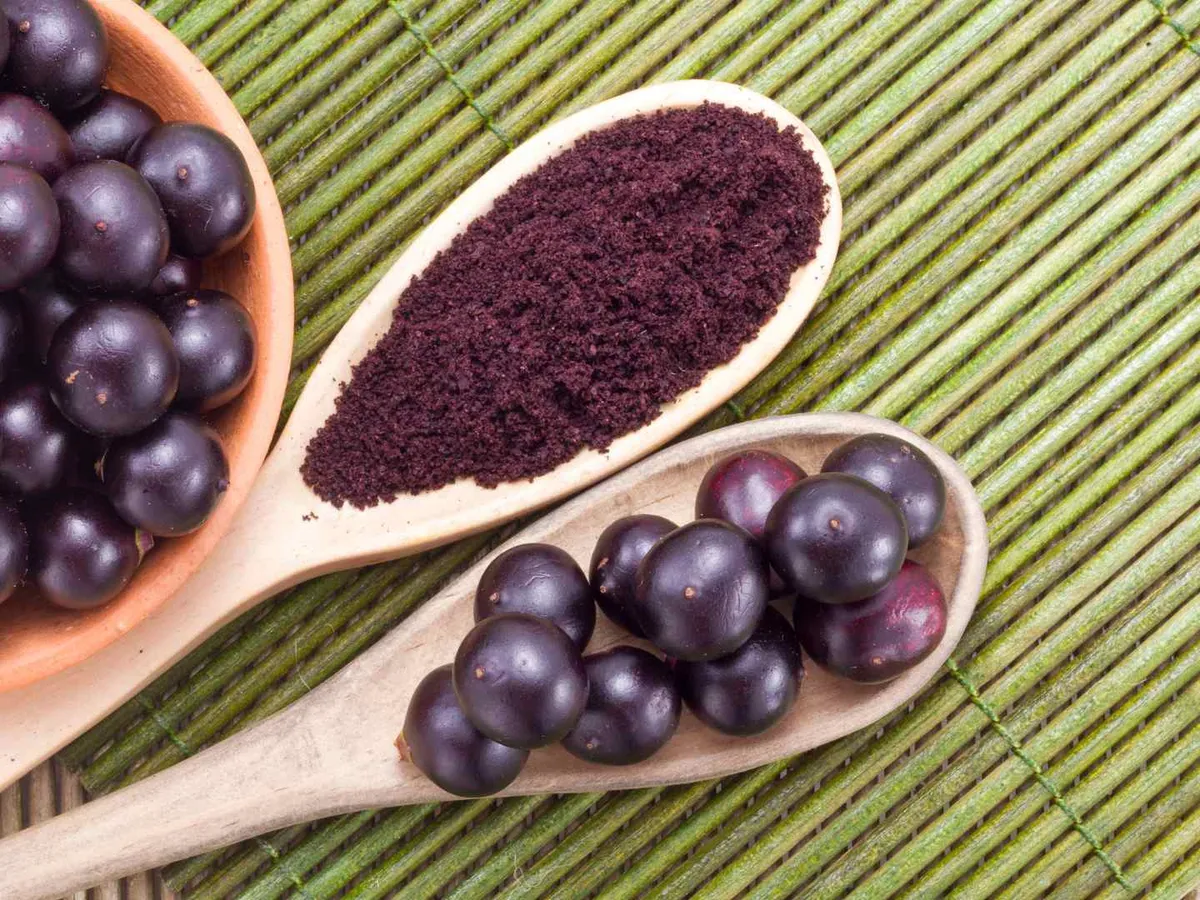
Acai has too little feline safety research to recommend as a cat treat. A tiny lick of plain commercial pulp is unlikely to justify panic in an otherwise well cat, but bowls, powders, juices, supplements, and frozen desserts often add caffeine, chocolate, fruit, sweeteners, or foreign objects.
The honest answer is about uncertainty
Acai is widely marketed to people, yet popularity is not a substitute for species-specific feeding data. There is no well-established feline serving size, benefit, toxicity threshold, or long-term intake study that turns this berry into a sensible routine extra.
That does not mean one dot of plain pulp has been proven poisonous. It means the evidence does not support deliberately feeding a cat a meaningful portion, especially when ordinary cat treats come with known ingredients and feeding directions.
The federal National Center for Complementary and Integrative Health says little research has been done even on acai safety in people and finds insufficient reliable information for promoted health uses. Feline claims deserve more restraint, not less.
Online statements that acai is definitely therapeutic or definitely toxic to every cat often outrun the evidence. Avoid converting dog-focused warnings, human supplement research, or the fruit’s antioxidant marketing into cat facts.
Work backward from the stolen item
| Acai item | What it may contain | Useful next move |
|---|---|---|
| Plain unsweetened commercial puree | Acai pulp, sometimes citric acid | After a tiny lick, verify the label and observe; do not begin serving it. |
| Sweetened frozen packet | Sugar, guarana, flavor, or other fruit | Read ingredients and caffeine claims before deciding risk. |
| Acai bowl | Banana, granola, honey, chocolate, nut butter, berries, and seeds | Reconstruct every layer and estimate the maximum amount. |
| Acai juice or smoothie | Juice blends, dairy, protein powder, sweetener, or caffeine | Save the bottle or recipe and call when contents are uncertain. |
| Acai powder | Concentrated fruit solids or a multi-ingredient supplement | Prevent grooming exposure and contact a veterinarian after ingestion. |
| Acai gummy or capsule | Extract, vitamins, herbs, sweeteners, and packaging | Treat it as a supplement exposure, not a berry snack. |
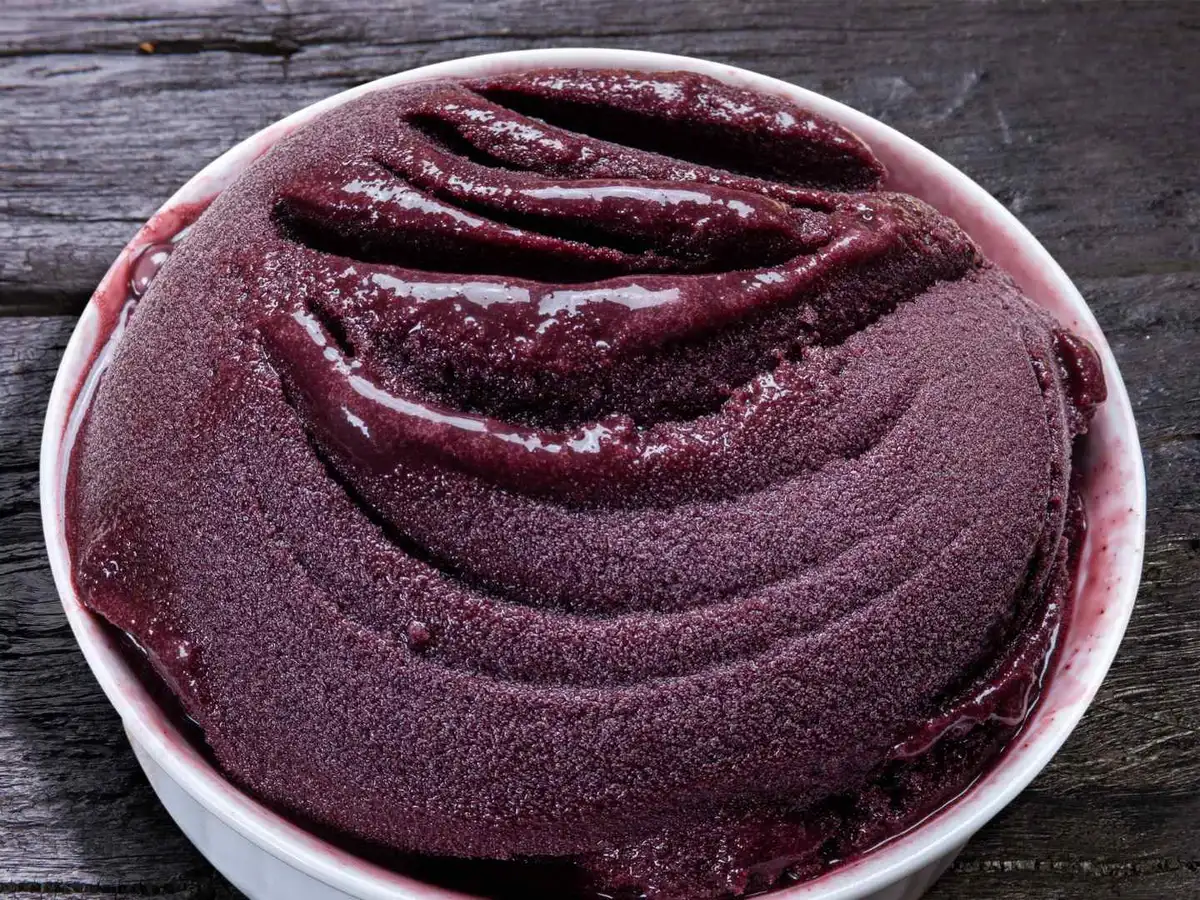
| Acai sorbet | Sugar, stabilizers, fruit flavors, and possible chocolate | Check the tub and keep frozen chunks, spoons, and lids away. |
Plain pulp is still not complete cat food
Cats are obligate carnivores with nutritional requirements that a fruit puree cannot meet. Acai does not provide the complete amino-acid, fatty-acid, vitamin, and mineral pattern required for feline maintenance or growth.
The FDA explains the meaning of “complete and balanced” on pet-food labels. A human acai packet has no comparable nutritional adequacy statement for a cat’s life stage.
Extra fruit can also dilute appetite for the meal that matters. Kittens, seniors with low appetite, and sick cats have particularly little room for an experiment that supplies color and marketing without proven feline value.
If the goal is a fun taste, use part of the measured daily ration or a purpose-made cat treat. A cat does not need an antioxidant bowl to maintain credibility on social media.
Do not invent a theobromine rule for plain acai
Acai discussions online sometimes repeat broad warnings about theobromine without giving reliable feline product data, measured concentrations, or primary evidence for ordinary pulp. That is not enough to calculate a cat exposure.
Chocolate and cocoa absolutely do contain methylxanthines, but that established chocolate risk should not be used to declare every dark-purple food equivalent to cacao. Evaluate actual chocolate in the recipe as chocolate and plain acai as an ingredient with limited cat data.
Our feline chocolate guide explains how cocoa type and concentration influence a real methylxanthine assessment. If cacao nibs, cocoa powder, chocolate protein powder, or syrup appeared in the bowl, call with those details.
Guarana can make a bowl caffeinated
Some sweetened acai packets, energy bowls, powders, and drinks include guarana for stimulation. Guarana seeds naturally contain caffeine, and the ingredient may appear as extract, powder, paste, or a branded blend.
Caffeine can affect heart rhythm, body temperature, and the nervous system. A cat exposed to a caffeinated acai product needs prompt professional advice even if the bowl is labeled organic, natural, or superfood.
Watch for restlessness, vomiting, rapid breathing, a fast heartbeat, tremors, abnormal temperature, incoordination, seizures, or collapse. Do not borrow a dog caffeine dose or wait for a symptom checklist to fill up before calling.
The ASPCA identifies guarana as a potential caffeine source in supplements. Report the stated caffeine per serving, packet size, preparation, quantity missing, and cat’s weight.
An acai bowl is a stack of separate decisions
A typical bowl may begin with sweetened frozen puree, then add banana, berries, granola, coconut, seeds, nut butter, honey, and chocolate. The acai can be the least important safety detail by the time the spoon reaches the bottom.
Build a list from the base upward and include drizzles, powders, garnishes, and anything mixed into the blender. Restaurant menu descriptions can omit a standard syrup or supplement, so ask staff for the actual formula.
Our banana guide covers peel and portion issues, while the blueberry article addresses whole-berry choking and prepared products. Familiar fruit does not make the assembled bowl cat food.
Grapes and raisins require feline precision
Granola, trail mix, smoothie blends, and decorative fruit can contain raisins or fresh grapes. The severe kidney-injury relationship is established in dogs, but feline evidence is sparse and no dependable safe cat dose has been established.
That uncertainty supports calling about a meaningful feline exposure; it does not justify publishing canine thresholds as cat facts. Our cat grape and raisin guide explains the distinction and the information a clinic will need.
Dried berries can also resemble raisins after being mixed through granola. Keep a product package or ingredient photograph instead of identifying every dark piece by optimism.
Nut butter, granola, and seeds
Peanut, almond, cashew, and seed butters can add substantial fat and calories, plus salt, sugar, chocolate, or alternative sweeteners. A sticky spoonful can also be difficult for a cat to manage in the mouth.
Granola clusters may be hard, sharp, or large enough to choke, and they frequently combine nuts, coconut, chocolate, dried fruit, spices, and syrup. Cacao granola still counts as a cocoa-containing product despite a wellness-oriented package.
Chia, flax, hemp, pumpkin seeds, and other toppings are not automatically toxic in a stray speck, but they complicate the amount and digestive-fiber load. A pile of dry seeds may scatter into fur and be swallowed later during grooming.
Powders and supplements are more concentrated questions
Freeze-dried acai powder removes water and packs fruit solids into a smaller volume. Multi-ingredient powders can add green tea extract, guarana, vitamins, minerals, herbs, protein, or sweeteners.
Fine powder can irritate eyes, nose, and airways, especially when a bag bursts. Move the cat into clean air, prevent licking, and call for advice if coughing, wheezing, breathing effort, eye pain, or significant coat contamination occurs.
Capsules, gummies, tinctures, and weight-loss products are supplements with their own full formulas. The small plastic bottle, desiccant packet, dropper, foil seal, and gummy wrapper may matter as much as the advertised acai.
NCCIH also notes that weight-loss claims for acai lack reliable support. A person’s supplement should never be repurposed for feline weight management.
Raw sourcing and food safety
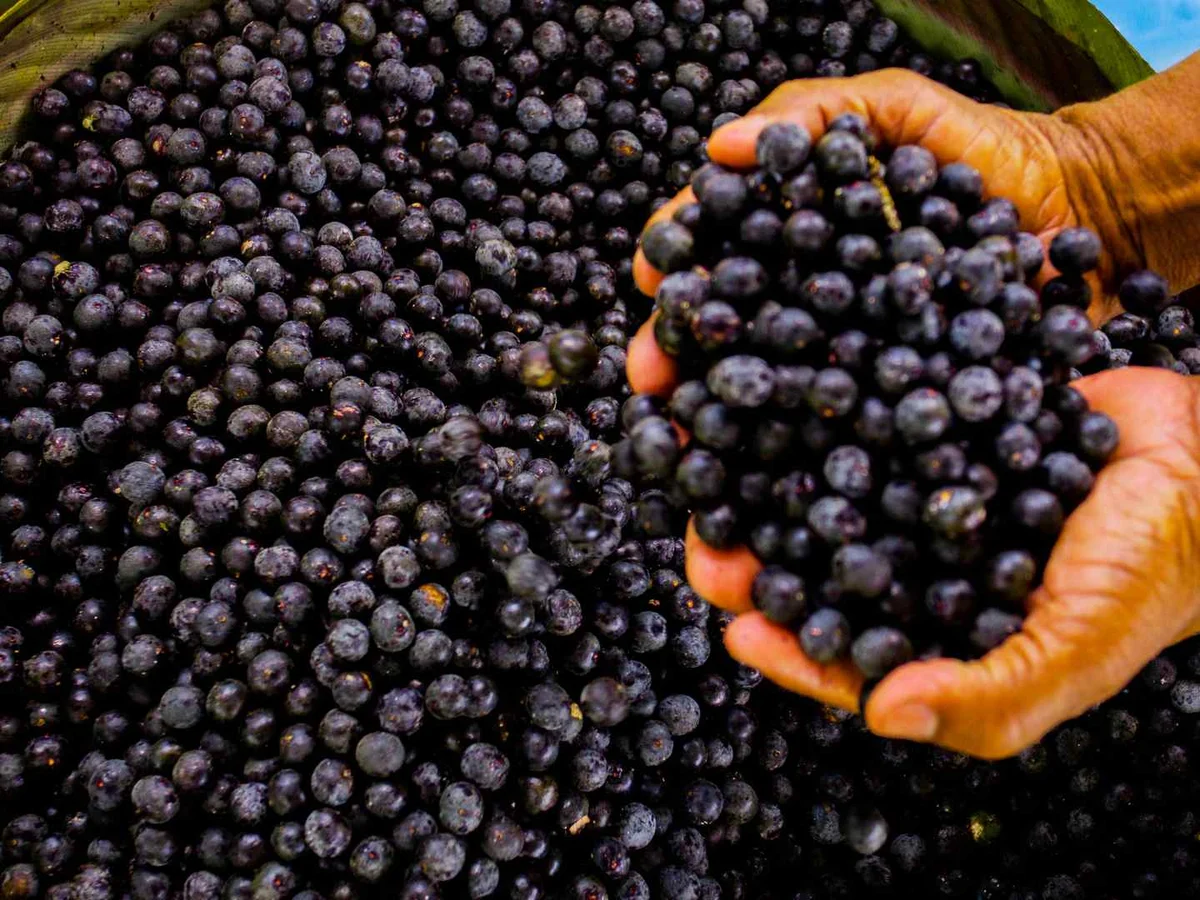
Commercial frozen pulp may be pasteurized or otherwise processed, but procedures differ. Read storage and thawing directions, keep the cold chain intact, and discard leaking, recalled, fermented, or temperature-abused packages.
NCCIH reports that raw acai fruit and juice have occasionally been linked to Chagas disease in people through parasite contamination. That human evidence does not establish a feline incidence rate, but it reinforces that raw sourcing is not a pet benefit.
Wash hands, utensils, and blender parts after preparation. Never use a cat as the destination for leftovers that seem questionable for the human household.
Juice, smoothies, and sorbet
Juice is easy to lap in a larger amount and may mix acai with apple, grape, orange, or other concentrates. Smoothies can bring yogurt, milk, coffee, protein mixes, cannabis ingredients, or a surprisingly caffeinated “energy boost.”
Sorbet and frozen desserts add sugar and stabilizers, and hard chunks may be gulped poorly. Popsicle sticks, blender gaskets, straws, domed lids, and foil packets create physical hazards after the food is gone.
Use the site’s cat fruit overview to separate fruit flesh from pits, peels, concentrates, dried pieces, and mixed recipes. No broad fruit label can replace an ingredient-by-ingredient review.
Cats who should avoid even a taste test
Skip acai for kittens, pregnant cats, and cats with diabetes, obesity, chronic digestive disease, food allergy, swallowing difficulty, or poor appetite. Prescription and elimination diets should remain free of unapproved extras.
A novel dark puree can also change stool color, making later symptom interpretation harder. If a medically fragile cat ate it, call earlier and mention every current medication and diet restriction.
A calm response plan
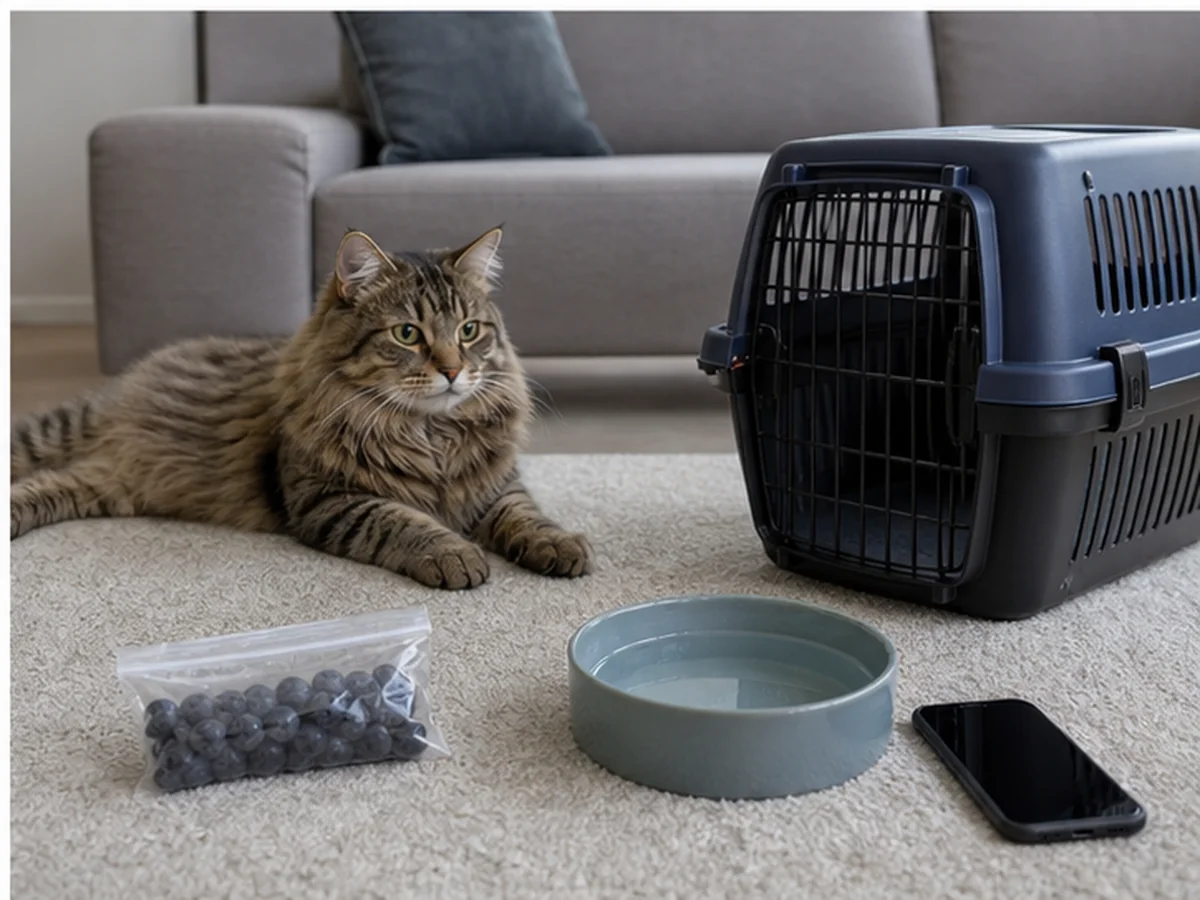
- Separate pulp from product. Decide whether the exposure involved plain puree, bowl, drink, powder, sorbet, or supplement.
- Reconstruct the recipe. List guarana, cocoa, fruit, granola, nut butter, dairy, sweeteners, and boosts.
- Estimate the most that vanished. Include what remained on the face and coat before grooming.
- Collect the debris. Find spoons, straws, packets, desiccants, lids, wrappers, pits, and hard toppings.
- Call based on the strongest concern. Caffeine, chocolate, an unknown supplement, foreign material, a large serving, or symptoms deserves veterinary input.
For one tiny lick of plain processed pulp in a normal healthy cat, remove access and monitor appetite, energy, vomiting, stool, and comfort. Do not induce vomiting or give a supplement to counteract the fruit.
Frequently asked questions
Is plain acai toxic to cats?
Reliable feline data are too limited to call it a recommended food or assign a toxicity dose. A trace accidental taste may be monitored after label review, while larger or symptomatic exposures deserve a veterinary call.
Can cats eat acai bowls?
They should not because bowls commonly contain many high-calorie or hazardous additions, including guarana and chocolate. Identify every component if a cat stole part of one.
Does acai help a cat’s immune system?
No clinical feline evidence supports using acai as an immune treatment. A veterinarian should investigate illness and recommend nutrition or therapy with known benefits and doses.
What if acai powder spilled on my cat?
Prevent grooming, move away from airborne dust, and call for cleaning advice when contamination is substantial. Urgent care is appropriate for breathing difficulty, persistent coughing, eye pain, tremors, or collapse.
Bottom line
Acai is a case for intellectual honesty: feline research is too thin to recommend it, and the surrounding bowl often matters more than the berry. Skip intentional servings, identify caffeine and chocolate quickly, contain powder, and choose a cat treat with evidence instead of a superfood promise.