Can Cats Eat Blueberries? Fresh, Frozen, Dried, and Baked Forms
Cats can eat a tiny amount of plain blueberries, but the fruit is an optional treat, not a feline superfood. Wash fresh berries, cut or mash them to prevent gulping, avoid mold and wild unidentified fruit, and scrutinize dried, sweetened, baked, and yogurt-covered products.
The quick verdict
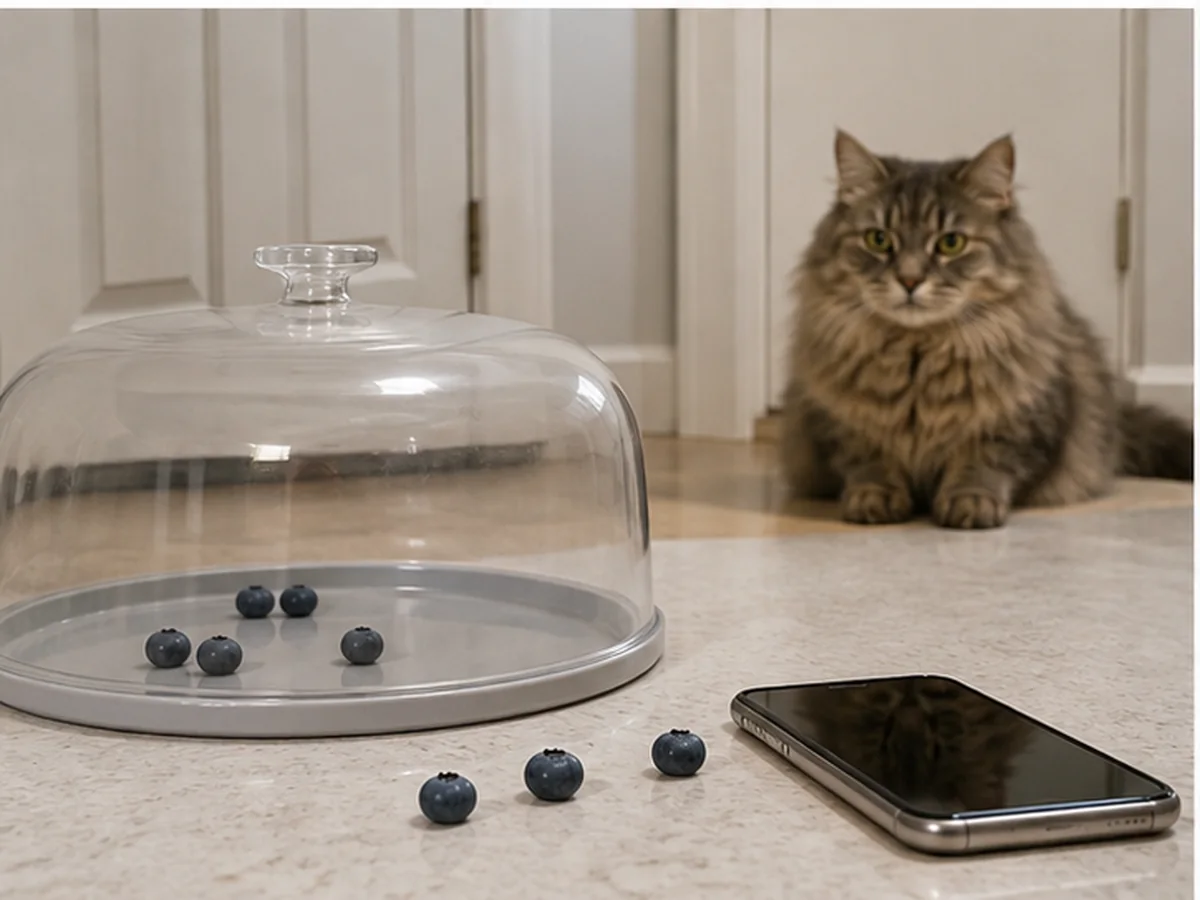
A healthy adult cat that wants a taste can have one small blueberry, mashed or cut into quarters. Many cats will decline because sweetness does not have the same appeal it has for people, which is a perfectly good outcome.
Blueberries should stay rare and plain. Do not add them daily for antioxidants, urinary health, immunity, weight loss, or cancer prevention because human nutrition headlines do not establish a clinical benefit in cats.
Why blueberries are optional for an obligate carnivore
Blueberries supply carbohydrate, natural sugar, fiber, water, vitamins, and plant compounds, but cats rely on nutrients found in animal products. A berry cannot replace balanced protein, taurine, essential fatty acids, vitamins, or minerals in complete cat food.
The Cornell Feline Health Center explains that treats are not nutritionally complete and should be occasional. Using a few pieces of the cat’s regular food as rewards is often more useful than maintaining a fruit drawer for someone who would prefer chicken.
Even a non-toxic food can cause vomiting, soft stool, diarrhea, gas, or appetite change when new or excessive. Offer only one tiny taste the first time and do not introduce several new foods together.
A whole blueberry can be awkward to swallow
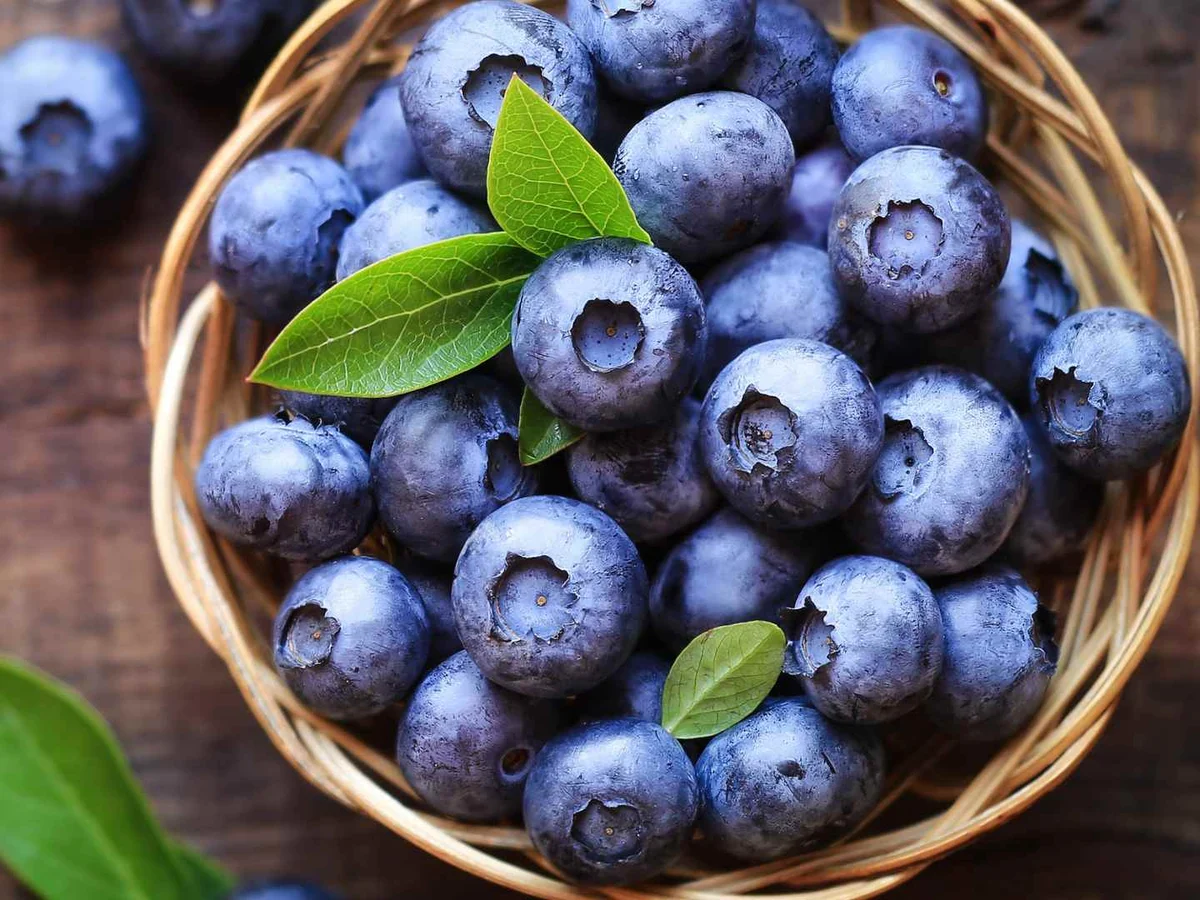
A plump blueberry is smooth, round, and just the right size to roll across the floor under the refrigerator. It can also be swallowed whole, which creates a choking concern for kittens, small cats, enthusiastic gulpers, and cats with dental or swallowing trouble.
Mash the berry flat or cut it into quarters before offering it. Do not toss berries for a cat to catch because a treat should not double as an airway challenge.
Signs that need urgent help
- Open-mouth breathing, obvious choking, blue or pale gums, collapse, or severe distress.
- Repeated gagging, heavy drooling, pawing at the mouth, or trouble swallowing.
- Seek veterinary help when berry exposure is followed by ongoing vomiting, failed attempts to drink, or a sore, distended belly.
- Marked lethargy, food refusal, tremors, wobbliness, or unusual agitation after spoiled or mixed food.
- Facial swelling, hives, breathing changes, or sudden severe itching after a first exposure.
Do not reach blindly into a panicked cat’s throat or force food and water. Breathing distress is an emergency, while repeated vomiting or a major behavior change deserves prompt veterinary advice.
How to prepare one safely
- Choose a firm berry without mold, leaking juice, slime, or fermentation.
- Rinse it gently under plain running water and dry it.
- Remove any stem, leaf, label, or package fragment.
- Mash it or cut it into quarters.
- Offer one piece plain, then refrigerate the remaining berries for people.
The FDA produce-safety guidance recommends washing produce under running water without soap, detergent, or commercial produce wash. Washing can reduce contamination but does not sterilize a berry.
Keep berries separate from raw meat and dirty utensils during preparation. A cat may eat only one berry, but cross-contamination can turn that tiny serving into a completely different food-safety problem.
Fresh and frozen berries are not identical
A frozen blueberry can be hard enough to challenge a sore tooth and slippery enough to be gulped. Thaw one completely, drain the juice, and mash it before considering a taste.
Freezing does not reliably eliminate every pathogen. The FDA berry-safety update notes that fresh and frozen berries have been linked to human viral outbreaks and that freezing generally does not inactivate introduced viruses.
That evidence does not prove a particular bag will make a cat ill, but it supports normal product recalls and food-hygiene precautions. Check recall notices, follow package instructions, and discard recalled or suspicious berries rather than offering them to a pet.
Moldy or fermented berries belong in the bin
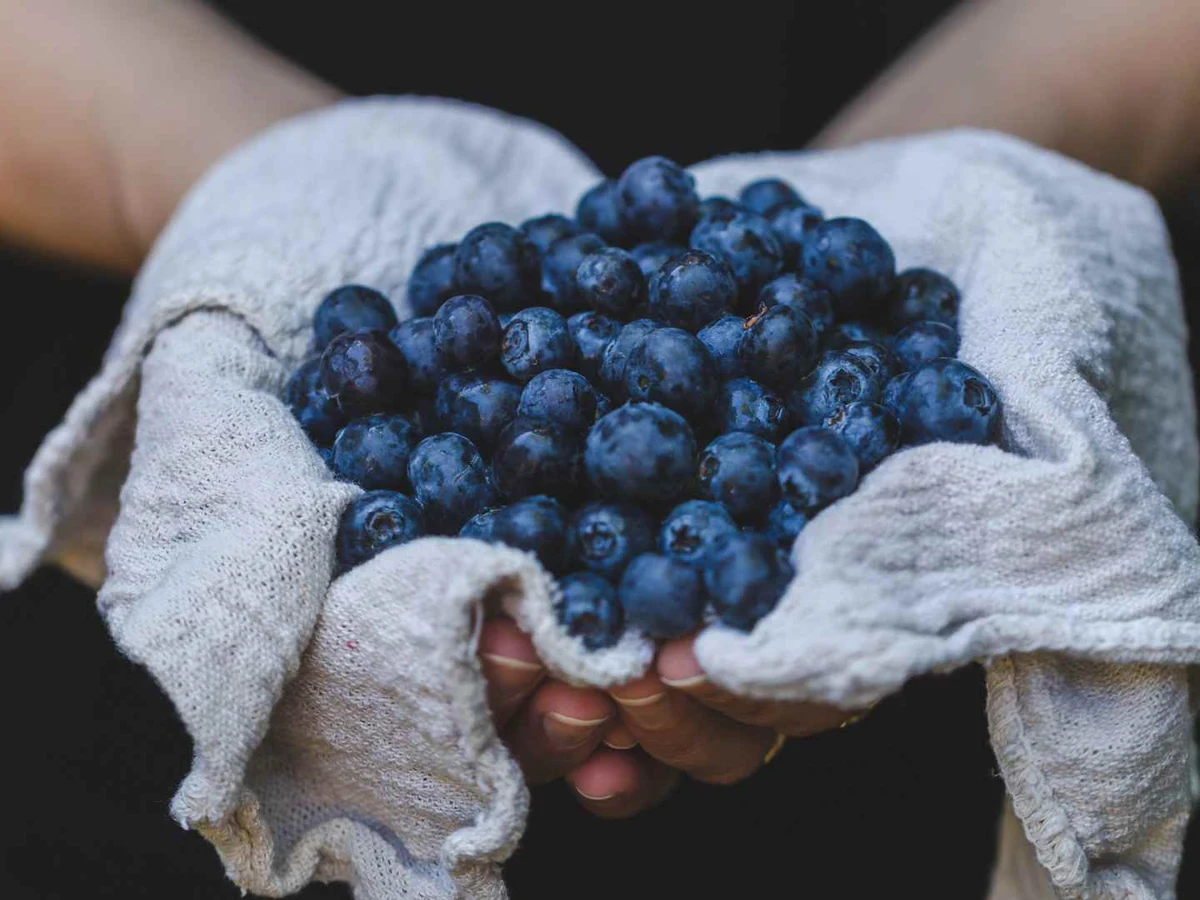
Blueberries spoil quickly, and fuzzy growth, leaking juice, a fermented smell, or an unusually soft texture means the container is no longer a treat source. Do not rinse visible mold off one berry and offer neighboring fruit to a cat.
Mold can extend beyond the patch you can see in soft, high-moisture foods. Throw away the affected berries, clean the storage area, and call for tremors, wobbliness, repeated vomiting, seizures, or unusual agitation after spoiled food.
Outdoor fallen fruit can also ferment or collect pesticides, soil, insects, and wildlife contamination. Keep cats away from rotting garden produce and open compost.
Dried and freeze-dried blueberries
Dried fruit concentrates calories and sugar by removing water, and many products add sugar, oil, juice concentrate, preservatives, or flavoring. Sticky dried berries can cling to teeth, while hard pieces can be swallowed without much chewing.
Freeze-dried berries are light and crisp but still concentrated, and their dust can irritate a cat’s nose. Rehydrating a piece does not create a health benefit that fresh fruit lacked.
Our blueberry guide for dogs maps fresh, frozen, dried, baked, and packaged forms. Use it for product identification, not cat portions or feline medical conclusions.
Blueberry yogurt and yogurt-covered snacks
Blueberry yogurt may contain added sugar, sweeteners, flavor, color, and only a small amount of fruit. Many adult cats digest lactose poorly, so a seemingly gentle spoonful can end in diarrhea.
Yogurt-covered blueberries often use a sweet confectionery coating rather than plain yogurt. Chocolate, raisins, macadamia nuts, sugar-free sweeteners, and mixed snack ingredients require an immediate full-label check.
The yogurt label guide helps locate lactose, sugar, sweeteners, flavorings, and package parts. Its canine tolerance discussion should not be copied onto cats.
Muffins, pancakes, pies, and jam
A blueberry muffin is mostly a baked product containing flour, sugar, fat, egg, leavening, and possibly chocolate, xylitol or another sweetener, lemon oil, nuts, or glaze. The berries do not make the wrapper, batter, or calorie load cat-friendly.
Pancakes and waffles add butter and syrup, while pie adds pastry, sugar, fat, spices, and foil. Raw batter can contain uncooked flour and egg, so call with the recipe when a cat raids the mixing bowl.
Jam, syrup, and preserves concentrate sugar and may contain sweeteners, alcohol flavoring, lemon, spices, or mold after improper storage. A lick of ordinary jam is usually a different event from eating part of a sugar-free jar or chewing the lid.
Smoothies, juices, powders, and supplements
Smoothies can hide grapes, raisins, chocolate, coffee, protein powder, supplements, dairy, avocado, nut butter, alcohol, or sweeteners. Identify every ingredient because the blueberry may be the least important item in the blender.
Juice removes the useful chewing barrier and makes it easy to consume more sugar. Powdered berry supplements are concentrated and may include other botanicals, vitamins, minerals, caffeine, or proprietary blends that were never evaluated as cat treats.
Do not add a human antioxidant powder to cat food unless the treating veterinarian has recommended the exact product and amount. More of a nutrient is not automatically better, and supplements can unbalance a complete diet or interact with treatment.
Wild berries require positive identification
Never assume a blue berry in a yard or hiking area is a blueberry. Ornamental plants can produce similar fruit, and pesticide, herbicide, fertilizer, roadside contamination, or wildlife waste can add hazards even when the plant is edible.
Photograph the entire plant, including leaves, stems, flowers, bark, and growing habit, and collect a sample safely if a professional requests it. Do not rely on a single phone photo or plant-identification app when a cat may have eaten an unknown species.
Our berry identification guide explains why grapes, wild fruit, mold, and mixed baskets cannot share one blanket answer. Cats still need cat-specific triage.
Cats that should skip blueberries
- Kittens, because small meals should deliver complete growth nutrition.
- Cats with diabetes, obesity, or a tightly controlled calorie plan.
- Blueberries are a poor experiment for a cat with chronic digestive disease or previous reactions after unfamiliar foods.
- Skip blueberries during a veterinary elimination trial or when a prescription diet leaves no room for extras.
- Cats with dental pain, swallowing difficulty, pica, or repeated foreign-body problems.
A restriction here does not mean one berry becomes a powerful toxin. It means an optional sugary extra can complicate a carefully selected diet without supplying a proven feline benefit.
What to do if your cat ate blueberries
- Remove the berries, product, wild plant, and packaging.
- Check breathing, swallowing, alertness, and behavior.
- Identify fresh, frozen, dried, baked, yogurt-covered, supplemented, or wild fruit.
- Estimate the amount and time, then save the label or recipe.
- Call for choking signs, unknown wild berries, mold, unsafe mixed ingredients, a large amount, a vulnerable cat, or any symptom.
Do not induce vomiting or give hydrogen peroxide, salt, milk, oil, or charcoal unless a veterinarian or veterinary poison specialist directs you. An alert cat may have access to clean water, but food should never be pushed after berry-related vomiting.
Frequently asked questions
Can kittens eat blueberries?
Kittens do not need fruit, and a whole berry is large relative to a kitten’s airway and stomach. Use complete kitten food and tiny kitten-appropriate treats instead.
Can cats eat blueberries every day?
Daily blueberries are unnecessary and can quietly add calories and carbohydrate. If your veterinarian approves them, keep the serving tiny and occasional.
Can cats eat cooked blueberries?
Plain cooked fruit without sugar or other additives is not inherently toxic, but cooking does not make desserts appropriate. Check every ingredient and allow hot fruit to cool fully.
My cat ate several blueberries. What now?
Remove the rest, estimate the number and form, and monitor while calling if your cat is small, medically vulnerable, or symptomatic. Repeated vomiting, diarrhea, pain, food refusal, lethargy, or breathing trouble warrants prompt care.
The bottom line
One washed, mashed blueberry can be an occasional taste for many healthy adult cats, but it is not required nutrition. Avoid whole hard berries, mold, wild unknown fruit, sweet and mixed products, and call promptly for choking signs, unsafe ingredients, large amounts, vulnerable cats, or symptoms.