Can Cats Eat Banana Bread? Ingredients, Batter, Mold, and Triage
A crumb of fully baked, plain banana bread is unlikely to harm most healthy adult cats, but banana bread is not a sensible feline treat. Chocolate, raisins, macadamia nuts, sweeteners, alcohol, raw batter, mold, rich fat, spice, medication, wrappers, and loaf-pan debris can turn one recipe into several very different exposures.
Treat the recipe like evidence
Remove the loaf, save the ingredient packages, and ask whoever baked it exactly what went in. Estimate the missing amount, time, cat’s weight, medical conditions, and whether plastic wrap, foil, parchment, a toothpick, or a silicone pan piece disappeared.
- One plain baked crumb: offer water and watch for digestive upset.
- Chocolate, cocoa, coffee, raisins, macadamias, alcohol, cannabis, medication, or an unknown sweetener: call promptly with the recipe.
- Raw yeast batter, visible mold, or missing wrapper material: obtain professional guidance instead of waiting.
- Collapse, tremors, seizures, breathing trouble, repeated vomiting, or profound weakness: seek emergency care.
Do not induce vomiting, give salt, or force milk or oil. A poison professional can only assess the actual formulation, so “homemade banana bread” is less helpful than a photo of every measured ingredient.
The banana is rarely the main problem
The ASPCA lists banana as non-toxic to cats, which supports a low-concern view of a tiny ripe-fruit amount. That classification does not certify a loaf containing cocoa, dried fruit, nuts, sugar, butter, and several leavening ingredients.
Cats do not require fruit or baked grain, and the loaf’s calories arrive without a complete feline nutrient balance. The banana name gives this dessert a health halo that the finished recipe has not earned.
Chocolate moves the call forward
Cocoa powder, baking chocolate, dark chips, chocolate spread, and cacao nibs contain methylxanthines, including theobromine and caffeine. Concentrated cocoa deserves more concern than a trace artificial flavor.
The Merck Veterinary Manual chocolate review describes vomiting, agitation, fast heart rate, tremors, seizures, and other effects. Call with the cocoa type, percentage, amount used, loaf size, portion missing, time, and cat’s weight.
Raisins create an evidence gap, not reassurance
Grapes and raisins can cause unpredictable acute kidney injury in dogs, while reported feline evidence is sparse. Sparse cat data do not establish a safe serving, so raisin bread deserves case-specific poison advice.
Check for currants as well, since packages may use that word for dried grapes or for a different fruit. Bring the bag rather than assuming the botanical identity from a handwritten recipe.
Macadamias and other nuts
Macadamia poisoning is best documented in dogs, not cats, but a feline exposure can still involve high fat, chocolate coatings, salt, choking, and hard fragments. Walnuts, pecans, almonds, and nut flours alter texture and calorie density.
Moldy nuts may carry fungal toxins capable of neurologic illness across species. A fresh nut crumb and a stale, damp loaf from the back of a cupboard should never receive the same answer.
Sugar-free, keto, and protein banana bread
These recipes may use xylitol or other sweeteners, protein powders, concentrated fibers, nut flour, cocoa, supplements, or large amounts of fat. Xylitol’s severe syndrome is proven in dogs; comparable feline toxicity has not been established the same way.
That distinction is important, but it is not a reason to feed the product. Call with the sweetener label because chocolate, caffeine, mineral supplements, and swallowed packaging may independently shape the response.
Raw batter deserves separate attention
Unbaked batter may contain raw egg and dry flour, both of which can carry harmful microbes, while active yeast dough can expand and produce alcohol. Banana quick bread usually uses baking soda or baking powder, but never guess which leavener a recipe used.
The ASPCA people-food safety list identifies yeast dough as dangerous because expansion and alcohol production can cause serious illness. Call immediately when active-yeast dough was swallowed.
Butter, oil, and calorie density
A small loaf slice may contain butter, coconut oil, vegetable oil, sour cream, or cream cheese. These ingredients add fat and calories and may provoke vomiting or diarrhea in a cat with a sensitive digestive tract.
Cats with prior pancreatic or intestinal disease require individual advice about rich foods. Do not use bread to tempt a poor appetite without addressing the reason normal food was refused.
Spices and flavor extracts
Cinnamon and nutmeg appear often, but dose and product matter, especially with concentrated essential oils or large quantities of powder. Vanilla, rum, almond, and banana extracts may use alcohol as a carrier.
A finished loaf normally contains small culinary amounts, whereas a spilled bottle of extract is a different exposure. Save the container and report whether the cat contacted liquid concentrate or one baked crumb.
Mold changes everything
Bread can develop visible fuzzy growth, hidden colonies, or musty odor, particularly when moist and stored warm. Some molds produce tremorgenic mycotoxins that can cause vomiting, agitation, tremors, seizures, and dangerous overheating.
Do not trim away a moldy edge and offer the rest. Secure the entire loaf and rubbish, photograph the growth, and seek urgent advice if any was eaten.
Wrappers can outweigh the food risk
Plastic film, foil, parchment, paper liners, elastic bands, twist ties, and desiccant packets retain a strong bakery smell. Cats may chew and swallow them while the bread itself remains nearly untouched.
Repeated vomiting, painful abdomen, food refusal, straining, or low energy after missing packaging can indicate obstruction. Do not pull visible linear material from the mouth or rectum.
Portion reality for a cat
A human slice is enormous compared with a cat’s daily energy needs. Even a plain recipe can displace complete food and contribute to unwanted weight gain when “just a corner” becomes routine.
Cornell’s feline feeding guidance keeps treats occasional and complete food central. If the cat wants to join breakfast, a few pieces of its usual ration are easier to count.
Diabetes and prescribed diets
Bread made with banana and flour delivers carbohydrate whether or not table sugar is added. A diabetic cat should not receive it casually, and a weight-loss plan has little room for dense baked goods.
Kidney, urinary, allergy, and gastrointestinal diets also depend on controlled ingredients. Ask the treating clinic before using banana bread as a pill wrap or meal topper.
Similar-looking products
Banana muffins, pancakes, waffles, cake, pudding, and breakfast bars use different ratios and additions. Frosting, syrup, chocolate drizzle, protein mix, and individual wrappers deserve their own inventory.
Our guides to bananas, bread, chocolate, and butter help separate common components. The written recipe remains decisive.
Baking powder and baking soda
Leavening powders can irritate the gut and alter electrolytes when swallowed directly in quantity. The small amount dispersed through a fully baked loaf is a different exposure from licking a spilled open container.
Call with the product, missing amount, and cat’s weight after direct ingestion. Keep curious paws away while measuring dry ingredients, when concentration is highest.
Raw eggs and flour on the counter
Uncooked eggs and flour can carry bacteria that affect pets and people. A cat walking through batter can spread it across floors and later ingest more while grooming.
Confine the cat, wipe paws with plain water, wash hands, and clean food-contact surfaces. Mention raw ingredient exposure if diarrhea, fever, lethargy, vomiting, or appetite loss appears.
Cream-cheese frosting and glazes
Frosting can add dairy, butter, sugar, chocolate, coffee, citrus oil, alcohol flavor, or a sugar substitute. Thick sweet icing also mats whiskers and fur.
Blot residue before damp cleaning and prevent grooming until the coat is clear. Do not use fragranced wipes or essential oils on feline skin.
Loaf pans and cooling racks
A cat investigating a warm loaf can burn paws or mouth on metal, steam, or sticky sugar. Cooling racks, knives, and glass pans add laceration and fall hazards.
Keep baked goods in a closed room until cool and store utensils immediately. Drooling, mouth pawing, limping, blistering, or sudden refusal of food warrants examination.
Recipe substitutions still need checking
Applesauce, pumpkin, yogurt, nut butter, flax, coconut, and protein mix can replace familiar ingredients. A substitution may change moisture or calories without improving feline suitability.
Ask for the exact version baked that day, not the family’s usual formula. One altered batch can contain the ingredient that changes triage.
Monitoring a genuinely plain crumb
Observe normal appetite, drinking, comfort, activity, and litter-box use for the following day. Mild soft stool can occur after an unfamiliar rich food.
Repeated vomiting, persistent diarrhea, pain, weakness, abnormal behavior, or food refusal deserves veterinary advice. State whether any loaf debris or packaging remains unaccounted for.
Keep medication away from the loaf
People sometimes hide tablets in a bread bite, and a dropped medicated piece can look like an ordinary crumb. Identify the drug, strength, and missing quantity before repeating any scheduled dose.
Call the prescribing clinic or pharmacy for instructions, since part of a tablet may already have been swallowed. Automatic redosing can create an overdose even when the cat later spits out bread.
Nutmeg and concentrated spice products
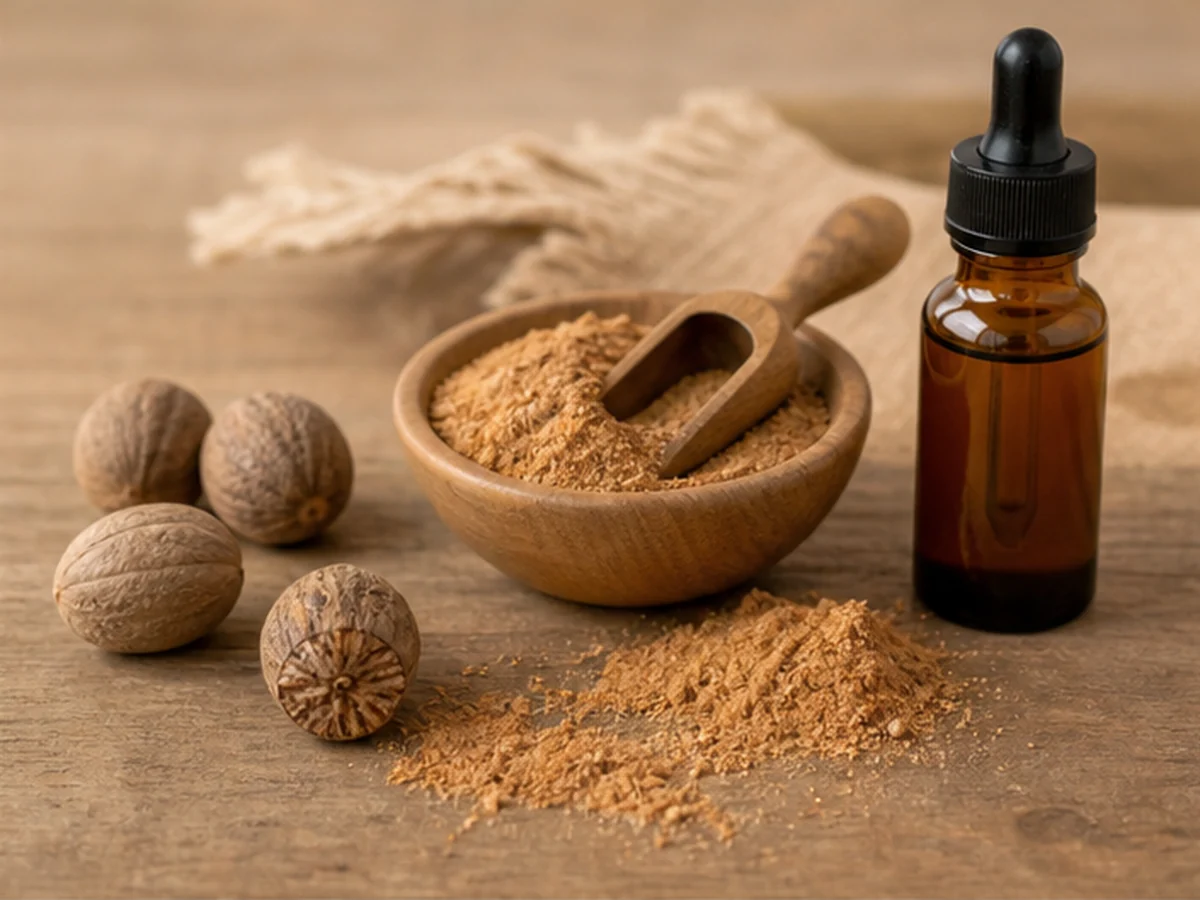
A dusting of ordinary baking spice dispersed through a loaf is not equivalent to swallowing the jar or an essential oil. Nutmeg contains compounds that can cause neurologic illness in sufficient exposure, while cinnamon powder can irritate eyes and airways.
Call with the spice brand, missing amount, recipe yield, and cat’s weight after a direct container spill. Move the cat during cleanup so powder is not inhaled or groomed from paws.
Body weight changes the treat budget
A lean four-kilogram cat has a dramatically smaller daily energy allowance than a person, and an overweight cat needs a deliberate calorie plan. Dense loaf corners are difficult to estimate by sight and can erase a carefully measured deficit.
Ask the clinic for a daily calorie target and count all extras together. Do not compensate for theft by starving the next meal, because cats should not undergo abrupt prolonged food restriction.
Frequently asked questions
Can kittens eat banana bread?
Skip it. A kitten needs nutrient-dense complete growth food and has very little calorie or airway room for sticky baked extras.
Is one plain crumb an emergency?
Usually not for a healthy adult when the loaf truly lacks high-risk ingredients and packaging. Monitor appetite, vomiting, stool, comfort, and energy.
Can cats eat vegan banana bread?
Vegan labeling removes animal-derived ingredients but does not remove chocolate, raisins, macadamias, xylitol, sugar, fat, mold, or wrappers. Read the full recipe.
The bottom line
A plain baked crumb is generally a minor dietary detour, yet banana bread should not become a feline snack. Chocolate, raisins, sweeteners, raw yeast, mold, rich ingredients, symptoms, and missing packaging are the details that justify a prompt call.