Can Cats Eat Artichokes? The Heart Is Not the Whole Story
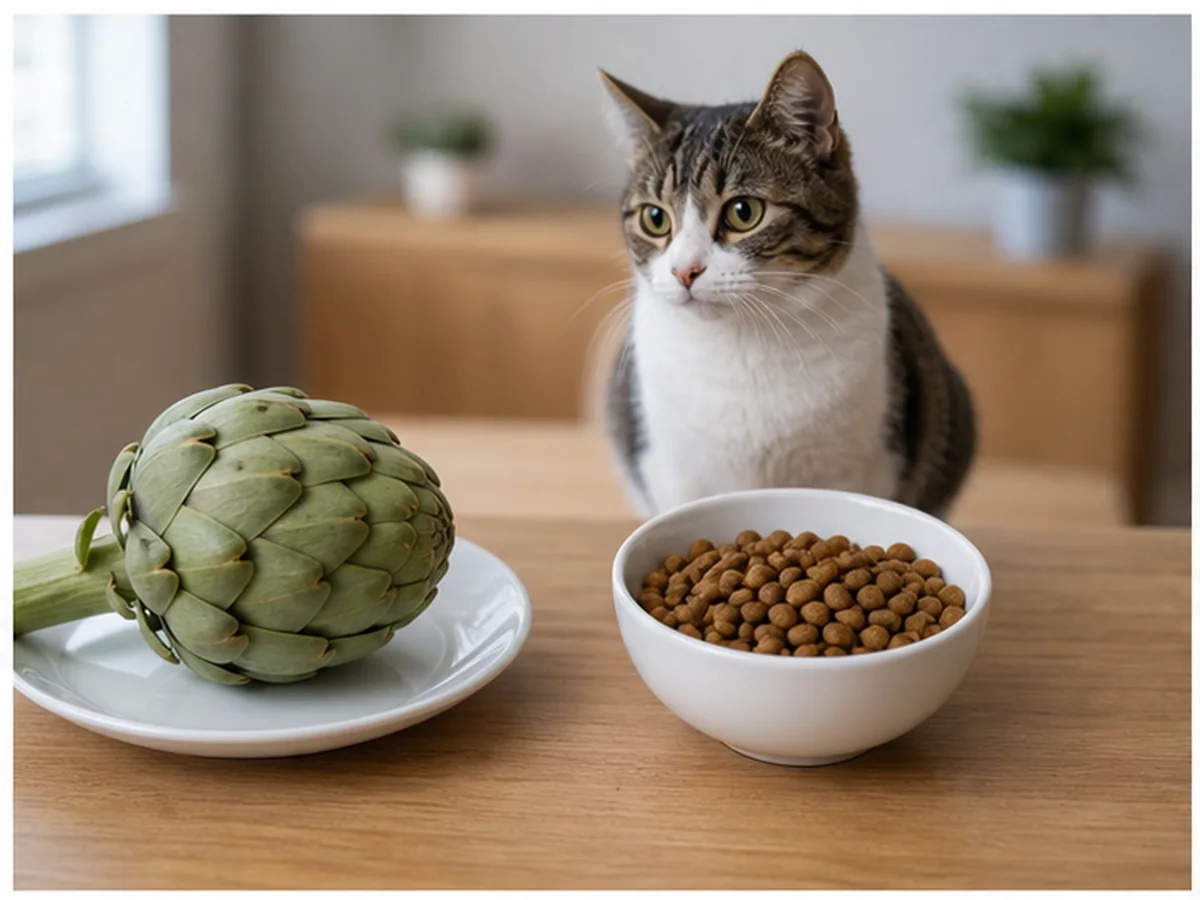
Plain cooked artichoke is not a recognized feline poison, but the tough leaves, fibrous choke, and stringy stems are badly designed for a cat’s mouth and gut. If sharing at all, use one soft, unseasoned speck from the heart and keep dips, marinades, and discarded leaves out of reach.
First identify the artichoke scene
A lick of plain steamed heart is a different event from stealing spinach-artichoke dip, chewing a raw outer leaf, swallowing part of the fuzzy choke, or drinking oil from a marinated jar. Find the recipe, package, or remaining vegetable before making a risk decision.
For a tiny amount of soft plain heart and a comfortable cat, remove the plate and monitor. Continue the usual meal and water schedule rather than adding a home remedy to a food that was already nutritionally unnecessary.
Call a veterinarian for choking signs, repeated vomiting, abdominal pain, lethargy, refusal to eat, a large fibrous piece, missing packaging, or any recipe containing onion, garlic, alcohol, or another hazardous ingredient. Do not induce vomiting unless a professional specifically instructs you.
Why artichoke shape matters
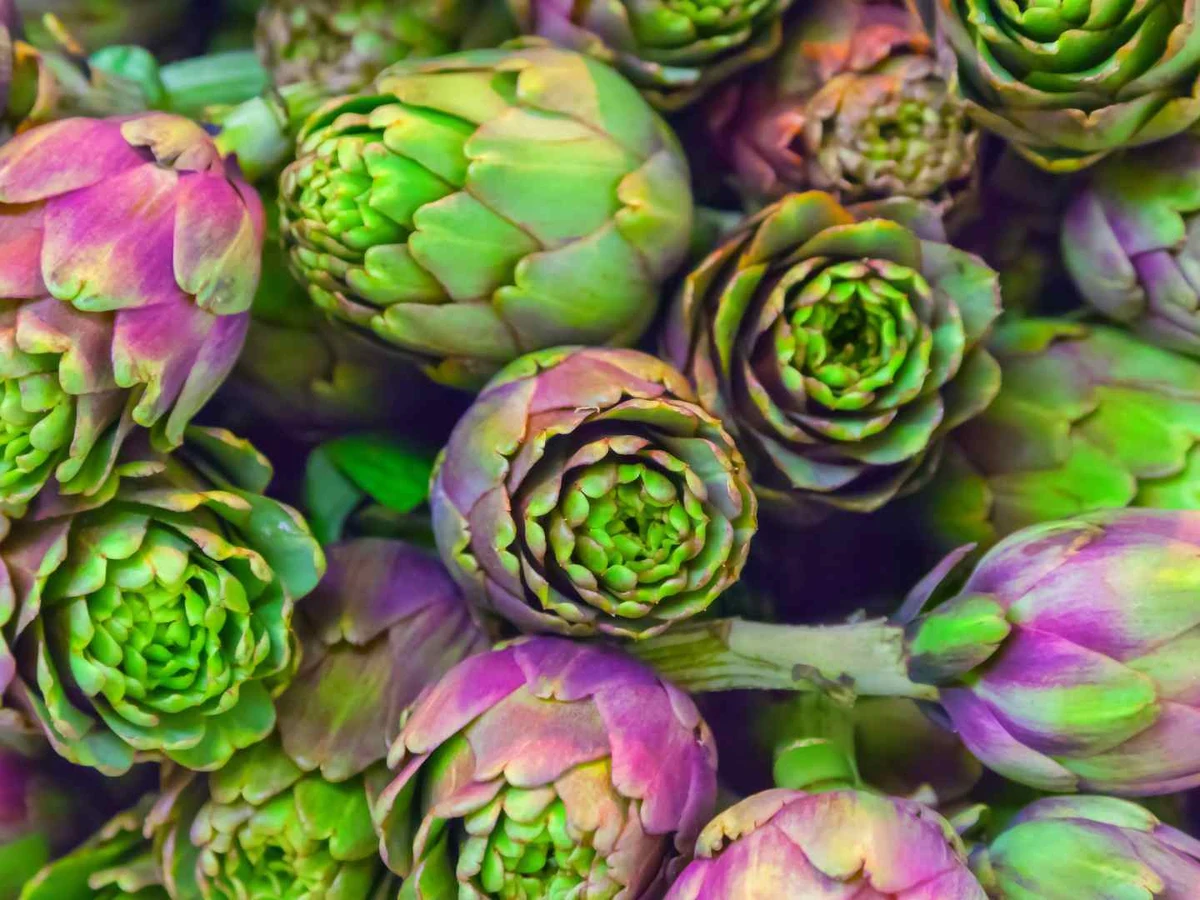
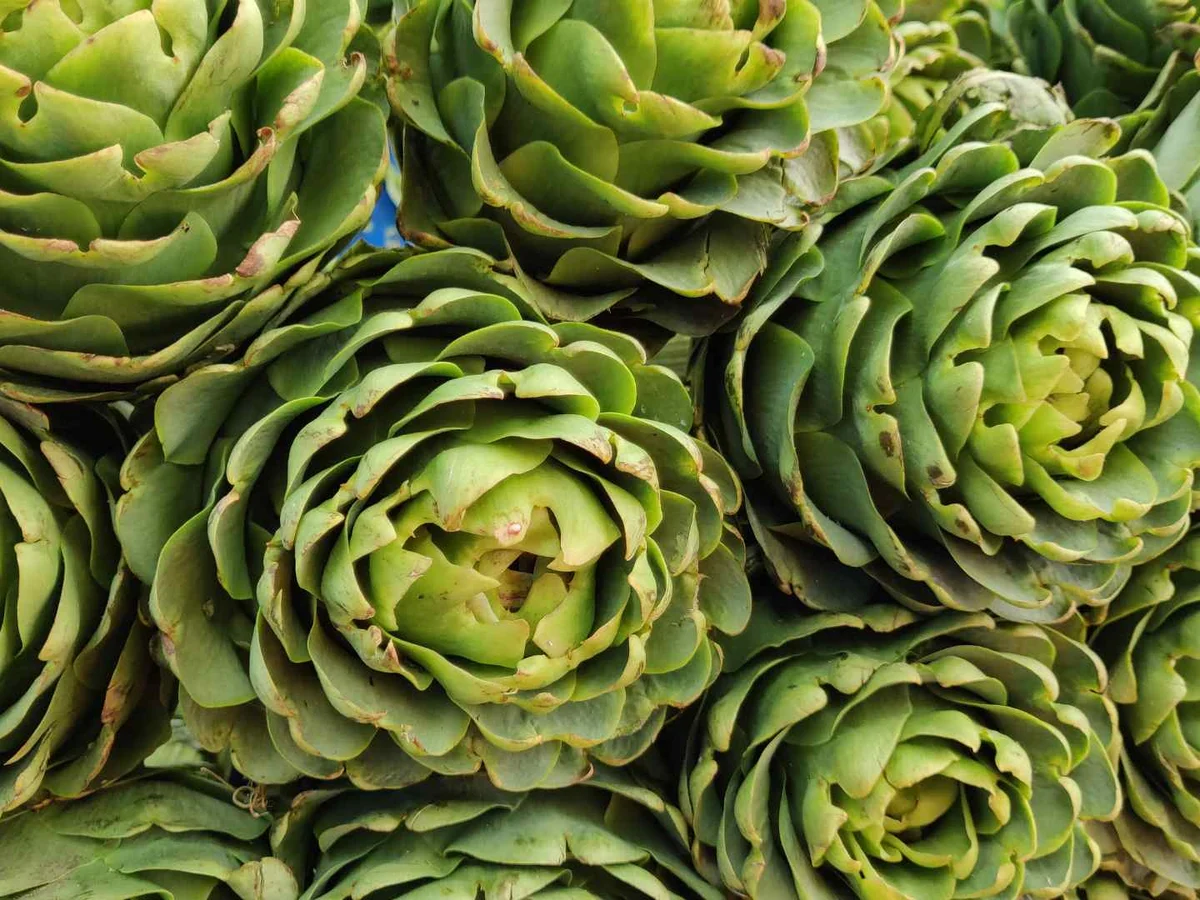
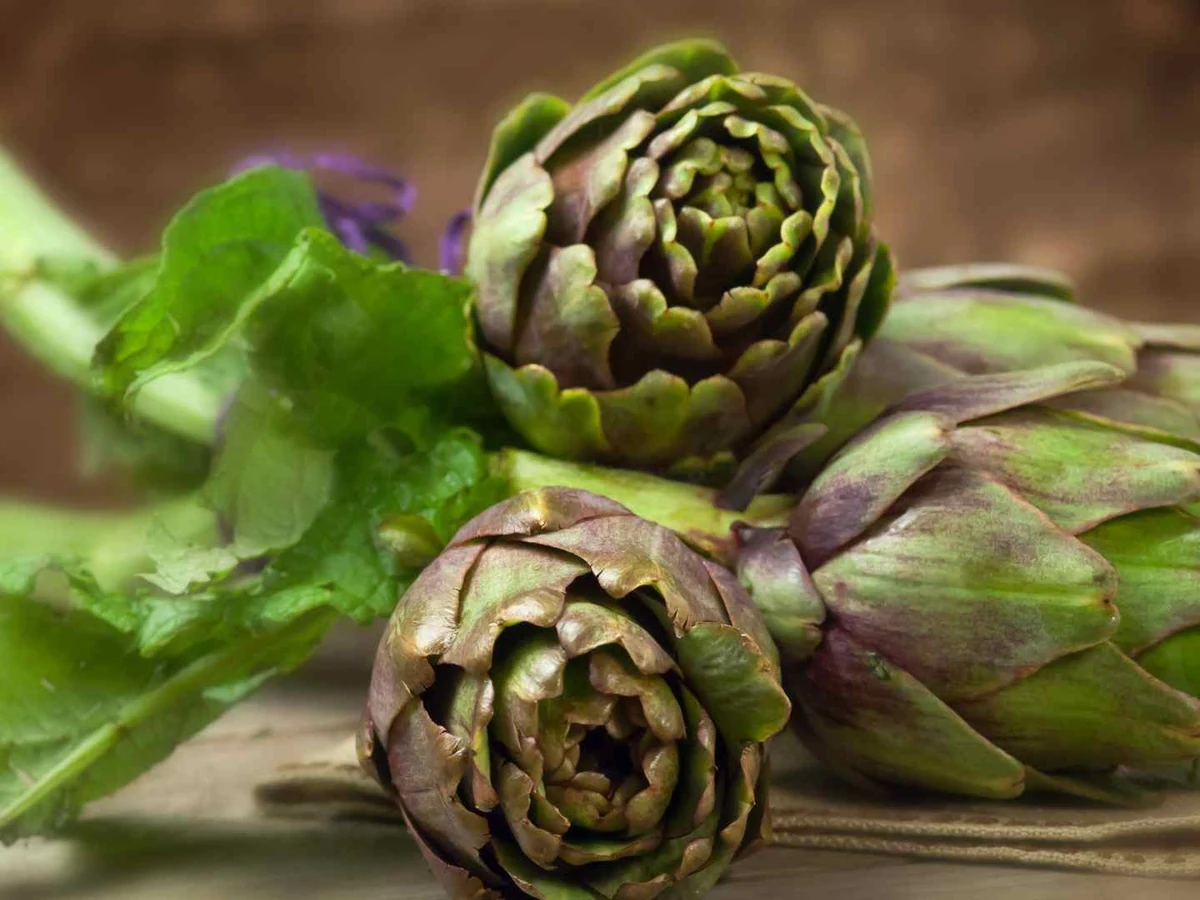
A globe artichoke is an immature flower head made of overlapping bracts, commonly called leaves, surrounding a fuzzy choke and tender heart. Humans scrape the soft flesh from cooked bracts and discard the stiff remainder, a technique cats have not agreed to learn.
Raw outer leaves are leathery and pointed, and cooked leaves can remain stringy. Either form may be gagged up, lodged in the throat, or swallowed in a size that is difficult to move through the digestive tract.
The fuzzy choke is normally removed before the heart is served because its coarse fibers are unpleasant even for people. It offers no feline benefit and can cling in the mouth, trigger gagging, or contribute to an obstructive wad.
The Merck Veterinary Manual lists vomiting, appetite loss, lethargy, and abdominal pain among common obstruction signs. A cat showing those signs after swallowing tough plant material needs veterinary assessment, not a second serving of fiber.
Plain does most of the safety work
Boiling or steaming softens the heart, but preparation does not turn it into balanced cat food. If curiosity must be satisfied, choose a crumb from a fully cooked heart before salt, butter, lemon, sauce, herbs, or oil are added.
Cut it smaller than a pea and offer it once while you watch. A cat who sniffs, blinks slowly, and leaves is not missing a wellness opportunity.
The Cornell Feline Health Center recommends complete and balanced feline food and says treats should remain occasional. Artichoke contributes fiber and human-menu variety, not a nutrient a properly fed cat needs from vegetables.
Raw versus cooked artichoke
Raw heart is firmer and harder to chew than cooked heart, while raw bracts are especially stiff. Cooking therefore reduces a texture problem, but it does not make large pieces, choke fibers, or leaf tips suitable.
Wash the whole vegetable under running water before preparing it, then use clean utensils and discard damaged areas. The FDA’s fresh-produce guidance recommends water rather than soap or detergent and careful separation from raw meat surfaces.
Frozen plain hearts can be thawed and cooked, but inspect the ingredient list for salt or seasoning. Canned hearts are often packed with sodium, citric acid, or other ingredients, so rinsing does not automatically make them a smart cat treat.
Spinach-artichoke dip is a separate question
Restaurant and packaged dips commonly contain garlic or onion, plus cheese, mayonnaise, cream cheese, salt, and oil. The alliums create a poisoning concern, while the rich base can produce significant gastrointestinal upset.
After a small lick, check the ingredient list before deciding it was harmless. Call promptly when onion or garlic appears, the recipe is unknown, a substantial amount is gone, or the cat is vomiting, weak, pale-gummed, breathing quickly, or unusually tired.
Cheese does not neutralize the seasoning and may create its own digestive trouble in a lactose-sensitive cat. Our cat and cheese guide explains why a dairy-rich dip can be uncomfortable even without a toxin.
If the dip was served with chips, bread, or crackers, count those pieces and any torn wrapper too. The missing object can matter more than the vegetable named on the tub.
Marinated hearts bring oil, salt, and seasoning
Jarred artichokes may be packed in oil with garlic, herbs, vinegar, wine, chili, or concentrated salt. A cat who licks one drop of plain oil faces a different situation from a cat who drinks marinade or eats garlic-seasoned pieces.
Blotting a heart removes surface liquid but cannot establish what has soaked inside. Do not offer marinated artichoke intentionally, and keep the jar label for a veterinarian after an accidental exposure.
A large dose of fat can cause vomiting or diarrhea and may be more serious in a cat with previous pancreatitis or gastrointestinal disease. The butter article provides useful context for rich-food thefts without pretending every oil behaves identically.
Pizza, pasta, and stuffed artichokes
Artichoke pizza can include garlic sauce, onion, cheese, cured meat, and salty crust. Evaluate the slice as a complete prepared food, using our pizza guide for cats to organize the ingredients before calling.
Stuffed artichokes may contain breadcrumbs, parmesan, garlic, sausage, wine, or toothpicks. A swallowed skewer or toothpick is an urgent foreign-body issue even if every food ingredient happens to be ordinary.
Pasta sauces and salads can hide chopped alliums more effectively than a visible garnish. Ask the cook, check the recipe, and resist the urge to declare a dish safe from one photograph.
Jerusalem artichokes are not globe artichokes
Jerusalem artichoke, also called sunchoke, is a tuber from a sunflower relative rather than the flower head discussed above. Its inulin content can ferment in the gut and cause considerable gas or loose stool, so it is not an interchangeable cat snack.
Artichoke extract, capsules, tea, powders, and herbal blends are different exposures again. Concentration, alcohol-based tinctures, sweeteners, and added botanicals make whole-food reassurance irrelevant.
Do not use artichoke supplements to treat a cat’s liver, digestion, cholesterol, or hairballs without veterinary direction. Human evidence, product marketing, and canine anecdotes cannot establish a feline dose or benefit.
Cats who should not sample it
Kittens, seniors with poor chewing, and cats with swallowing disorders, dental disease, chronic vomiting, inflammatory bowel disease, prior obstruction, or therapeutic diets should skip artichoke. The food is optional, while the texture and dietary disruption are real.
A cat with food allergies should receive only ingredients approved within the diagnostic plan. Introducing a novel plant during an elimination trial can muddy weeks of careful work for the sake of one peculiar bite.
For cats managing obesity or diabetes, use measured portions of the regular food as rewards. That keeps calories and carbohydrates inside a plan the veterinary team can actually interpret.
What to monitor after a theft
For a tiny plain heart piece, watch for gagging, repeated swallowing, drooling, vomiting, diarrhea, appetite change, lethargy, or abdominal discomfort. Most healthy cats will remain entirely normal, which is the desired and wonderfully boring outcome.
Difficulty breathing, blue or pale gums, collapse, unproductive retching, repeated vomiting, a painful abdomen, or inability to swallow needs urgent care. A cat who may have swallowed leaf material, toothpick, plastic seal, or foil also needs prompt veterinary guidance.
When calling, report the exact product, recipe, amount, time, cat’s weight, medical conditions, and symptoms. Photos of labels and leftovers are more useful than describing the dish as a little green thing from dinner.
Kitchen prevention that actually works
Put scraped leaves and fuzzy choke directly into a lidded bin rather than building a discard mountain beside the plate. Move dips and marinades away before guests begin talking and stop watching the food.
Keep toothpicks, skewers, foil seals, and jar lids accounted for during cleanup. A shut pantry and cleared counter prevent more emergencies than any debate about whether a teaspoon qualifies as small.
If the cat enjoys joining dinner, place a few regular treats in a puzzle toy first. Participation is preserved, and nobody has to wrestle a buttery leaf away from a tiny, determined food critic.
Do artichoke fiber or antioxidants help cats?
A nutrient can be useful in one species, amount, and dietary context without making the whole human food beneficial to a cat. Artichoke studies, supplement claims, and package callouts do not establish that household servings improve feline digestion, liver function, or longevity.
Veterinary diets already use carefully selected fibers when a diagnosis calls for them, with the complete formula designed around the patient. Adding fibrous scraps independently can alter stool or appetite while making it harder to judge whether the prescribed plan works.
Neither a single refused bite nor enthusiastic stealing proves the vegetable is helping or harming a chronic condition. Keep treatment claims separate from snack decisions and discuss health goals with the clinician who knows the cat’s laboratory results and medications.
FAQ
Are artichoke hearts poisonous to cats?
Plain globe artichoke heart is not recognized as a feline poison. It remains unnecessary, fibrous food, so any taste should be fully cooked, unseasoned, and smaller than a pea.
Can cats eat canned artichokes?
Most canned or jarred products contain salt, acid, oil, herbs, or garlic, which makes them poor choices. Check the label after a theft and call about allium ingredients or a large amount.
What if my cat ate an artichoke leaf?
A small chewed piece may cause only mild upset, but a whole or pointed leaf can choke or obstruct. Call for size-based advice and seek urgent care for gagging, breathing trouble, repeated vomiting, pain, or appetite loss.
Is artichoke dip safe for cats?
No dip should be offered because recipes are rich and commonly contain onion or garlic. A tiny accidental lick calls for ingredient checking, while alliums, symptoms, or an unknown recipe justify veterinary advice.
Bottom line
A crumb of plain soft artichoke heart is low risk for most healthy adult cats, but leaves, choke, rich dips, marinades, and stuffed dishes are not equivalent. Keep the interesting dinner parts away and use a cat treat when the goal is simply inclusion.