Can Cats Eat Flaxseed? Whole Seeds, Ground Meal, Oil, and Supplements
Do not add flaxseed to a cat’s diet without veterinary guidance. A few accidental whole seeds are unlikely to poison most cats, but ground meal changes fiber intake, flax oil is calorie-dense and spoils easily, supplements vary, and plant-derived ALA is not nutritionally interchangeable with the preformed EPA and DHA found in marine sources.
Four flax products, four different jobs
| Form | What it contains | Primary practical concern |
|---|---|---|
| Whole seed | Fiber, fat, seed coat | May pass partly undigested; spills and bulk intake can upset digestion. |
| Ground meal | More accessible seed contents and concentrated fiber by spoon | Easy to overmeasure and changes stool or medication timing. |
| Flaxseed oil | Fat with alpha-linolenic acid, no intact-seed fiber | High calories, oxidation, leakage, and dose uncertainty. |
| Capsule or blend | Oil or powder plus shell and possible additives | Human dose, flavoring, vitamins, herbs, and packaging vary. |
| Flax-containing cat food | Ingredient within a formulated recipe | Judge the complete food and adequacy statement, not one ingredient. |
The front label may also say linseed, milled flax, cold-pressed oil, lignan blend, omega product, or fiber supplement. Keep the exact package because those terms do not reveal the dose or every added ingredient.
Whole seeds are usually a digestion question
A cat that licks a few plain dry seeds from the floor may remain normal. Whole seed coats can resist digestion, which means the nutrient claims on a human package do not automatically translate into what a cat absorbs.
A larger amount can bring gas, bloating, vomiting, diarrhea, constipation, or appetite change, especially without adequate water. Seeds scattered into carpet can also attract repeat grazing or become mixed with cleaning chemicals.
Do not use a spoonful of whole flax as a hairball or constipation remedy. Those signs can have several causes, and increasing fiber without assessing hydration, obstruction, pain, kidney disease, or megacolon may make the situation worse.
Repeated litter-box straining, little or no urine, vomiting, a painful belly, or profound lethargy requires urgent veterinary care. Urinary blockage can masquerade as constipation and is particularly dangerous in male cats.
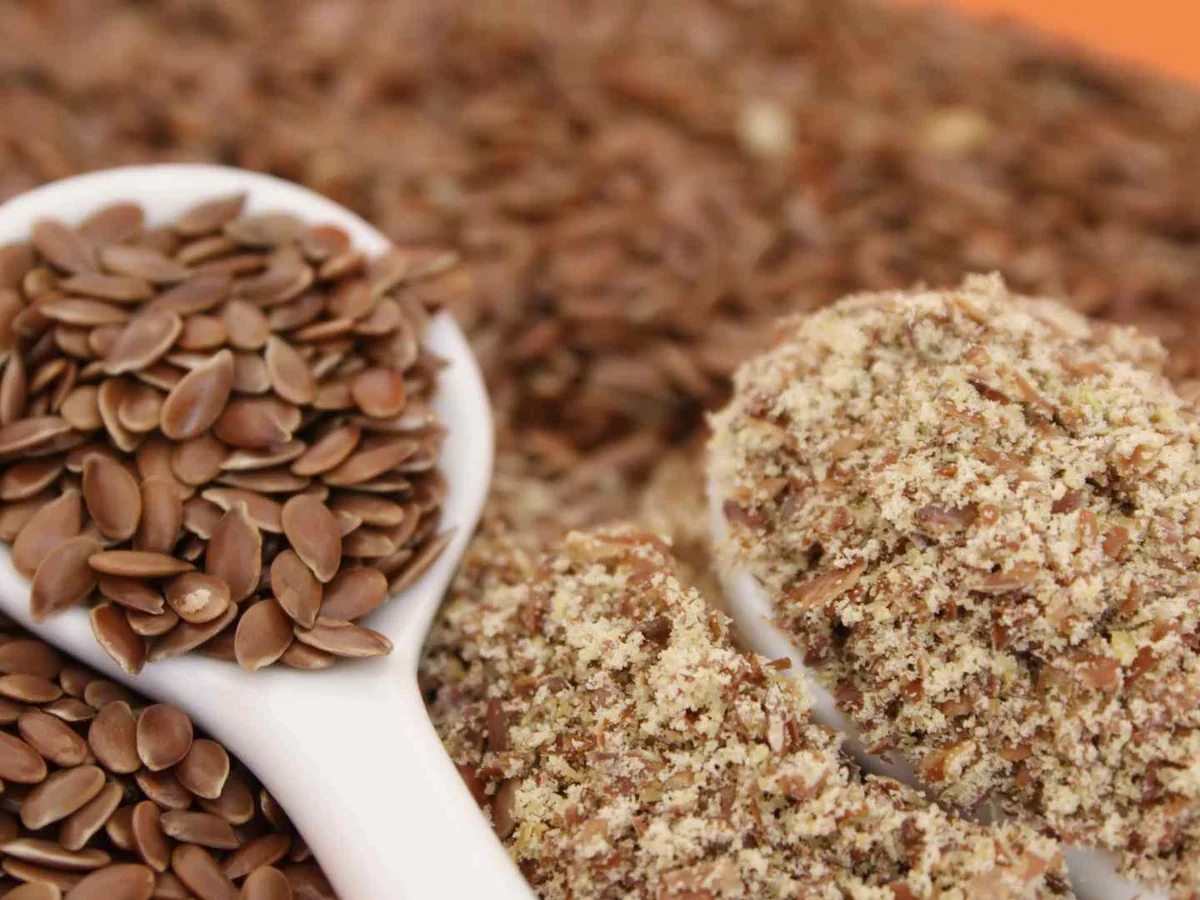
Ground flax changes faster than the eye suggests
Grinding exposes seed oils and makes the material easier to mix through food. It also makes a teaspoon compact, dusty, and difficult to retrieve once a cat has consumed it.
Powder can irritate eyes or airways during a spill. Move the cat to clean air, prevent grooming of a heavily coated face or coat, and call for persistent coughing, wheezing, eye pain, or breathing effort.
Ground meal absorbs moisture and can alter stool consistency. A dose appropriate for one constipation plan may be excessive for a cat with diarrhea, dehydration, narrowed intestines, or a prescription diet.
Store milled flax according to the package in an airtight container away from heat and light. An off, bitter, paint-like, or rancid odor is a reason to discard it securely rather than hide it in pet food.
Flaxseed oil is concentrated fat, not liquid fiber
Oil contains no intact-seed fiber and delivers calories in a very small volume. A tablespoon spilled onto food is not equivalent to a scattering of seeds.
Too much oil can cause nausea, loose stool, vomiting, greasy fur, or abdominal discomfort. Cats with obesity, prior pancreatitis, fat-sensitive disease, or calorie-restricted diets need especially careful veterinary oversight.
Oxidation can degrade oils and create unpleasant compounds, so bottle material, opening date, light, heat, refrigeration instructions, and odor matter. Do not use an old bottle merely because it was expensive.
Oil on fur will be swallowed during grooming unless removed. Prevent licking, blot what you safely can, and ask a clinic about washing when a large area or the eyes are involved.
ALA is not the same as EPA and DHA
Flax oil is rich in alpha-linolenic acid, or ALA, a plant omega-3 fatty acid. Marine oils can supply the longer-chain fatty acids EPA and DHA directly.
Cats have limited ability to convert plant ALA into the longer-chain forms, so a label saying omega-3 does not make flax nutritionally interchangeable with fish oil. The intended clinical goal matters as much as the total oil amount.
Do not swap flax oil for a veterinary-recommended EPA and DHA product or vice versa. Concentrations, contaminants, oxidation control, calories, vitamin additions, and dosing devices differ.
The cat salmon guide provides useful seafood context without supplying a supplement dose. Whole fish, complete fish-based food, and measured marine oil are separate products with separate feeding logic.
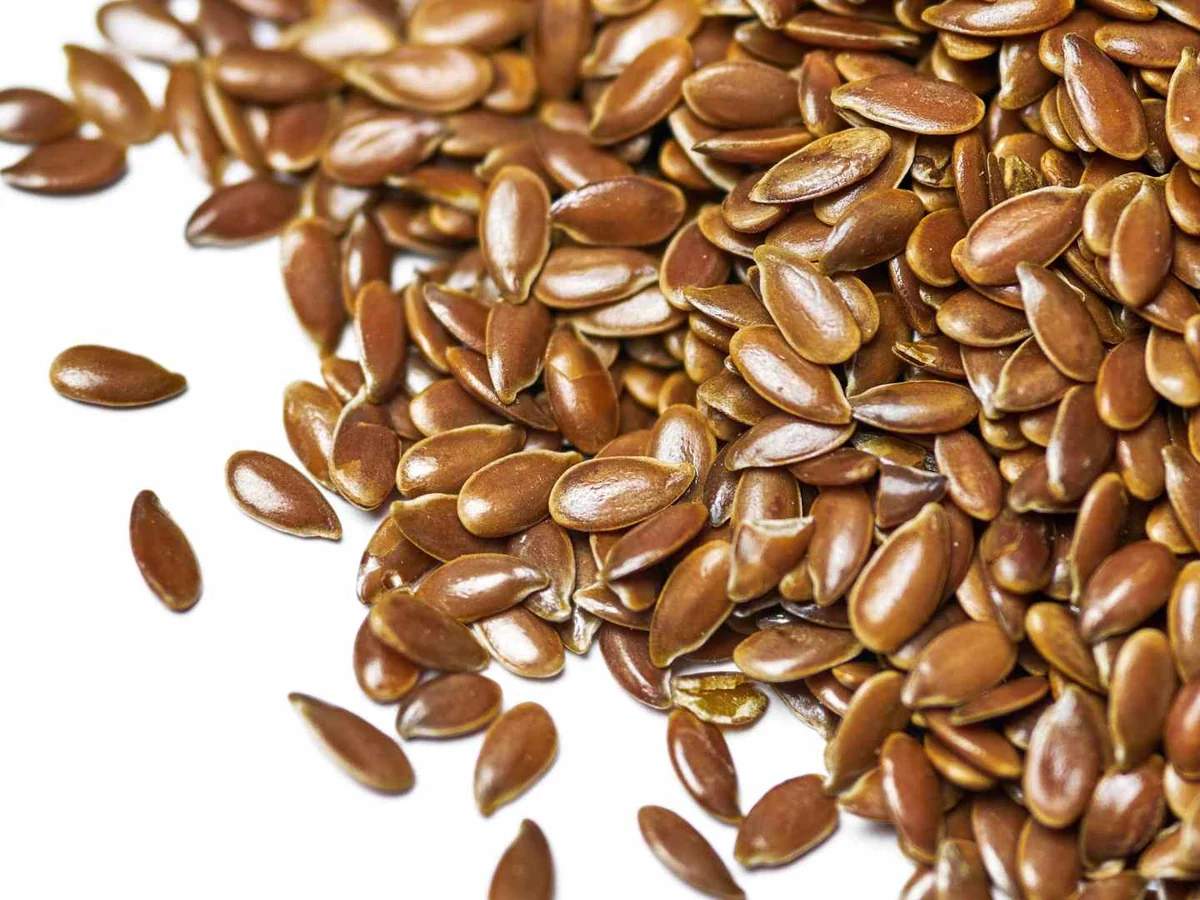
Do not prescribe flax from human wellness headlines
Human and laboratory studies discuss flax in relation to cholesterol, inflammation, hormones, digestion, skin, and cancer. Those findings do not establish a feline treatment, effective formulation, or safe home dose.
A cat with dry skin, poor coat, constipation, arthritis, kidney disease, or inflammation needs diagnosis before supplementation. Adding oil can alter calories and digestion while delaying the treatment that fits the actual cause.
The FDA explains the complete-and-balanced claim used on pet food. A flax capsule is not a balanced diet, and one attractive nutrient cannot repair an improvised homemade recipe.
Lignans, phytoestrogens, and concentrated extracts
Flaxseed contains lignan precursors, and supplements may concentrate lignans or combine them with other botanicals. Marketing about hormone balance or antioxidants is not a veterinary indication.
Endocrine disease, reproductive conditions, cancer, pregnancy, and medication use make casual experimentation especially inappropriate. Use the exact product only when the treating veterinarian has reviewed the formulation and purpose.
Do not divide a human capsule by estimated body weight. Uneven powder, concentrated extracts, inactive ingredients, and feline metabolism make that arithmetic falsely reassuring.
Medication and procedure timing
Fiber can alter how quickly food and some oral medications move through the digestive tract, while oils and supplements may affect tolerance or interact with treatment plans. Cats taking several medicines need a coordinated schedule.
Discuss flax before surgery, dental procedures, anticoagulant use, gastrointestinal medication, diabetes treatment, or a diagnostic diet. Do not stop a prescribed drug because a supplement website suggests an interaction.
If flax is being used to hide a pill, confirm that the medicine can be given with food and that the full dose was swallowed. Request another formulation rather than building a large seed paste around a tiny tablet.
Commercial cat food containing flaxseed
Flaxseed can appear in complete commercial cat food as one component selected for fatty acids, fiber, processing, or formulation goals. Its presence does not automatically make the finished food superior, inferior, vegan, or medicinal.
Read the nutritional adequacy statement, life stage, calorie content, feeding directions, manufacturer information, and your cat’s response. The whole formulation matters more than ingredient-list ranking.
Cats remain obligate carnivores because they require nutrients supplied reliably through animal ingredients or carefully formulated sources. One plant ingredient does not redefine the biology of the complete recipe.
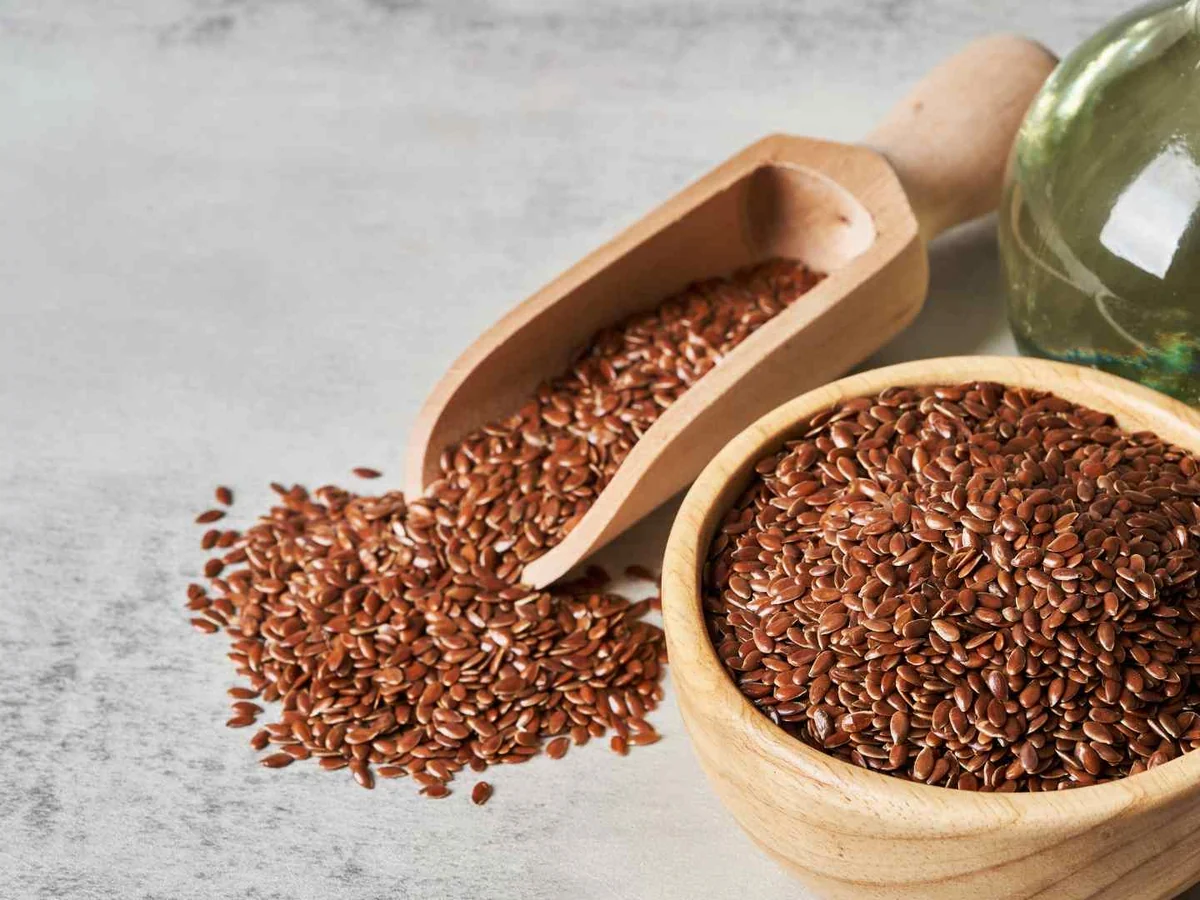
Flax in bread, granola, and smoothies
A cat often encounters flax within seeded bread, crackers, muffins, granola, oatmeal, protein shakes, or energy bars. Those foods may contain sugar, salt, chocolate, raisins, nuts, xylitol, dairy, raw dough, or caffeine.
The cat bread guide distinguishes a baked crumb from raw yeast dough, which can expand and produce alcohol. The almond guide for cats helps when a flax snack includes whole nuts or nut butter.
Do not stop reading after seeing flax on the front of a package. A chocolate energy bite or raisin granola bar should be triaged from the complete recipe and missing wrapper.
Human capsules, gummies, and flavored oils
Supplement capsules may contain gelatin, glycerin, flavor, vitamins, fish oil, herbs, or a child-resistant bottle component. Gummies add sweeteners, while flavored liquids can include essential oils or palatants.
The FDA explains that dietary supplements are regulated as food rather than approved as drugs before marketing. A human label does not demonstrate feline efficacy, purity, or dose.
Save the Supplement Facts panel, lot, capsule count, and bottle after access. Call about a large amount, added vitamins or minerals, unknown sweeteners, medication-like blends, or chewed packaging.
Seeds and oil go rancid or moldy
Heat, light, oxygen, and time affect flax products, especially after grinding or opening oil. Follow manufacturer storage directions rather than relying only on the printed date.
Discard moldy seed, leaking capsules, swollen packages, or oil with an abnormal odor. Moldy food can cause vomiting and neurologic signs, while rancid fat can produce digestive illness.
The Merck Veterinary Manual describes tremorgenic fungal poisoning with incoordination, tremors, rapid breathing, collapse, and convulsive spasms. Those signs after spoiled food require emergency care.
Packaging can be the urgent part
Bulk bags may include plastic zip strips, scoops, clips, and freshness packets. Oil bottles add caps, droppers, glass, seals, and slippery floors.
Account for every missing item and block access to broken glass. Repeated vomiting, abdominal pain, appetite loss, reduced stool, straining, or severe lethargy after packaging disappears warrants veterinary assessment.
Never induce vomiting after glass or a sharp closure may have been swallowed. Bring a matching cap, packet, or dropper for size and material comparison.
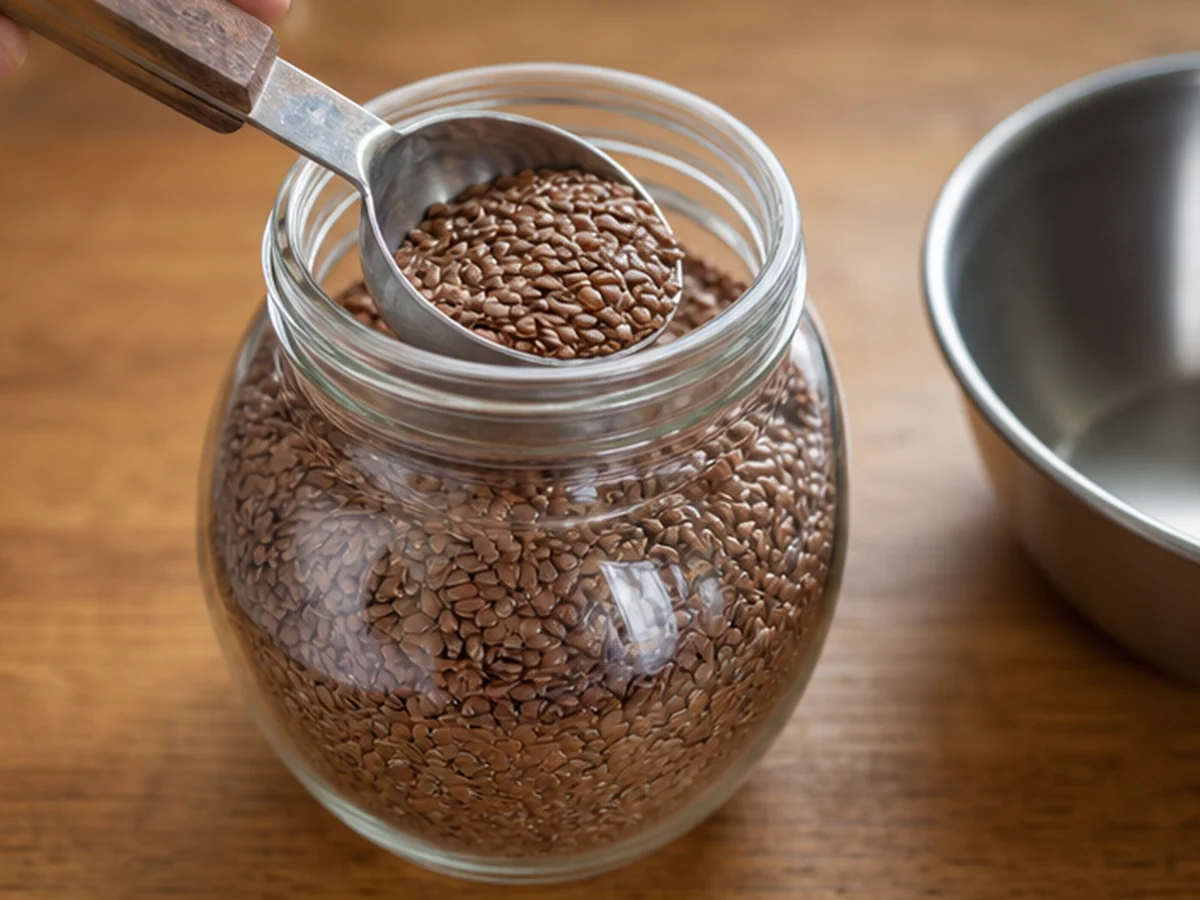
A measured response to accidental access
- Define the form: whole seed, ground meal, oil, capsule, gummy, blend, food ingredient, or moldy product.
- Read every addition: record vitamins, minerals, herbs, fish oil, chocolate, raisins, nuts, sweeteners, and medication.
- Estimate amount: compare remaining volume or capsule count and note the time and cat’s weight.
- Call promptly: seek advice for oil spills, concentrated supplements, large amounts, spoilage, symptoms, or missing packaging.
- Use emergency care: breathing trouble, collapse, seizures, tremors, repeated retching, or severe pain cannot wait.
A few plain whole seeds in a symptom-free healthy cat may require only observation. Continue the usual diet and water without adding extra flax to test the digestive system.
Frequently asked questions
Can cats eat ground flaxseed?
Do not add it routinely without veterinary guidance. Ground meal changes fiber intake and can affect stool, calories, medication timing, and therapeutic diets even when the ingredient is not a classic toxin.
Is flaxseed oil good for a cat’s coat?
Do not assume a human coat claim establishes a feline treatment. The veterinarian should evaluate skin disease and select any fatty-acid product by EPA, DHA, ALA, dose, calories, quality, and the cat’s conditions.
Can cats digest whole flaxseed?
Some whole seeds may pass partly undigested, which makes them an unreliable nutrient delivery method. A few accidental seeds are usually low concern, while bulk ingestion may upset the digestive tract.
Can kittens have flaxseed?
Kittens need complete growth nutrition and should not receive DIY fiber or oil supplements. Use only a complete kitten food or a product specifically recommended by the veterinary team.
Bottom line
Flaxseed is not one interchangeable omega ingredient. Whole seeds, meal, oil, and supplements change fiber, calories, oxidation, and dosing, while plant ALA cannot simply stand in for marine EPA and DHA, so keep the scoop in the pantry unless the cat’s clinician has a specific plan.