Can Cats Eat Jasmine Rice? Plain Portions, Leftovers, and Recipe Risks
A healthy adult cat can usually eat a teaspoon or less of plain, fully cooked jasmine rice, but rice is optional. Butter, salt, onion, garlic, broth, curry, fried-rice ingredients, raw grains, spoiled leftovers, hot steam, packaging, medical diets, and oversized portions make the answer more complicated than the fragrant white grain.
The cat-safe version is pleasantly boring
Cook jasmine rice in plain water until tender, let it cool, and offer only a few soft grains or a small teaspoon if the veterinarian allows extras. Do not add salt, oil, butter, broth, coconut milk, sauce, herbs, spice, onion, or garlic.
The portion should be supplemental to the usual complete meal, not a bowl. Cats are obligate carnivores and gain no special requirement from jasmine aroma or long-grain texture.
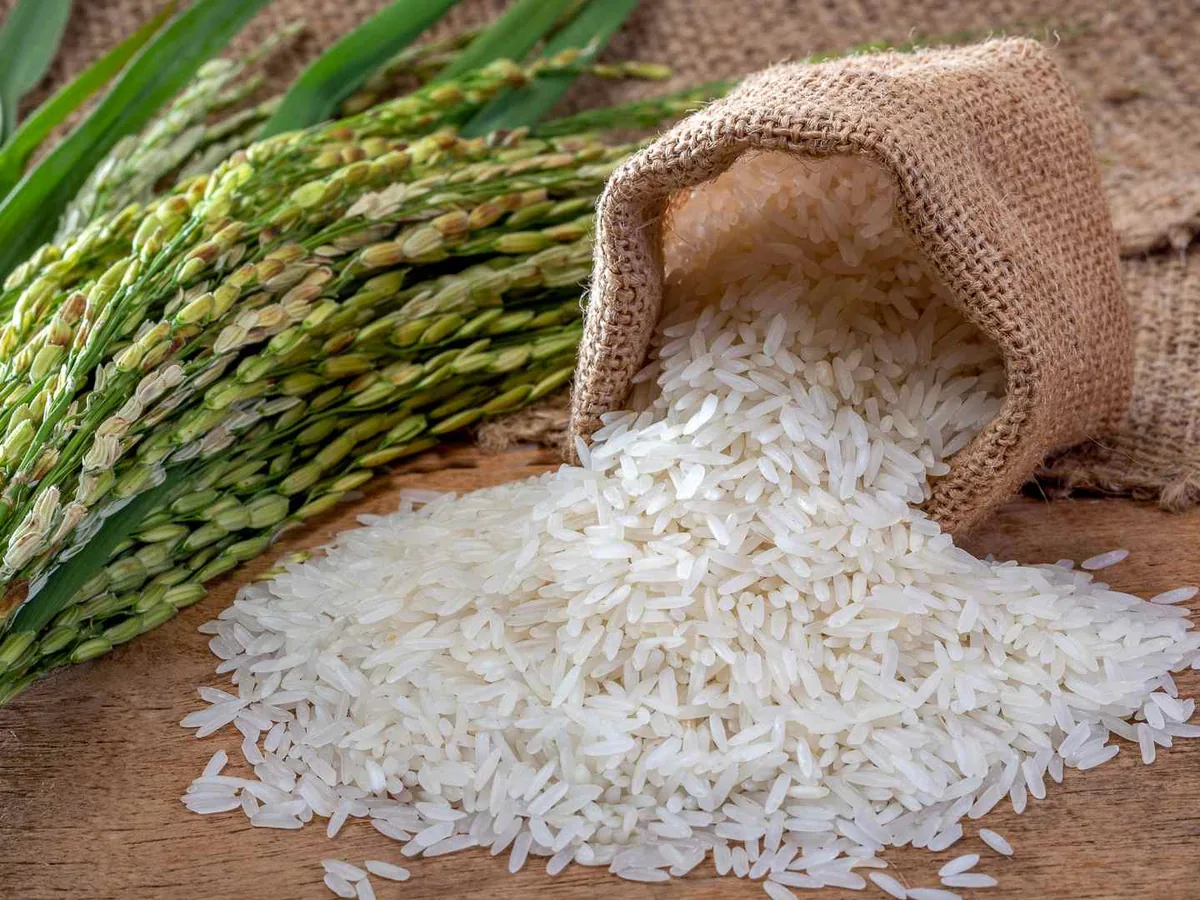
The general cat rice guide covers white, brown, raw, cooked, flour, cereal, and medical-diet questions. Jasmine is a fragrant long-grain variety, not a separate feline nutrient category.
Why one spoon can still be too much
A tablespoon looks modest to a person but can displace meaningful calories for a small cat. Rice adds carbohydrate without supplying the full protein, taurine, fatty acids, vitamins, and minerals required for feline health.
The FDA explains nutritional adequacy statements for pet food. Plain rice does not carry a complete-and-balanced feline life-stage claim.
Too much can cause vomiting, soft stool, constipation, gas, abdominal discomfort, or appetite reduction. A cat that tolerates five grains has not requested a larger serving next time.
Jasmine rice versus other rice
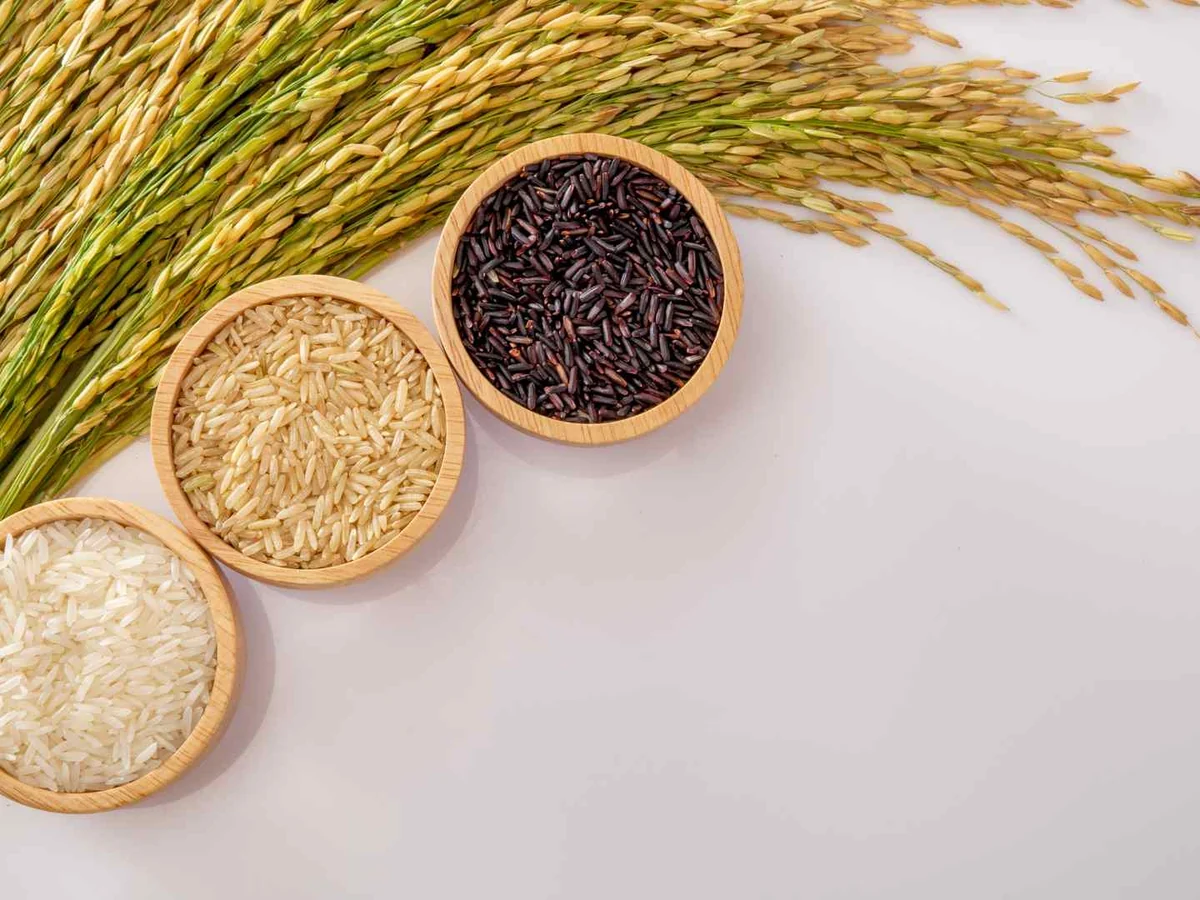
| Rice form | What changes | Practical cat answer |
|---|---|---|
| White jasmine | Fragrant, polished long grain | Tiny plain cooked amount is generally low risk. |
| Brown jasmine | Bran remains, more fiber and texture | Still optional and may be harder on sensitive digestion. |
| Sticky rice | Different starch behavior and dense clumping | Can form an awkward wad; not the same variety. |
| Basmati | Another aromatic long-grain rice | Same plain-cooked portion principle. |
| Wild rice | A different grain species | Do not assume jasmine guidance applies exactly. |
| Instant rice | Preprocessed for rapid cooking | Check salt and seasoning packets. |
| Rice mix | Broth, Alliums, salt, spice, vegetables | Assess the complete package. |
Raw grains are not a crunchy treat
Uncooked jasmine rice is hard, dry, and difficult to chew. It can irritate the mouth, be inhaled during play, or expand after absorbing liquid, although a few dropped grains are unlikely to create a poisoning event.
A bulk-bag raid can cause digestive upset and may include plastic, string, clips, desiccant, insects, mold, or cleaning residue. Save the bag and report the largest plausible amount.
Do not pour water into the mouth to make raw rice expand safely or feed oil to move it. Call for gagging, repeated vomiting, pain, or a substantial ingestion.
Rinsing and cooking safely
Rinse rice according to package or culinary preference using potable water, and keep the colander away from raw meat juices. Cook it completely rather than letting the cat taste soaking water or a partly softened grain.
Hot steam and boiling water can burn a curious face or paw. Keep the cat off the counter until the cooker, lid, pot, and serving spoon have cooled.
Do not let a cat lick condensation from an electric cooker, chew its cord, or crawl into an open appliance. Unplug and store equipment safely after use.
Seasoned rice is where the risk jumps
Pilaf, boxed mixes, yellow rice, Spanish rice, biryani, dirty rice, jambalaya, and restaurant sides can contain onion, garlic, stock, salt, butter, meat drippings, alcohol, raisins, or spices. The jasmine label describes the grain, not the whole dish.
Onion and garlic can damage feline red blood cells after raw, cooked, or powdered exposure. The Merck Veterinary Manual notes feline susceptibility and delayed anemia.
Call after known Alliums even when the cat initially acts normal. Weakness, pale or yellow gums, rapid breathing, dark urine, and collapse can appear after the dinner evidence is gone.
Fried rice carries a crowded ingredient list
Fried rice may include soy sauce, sesame oil, onion, garlic, egg, peas, meat, shrimp, chili, and substantial cooking fat. A piece of plain egg or meat is not still plain after it has been tossed through the pan.
Our cat egg guide helps separate fully cooked unseasoned egg from mixed dishes. The shrimp guide covers shell, tail, raw risk, seasoning, and allergy.
Soy sauce can add substantial sodium, while spicy oil irritates. A large raid or vomiting, thirst, weakness, tremors, poor coordination, or seizures needs urgent advice.
Coconut rice and sweet rice
Coconut milk adds fat and calories, while sweet rice recipes may include sugar, condensed milk, dairy, fruit, raisins, nuts, spices, or syrup. Dessert presentation does not create feline nutritional value.
A rich serving can lead to vomiting or diarrhea without proving pancreatitis. Persistent abdominal pain, repeated vomiting, or appetite loss warrants a veterinary call.
Rice pudding includes dairy that many adult cats digest poorly. Sugar-free desserts require exact sweetener identification rather than trust in the front label.
Leftover rice has a food-safety clock
Cooked rice can support growth of Bacillus cereus when held at unsafe temperatures, and reheating may not eliminate every preformed toxin. Prompt cooling and refrigeration matter more than sniffing the bowl.
The FoodSafety.gov guidance supports reheating leftovers thoroughly, while storage time and temperature remain essential. Follow local official storage recommendations and discard rice left warm for an uncertain period.
Do not leave rice in a cooker on an unknown setting overnight or feed questionable leftovers to avoid waste. A cat’s willingness to eat it is not a microbial assay.
Arsenic needs proportion, not panic
Rice can take up inorganic arsenic from soil and water, with levels varying by type, region, and processing. This is a long-term dietary-exposure consideration, not a reason to describe one teaspoon of cooked jasmine rice as arsenic poisoning.
The FDA recommends dietary variety to limit arsenic exposure and provides rice-cooking information for people. That human guidance is not a feline portion chart.
A complete commercial cat food is formulated as a whole and subject to manufacturing controls. Do not judge it solely because rice appears on the ingredient list or add home-cooked rice to dilute imagined contaminants.
Rice in therapeutic diets
Veterinary gastrointestinal or hydrolyzed diets may contain rice as part of a precisely formulated product. That does not mean a bowl of plain rice is equivalent treatment for vomiting or diarrhea.
Cats that refuse food, vomit repeatedly, pass blood, become dehydrated, or have persistent diarrhea need diagnosis. Rice-and-chicken folklore can delay care and creates an incomplete diet.
Food-allergy trials require strict ingredient control. Casual jasmine rice or flavored medicine can compromise results depending on the prescribed formula.
Bags, packets, and cooker hazards
Rice packaging can include plastic film, woven string, clips, cardboard spouts, seasoning sachets, and desiccants. A torn piece may obstruct even when the grain amount was minor.
Repeated vomiting, abdominal pain, reduced appetite, straining, or low energy after packaging disappears needs veterinary assessment. Leave any protruding bag cord untouched, because tugging can injure intestines when the unseen end is anchored.
What to do after a rice raid
- Identify the form: raw grain, plain cooked jasmine, fried rice, pilaf, dessert, seasoned mix, or spoiled leftover.
- List every addition: onion, garlic, broth, salt, soy sauce, fat, egg, meat, seafood, raisins, spice, and dairy.
- Estimate amount and temperature: record maximum portion, time, storage, reheating, and whether it was hot.
- Count objects: find bags, ties, packets, cooker pieces, skewers, foil, and takeout plastic.
- Call promptly: seek advice for Alliums, a large amount, unsafe storage, burns, foreign objects, medical diets, or symptoms.
Cats who should not receive casual rice
Kittens need dense complete growth nutrition, while obese and diabetic cats may have carefully budgeted carbohydrate and calories. Cats with chronic constipation, swallowing trouble, or gastrointestinal disease can also respond poorly to an unnecessary grain serving.
A prescription kidney, urinary, hydrolyzed, or novel-protein diet can be undermined by table rice, especially when broth or seasoning is attached. Ask the prescribing team before adding any topper.
If a cat repeatedly seeks dry rice, flour, plastic, or other nonfood material, mention pica at a veterinary visit. Secure storage prevents access while medical and behavioral contributors are assessed.
Meal-prep details that prevent trouble
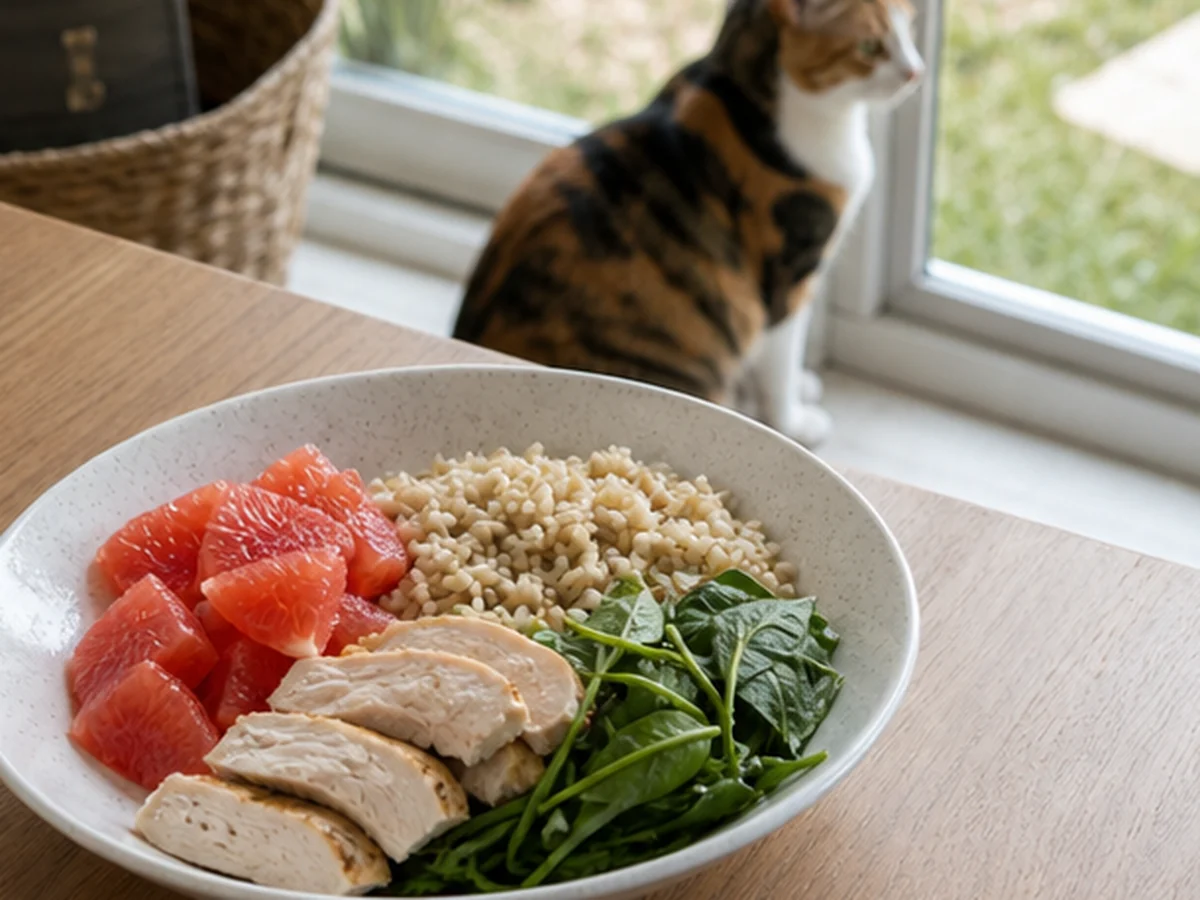
Set aside a plain feline portion before opening broth, spice, or sauce, then use a separate clean spoon. Returning a spoon from seasoned food defeats the effort even when no onion piece is visible.
Label leftovers with the cooking date and refrigerate shallow portions promptly. When the timeline becomes uncertain, discard the rice instead of asking a pet with an enthusiastic appetite to settle the food-safety debate.
Frequently asked questions
Can kittens eat jasmine rice?
Kittens need complete growth nutrition and have little room for plain grain. Use kitten food as rewards and keep hot pots, raw rice, and packaging inaccessible.
Can cats eat jasmine rice every day?
There is no reason to add it daily outside a complete formulated food or veterinary plan. Repeated extras can displace required nutrients and add unnecessary carbohydrate.
Is brown jasmine rice better for cats?
More bran and fiber does not automatically make it better for a cat. Both types are optional, and health conditions or digestive tolerance may favor no rice treat at all.
Can rice stop diarrhea in cats?
Do not use plain rice as a substitute for diagnosis or a complete therapeutic diet. Call for persistent diarrhea, blood, vomiting, pain, dehydration, lethargy, or any sick kitten.
Bottom line
Plain cooked jasmine rice can be a tiny low-risk extra, but its fragrance does not make it feline nutrition. Keep portions small, recipes plain, leftovers safely chilled, arsenic claims proportionate, and the complete cat diet firmly in charge of the bowl.