Can Cats Eat Raw Bacon? Pathogens, Salt, Fat, Packaging, and Safer Options
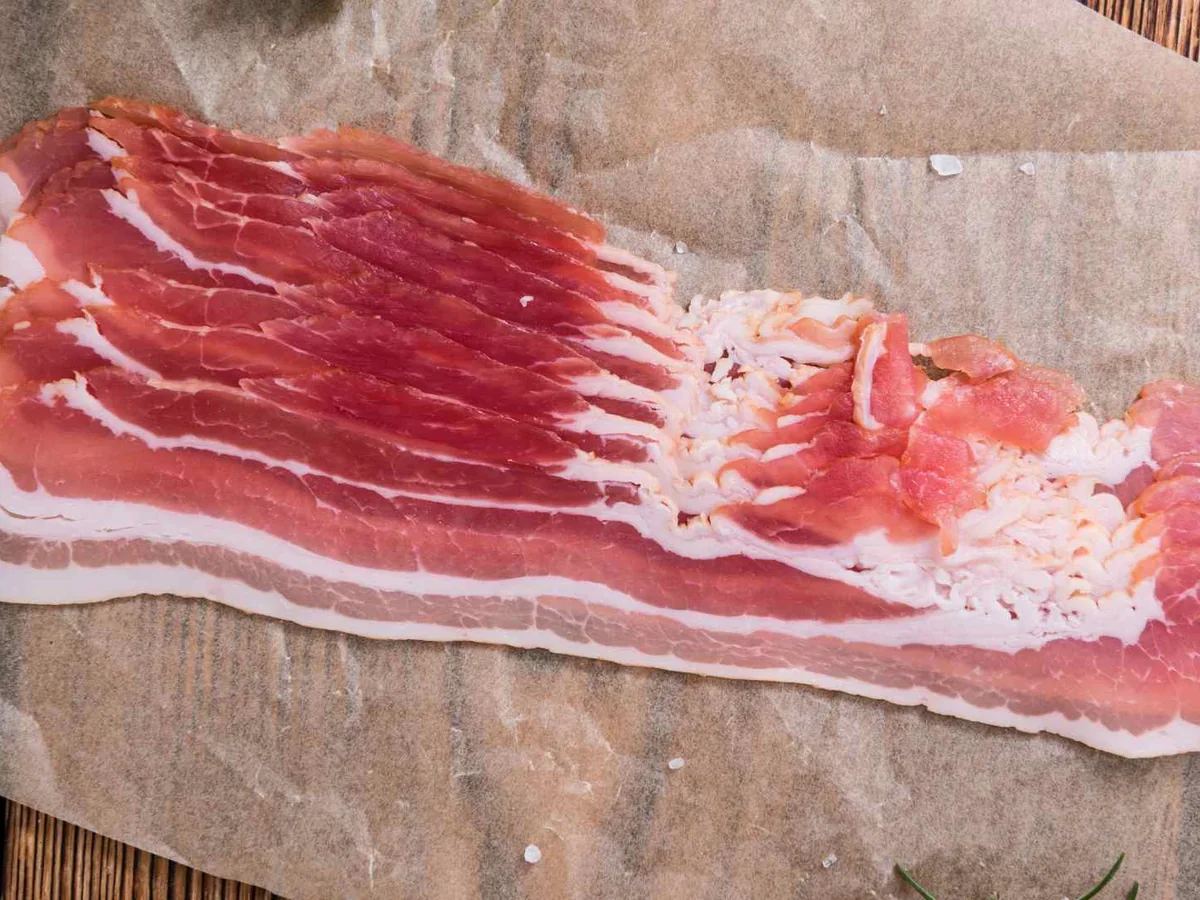
Do not feed raw bacon to cats. It combines uncooked pork with substantial fat, salt, curing ingredients, smoke flavor, possible pathogens, grease, absorbent pads, plastic film, metal clips, and kitchen cross-contamination, while a counter lick differs from swallowing several strips and deserves a proportionate, product-specific response.
Raw bacon is not simply raw pork
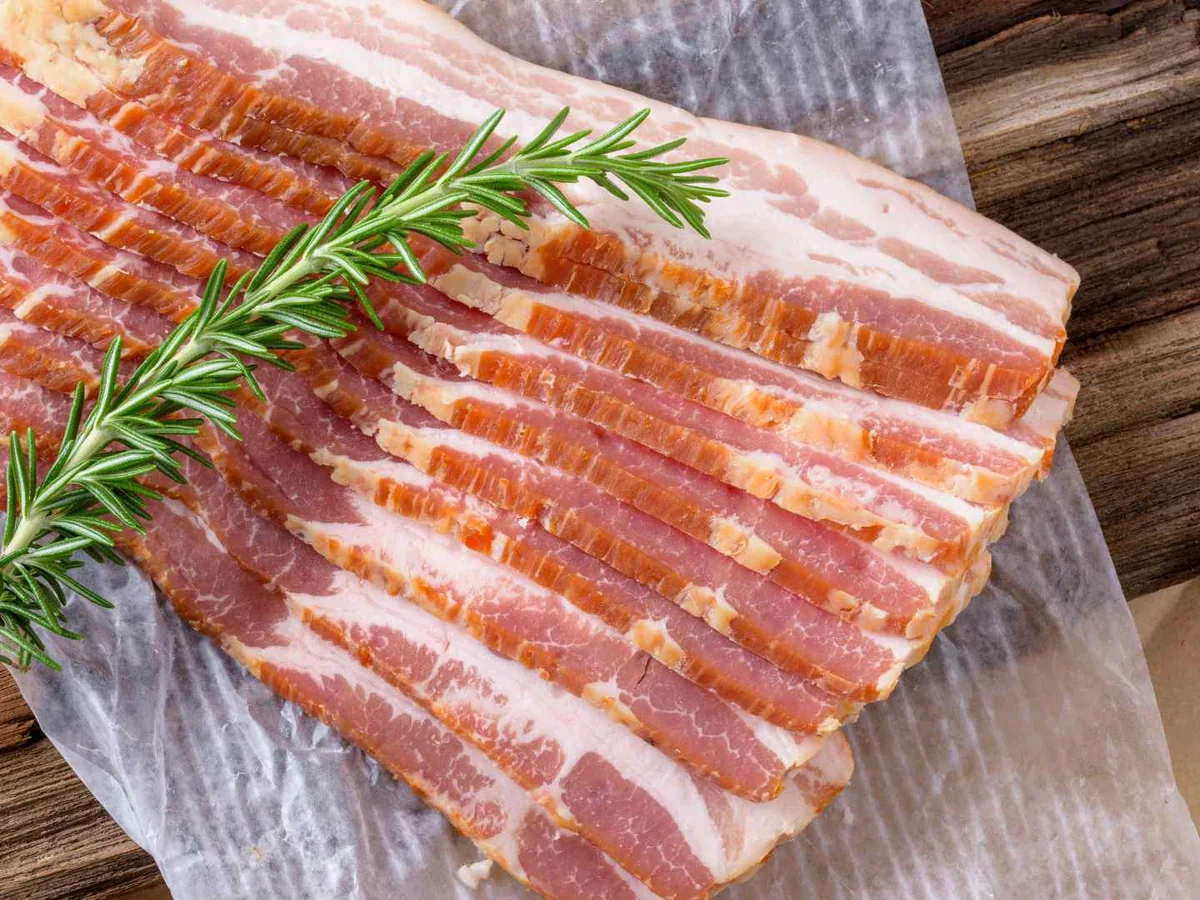
Bacon is usually cured pork belly, so sodium and processing ingredients are present before the pan gets hot. Some products are smoked, maple-flavored, peppered, uncured, or injected, and “uncured” does not mean plain fresh meat.
The cat bacon guide covers cooked slices, grease, bits, smoke, and packaging. Raw bacon adds pathogen exposure to that already rich and salty profile.
A cat’s enthusiasm reflects smell and fat, not a nutritional requirement. Complete cat food is designed to provide protein without turning the cutting board into a feeding plan.
Bacteria cannot be judged by smell
Raw pork can carry bacteria even when color, date, texture, and odor seem normal. A cat may become ill or spread organisms through saliva, paws, dishes, bedding, vomit, feces, and litter tracking.
The CDC explains that raw animal foods can carry germs that cause foodborne illness. People who are pregnant, elderly, very young, or immunocompromised need particular protection from contaminated surfaces.
Do not rely on a cat’s short digestive tract, ancestral diet, or prior uneventful theft as proof of safety. Pathogen dose, strain, host health, and storage vary from one package to another.
Parasite risk is not folklore
Raw or undercooked pork can transmit parasites in relevant circumstances, and freezing is not a universal household kill step. Source, species, processing, and temperature history influence risk.
The CDC describes trichinellosis from consuming raw or undercooked meat from infected animals. Commercial bacon may be lower risk than wild pork, but lower does not mean appropriate to feed raw.
Never offer bacon from feral hog, wild boar, home slaughter, or uncertain origin without veterinary guidance. Report source clearly after access because the exposure profile differs from sealed supermarket pork.
Salt is already inside the strip
Curing moves salt throughout the meat, so rinsing the surface does not create unsalted bacon. Brine, sodium nitrite or nitrate, flavorings, and smoke components vary by label.
Large sodium exposure can lead to vomiting, marked thirst, weakness, poor coordination, tremors, seizures, or behavior change. Keep normal water available and call rather than forcing liquid by syringe.
Cats with kidney, heart, urinary, or blood-pressure disease may have a carefully controlled sodium plan. Even a smaller raw bacon raid can disrupt that plan and merits contact with the treating clinic.
Fat makes small portions deceptively large
A raw strip may be mostly visible and marbled fat, delivering many calories in a few swallows. Excess can trigger vomiting or diarrhea and may be especially troublesome for cats with prior digestive or pancreatic disease.
Ongoing vomiting, abdominal pain, hunched posture, food refusal, feverish behavior, or marked lethargy requires assessment. It is inaccurate to promise that one fatty bite causes pancreatitis, yet persistent illness should not be dismissed.
Do not serve raw bacon grease or trimmings as a coat supplement, appetite stimulant, or pill pocket. Fat does not correct an incomplete feline diet.
Curing and flavor labels matter
Maple bacon can add sugar and flavoring, peppered bacon adds spice, and garlic or jalapeño varieties introduce irritating or toxic recipe ingredients. Sugar-free glaze may require a sweetener review.
The broader feline pork guide helps compare loin, belly, sausage, ham, and leftovers. Bacon’s cure and fat keep it in a separate lane.
Photograph the front, ingredient panel, nutrition panel, use-by date, lot, and package weight. Those details are far more useful than saying the product was natural or premium.
The absorbent pad belongs in the count
Meat trays can include plastic film, foam, absorbent pads, labels, glue, clips, and sometimes oxygen or freshness packaging. Raw juice makes these objects smell edible.
A punctured pad may expose absorbent material and plastic layers, while swallowed film can obstruct. Repeated vomiting, pain, poor appetite, or reduced stool after packaging disappears needs veterinary evaluation.
Do not induce vomiting when plastic, clips, or sharp tray fragments may be involved. Bag the remaining package so the clinic can identify it safely.
Counter contamination travels
A bacon raid can spread raw juice to cabinet handles, phones, faucets, utensils, dish towels, floors, paws, and the cat’s face. Confine the cat before cleaning so paw traffic does not enlarge the contaminated zone.
The USDA advises separating raw meat from ready-to-eat foods and cleaning hands and surfaces. Use the cleaner and contact time appropriate for the surface, then prevent access until dry.
Do not bathe a heavily contaminated cat with a kitchen disinfectant. Ask a veterinary professional how to clean fur while preventing grooming.
Cooking makes pork safer, not bacon ideal
Proper cooking reduces microbial risk, but it does not remove salt, curing ingredients, or fat. A crisp strip is still a poor regular cat treat and can splinter into sharp pieces.
If a veterinarian allows an occasional pork taste, use a tiny piece of plain fully cooked lean pork rather than bacon. The cat chicken guide offers another cooked-meat comparison with its own bone and seasoning cautions.
Never microwave a raw strip merely until warm and call it cooked. Measure safe temperature according to the product and food-safety guidance.
What to watch after a theft
Possible foodborne illness includes vomiting, diarrhea, appetite loss, abdominal discomfort, feverish behavior, or lethargy, and onset may not be immediate. Very young, old, pregnant, or immunocompromised cats have less margin.
Gagging, repeated swallowing, breathing difficulty, collapse, seizures, severe weakness, or repeated retching needs emergency care. Missing film, pad material, or clips changes the urgency even if the cat seems normal.
Follow the clinic’s monitoring window and callback thresholds. Do not give leftover antibiotics or anti-diarrheal medicine because treatment depends on diagnosis.
Raw bacon in breakfast recipes
An uncooked breakfast tray may include raw egg, pancake batter, yeast dough, cheese, onion, avocado, chocolate chips, coffee, and hot appliances. Report the whole counter rather than treating bacon as the only stolen item.
Bacon-wrapped foods can hide toothpicks, skewers, jalapeños, sausages, scallops, or stuffed cheese. A missing wooden pick is an urgent foreign-object concern even when the meat amount was small.
The cat cheese guide adds dairy context for stuffed bites, but raw pork handling remains the priority. Do not rinse a wrapped item and offer its center.
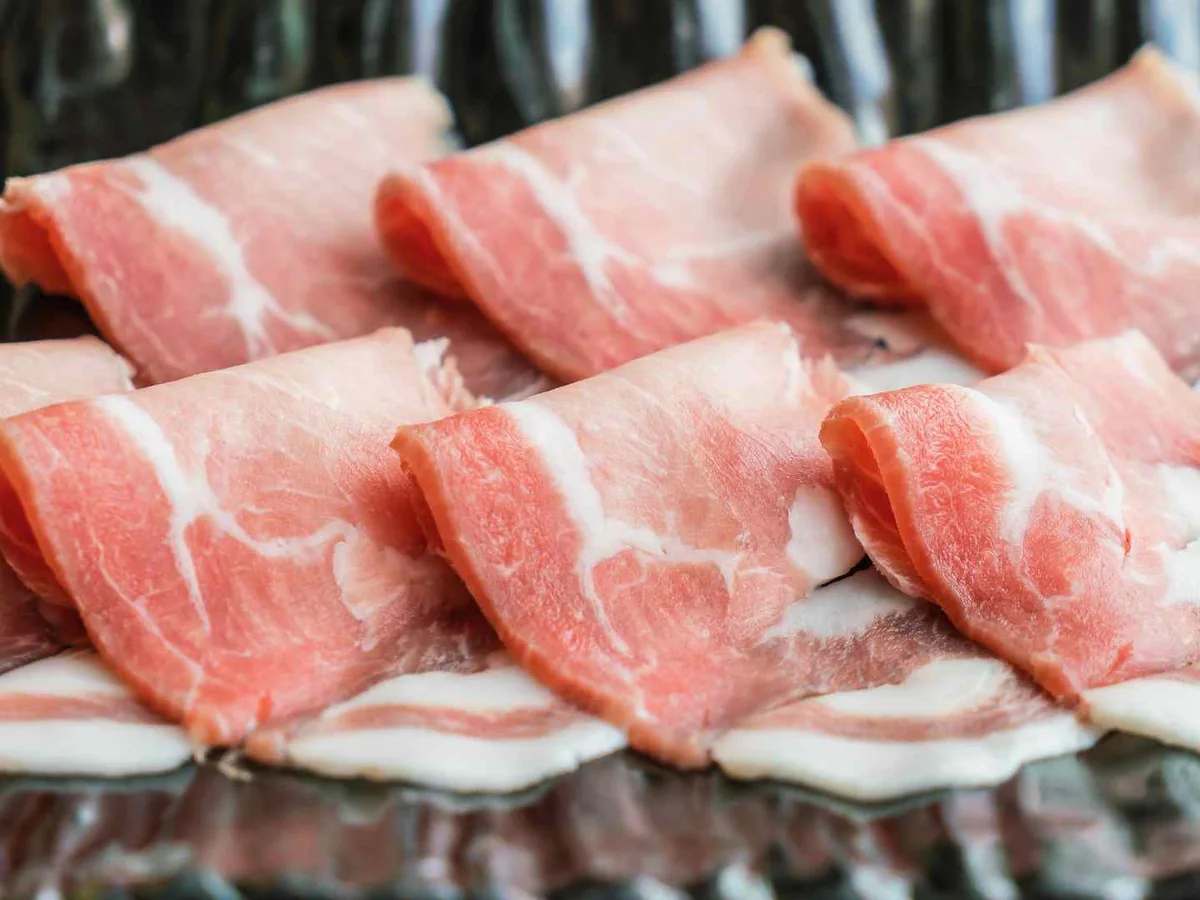
Uncured and turkey bacon are not loopholes
Uncured bacon generally uses alternative curing sources and still contains sodium, fat, and raw-animal-product risk. Front-label language can sound simpler than the ingredient and nutrition panels.
Turkey bacon changes the animal species but remains processed, salty, and uncooked before preparation. Cross-contamination and packaging still apply, so identify the exact product.
Plant-based bacon has no raw pork pathogen issue, yet it can contain onion, garlic, salt, oil, smoke flavor, soy, wheat, and plastic film. Product identity must precede advice.
Safe cleanup includes the litter area
After a substantial raw theft, wash food bowls separately and clean visible paw contamination as the veterinarian directs. Scoop promptly and wash hands because gastrointestinal organisms can move beyond the kitchen.
Do not use bleach directly on the cat or mix disinfectants. Follow label dilution, ventilation, surface compatibility, and contact-time directions while pets remain elsewhere.
If anyone in the home develops significant gastrointestinal illness after the event, contact a human healthcare professional and mention raw-meat exposure. Veterinary and human teams may need the same product information.
A useful raw-bacon call
- Product: cured, uncured, smoked, flavored, wild-source, expired, frozen, or thawed.
- Amount: count missing strips and estimate weight, fat, brine, grease, and time.
- Objects: locate film, pad, foam, labels, clips, ties, and tray fragments.
- Contamination: report fur contact, household surfaces, vulnerable people, and other pets.
- Cat: give weight, age, conditions, medicines, diet, symptoms, and source package details.
Frequently asked questions
What if my cat licked raw bacon?
One brief lick may stay low concern, but clean the area and call if the product was spoiled, wild-source, heavily flavored, or followed by symptoms. Protect vulnerable household members from cross-contamination.
Does freezing make raw bacon safe for cats?
No. Household freezing does not reliably eliminate every pathogen or parasite, and salt, fat, cure, and packaging remain.
Can kittens eat raw bacon?
No. Kittens need complete growth food and have less margin for pathogens, dehydration, excess salt, rich fat, and swallowed film.
Should I cook stolen raw bacon before giving it back?
No. Remove access and follow veterinary advice; cooking lowers microbes but does not make cured fatty meat a sensible feline reward.
Refrigerator raids often include eggs, cheese, dough, leftovers, and condiment packets alongside bacon. Inventory the entire shelf and check whether glass or a clip vanished.
When monitoring is advised, note appetite, stool, vomiting, energy, and drinking through the stated window. Worsening signs or illness in another exposed pet warrants a new call.
Bottom line
Raw bacon layers foodborne risk onto a salty, fatty, processed product that already offers cats little. Secure the tray and every piece of packaging, clean the whole contact path, and choose complete feline food or an approved lean cooked meat taste instead.
Keep monitoring notes beside the saved package so timing and product details remain together.
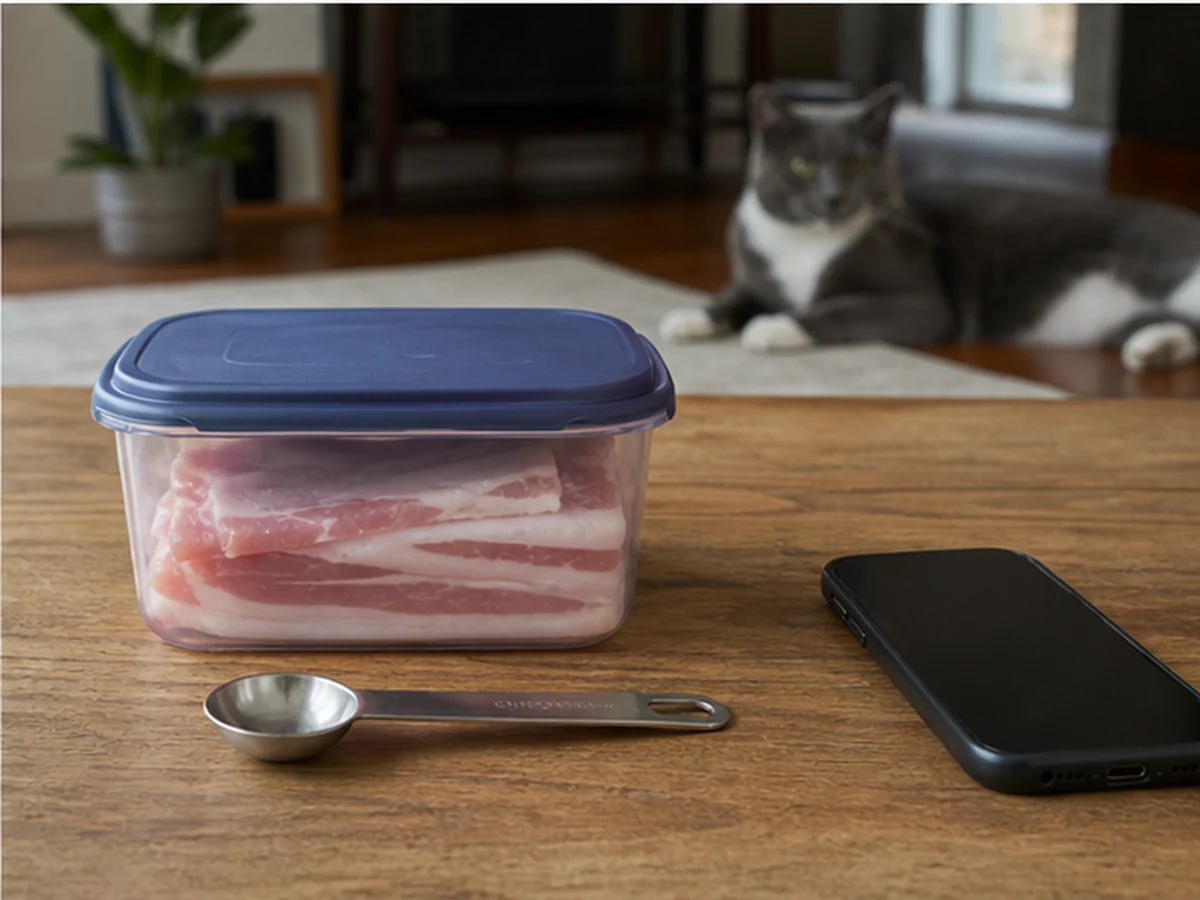
Keep raw bacon below ready-to-eat foods in a leakproof container, and wash reusable grocery bags after leakage. Never leave thawing meat on a reachable counter.
Separate raw-bacon utensils from feline dishes and discard cracked bowls that cannot be cleaned reliably. Safe handling protects the whole household.
Keep the saved raw bacon product and your written timeline together until the advised monitoring period ends, because labels, lot details, and symptom timing can change the veterinary assessment.